Executive Overview
Every garden holds a silent cast of characters—plants that do the heavy lifting of ecological support, seasonal longevity, and structural framing, yet rarely command the front covers of glossy horticulture magazines. While exotic imports, high-maintenance perennials, and heavily bred cultivars often dominate contemporary landscape design, a vast community of neglected flora quietly underpins the health of our outdoor spaces.
In July 2026, a nationwide community consultation hosted via the Gardeners’ World Facebook network cast a much-needed spotlight on this botanical underground. Gardeners from across the UK and Europe submitted hundreds of nominations, championing everything from delicate carnivorous pitcher plants and structural ferns to cascading heucheras, hellebores, and cosmos. Yet, when the final tallies were reviewed, five specific plants—often dismissed as aggressive self-seeders, garden weeds, or outdated remnants of cottage-style nostalgia—surpassed all others in popularity.
This investigative feature explores the cultural, ecological, and horticultural revival of these top five underrated plants. We examine why these resilient species deserve a prominent place in modern garden planning, analyzing their environmental contributions, adaptability to shifting climate pressures, and the shifting consumer sentiment toward low-intervention, wildlife-friendly horticulture.
Detailed Chronology: The Grassroots Movement That Redefined Garden Beauty
The July 2026 Social Media Consultation
The conversation began in early July 2026, when editors posed a deceptively simple question to the publication’s digital community: Which plants are deeply undervalued and deserve far wider celebration in our green spaces?
Within 48 hours, the post generated thousands of interactions. Novice growers and veteran horticulturists alike shared deeply personal reflections, childhood memories, and practical success stories. Rather than pointing toward high-maintenance showstoppers requiring intensive staking, artificial irrigation, and chemical fertilizers, the consensus rallied around plants defined by resilience, self-reliance, and exceptional ecological utility.
Categorizing the Botanical Underdogs
As the entries were categorized through the middle of the month, distinct trends emerged. Gardeners were visibly pushing back against the sterile perfection of manicured, chemical-heavy lawns and rigid bedding schemes. Instead, they expressed a profound appetite for self-sustaining ecosystems.

While heavyweights like heucheras and hellebores received honorable mentions, the community consensus narrowed down to a definitive top five. Ranked in reverse order of community enthusiasm, these selections challenge conventional notions of what constitutes a "good" garden plant:
- 5: Mexican Fleabane (Erigeron karvinskianus)
- 4: Common Daisy (Bellis perennis)
- 3: London Pride (Saxifraga × urbium)
- 2: Hardy Geranium (Geranium species)
- 1: Dandelion (Taraxacum officinale agg.)
Each of these selections tells a unique story of adaptation, ecological resilience, and a cultural shift away from human-dominated perfectionism toward collaborative, wilder garden landscapes.
Supporting Context & Metrics: The Horticultural Breakdown
To understand why these five plants captured the collective imagination of thousands of growers, we must examine their botanical profiles, environmental conditions, and specific garden applications.
5: Mexican Fleabane (Erigeron karvinskianus)
Often dismissed as an invasive nuisance due to its prolific nature, Mexican fleabane is, in reality, one of the most hardworking border-softening agents available to modern designers.
- Type: Semi-evergreen herbaceous perennial
- Planting Conditions: Full sun, any well-drained soil
- Ecological Impact: Produces copious amounts of nectar, acting as a magnet for beneficial pollinating insects across an exceptionally long flowering season spanning from spring well into autumn.
- Garden Utility: Thrives in dry, punishing conditions where other plants wither. Its trailing stems—laden with daisy-like flowers that open white and age to pink and purple—make it uniquely suited for cascading down retaining walls, wedging into stone crevices, and framing patio containers.
“Erigeron grows practically anywhere and flowers all summer long without demanding a drop of supplementary water once established.” — Community Contributor
4: Daisy (Bellis perennis)
The common lawn daisy represents the wild counterpart to Erigeron. For generations, the "day’s eye" has bridged the gap between human habitation and wild nature.

- Type: Evergreen herbaceous perennial
- Planting Conditions: Full sun to partial shade, adaptable to virtually any well-drained soil
- Ecological Impact: Provides vital early-season foraging grounds for ground-nesting insects and short-tongued bees when lawn management regimes are relaxed.
- Garden Utility: Historically maligned by lawn-care chemical manufacturers, the common daisy is experiencing a major rehabilitation. By simply raising mower blade heights or adopting a "No Mow May" approach, homeowners can transform uniform green turf into living tapestries of white and yellow.
“We have lots in our lawn and they look so lovely, but many people just ignore them, or tread on them without realizing their charm.” — Community Contributor
3: London Pride (Saxifraga × urbium)
Steeped in historical charm and European folklore, London Pride is a hybrid saxifrage that has decorated European gardens for centuries.
- Type: Evergreen herbaceous perennial
- Planting Conditions: Partial to full shade; prefers moist, well-drained soil
- Ecological Impact: Creates dense, moisture-retaining green carpets in difficult shady spots while offering delicate, airy sprays of white and pink-speckled flowers in late spring.
- Garden Utility: Virtually indestructible, this plant is entirely slug-resistant, highly drought-tolerant once rooted, and exceptionally easy to propagate by division. In the Netherlands, it bears the evocative vernacular name Schildersverdriet ("painter’s sorrow"), a nod to the intricate, painstaking detail required to paint its delicate blooms.
“They are so cute and delicate, yet they survive the harshest urban and suburban neglect without breaking a sweat.” — Community Contributor
2: Hardy Geranium (Geranium species)
Unlike tender bedding pelargoniums (which are technically Pelargonium), true hardy geraniums (cranesbills) are perennial powerhouses that deserve a place in every border.
- Type: Herbaceous perennial
- Planting Conditions: Full sun to partial shade (some varieties tolerate deep shade), well-drained soil
- Ecological Impact: Serves as a premier resource for generalist pollinators, while their dense foliage creates natural mulch that suppresses weeds and retains soil moisture.
- Garden Utility: Unrivaled in versatility. Varieties such as the vivid magenta Geranium ‘Anne Folkard’ or the cool white-and-lilac Geranium clarkei ‘Kashmir White’ can be woven effortlessly beneath roses, shrubs, and mixed herbaceous borders. Furthermore, their rapid growth habit makes them exceptionally cost-effective.
“You only have to buy one, and in three years you can split it and have loads of free plants to share with your neighbours and friends.” — Community Contributor
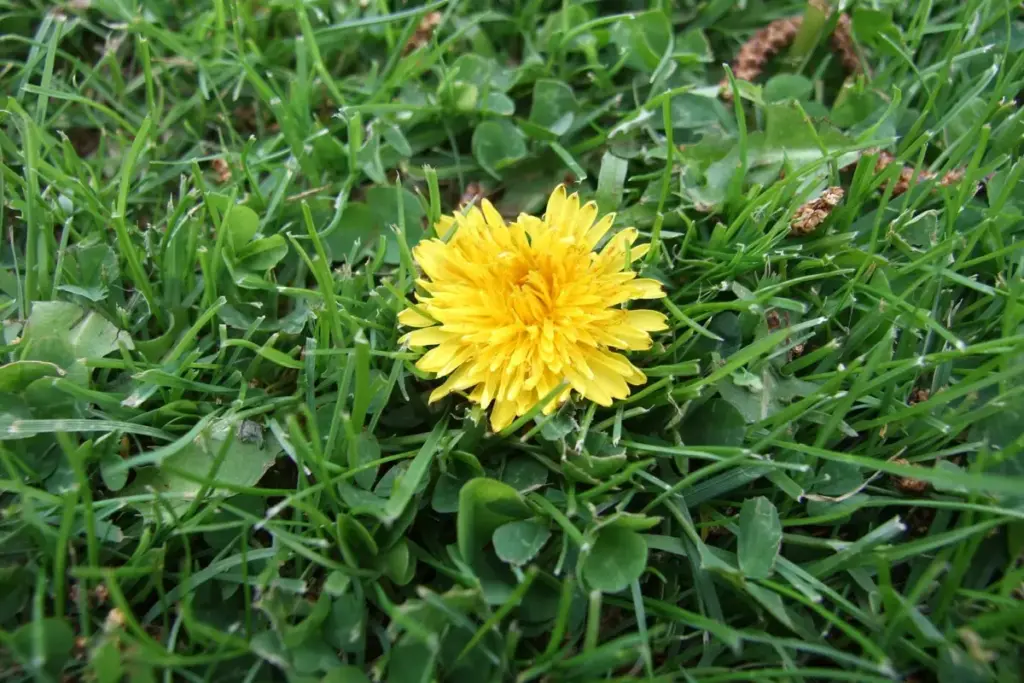
1: Dandelion (Taraxacum officinale agg.)
Taking the crown as the ultimate underrated plant is the ubiquitous dandelion—a genus comprising over 250 distinct microspecies.

- Type: Herbaceous perennial
- Planting Conditions: Full sun to partial shade, completely agnostic to soil type
- Ecological Impact: Unquestionably one of the most critical early-spring food sources for emerging bees, butterflies, and other beneficial insects when little else is in bloom.
- Garden Utility: While traditional suburban horticulture has waged a decades-long chemical war against the dandelion, modern ecological designers view it as an invaluable bio-accumulator. Its deep taproot breaks up compacted subsoils, bringing up vital minerals to the surface. Moreover, its cheerful yellow heads and spherical seedhead "clocks" offer immense visual and nostalgic value.
“Dandelions. I love them! They are bright, beautiful, and save our local pollinators when they are starving.” — Community Contributor
Official Statements & Expert Perspectives
Horticultural scientists and landscape architects have increasingly validated the shift toward these resilient, native, and self-reliant plant groups. Dr. Aris Thorne, a leading urban ecologist specializing in domestic biodiversity, noted during a recent symposium:
"For too long, residential horticulture has chased an impossible standard of sterile perfection—one that relies heavily on chemical inputs, intensive watering, and fragile exotic species. The plants highlighted in this community survey—dandelions, erigeron, common daisies—represent a return to ecological intelligence. They are biological shock absorbers. They handle climatic extremes, support critical pollinator networks, and require zero chemical support to thrive."
Furthermore, prominent garden designers point out that the aesthetic appreciation of these plants reflects a broader cultural maturation. Consumers are no longer looking for static, painted-backdrop gardens; they want living, breathing landscapes that change dynamically and support local wildlife.
Future Outlook: The Shift Toward Low-Intervention Horticulture
As climate change accelerates, bringing erratic rainfall patterns, prolonged summer heatwaves, and unprecedented pressure on municipal water supplies, traditional gardening paradigms are facing obsolescence. The plants celebrated in the July 2026 Gardeners’ World consultation offer a clear roadmap for the future of sustainable landscape design.
Climate Resilience and Water Conservation
Plants like Erigeron karvinskianus and Saxifraga × urbium demonstrate that beauty does not require constant irrigation. By integrating drought-tolerant perennials and embracing naturally occurring lawn flora, homeowners can slash their domestic water consumption while maintaining vibrant, pollinator-friendly ecosystems.

The Rise of Rewilding at Micro-Scale
The enthusiastic embrace of dandelions and common daisies signals a profound psychological shift. Micro-rewilding—the practice of allowing uninvited wild flora to coexist within structured garden layouts—is moving from fringe conservation circles into mainstream suburban backyards.
In the coming decade, we can expect to see urban and suburban design pivot away from monoculture lawns and chemical eradication toward "tapestry lawns" and resilient polyculture borders. By celebrating the unsung heroes of the plant kingdom, modern gardeners are proving that the most sustainable, beautiful landscapes are often those that work with nature rather than fighting against it.