

Executive Overview
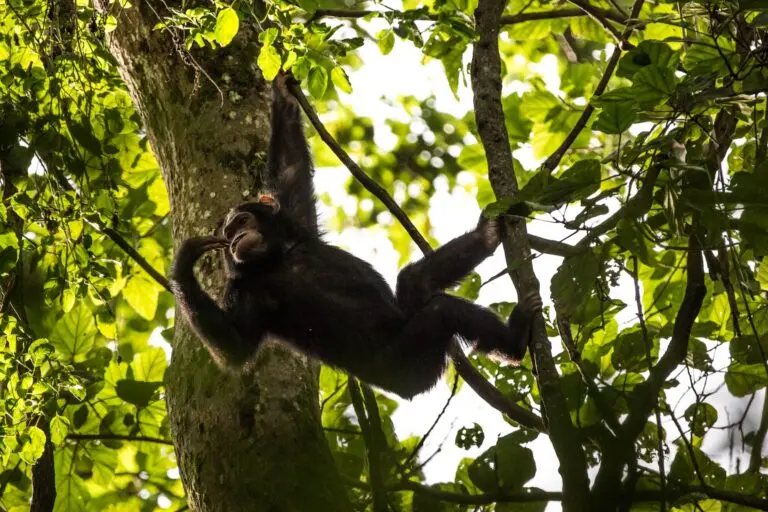
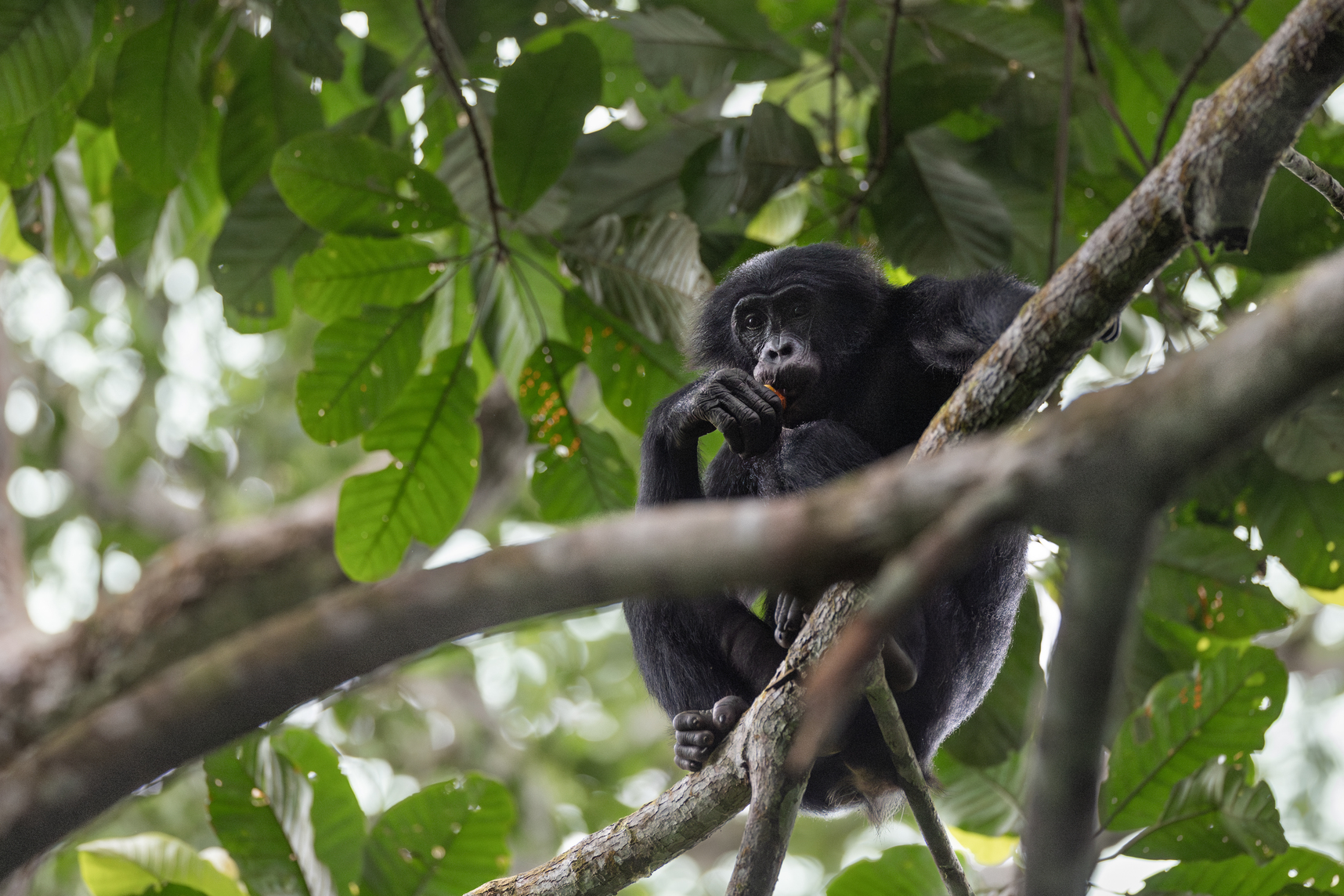
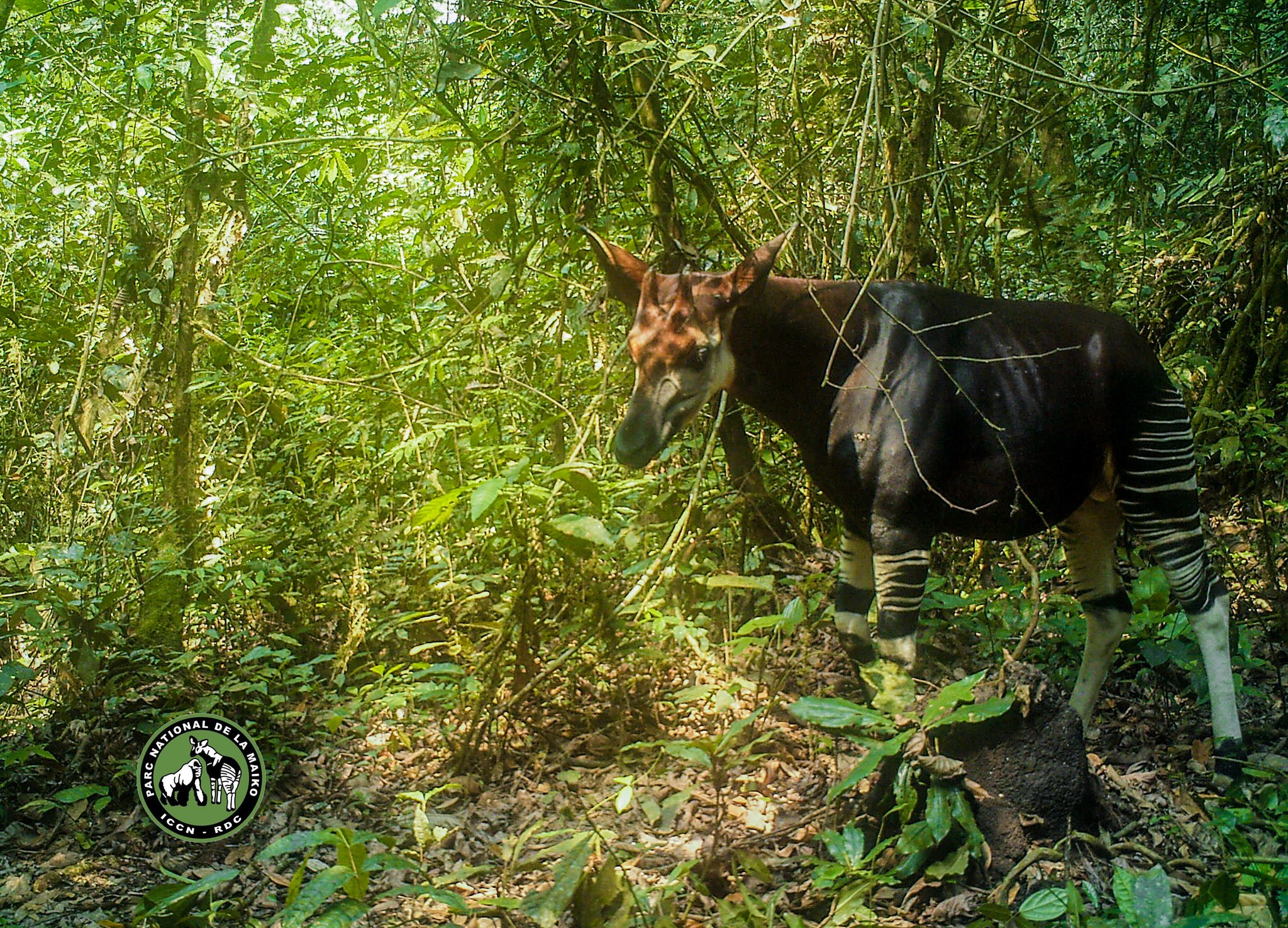
Deep within the lush, hyper-diverse forests of the Congo Basin in the eastern Democratic Republic of Congo (DRC), an existential struggle is unfolding between modern conservation frameworks and the ancestral inhabitants of the land. Sprawling across millions of hectares, iconic protected environments—namely the Maiko, Salonga, Kahuzi-Biega, and Virunga National Parks—harbor endangered species ranging from mountain gorillas and okapis to endemic primates and forest elephants. Yet, the creation of these ecological sanctuaries during the 20th century came at a severe human cost: the systemic expulsion and marginalization of Indigenous populations, particularly the Twa (Batwa) and Tembo (Batembo) peoples, who had sustainably managed these ecosystems for millennia.
Today, as international policymakers grapple with ambitious commitments like the November 2025 Bélem Call to Action—which aims to halt and reverse global deforestation and forest degradation by 2030—the question of how to engage these Indigenous and local communities has taken center stage. Through extensive field testimonies gathered by Mongabay across forests and villages bordering these four premier parks, 14 Indigenous people and seven local community members shared their perspectives. Their insights reveal a complex mosaic of demands: while a significant majority of displaced Indigenous people express a profound desire to return to their ancestral domains to escape systemic poverty and honor their cultural identities, others advocate for remaining outside the park boundaries while demanding robust economic support, land tenure security, and equitable partnerships. This article explores the competing paradigms, ongoing initiatives, and critical policy shifts necessary to harmonize biodiversity preservation with human rights in the heart of Africa.

Detailed Chronology and Historical Context
To understand the current tension between conservation authorities and displaced communities in eastern DRC, one must examine the historical trajectory of land expropriation and human rights violations that began under Belgian colonial rule and persisted post-independence.
- Pre-Colonial Era to Mid-20th Century: For generations, Indigenous Twa and Tembo communities inhabited, managed, and shaped the primary forests of what are now national parks. Their traditional ecological knowledge systems ensured that resource extraction remained sustainable, driven by the understanding that human survival was inextricably linked to forest health.
- The Colonial and Post-Colonial Establishment of Parks: As European conservation models favoring "fortress conservation"—the displacement of human populations to create uninhabited wilderness areas—were imported into Central Africa, the Congolese government and colonial administrators forcefully evicted Indigenous groups. Communities were stripped of their ancestral territories without free, prior, and informed consent (FPIC) or adequate compensation.
- 2019 Landmark Roadmap Agreement: Following decades of grassroots activism and advocacy, a pivotal step occurred when the Congolese Institute for Nature Conservation (ICCN), regional authorities, and Indigenous representatives signed a roadmap agreement in 2019. This agreement outlined commitments to find alternative lands, improve living conditions, and ease community pressures surrounding Kahuzi-Biega National Park.
- 2022 ACHPR Recommendations: The African Commission on Human and Peoples’ Rights (ACHPR) formally acknowledged widespread human rights abuses against the Twa. It issued 19 binding-adjacent recommendations to the Congolese government, prominently calling for the return of Indigenous peoples to the Kahuzi-Biega Park area alongside the formal recognition of their collective land rights.
- November 2025 Bélem Call to Action: International policymakers converged to finalize strategies to halt and reverse deforestation across the Congo Basin by 2030, intensifying local debates over whether inclusive conservation or exclusionary preservation models should dominate.
- 2025–2026 Ground Realities and Institutional Shifts: Amid ongoing armed conflicts, such as M23 offensives and persistent rebel activity, park management boards like those of Kahuzi-Biega began reserving official seats for Indigenous and local community representatives. Concurrently, community forestry initiatives expanded, with dozens of Local Community Forest Concessions (CFCLs) allocated across provinces like Tshopo to bridge the gap between community livelihoods and environmental protection.
Supporting Context & Metrics
The socioeconomic reality facing the descendants of displaced forest dwellers is stark. Stripped of their traditional hunting and gathering grounds, many live in extreme poverty, exacerbated by pervasive regional insecurity, armed conflict, and historical discrimination.

Drivers of Community Demands
- Food Insecurity and Natural Disasters: Cataclysmic events, such as the 2021 eruption of Mount Nyiragongo, which scorched agricultural fields near Virunga National Park, triggered desperate migrations back into protected zones as communities faced starvation.
- The Lure of Illegal Livelihoods: Lacking alternative economic opportunities, many young university graduates and impoverished villagers find themselves vulnerable to external political actors and commercial interests. This vulnerability drives participation in unsustainable and illegal activities—such as charcoal production, artisanal mining, and illegal logging of precious hardwoods like redwood.
- Demographic Scale: Managing human-park interactions is a staggering logistical challenge. According to Luis Arranz, manager and co-director of Salonga National Park, the population inhabiting the periphery of Salonga alone is estimated at approximately 800,000 people, making continuous, meaningful dialogue an immense operational hurdle. Conversely, Terence Fuh, co-director of Salonga, notes that over 80% of the park’s 300+ staff members are recruited from communities residing within a 20-kilometer radius of the protected area.
Official Statements and Divergent Perspectives
The debate surrounding the future of Congo Basin conservation is deeply polarized, split between those advocating for repatriation to ancestral homelands and those prioritizing integration into peripheral economies through sustainable development.
Proponents of the Return to Ancestral Lands
For many Twa and Tembo communities, the forest is not merely a resource; it is a sacred archive of collective identity, dignity, and heritage.
"We lived in harmony with the forest," reflects Julien Basimika, a young Mutwa man. "We protected everything that needed protecting, because our lives depended on it. If we had started destroying the forest, we would have suffered the consequences."
Despite expressing a desire to return, opinions diverge on who should manage the security and conservation aspects upon repatriation. While some Indigenous leaders argue that their ancestral management practices are superior to modern, militarized conservation, others acknowledge the destabilizing impact of armed groups.
"Let the Congolese Institute for Nature Conservation continue to handle conservation, because it has weapons to drive out the rebels," notes an anonymous young Twa man from Kalehe, highlighting the pragmatic need for state security in conflict zones.
Advocates for Community Support Outside Park Boundaries
Conversely, other community members and scholars emphasize that remaining outside the park can benefit long-term ecological preservation, provided that socioeconomic support mechanisms are genuinely implemented.

"I think the fact that we’re outside the park is beneficial for conservation," asserts Paul Bandenge, a young Twa scholarship recipient from Kahuzi-Biega. However, he warns that widespread youth unemployment and systemic poverty leave community members susceptible to exploitation by external political and economic actors peddling illegal resource extraction.
Legal and civil society experts caution against poorly designed community engagement strategies that inadvertently stoke internal community divisions. Gentil Akilimali, executive secretary of the Center of Hope for Human Rights (CEDH) in Bukavu, points out that selective recruitment of community members as park rangers can create intra-community friction:

"The fact that the park divides Indigenous peoples by recruiting certain individuals to serve as rangers causes internal tensions. These tensions hinder community development and the conservation of Kahuzi-Biega National Park."
Future Outlook: Innovative Pathways Forward
As conservationists, human rights advocates, and government bodies search for durable solutions, several innovative frameworks are emerging to reconcile biodiversity protection with human rights:
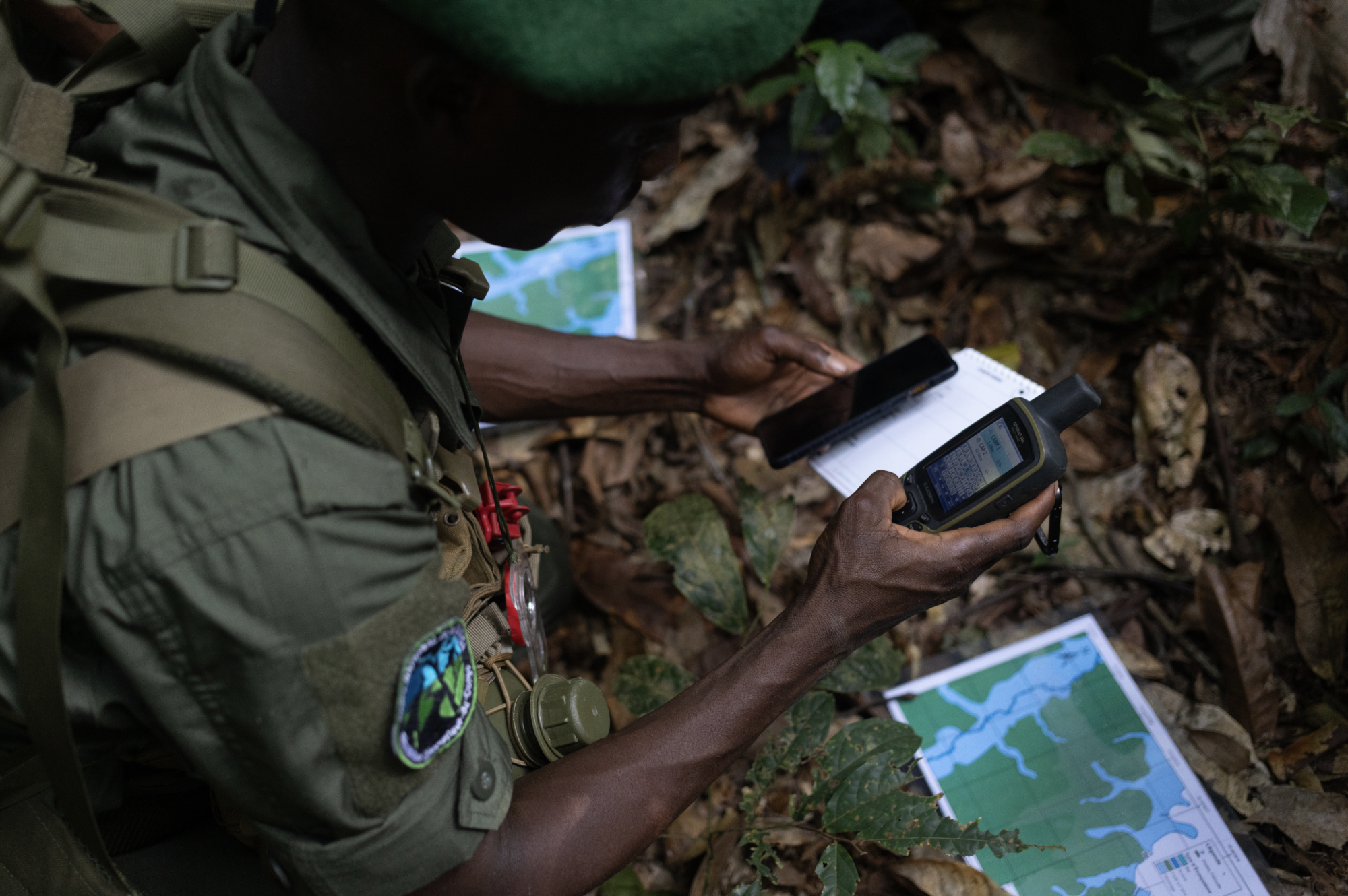
- Local Community Forest Concessions (CFCLs): Organizations such as Strong Roots Congo and the Wildlife Conservation Society (WCS) are championing the creation of vast biodiversity corridors. Notably, a massive one-million-hectare corridor is currently being forged between Kahuzi-Biega National Park and the Itombwe Nature Reserve through interconnected CFCLs. These legal instruments grant communities formal land rights while empowering them as active custodians of forest health.
- Inclusive Governance Structures: Progress is visible in institutional reform. Following years of sustained negotiation, Kahuzi-Biega National Park’s governance board has officially integrated dedicated seats for Indigenous representatives—such as Donatien Munyali Kachibaasa—and traditional local authorities like Mwami Alexandre Kabare Rugemaninzi III N’nabushi XXX, ensuring direct input into park management policies.
- Sustainable Development and Economic Integration: Programs like the Virunga Alliance, spearheaded by Virunga National Park director Emmanuel de Merode, demonstrate that conservation must be paired with tangible investments in clean energy, sustainable agriculture, and ecotourism to lift neighboring populations out of poverty and eliminate the root causes of anti-conservation sentiment.
- Scientific Collaboration and Habitation Programs: In Salonga National Park, multi-year bonobo habituation projects—such as those detailed by WWF research assistant Félix Isefali Bofeko—rely entirely on local workforce participation, proving that scientific research and ecotourism can provide viable economic alternatives to illegal exploitation.
Ultimately, the future of the Congo Basin’s majestic forests depends on whether national authorities and international donors can transition from exclusion-based conservation models to genuinely inclusive partnerships that honor the land rights, dignity, and aspirations of Indigenous peoples.



