Executive Overview
As the global community races against the compounding threats of a warming planet, shifting biodiversity loss, and deepening socio-economic vulnerabilities, the architecture of carbon mitigation must evolve beyond simple emissions balancing. On December 17, 2025, Sustainable Travel International officially released its fourth and final Climate Impact Portfolio for the year 2025. This multi-faceted portfolio aggregates investments across seven rigorously vetted carbon offset initiatives spanning four distinct environmental sectors: forestry, clean energy, innovative climate technology, and blue/teal carbon ecosystems.
Far from being a conventional offsetting ledger, Portfolio 4 of 2025 represents an interconnected approach to planetary healing. It links carbon sequestration and avoidance directly to community empowerment, human rights, gender equality, and biodiversity restoration across diverse geographies—from the mangrove-laced lagoons of Italy and the wind-swept ridges of Morocco to the dense tropical canopies of Cambodia and Indonesia, the savannahs of Tanzania, the rural households of India, and the sargassum-choked coastlines of Mexico.

By distributing capital across these seven high-impact projects, Sustainable Travel International aims to accelerate the global net-zero transition while simultaneously addressing the socio-economic drivers of environmental degradation. This report provides a comprehensive examination of the portfolio’s framework, an in-depth look at each constituent project, the quantitative metrics driving its success, field updates from recent site visits, and an outlook on the future of community-centered carbon finance.
Detailed Chronology: The Evolution of Portfolio 4 of 2025
The rollout of Sustainable Travel International’s fourth portfolio on December 17, 2025, marks the culmination of a year-long strategy to refine how carbon offset investments are selected, monitored, and scaled. Throughout 2025, the organization systematically evaluated hundreds of global initiatives, applying stringent criteria that prioritize additionality, permanence, rigorous verification, and tangible co-benefits for local populations.
The Multi-Sector Allocation Framework
Carbon Dioxide Equivalent ($textCO_2texte$) reductions and removals within Portfolio 4 are intentionally diversified to guard against the systemic risks associated with single-sector portfolios (such as the vulnerability of forestry projects to wildfires or pest outbreaks). The allocation model for this release is divided among four core pillars:
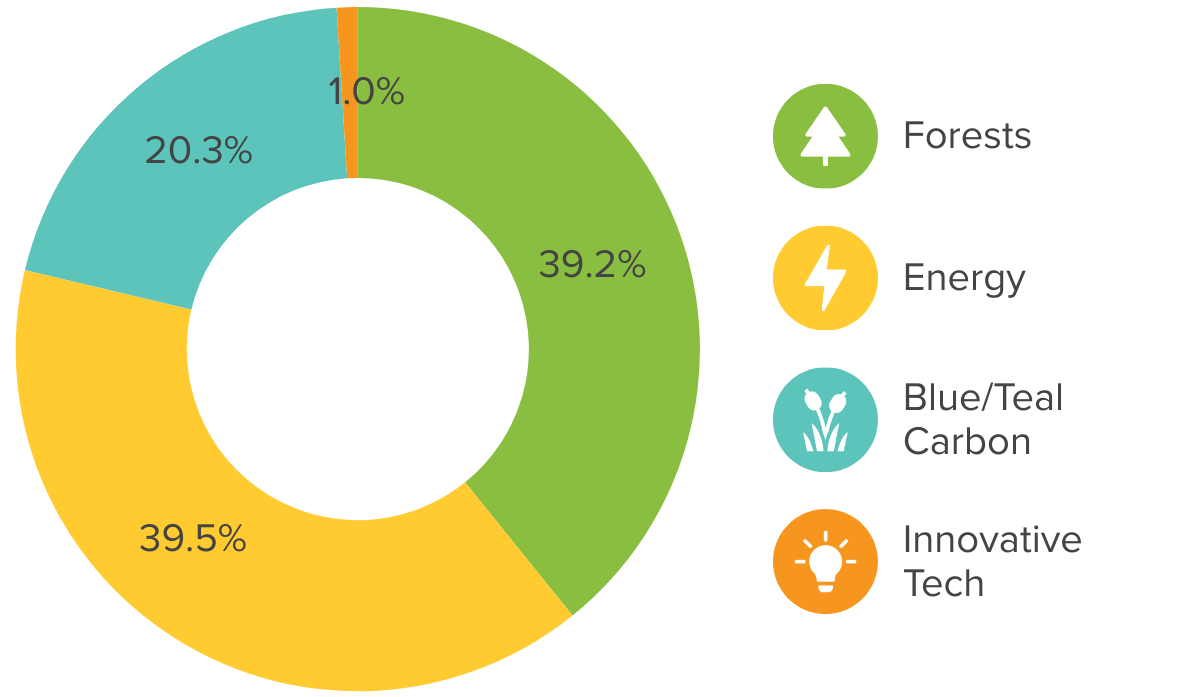
- Forestry Projects: Serving as the largest structural block of the portfolio, these initiatives protect old-growth and secondary forests from conversion, illegal logging, and agricultural encroachment.
- Energy Projects: Comprising utility-scale renewable generation and decentralized clean-cooking solutions, these projects displace fossil fuel dependence and eliminate toxic indoor air pollution.
- Blue/Teal Carbon Ecosystems: Focusing on coastal wetlands, seagrasses, and peat swamps, these projects protect and restore marine and freshwater interfaces that sequester carbon at rates exponentially higher than terrestrial forests.
- Innovative Climate Technology: Representing cutting-edge approaches to waste valorization and carbon transformation, these projects tackle emerging environmental crises, such as pelagic seaweed inundation.
By weaving these methodologies together, Portfolio 4 ensures that every credit purchased by travelers, corporations, and organizations generates a synchronized cascade of ecological and human benefits.
Supporting Context & Metrics: Impact in Numbers
Quantifying the success of a carbon portfolio requires looking beyond metric tons of $textCO_2texte$ mitigated to evaluate the physical footprints altered, the lives touched, and the ecosystems preserved. Collectively, the seven projects housed within Portfolio 4 are driving the net-zero transition through sweeping physical and social transformations:
- Preventing Forest Loss: The portfolio’s forestry initiatives are actively shielding 1,060,000 acres of carbon-rich, biodiverse forests from commercial conversion and unsustainable exploitation.
- Expanding Clean Energy Access: Utility-scale and localized interventions are generating 296 Gigawatt-hours (GWh) of clean energy annually, while simultaneously replacing 20,000 inefficient, polluting cookstoves with modern, clean-burning alternatives.
- Tackling Innovative Waste: Through cutting-edge recovery technologies, up to 1,440 cubic meters ($textm^3$) of sargassum seaweed and green waste are diverted from landfills every single week.
- Restoring Coastal and Aquatic Sinks: The portfolio’s blue and teal carbon initiatives are safeguarding, restoring, and actively managing 91,317 acres of high-capacity coastal and wetland ecosystems.
Deep Dive: Exploring the Seven Projects of Portfolio 4
Each of the seven projects selected for Portfolio 4 addresses a hyper-local environmental challenge while contributing to global climate stabilization. Below is an exhaustive breakdown of these initiatives, their mechanics, and their latest operational milestones.

1. Sargassum Recovery for Clean Coasts (Mexico)
- Portfolio Allocation: 1.0%
- Project Type: Innovative Climate Technology
- Location: Riviera Maya, Mexico
The Challenge and the Solution
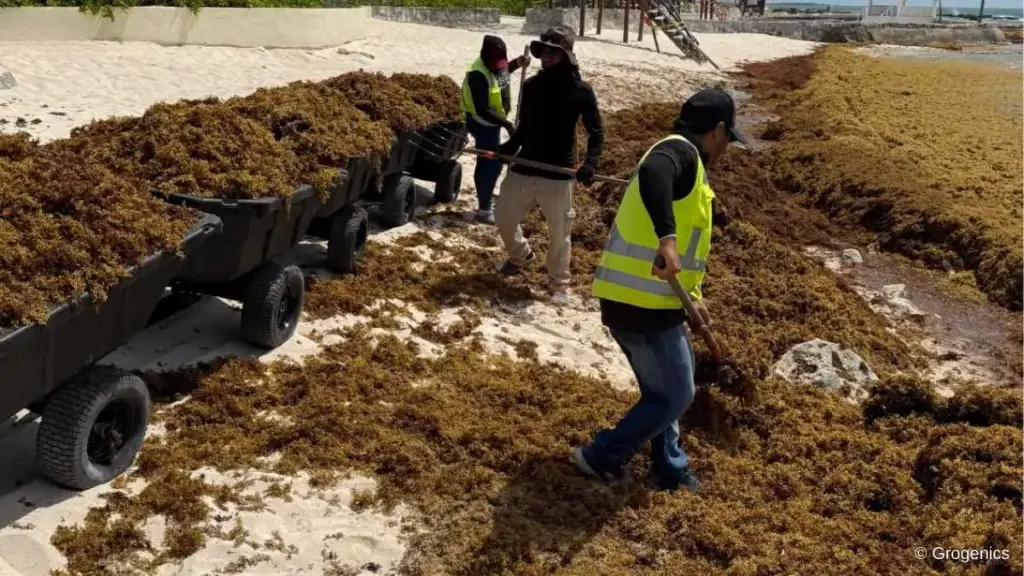
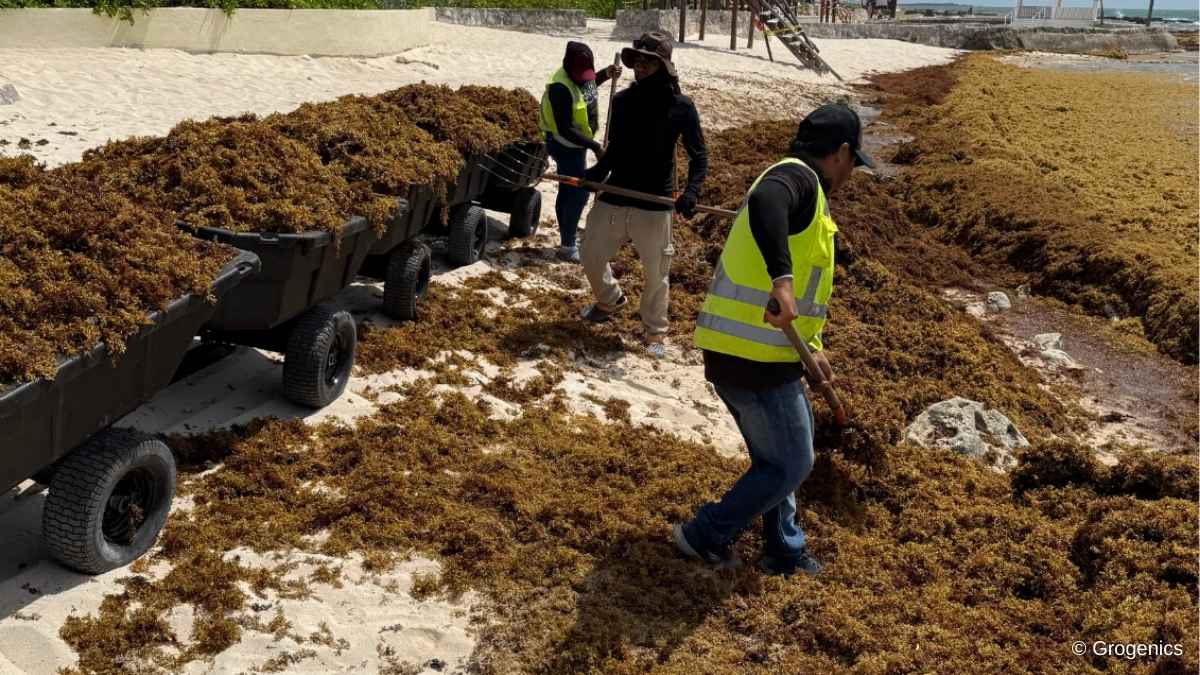
The Mexican Caribbean coast has faced ecological and economic strain in recent years due to massive, unprecedented inflows of pelagic sargassum seaweed. Driven by warming ocean temperatures and agricultural runoff, these rotting mats wash ashore in thick blankets, suffocating coral reefs, entangling nesting sea turtles, emitting toxic hydrogen sulfide gas as they decompose, and devastating the region’s tourism-reliant economy.
The Sargassum Recovery project employs low-impact, manual and mechanical collection methods to remove seaweed from resort shorelines and sensitive marine zones before it decays. Crucially, this is not merely a waste disposal effort; it is a circular economy model. The collected sargassum is upcycled into valuable commodities, including biochar, high-grade agricultural compost, and shoreline protection materials. Furthermore, the initiative generates local employment and supplies women-led agricultural cooperatives with organic soil amendments, producing sustainably grown ingredients that are subsequently purchased by local hotel menus.
2. Valle Paleazza (Italy)
- Portfolio Allocation: 5.6%
- Project Type: Blue/Teal Carbon
- Location: Venice Lagoon, Italy
The Challenge and the Solution
Nestled within the fragile expanse of the Venice Lagoon, the historic fishing valleys of Valle Paleazza are facing severe ecological degradation from rising sea levels, erosion, and changing hydrological regimes. Historically managed for traditional aquaculture, these brackish wetlands possess an extraordinary capacity to trap and store carbon in their submerged soils—a phenomenon known as blue carbon.

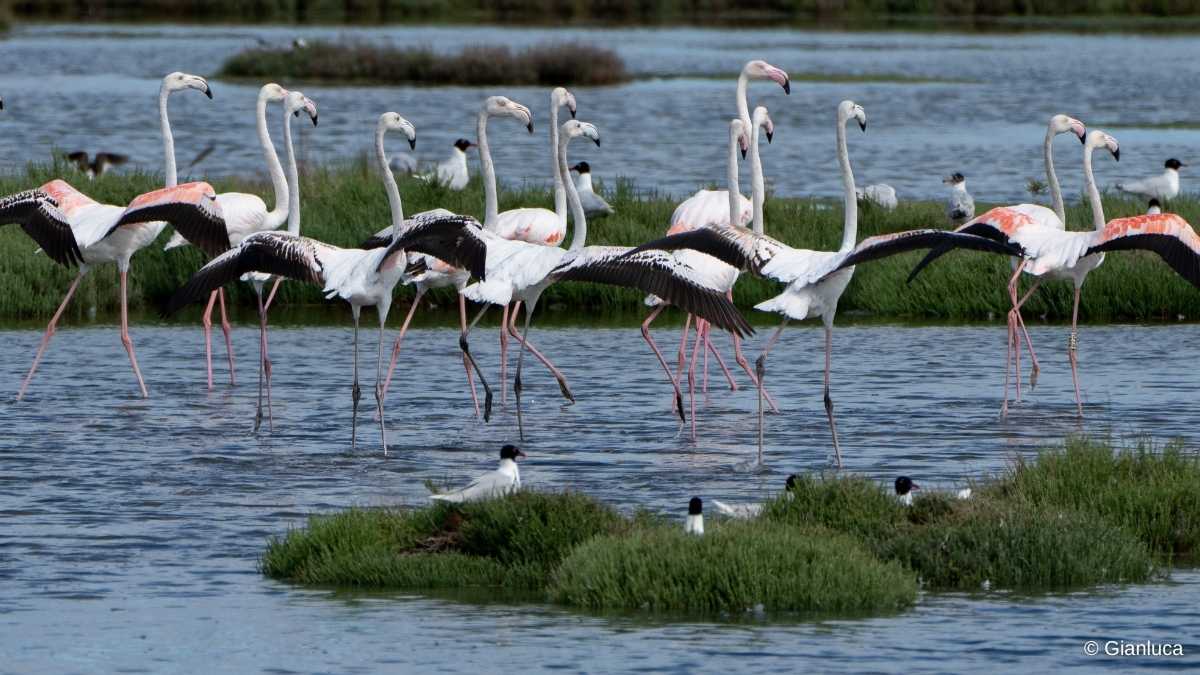
The restoration project revives centuries-old water management practices, re-establishing natural tidal flows and reinforcing earthen dikes. These interventions sequester atmospheric carbon while simultaneously recreating vital nurseries for native fish species and nesting grounds for migratory birds, including iconic flocks of flamingos. The project preserves traditional aquaculture livelihoods, fosters nature-based tourism, and acts as a natural buffer against storm surges and coastal flooding, protecting low-lying human settlements.
Field Dispatch: Hands-On Conservation
Sustainable Travel International CEO Paloma Zapata recently visited Valle Paleazza to inspect the restoration work firsthand. Accompanied by site custodian Antonio Capadaglio, Zapata and the team worked alongside local stewards to plant native vegetation along vulnerable canal edges. These plantings play a dual role: stabilizing shorelines against erosion and regulating water temperatures to protect delicate aquatic life. This visit underscored the indispensable role of carbon finance in empowering local guardians to safeguard European wetland heritage.
3. Keo Seima Wildlife Sanctuary (Cambodia)
- Portfolio Allocation: 34.7%
- Project Type: Forests
- Location: Mondulkiri Province, Cambodia
The Challenge and the Solution
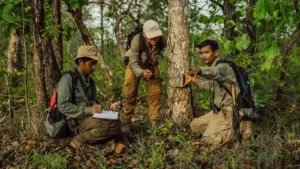
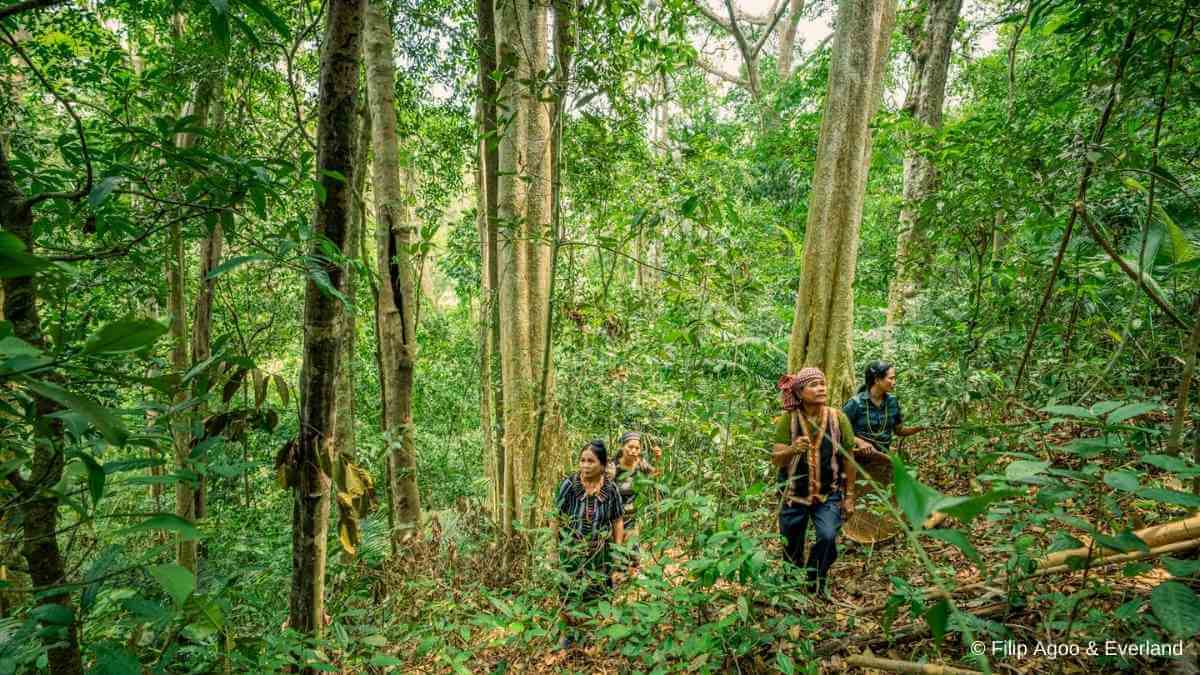
Covering a vast expanse of tropical forest, the Keo Seima Wildlife Sanctuary is of paramount ecological and cultural importance. It serves as the ancestral homeland of the Indigenous Bunong people and provides a critical refuge for dozens of globally endangered species, including the yellow-cheeked gibbon, the Asian elephant, and the critically endangered Giant Ibis. Historically, rural poverty, food insecurity, and illegal logging pressures threatened to convert these dense canopies into agricultural plots.
The Keo Seima project leverages carbon finance to partner directly with local communities, neutralizing the economic drivers of deforestation through sustainable livelihood development, land-titling support, and participatory conservation.
Recent Milestones and Holistic Community Impact
Recent updates from Keo Seima demonstrate the profound, multi-dimensional impact of carbon revenues:
- Education and Empowerment: Through the EmpowerED initiative, ten Indigenous Bunong community members were awarded full university scholarships. Simultaneously, extensive community consultations across 20 villages established priorities for the next phase of the Cash for Communities (C4C) program.
- Infrastructure and Development: Backed by carbon funding, the C4C program has successfully channeled nearly $2 million into essential local infrastructure, including schools, clean water systems, and healthcare facilities, with an additional $1 million formally committed for the 2026 fiscal cycle.
- Biodiversity Triumphs: Ecological monitoring confirmed the successful fledging of three critically endangered Giant Ibis chicks—a major victory for avian conservation—alongside the rescue and rehabilitation of a rare stump-tailed macaque.
- Rights-Based Enforcement: Conservation efforts are reinforced by community-led nest protection schemes and specialized human rights training for park rangers. This rights-based law enforcement model ensures that biodiversity protection goes hand-in-hand with upholding the dignity and land rights of Indigenous stewards.
4. Garo Clean Cookstoves (India)
- Portfolio Allocation: 5.7%
- Project Type: Energy
- Location: Garo Hills, Meghalaya, India
The Challenge and the Solution
The Garo Hills region in northeastern India boasts breathtaking biodiversity, dense forests, and a rich cultural fabric. However, rural households have traditionally relied on open-fire, wood-fueled cookstoves for daily meal preparation. This practice generates dense indoor air pollution—predominantly affecting women and children—leading to chronic respiratory and cardiovascular illnesses. Furthermore, the relentless gathering of firewood drives local forest degradation and locks families into cyclical poverty due to the immense time burden placed on women.
The Garo Clean Cookstoves project addresses these intersecting crises by distributing modern, highly efficient cookstoves that drastically reduce firewood consumption, slash toxic emissions, and cut cooking times in half.
Gender Empowerment and Renewable Technology
Recent project updates highlight a powerful convergence between clean energy transition and gender equity. A targeted technical training program recently certified 25 women as solar technicians, providing hands-on instruction in solar system assembly, maintenance, and career counseling. These women are emerging as green economy leaders within their communities.
Concurrently, carbon offset revenues are fueling the deployment of solar-powered electrical pressure cookers (EPCs). By transitioning households away from biomass combustion toward clean, solar-driven cooking solutions, the project is dramatically improving indoor air quality, eliminating hours of daily fuel collection labor, and cementing women’s roles as central agents of regional net-zero progress.
5. Khalladi Wind Farm (Morocco)
- Portfolio Allocation: 33.8%
- Project Type: Energy
- Location: Northern Morocco (Tangier-Tetouan-Al Hoceima Region)
The Challenge and the Solution
Situated in the rugged, wind-swept hills of northern Morocco—close to historic coastal towns, the UNESCO World Heritage medina of Tetouan, and the iconic "Blue City" of Chefchaouen—the Khalladi Wind Farm represents a cornerstone of North Africa’s renewable energy transition. Historically dependent on imported fossil fuels to meet rapidly rising national electricity demands, Morocco faced high carbon intensity and energy vulnerability.
The Khalladi Wind Farm harnesses the region’s powerful coastal winds to generate utility-scale, zero-emission electricity, feeding clean power directly into the national grid and displacing thousands of tons of $textCO_2$ emissions that would otherwise be generated by coal and gas plants. Beyond its atmospheric impact, the project bridges the rural-urban divide by financing local community development initiatives, including educational grants, healthcare upgrades, and rural road infrastructure improvements.
6. Yaeda-Eyasi Landscape (Tanzania)
- Portfolio Allocation: 4.5%
- Project Type: Forests
- Location: Rift Valley, Tanzania
The Challenge and the Solution
The dryland acacia-commiphora forests of the Yaeda Valley in northern Tanzania are the ancestral home of the Hadza hunter-gatherers and the Datooga pastoralists. For generations, these Indigenous communities have lived in harmony with their environment. However, intense agricultural expansion and land-grabbing by external agro-pastoralists threatened to clear the forests, disrupt wildlife migratory corridors, and displace Indigenous populations.
The Yaeda-Eyasi Landscape project secures legal land tenure for local communities and establishes a decentralized payments-for-ecosystem-services model. By keeping the forest standing, the project generates verified carbon credits while preserving the traditional hunter-gatherer lifestyle of the Hadza and the pastoralist heritage of the Datooga.
Community Microfinance and Global Advocacy
Recent project updates showcase the profound efficacy of Indigenous-led conservation:
- Microfinance and Enterprise: Carbon revenue is being directly reinvested into community-managed microfinance schemes and business management training for women entrepreneurs. Additionally, the project established the Hadza Media Center, empowering community members to digitally document, archive, and celebrate their oral traditions and ecological knowledge.
- Global Visibility: The project’s success took center stage at the United Nations Climate Change Conference (COP). German Sedoyeka, a project manager and leader within the Datooga community, addressed international delegates, emphasizing that durable climate action is impossible without placing land rights and Indigenous self-determination at the heart of carbon markets.
7. Rimba Raya Biodiversity Reserve (Indonesia)
- Portfolio Allocation: 14.7%
- Project Type: Blue/Teal Carbon / Forestry
- Location: Indonesian Borneo (Kalimantan)
The Challenge and the Solution
The Rimba Raya Biodiversity Reserve protects a massive, carbon-dense tropical peat swamp forest in Indonesian Borneo. Prior to its establishment as a conservation reserve, this critical tract of land was slated for total conversion into industrial palm oil plantations. Peat swamp forests are among the most carbon-dense ecosystems on Earth; when drained and cleared, they release staggering quantities of ancient peat-stored carbon into the atmosphere.

Rimba Raya acts as a physical barrier protecting the Tanjung Puting National Park, creating a buffer zone that shields endangered wildlife—most notably the Bornean orangutan—from poachers and habitat fragmentation. The project integrates carbon conservation with comprehensive community development, addressing local poverty, food insecurity, and waterborne disease. By establishing schools, mobile health clinics, and sustainable agroforestry training, Rimba Raya tackles the root socio-economic drivers of deforestation.
Official Statements and Industry Perspective
The release of Portfolio 4 of 2025 underscores Sustainable Travel International’s unwavering commitment to high-integrity carbon accounting and transparent climate governance. In an era where carbon markets have faced rigorous public scrutiny regarding additionality and permanence, the organization’s methodology relies on independent, third-party verification standards (such as Verra’s VCS and CCB standards) combined with continuous, on-the-ground monitoring.
Commenting on the philosophy behind the portfolio’ institutional design, leadership at Sustainable Travel International emphasized that carbon offsetting must never be viewed as a license to pollute, but rather as an indispensable financing mechanism for restoration. When corporations and individual travelers offset their unavoidable emissions through these portfolios, they are directly subsidizing the stewardship of ecosystems and communities that would otherwise fall victim to extractive development pressures.
Future Outlook: The Road Ahead for Climate Portfolios
As the global community moves past 2025, the trajectory of voluntary and compliance carbon markets points decisively toward increased integration of co-benefits, technological innovation, and localized governance. Sustainable Travel International’s quarterly portfolio model serves as a blueprint for how climate finance can adapt dynamically to emerging environmental challenges—ranging from pelagic sargassum surges in Mexico to coastal erosion in the Venetian Lagoon and indigenous land rights defense in Tanzania and Cambodia.
Looking forward, the success of Portfolio 4 of 2025 signals that the future of carbon markets belongs to projects that treat carbon not merely as a chemical metric, but as an interconnected component of planetary health, social equity, and cultural preservation. By continuing to channel vital resources to the frontline stewards of our forests, wetlands, renewable energy grids, and coastal zones, Sustainable Travel International remains at the forefront of catalyzing actionable, equitable, and permanent climate solutions worldwide.