By Julie Amira Byrnes, Engagement Manager at Greenpeace International
Executive Overview
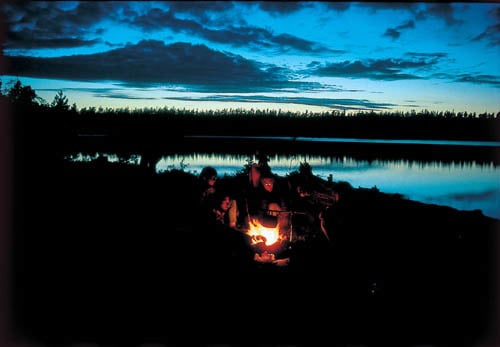
Last week, millions of urban residents woke up to a reality that once belonged exclusively to the realm of dystopian fiction: a hazy, orange sky, an apocalyptic red sun, and the acrid, unmistakable scent of burning wood drifting heavily through metropolitan air. For many, including myself in Montreal, the initial sensory trigger was profoundly personal. Smell remains one of our most potent tethers to memory. Years of camping under the stars, sharing laughter around evening fires, have forever tied the scent of burning wood to warmth, community, and a deep, restorative connection to the natural world.
Yet, as this particular wave of smoke coated our throats and stung our eyes, the emotional response was not nostalgia, but a visceral sinking of the stomach. That burning scent did not emanate from a localized, controlled campfire. It was the physical signature of millions of hectares of boreal forest burning simultaneously across the North American continent.
We are no longer dealing with isolated, seasonal anomalies. We are bearing witness to a profound global ecological shift. The staggering destruction of the 2023–2024 Canadian wildfire seasons—which saw a record-shattering 20.4 million hectares burn down—is part of a relentless, interconnected planetary crisis. From the bushfires of Australia and the scorched landscapes of the Mediterranean to the burning heart of the Amazon, climate-driven fire seasons have fundamentally altered life on Earth.
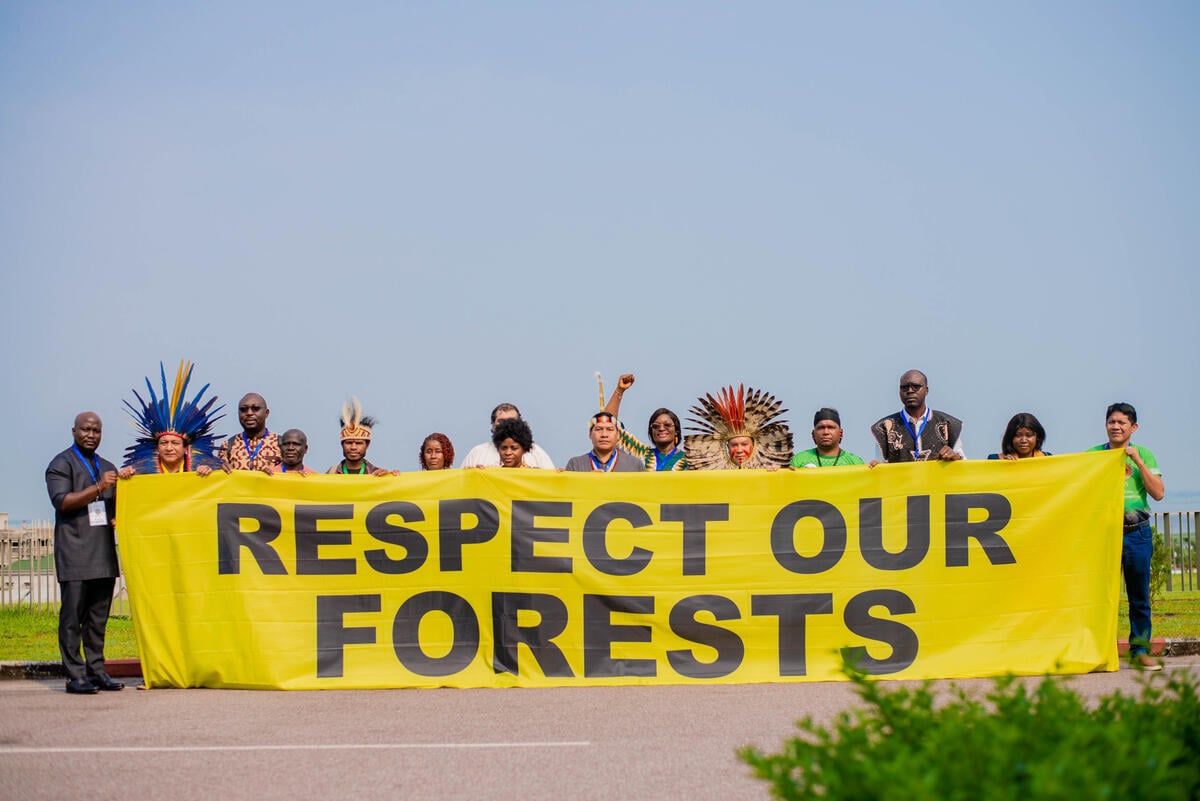
Smoke knows no borders, and neither does ecological collapse. When pollution anywhere accelerates climate disruption everywhere, we can no longer treat environmental degradation as a localized inconvenience. This article explores the anatomy of our current climate crisis, the severe public health repercussions of toxic wildfire haze, the glaring disconnect in political leadership, the vital importance of Indigenous fire stewardship, and the actionable global solutions required to take back our collective future.
Detailed Chronology: Anatomy of a Continental Disruption
To understand how quickly our environmental baseline has shifted, one must examine the progression of recent fire seasons and the atmospheric reach they command.
For decades, forest fires were understood as natural, cyclical events necessary for the regeneration of certain ecosystems. However, anthropogenic climate change has supercharged these cycles, transforming manageable blazes into unstoppable, high-intensity megafires.
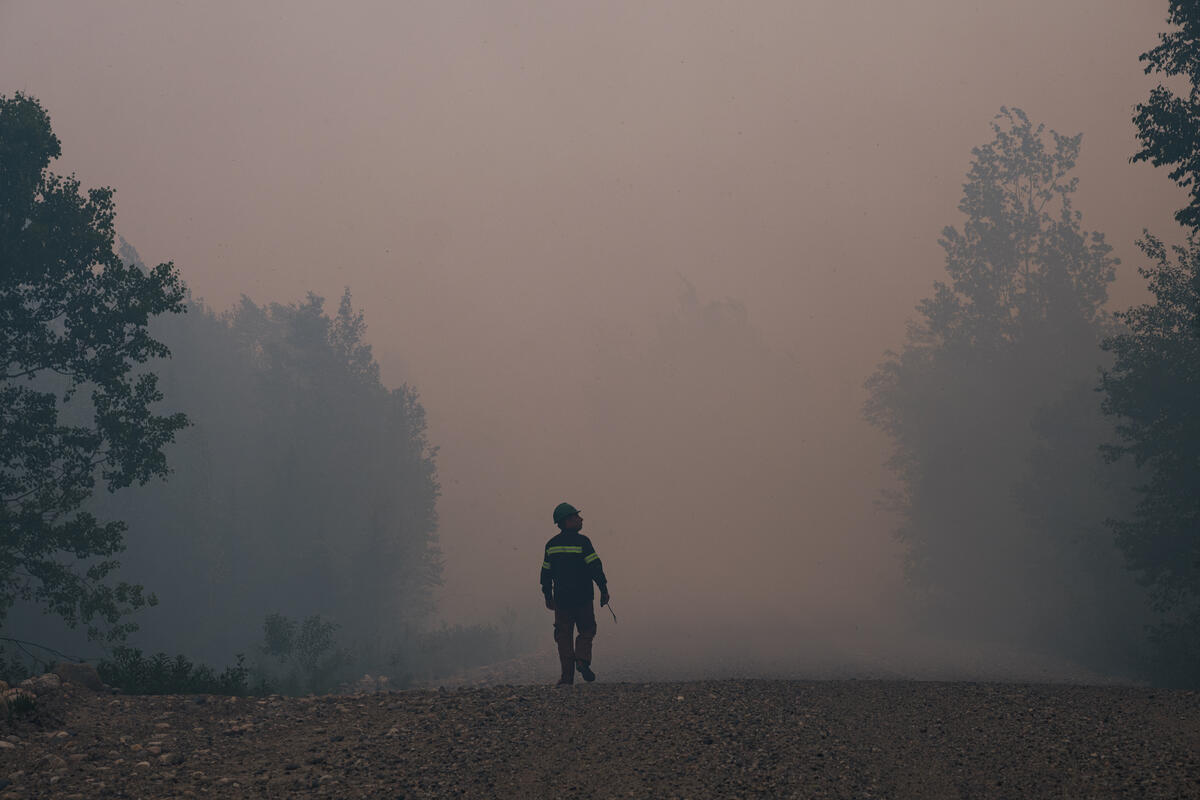
- The 2023–2024 North American Inferno: Canada experienced its most destructive wildfire season in modern history. The sheer volume of carbon released into the atmosphere was staggering, rivaling the total annual emissions of entire industrialized nations. Entire communities, particularly Indigenous populations who have stewarded these lands for generations, were given mere hours to evacuate as firestorms consumed their ancestral homes.
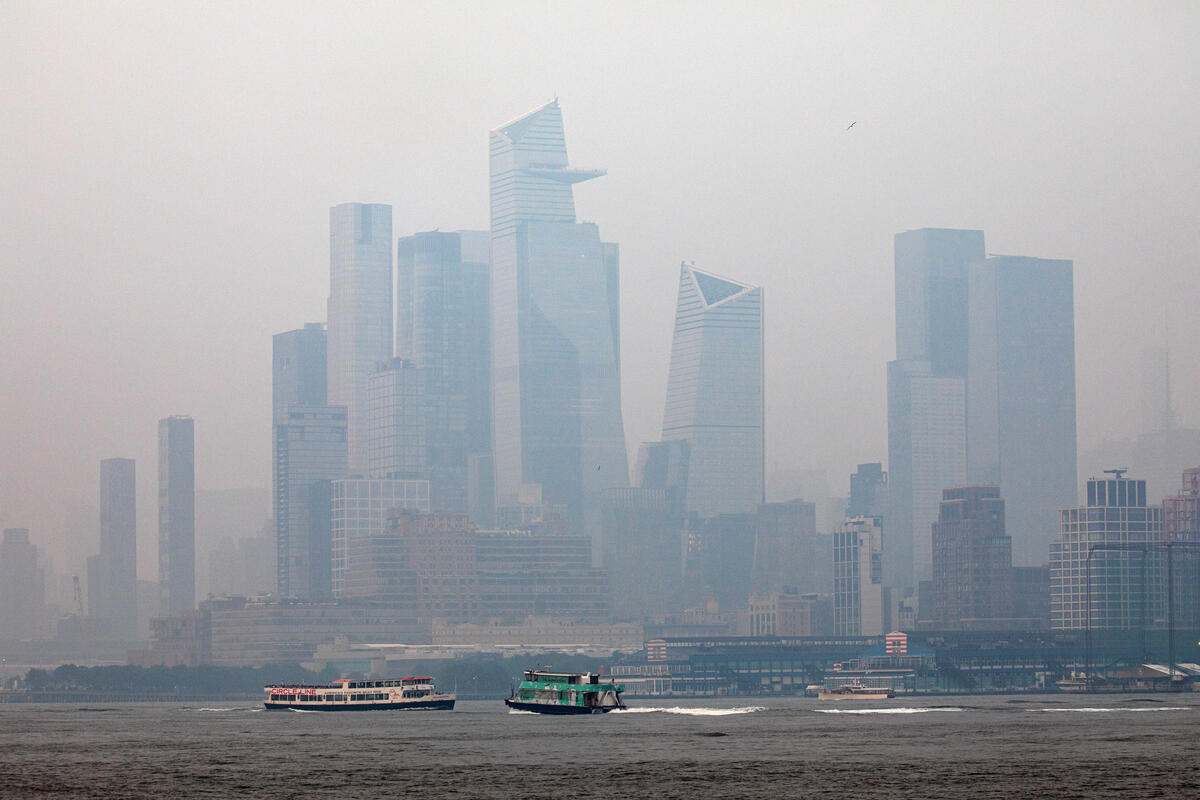
- Transatlantic Haze: Proving that smoke respects no geopolitical boundaries, the plumes from the 2023 Canadian fires did not merely blanket North American cities like New York, Toronto, and Montreal. Jet streams carried the microscopic particulate matter thousands of miles across the Atlantic Ocean, resulting in unprecedented air quality alerts and hazy skies in western Europe.
- The Global Synchronicity: Throughout subsequent seasons, this phenomenon repeated itself on a planetary scale. Record-breaking temperatures in the Mediterranean ignited tinderbox conditions across Greece, Italy, and Spain. Simultaneously, prolonged droughts pushed the Amazon rainforest—traditionally a carbon sink—toward a terrifying tipping point where it began releasing more carbon than it absorbed.
The chronology of these events reveals a terrifying truth: the fire season is no longer a distinct period of the year. It has bled into a continuous, year-round global emergency that strains emergency response systems, displaces thousands, and chokes major population centers.
Supporting Context & Metrics: The Science of Smoke and Emissions
The visual spectacle of an orange sky is terrifying, but the invisible components of wildfire smoke pose an even greater threat. We can no longer afford to view wildfire haze as a temporary meteorological inconvenience.
The Toxic Composition of Haze
When massive swaths of boreal forests, peatlands, and underbrush burn, they release a complex and highly toxic cocktail into the lower atmosphere. The fine particulate matter—specifically PM2.5—carries heavy metals, toxic chemical compounds, and black carbon. Because these particles are microscopic, they bypass the body’s natural upper-respiratory filters, penetrating deep into human lung tissue and entering the bloodstream directly.
Quantifying the Crisis
- 20.4 Million Hectares: The unprecedented area of Canadian forest burned during the 2023–2024 seasons, illustrating an exponential leap in wildfire severity.
- A 50% Global Increase: According to projections by the United Nations Environment Programme (UNEP), extreme wildfires could surge by up to 50% worldwide by the end of the century if global greenhouse gas emissions are not aggressively and immediately curtailed.
- Persistent Health Impacts: Recent research from Harvard T.H. Chan School of Public Health confirms that cardiorespiratory damage from wildfire smoke exposure does not dissipate when the sky clears. Elevated risks for heart disease, stroke, and chronic pulmonary distress persist for months after the active fires have subsided.
[Global Carbon Emissions] ──> [Atmospheric Warming] ──> [Prolonged Droughts]
                                                              │
[Ecosystem Collapse] <── [Intense Megafires] <── [Tinderbox Forests]
These metrics paint a stark picture. As the UN Environment Programme warns, governments are profoundly underprepared for the scale of the fires yet to come.
Official Statements and Political Hypocrisy: The Gap Between Rhetoric and Reality
One of the most infuriating dimensions of the climate crisis is the vast chasm separating political rhetoric from tangible governance.
Around the world, elected officials routinely stand at podiums to express deep concern over worsening air quality, issuing routine health advisories while simultaneously greenlighting the expansion of the very industries driving global warming. This systemic hypocrisy is glaringly evident in public finance. Despite international agreements to phase out fossil fuels, governments continue to funnel staggering amounts of public money into oil, gas, and coal projects.
Subsidizing Destruction
In Canada, for instance, billions of tax dollars are systematically allocated to prop up fossil fuel infrastructure, even as the nation consistently falls short of its stated emissions reduction targets. Globally, international financial tracking reveals that governments spend multiple times more public money supporting fossil fuel production than they do investing in renewable energy transitions.
+-------------------------------------------------------------------------+
|                  THE GREAT POLITICAL DISCONNECT                         |
+-------------------------------------------------------------------------+
|  Rhetoric: "We are committed to net-zero targets and public safety."    |
|  Reality:  Governments spend 5x more public money on fossil fuels       |
|            than on renewable energy transition initiatives.             |
+-------------------------------------------------------------------------+
As major oil and gas conglomerates report record-shattering profits, frontline communities, vulnerable families, and urban populations pay the ultimate price. They pay through compromised health, heightened food insecurity, skyrocketing living costs, and the literal loss of their homes to encroaching flames.
We must ask our leaders a fundamental question: What is the point of short-term economic growth, rising stock markets, or quarterly GDP gains if the simple, essential act of breathing outside becomes an immediate hazard to human life?
Forest Management and Indigenous Fire Stewardship
For over a century, colonial and industrial forest management models have operated under a flawed, hubristic premise: that every fire must be aggressively suppressed, suppressed at all costs. Coupled with industrial clear-cut logging and the planting of uniform monoculture tree plantations, this policy has backfired catastrophically.
By eliminating low-intensity natural fires that clear out underbrush, industrial management has inadvertently transformed vast tracts of forest into dense, uniform tinderboxes. When climate-exacerbated heatwaves strike these fragile, artificial ecosystems, they do not burn moderately—they explode into uncontrollable crown fires.
To reverse this trajectory, humanity must pivot away from aggressive, reactive fire suppression toward holistic, regenerative forest care that honors both modern ecological science and ancestral wisdom:
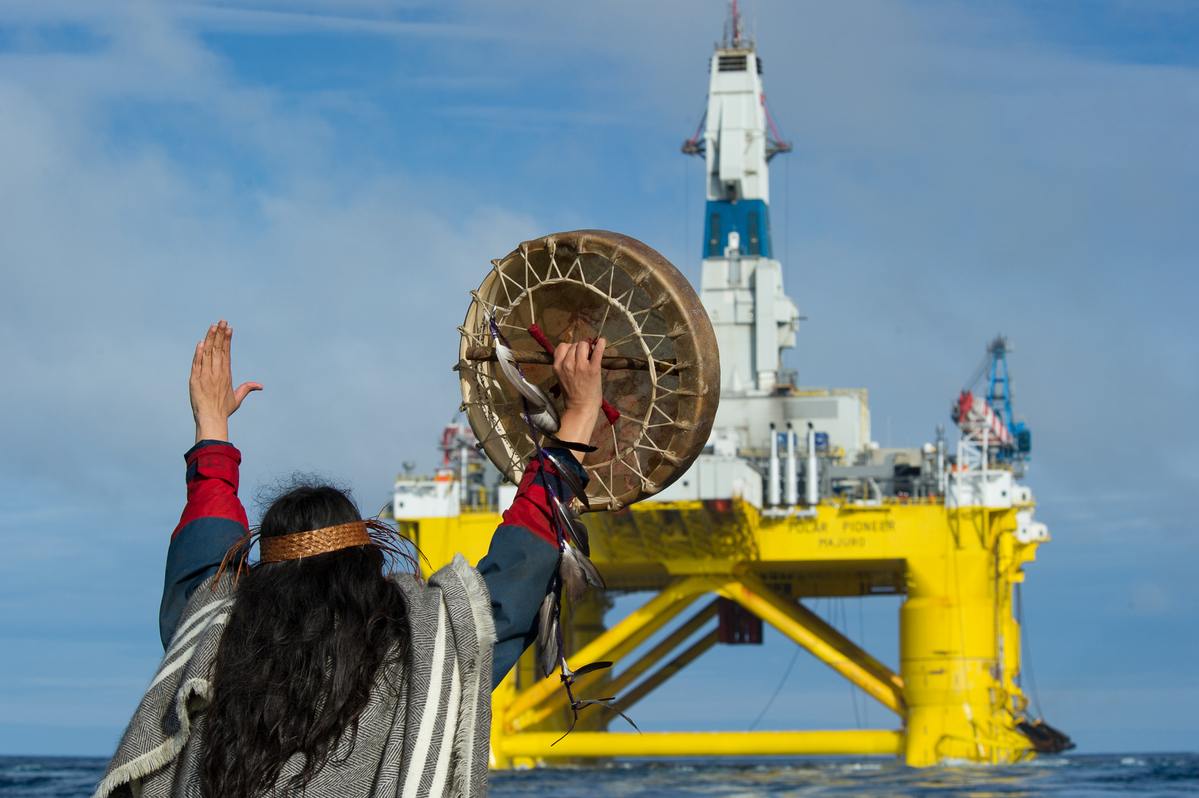
- Embrace Cultural Burning: For millennia, Indigenous communities practiced controlled, low-intensity cultural burns to clear underbrush, regenerate native plant species, and prevent the accumulation of catastrophic fuel loads. Restoring Indigenous land rights and centering Indigenous fire stewardship is not merely an act of reconciliation; it is an essential wildfire prevention strategy.
- End Clearcutting and Monocultures: Transition away from fragile timber plantations toward diverse, multi-age, old-growth forests that possess natural resilience against drought, pests, and fire.
- Protect Peatlands and Wetlands: Preserving and restoring natural water retention landscapes helps buffer surrounding forests against extreme drying trends.
Future Outlook: Global Climate Solutions and Taking Back Our Future
Despair is a luxury we cannot afford. The solutions required to mitigate this planetary crisis are not theoretical; they already exist. What has been missing is the political courage to implement them at scale.
If humanity recognizes the existential gravity of this emergency, we can chart a sustainable path forward through decisive, systemic actions:
- Rapid Fossil Fuel Phase-Out: Immediately redirecting public subsidies away from fossil fuel extraction and pouring those financial resources directly into large-scale renewable energy infrastructure, grid modernization, and community-led green transitions.
- Defending Environmental Defenders: Recognizing and legally protecting Indigenous land rights, empowering the very custodians who have successfully managed forest ecosystems for millennia.
- Global Air Quality and Health Infrastructure: Reclassifying wildfire smoke as a critical public health emergency, investing in resilient public infrastructure (such as upgraded indoor filtration systems in schools and public buildings), and establishing international early-warning networks for smoke pollution.
The smell of firewood should remain a comforting reminder of quiet nights spent under the stars with friends—not a terrifying harbinger of the loss of our homes, our biodiversity, and our collective future. We possess the knowledge, the tools, and the ecological blueprints necessary to protect and restore our forests.
Now is the absolute time to demand a long-term, courageous vision from our political leaders—while we can still step outside and safely draw breath.

Julie Amira Byrnes is Engagement Manager at Greenpeace International