Executive Overview
As the global community confronts the escalating realities of climate change, biodiversity loss, and socio-economic vulnerability, the strategic allocation of carbon finance has become an essential tool for accelerating the net-zero transition. On December 17, 2025, Sustainable Travel International officially released its fourth and final Climate Impact Portfolio for the 2025 calendar year. This comprehensive portfolio distributes carbon offsets across a meticulously curated mix of seven distinct projects spanning forestry, renewable energy, innovative climate technology, and blue/teal carbon ecosystems.
Unlike traditional, single-project carbon crediting mechanisms, Sustainable Travel International’s diversified portfolio model is designed to maximize co-benefits. By spreading investments across multiple geographies and intervention types, the portfolio addresses the root causes of environmental degradation while simultaneously fostering community resilience, preserving cultural heritage, and protecting endangered wildlife.
This report provides an exhaustive, authoritative examination of the fourth portfolio of 2025. It analyzes the overarching impact metrics, delves into the specific mechanics and recent developments of each of the seven constituent projects, and explores how targeted carbon finance is reshaping the landscape of global environmental stewardship.

Detailed Chronology and Portfolio Architecture
The release of Portfolio 4 on December 17, 2025, represents the culmination of a year-long strategy by Sustainable Travel International to identify, vet, and support high-integrity climate projects. The architecture of the portfolio is deliberately diversified to ensure that capital flows where it is most urgently needed and where it can generate the highest measurable impact per ton of Carbon Dioxide Equivalent ($textCO_2texte$) reduced or sequestered.
+-----------------------------------------------------------------+
|               2025 Portfolio 4 Allocation Mix                   |
+-----------------------------------------------------------------+
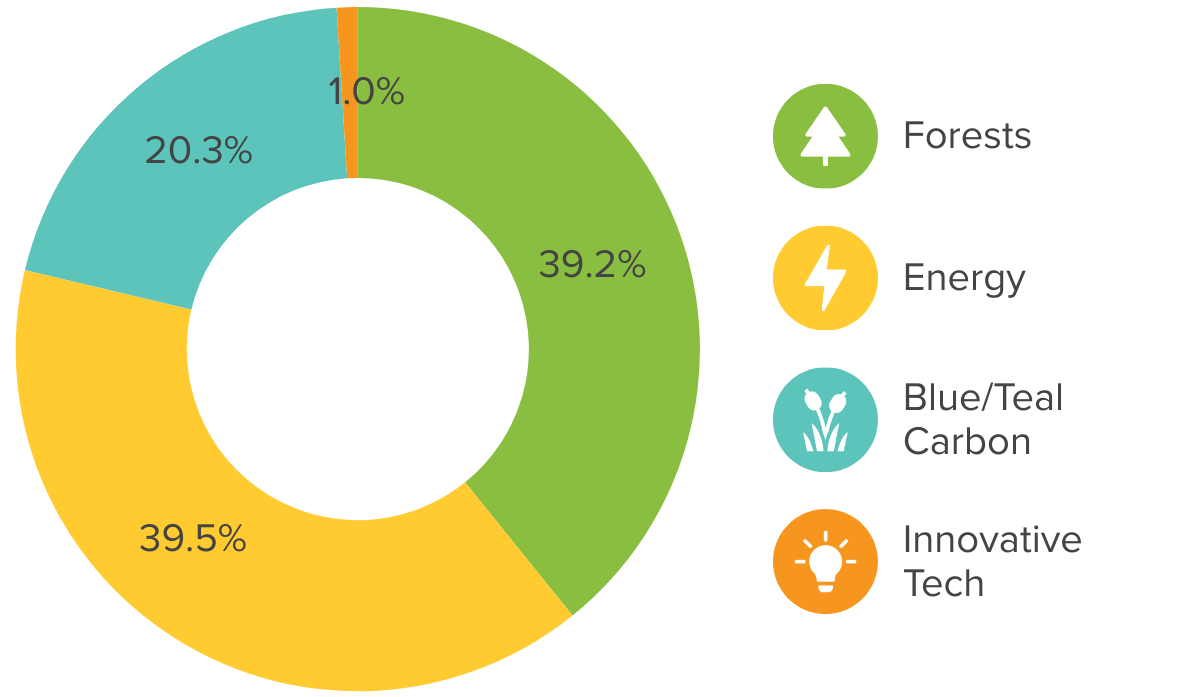
  [■] Forests: Keo Seima, Yaeda-Eyasi Landscape
  [■] Energy: Garo Clean Cookstoves, Khalladi Wind Farm
  [■] Blue/Teal Carbon: Valle Paleazza, Rimba Raya Biodiversity Reserve
  [■] Innovative Tech: Sargassum Recovery for Clean Coasts
The Seven Pillars of Portfolio 4
The portfolio is composed of seven distinct interventions operating across North America, Europe, Africa, and Asia:
- Sargassum Recovery for Clean Coasts (Mexico) – Innovative Climate Technology
- Valle Paleazza (Italy) – Blue/Teal Carbon
- Keo Seima Wildlife Sanctuary (Cambodia) – Forestry
- Garo Clean Cookstoves (India) – Renewable Energy & Efficiency
- Khalladi Wind Farm (Morocco) – Renewable Energy
- Yaeda-Eyasi Landscape (Tanzania) – Forestry
- Rimba Raya Biodiversity Reserve (Indonesia) – Blue/Teal Carbon & Swamp Forest Protection
Each project was selected based on stringent criteria regarding additionality, permanence, verification, and community consent. By balancing traditional ecosystem conservation with cutting-edge technological interventions, the portfolio bridges the gap between immediate mitigation and long-term systemic transformation.
Supporting Context & Metrics: Impact in Numbers
Quantifying the success of a modern climate portfolio requires looking beyond raw carbon metrics to evaluate systemic socio-ecological changes. Altogether, the seven projects integrated into Portfolio 4 accelerate the global transition toward net-zero emissions while delivering extraordinary ancillary benefits:
- Preventing Forest Loss: Safeguarding 1,060,000 acres of carbon-rich forests from conversion, degradation, and illegal logging.
- Clean Energy Transition: Generating 296 GWh of clean energy yearly while directly replacing 20,000 inefficient, high-emission cookstoves.
- Waste Upcycling & Diversion: Diverting up to 1,440 cubic meters ($textm^3$) of sargassum and green waste from landfills per week.
- Marine & Coastal Restoration: Actively protecting and restoring 91,317 acres of blue and teal carbon ecosystems, including vital wetlands, peat swamps, and lagoons.
Deep-Dive Analysis of Portfolio Projects
To fully understand the mechanics of Portfolio 4, one must examine each individual project, its local challenges, and its recent operational milestones.
1. Sargassum Recovery for Clean Coasts (Mexico)
- Portfolio Allocation: 1.0%
- Project Type: Innovative Climate Technology
- Location: Riviera Maya, Mexico
Context and Challenges
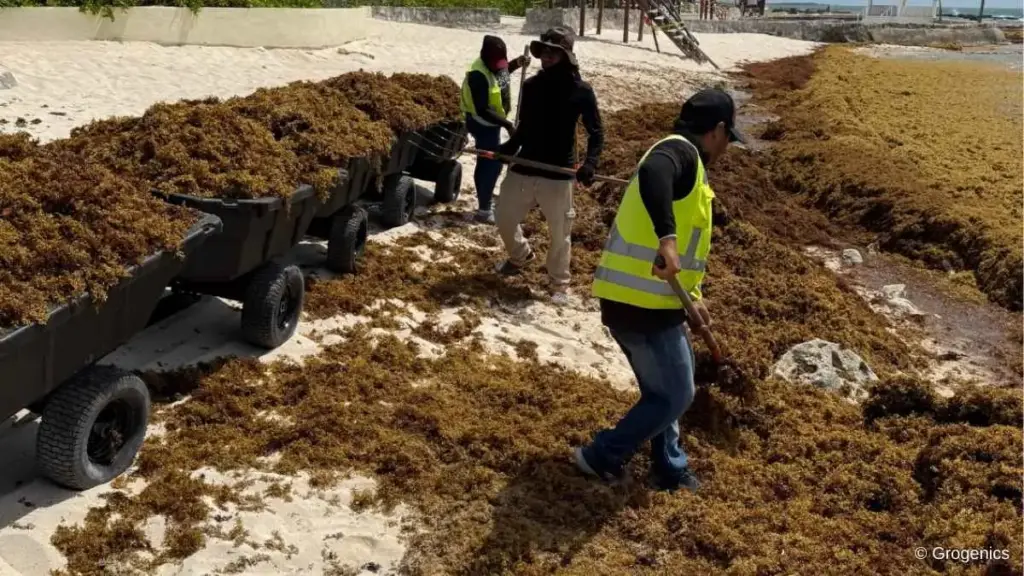
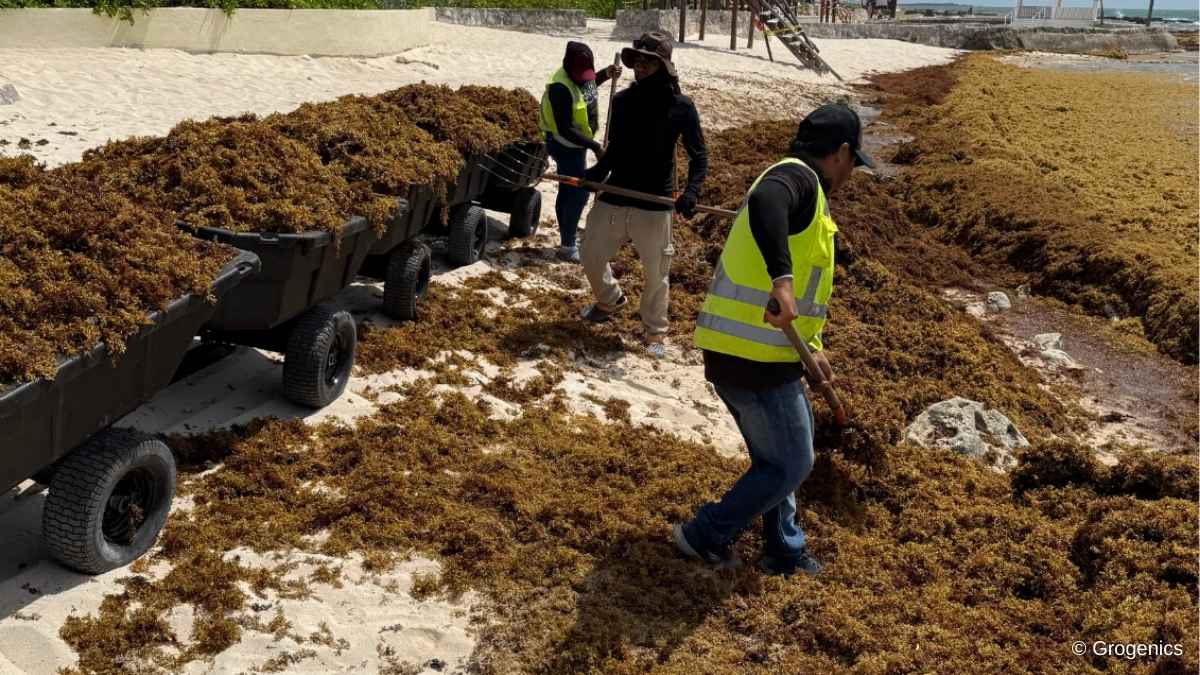
The Caribbean coastline of Mexico’s Riviera Maya has faced an unprecedented ecological crisis in recent years: massive, recurring influxes of pelagic sargassum seaweed. Driven by ocean warming and nutrient runoff, these golden tides wash ashore in suffocating blankets. As the sargassum decomposes on beaches, it releases toxic hydrogen sulfide and heavy metals, decimating coral reefs, entangling nesting sea turtles, eroding local fisheries, and crippling the region’s vital tourism economy.

Intervention and Innovation
This project implements low-impact, manual and mechanical collection methods to remove sargassum directly from resort shorelines before decomposition begins. Rather than treating the seaweed as mere waste, the project upcycles the harvested biomass into valuable derivatives:
- Biochar: A stable, carbon-rich form of charcoal that locks carbon into the soil for centuries while improving agricultural water retention.
- Compost and Shoreline Protection Materials: Utilized to restore degraded soils and build natural coastal barriers.
Crucially, the initiative creates local green jobs and partners with women-led farms, supplying them with sustainably produced soil amendments. These farms, in turn, cultivate organic produce for local hotel menus, closing the loop on a circular local economy.
2. Valle Paleazza (Italy)
- Portfolio Allocation: 5.6%
- Project Type: Blue/Teal Carbon
- Location: Venice Lagoon, Italy
Context and Challenges
The Venice Lagoon is a complex mosaic of cultural history and fragile ecology. Centuries of human intervention, rising sea levels, and industrial pressures have degraded traditional fishing valleys (valli da pesca), threatening the unique blue carbon storage capacity of these coastal wetlands.

Restoration and Community Integration
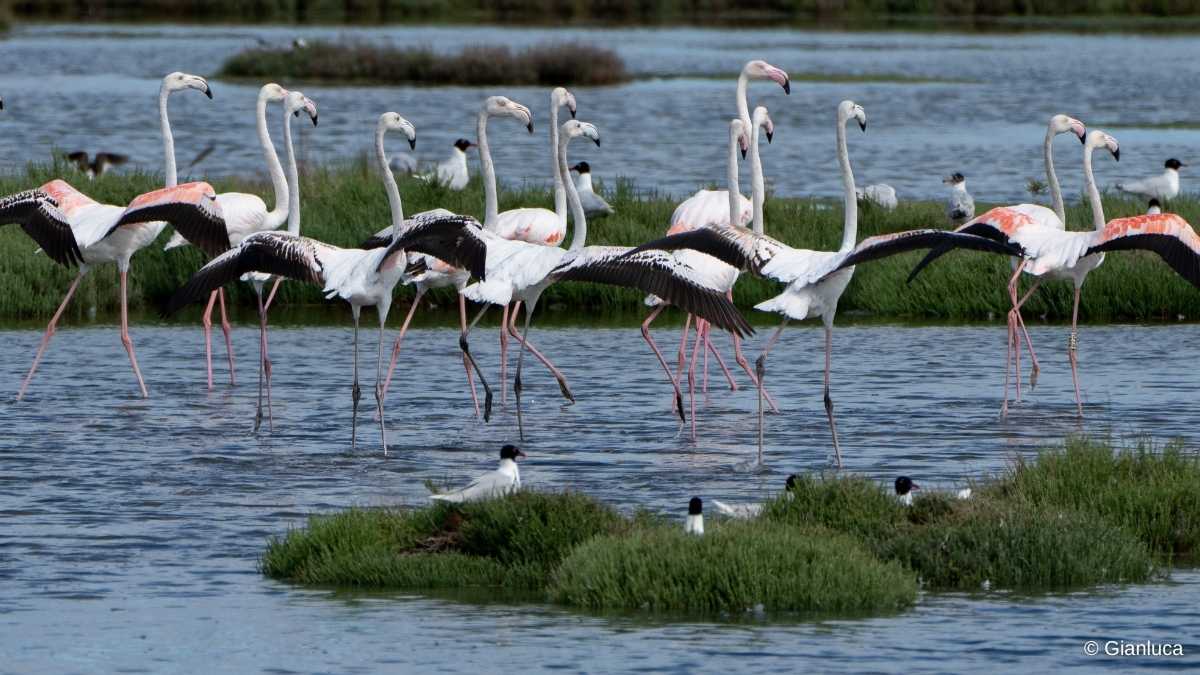
Valle Paleazza restores ancient fishing valleys through traditional water management and ecological restoration. By re-establishing historical tidal flows and vegetation patterns, the project enhances carbon sequestration while re-creating vital fish nurseries and bird nesting grounds.
In a recent field visit, Sustainable Travel International CEO Paloma Zapata traveled to Valle Paleazza to witness the restoration work firsthand. Guided by site custodian Antonio Capadaglio, the team participated in planting native vegetation along canal edges. These plants play a crucial role in regulating water temperatures and stabilizing banks against erosion. This hands-on stewardship highlights how carbon finance directly empowers local custodians, preserving the lagoon’s environmental resilience alongside the region’s intangible cultural heritage of traditional aquaculture.
3. Keo Seima Wildlife Sanctuary (Cambodia)
- Portfolio Allocation: 34.7%
- Project Type: Forestry
- Location: Mondulkiri and Kratie Provinces, Cambodia
Context and Challenges
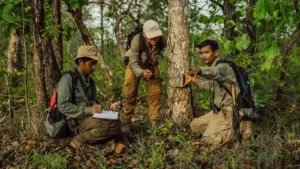
Covering a vast expanse of tropical forest, the Keo Seima Wildlife Sanctuary is a biodiversity hotspot of global significance. It serves as the ancestral homeland and cultural anchor for the Indigenous Bunong people. However, intensifying pressures from illegal logging, speculative land conversion, and localized poverty have continually threatened the integrity of the forest canopy.
Holistic Impact and Recent Milestones
Keo Seima exemplifies community-centered forest conservation. By addressing the root drivers of deforestation—such as food insecurity and economic marginalization—the project aligns community welfare with conservation outcomes.
Recent updates from the sanctuary underscore this dual focus:
- The EmpowerED Program: Ten Indigenous community members were awarded university scholarships, investing directly in the next generation of local leadership.
- Cash for Communities (C4C): Following extensive consultations across 20 villages, the C4C program—fueled by carbon revenues—has successfully channeled nearly $2 million into essential local infrastructure, including schools, clean water systems, and healthcare clinics, with an additional $1 million committed for 2026.
- Ecological Triumphs: Biodiversity monitoring recorded the successful fledging of three critically endangered Giant Ibis chicks and the rescue of an injured stump-tailed macaque. These efforts are bolstered by community-led nest protection schemes.
- Rights-Based Law Enforcement: Specialized human rights training for park rangers has strengthened trust between enforcement personnel and Indigenous forest stewards, proving that conservation is most effective when grounded in mutual respect and legal empowerment.
4. Garo Clean Cookstoves (India)
- Portfolio Allocation: 5.7%
- Project Type: Renewable Energy / Energy Efficiency
- Location: Garo Hills, Meghalaya, India
Context and Challenges
The rugged Garo Hills in northeastern India feature dense subtropical forests and rich indigenous cultures. However, domestic energy poverty remains pervasive. The heavy reliance on traditional, open-fire wood stoves exposes women and children to dangerous levels of indoor air pollution—equivalent to smoking multiple packs of cigarettes a day—while driving severe local deforestation and reinforcing gender inequities through hours spent gathering firewood.
Technological Transformation and Empowerment
This project replaces inefficient biomass stoves with clean, modern cooking technologies, dramatically cutting fuel consumption and toxic emissions.
Recent project developments highlight a powerful synergy between gender empowerment and renewable energy:
- Solar Technician Training: A targeted training program equipped 25 women with certified solar technician skills, providing hands-on experience in system assembly and career counseling to position them as leaders in the green energy transition.
- Solar Pressure Cookers (EPCs): Carbon finance is actively funding the deployment of solar-powered electrical pressure cookers. By transitioning households entirely away from firewood, this initiative drastically reduces respiratory illness, saves countless hours of labor for women and girls, and curbs regional forest degradation.
5. Khalladi Wind Farm (Morocco)
- Portfolio Allocation: 33.8%
- Project Type: Renewable Energy
- Location: Northern Morocco (near Tetouan and Chefchaouen)
Context and Challenges
Morocco has made immense strides in renewable energy, yet historically, the nation relied heavily on imported fossil fuels to meet its growing electricity demands. Situated in the windswept hills near the historic UNESCO medina of Tetouan and the iconic "Blue City" of Chefchaouen, the Khalladi region possesses exceptional wind resources that were previously untapped.
Renewable Generation and Social Progress
The Khalladi Wind Farm generates hundreds of gigawatt-hours of clean electricity annually, injecting zero-emission power into the national grid and displacing fossil fuel generation. Beyond its monumental carbon reduction metrics, the project actively bridges the rural-urban divide through targeted community development investments. Carbon-backed funds have improved local educational facilities, upgraded rural healthcare access, and enhanced regional infrastructure, demonstrating that utility-scale renewable projects can deliver profound localized socio-economic benefits.
6. Yaeda-Eyasi Landscape (Tanzania)
- Portfolio Allocation: 4.5%
- Project Type: Forestry
- Location: Rift Valley, Tanzania
Context and Challenges
In the dryland forests of northern Tanzania, Indigenous hunter-gatherer communities—such as the Hadza—and pastoralist groups like the Datooga face mounting pressures from agricultural encroachers and cattle-herding communities seeking to convert ancient forests into monoculture croplands.
Indigenous-Led Conservation and Global Advocacy
The Yaeda-Eyasi project secures land tenure rights for Indigenous communities, empowering them to legally protect their forested homelands from illegal clearing. Carbon revenues provide a direct, sustainable income stream tied directly to forest preservation.
Recent highlights from the project include:
- Microfinance and Enterprise: The launch of a new microfinance program and tailored business training initiatives specifically designed to support women entrepreneurs within the community.
- Cultural Preservation: The establishment of the Hadza Media Center, which utilizes digital tools to document, archive, and celebrate hunter-gatherer traditions for future generations.
- International Representation: At the United Nations Climate Change Conference (COP), Project Manager German Sedoyeka—a leader from the Datooga community—spoke on the global stage, emphasizing that placing land rights and Indigenous leadership at the core of carbon markets is the only way to guarantee lasting, equitable climate outcomes.
7. Rimba Raya Biodiversity Reserve (Indonesia)
- Portfolio Allocation: 14.7%
- Project Type: Blue/Teal Carbon & Peat Swamp Protection
- Location: Indonesian Borneo (Kalimantan)
Context and Challenges
Indonesian Borneo is home to some of the most carbon-dense peat swamp forests on Earth. For decades, these irreplaceable ecosystems were heavily targeted for clear-cutting and conversion into industrial palm oil plantations, releasing staggering quantities of stored soil carbon into the atmosphere and pushing iconic species like the Bornean orangutan toward the brink of extinction.
Conservation and Community Uplift
The Rimba Raya Biodiversity Reserve acts as an impenetrable green buffer protecting Tanjung Puting National Park. By halting peatland drainage and deforestation, the project locks away millions of tons of carbon while funding the rescue, rehabilitation, and reintroduction of critically endangered orangutans. Furthermore, the project addresses the foundational socioeconomic drivers of environmental destruction by investing heavily in local healthcare, clean water access, schools, and sustainable livelihood training for surrounding villages.

Comparative Portfolio Overview
| Project Name | Location | Primary Focus | Portfolio Share (%) | Key Co-Benefits |
|---|---|---|---|---|
| Sargassum Recovery | Mexico | Innovative Tech | 1.0% | Beach restoration, biochar production, women-led farming |
| Valle Paleazza | Italy | Blue/Teal Carbon | 5.6% | Lagoon restoration, fisheries protection, cultural heritage |
| Keo Seima | Cambodia | Forests | 34.7% | Indigenous land rights, Giant Ibis protection, C4C infrastructure |
| Garo Clean Cookstoves | India | Energy / Efficiency | 5.7% | Indoor air quality, women solar technicians, EPC deployment |
| Khalladi Wind Farm | Morocco | Renewable Energy | 33.8% | Grid decarbonization, rural education, healthcare upgrades |
| Yaeda-Eyasi Landscape | Tanzania | Forests | 4.5% | Hadza land tenure, microfinance, Hadza Media Center |
| Rimba Raya | Indonesia | Blue/Teal & Peat | 14.7% | Orangutan reintroduction, peat swamp preservation, health clinics |
Future Outlook: The Evolution of High-Integrity Carbon Finance
As Sustainable Travel International looks beyond the successes of its 2025 portfolios, the broader voluntary carbon market (VCM) is undergoing a paradigm shift. Increased scrutiny from regulatory bodies, academic institutions, and corporate buyers has raised the bar for carbon crediting. Modern climate action no longer accepts simplistic, single-metric offsets; instead, the market demands rigorous transparency, verified permanence, and undeniable community co-benefits.
The fourth portfolio of 2025 serves as a blueprint for the future of ethical climate finance. By integrating innovative technologies (such as sargassum upcycling in Mexico), ancient ecological stewardship (such as Hadza-led land management in Tanzania), marine restoration (such as the fishing valleys of Venice), and utility-scale clean energy (such as the Khalladi wind installation), Sustainable Travel International demonstrates that climate action cannot be siloed.
Moving forward, the success of global net-zero commitments will rely heavily on portfolios that honor local voices, uphold human rights, and treat biodiversity preservation and carbon mitigation as two sides of the same coin. Through continued rigorous vetting and direct community partnerships, initiatives like Portfolio 4 prove that carbon finance, when executed with integrity, is one of the most powerful catalysts available for healing our planet.