


Executive Overview
As geopolitical tensions and the ongoing conflict with Iran send global energy markets into turmoil, major oil and gas conglomerates are enjoying a historic financial windfall. Yet, even as they rake in tens of billions of dollars in quarterly net income, these corporate titans are aggressively deploying their immense capital to block progressive legislation at the state level. In California—long heralded as a pioneer in American environmental policy—the fossil fuel industry poured more than $17 million into state-level lobbying during just the first half of 2026, according to comprehensive spending analyses by the Last Chance Alliance, a coalition of environmental and community advocacy organizations.
This unprecedented capital deployment shattered previous lobbying records, with first-quarter expenditures reaching an astonishing $10.3 million, followed by an additional $6.8 million in the second quarter. The primary objective of this relentless influence campaign has been clear: to systematically dismantle, weaken, or delay common-sense climate initiatives, worker-safety regulations, and polluter-accountability measures.
By targeting everything from the state’s cornerstone cap-and-invest carbon market to proposals preventing the abandonment of leaking, toxic wells, the oil and gas sector has successfully derailed critical pieces of legislation. Environmental justice advocates and labor leaders argue that these legislative defeats represent a profound failure of governance, allowing corporate interests to override the health, safety, and financial well-being of millions of Californians.
Detailed Chronology of the 2026 Legislative Battleground
The trajectory of California’s 2026 legislative session has been heavily shaped by an escalating war of attrition between environmental advocates and well-funded fossil fuel lobbyists. The timeline of this year’s legislative defeats and regulatory battles underscores the immense reach of the oil and gas industry in Sacramento.
Q1 2026: Setting Record Spending Highs
The year began with an aggressive legislative push by climate advocates who sought to hold fossil fuel companies financially responsible for the mounting costs of climate change. In response, oil and gas companies opened their checkbooks to an unprecedented degree. During the first three months of 2026 alone, the sector funneled $10.3 million into lobbying efforts—a new all-time high for the California oil sector. This money was strategically funneled to direct lobbyists, public relations consultants, and industry-backed front groups designed to obscure the corporate origins of political messaging.
Spring 2026: Overhauling the Cap-and-Invest Program
As the spring legislative calendar advanced, attention shifted to California’s vital cap-and-invest program, which covers roughly 80 percent of the state’s economy and serves as the backbone of its strategy to reach carbon neutrality by 2045. Despite the program’s structural importance, fossil fuel lobbyists successfully pressured state regulators to green-light a mechanism that could flood the carbon market with a vast pool of free pollution permits.
This regulatory shift—which threatens to deprive state coffers of billions of dollars historically earmarked for public transit and affordable housing—immediately triggered intense blowback. In May, Democratic lawmakers voiced formal objections, and environmental groups launched a subsequent legal challenge against the carbon market overhaul in July.
Summer 2026: Defeating Key Climate and Accountability Bills
By mid-summer, the legislative logjam yielded a series of high-profile victories for Big Oil. Among the most significant casualties was SB 982, a bill designed to address California’s spiraling property and home insurance crisis. The legislation would have empowered the state attorney general to sue fossil fuel companies for damages stemming from climate-intensified disasters, such as catastrophic wildfires. The revenue generated was intended to subsidize skyrocketing property insurance costs and ease the burden on the state’s insurer of last resort. Lobbyists successfully killed the measure, shielding oil companies from direct legal liability for climate damages.
Simultaneously, the industry fought off efforts to regulate the closure of aging energy infrastructure. Following the controversial shutdown of a Phillips 66 refinery in Los Angeles County—a closure that environmental justice groups argue was mishandled—lawmakers introduced bills requiring formal retirement plans for refineries, stricter safety guidelines for refinery staffing, and heightened oversight of offshore pipelines. Most of these measures were either heavily watered down or defeated outright.
Furthermore, the industry successfully blocked legislation aimed at stopping companies from abandoning more than 100,000 methane-leaking, orphan oil wells across the state, leaving taxpayers vulnerable to multi-billion-dollar cleanup liabilities.
Supporting Context & Metrics: Profits, Spending, and Structural Influence
To fully understand the scale of the influence peddling in Sacramento, analysts point to the stark contrast between corporate balance sheets and public infrastructure needs.
The Financial Windfall of War
The aggressive lobbying campaign coincides with unprecedented financial returns for oil majors. In late July 2026, Chevron reported a staggering $12 billion in net profits for the second quarter—nearly five times its earnings during the same period in 2025. Concurrently, ExxonMobil posted $14.5 billion in net income, more than doubling its year-over-year Q2 earnings.
These astronomical profits have been directly fueled by global energy market disruptions linked to the U.S.-Israel war against Iran, most notably the prolonged closure of the Strait of Hormuz. While supply bottlenecks and soaring fuel prices have strained consumers and pushed up gas prices across the United States, they have delivered a massive financial windfall to domestic producers and refiners operating outside the Middle East supply chain.
Breaking Down the Lobbying Expenses
Data compiled from mandatory filings submitted to the California Secretary of State reveals the primary corporate entities driving the anti-climate lobbying push:
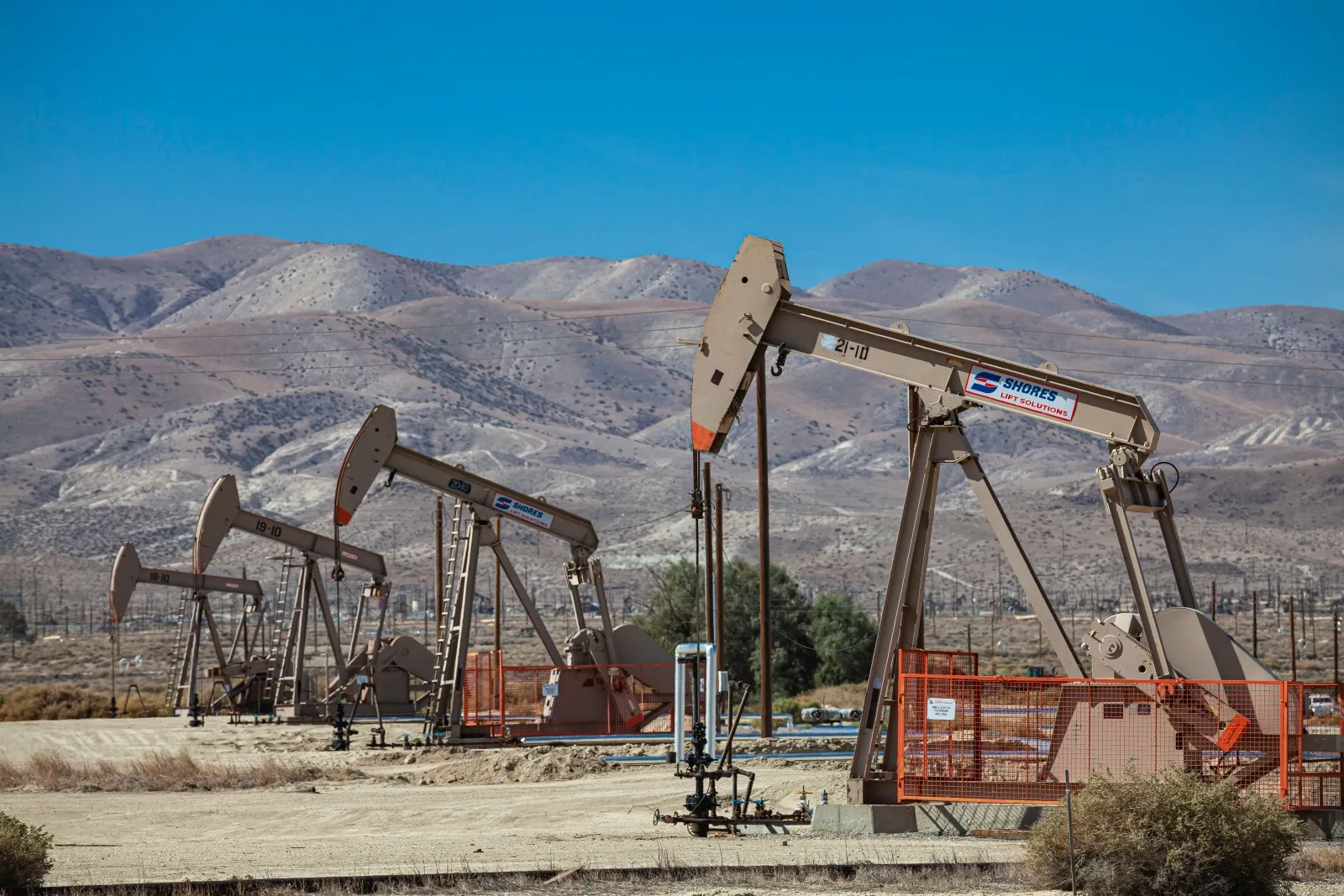
- Western States Petroleum Association (WSPA): Spent $4.3 million during the first half of 2026.
- Chevron: Disbursed $3.7 million over the same six-month period.
- Phillips 66: Invested just over $500,000 in direct and indirect lobbying efforts.
A significant portion of these funds was directed toward opaque entities and alleged "front groups"—such as Californians for Energy Independence—that project a grassroots facade while being entirely funded and directed by fossil fuel interests.
Subsidizing Profit Margins
Policy analysts argue that the state’s current fiscal architecture inadvertently subsidizes the very companies working against its public policy goals. According to Ryan Schleeter, communications director for The Climate Center, public subsidies embedded within the cap-and-invest program’s free permit allocations, combined with tax loopholes allowing multi-state corporations to obscure a fraction of their global earnings, effectively mean that California taxpayers are underwriting Big Oil’s profit margins.
Official Statements and Stakeholder Perspectives
The legislative outcomes have drawn sharp rebukes from environmental justice leaders, labor advocates, and policy experts who view the 2026 session as a missed opportunity of historic proportions.
Faraz Rizvi, campaign and policy director for the Asian Pacific Environmental Network (a core member of the Last Chance Alliance), condemned the industry’s tactics:
"They’re aggressively lobbying against straightforward measures to protect communities and boost transparency. They’re not actors that have consumers’ or communities’ interests at heart."
Hollin Kretzmann, deputy political director at the Center for Biological Diversity Action Fund, expressed deep frustration over the trajectory of state policy in the nation’s fourth-largest economy:
"This legislative session was just a huge missed opportunity for California. We didn’t get to show what the world’s fourth-largest economy could accomplish when it comes to protecting our economy, protecting our health."
Kretzmann further emphasized that the core dysfunction lies in the disproportionate political access granted to corporate lobbyists:
"It gets to the heart of why our policies in California don’t reflect the will of the people. I don’t have an easy solution, but we need our legislators to listen to the public rather than oil industry lobbyists."
Conversely, fossil fuel executives have defended their corporate positioning by pointing to external economic pressures. During a late-July earnings call with CNBC, Chevron CEO Mike Wirth insisted that geopolitical disruptions and supply constraints are putting immense operational strain on his company, while consistently deflecting allegations of price gouging and blaming state environmental regulations for high retail gasoline prices at the pump. Representatives for Chevron, Phillips 66, and the Western States Petroleum Association declined or failed to respond to media requests for comment regarding their legislative expenditures.
Future Outlook: Reclaiming California’s Climate Leadership
As California looks toward the remainder of 2026 and the upcoming legislative cycles, advocacy groups and reform-minded policymakers are urging structural overhauls to neutralize the political dominance of the fossil fuel lobby.
Key policy recommendations moving forward include:
- Reforming Carbon Markets: Eliminating free pollution allowances within the cap-and-invest framework to ensure polluters pay the true societal cost of their emissions, thereby protecting state funding for public transit and affordable housing.
- Closing Tax Loopholes: Eliminating archaic tax loopholes that allow oil companies to obscure global earnings and effectively siphon public subsidies.
- Strengthening Ethics and Lobbying Restrictions: Implementing stricter campaign finance limits, capping lobbying expenditures, and restricting the operational reach of industry-funded front groups in Sacramento.
- Protecting Displaced Workers: Expanding programs like the Displaced Oil and Gas Workers Fund to ensure a just transition for laborers as the state gradually transitions away from fossil fuel extraction.
Without aggressive systemic reforms to curb the flow of corporate money into the political process, environmental and labor advocates warn that California will continue to fall short of its ambitious climate and public health objectives, leaving citizens to bear the mounting costs of environmental degradation while corporate profits soar unchecked.



