

Executive Overview
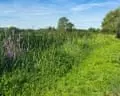
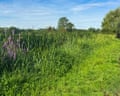
Following a night of torrential summer storms, the air across the Nene Valley feels freshly washed, carrying the sharp, delicious scents of damp earth, bruised grass, and sweet, winey blackberries hanging heavy from autumn-bound hedges. Yet, beneath this tranquil pastoral scene lies a complex, high-stakes narrative of modern conservation. The River Nene—a ribbon of vibrant blue and green that snakes lazily through the Northamptonshire and Cambridgeshire landscape—has become an unexpected focal point for the delicate art of habitat management.
At Ailsworth weir, where water chatters and spills over bright green swathes of river water-crowfoot, the steady, rhythmic white noise briefly drowns out the hum of the nearby A1 motorway. While the main body of the river runs slow and silent, its margins are alive with a vibrant mosaic of flora: purple loosestrife, marsh woundwort, water mint, water forget-me-not, and celery-leaved buttercup. Together, they form an intricate embroidery of mauve, blue, and yellow—a stark and welcome contrast to the scorched, gold-baked fields that have come to characterize much of Britain’s recent dry summers.
Among this lush botanical tapestry, a rare and unassuming resident has captured the attention of conservationists: the trifid bur-marigold (Bidens tripartita). Once a common sight across Britain’s seasonally flooded wetlands, this vulnerable annual has experienced a sweeping national decline due to agricultural drainage, river canalisation, and land-use intensification. However, thanks to a potent mix of weather anomalies and targeted conservation intervention by the Nene Park Trust, the bur-marigold is experiencing a remarkable local renaissance.
This report investigates the ecological dynamics at play along the River Nene, examining the fragile equilibrium between livestock grazing, riverbank erosion, and wetland preservation. Through a meticulous breakdown of environmental metrics, expert commentary, and habitat management strategies, we explore how modern conservationists are walking a tightrope to protect Britain’s vulnerable riparian biodiversity.
Detailed Chronology: From Summer Storms to Riparian Resilience
To understand the current ecological health of the River Nene, one must trace the timeline of climatic events and management decisions that culminated in this year’s botanical surge.
- Early Spring: The critical lifecycle of the trifid bur-marigold begins. As an annual species, it relies entirely on exposed, damp mud during the spring months to germinate its seeds. Without bare earth, the seeds remain dormant or fail to take root.
- Late Spring to Early Summer: Traditional grazing patterns are introduced. Herds of Red Ruby Devon cattle are deployed along the river margins. As these heavy, heritage-breed cattle traverse the damp banks, their hooves "poach" the soft earth, creating the precise patches of bare, nutrient-rich mud required by the bur-marigold seedlings.
- Mid-Summer: A volatile weather pattern takes hold. Following weeks of intense heatwaves and parched, golden fields across the wider countryside, a series of violent summer storms breaks over the Nene Valley. The resulting downpours saturate the soil, replenishing water tables while the accompanying long days of sunshine provide optimal thermal energy.
- Late Summer (The Observation Window): The confluence of abundant water, persistent warmth, and the earlier soil disruption by the cattle triggers an explosion of growth. Wetland plants—most notably the trifid bur-marigold with its button-like golden flowers and barbed fruits—thrive. The landscape transforms into a rich corridor of biodiversity, offering a temporary sanctuary for local wildlife and a striking visual spectacle for observers.
- Autumn: As the flowering season concludes, the bur-marigold’s barbed fruits mature. Equipped with tiny hooks, they prepare to hitch a ride on passing vectors—ranging from domestic cattle and farm dogs to wild otters and wandering humans—ensuring seed dispersal for the following cycle.
Supporting Context & Metrics: The Plight of the Trifid Bur-Marigold
The resurgence of the trifid bur-marigold along the Nene is more than a fleeting botanical success story; it is a vital indicator of how localized wetland management can counteract broader national declines.

Botanical Profile and Vulnerability
Classified as "Vulnerable" in Great Britain on the Vascular Plant Red Data List, Bidens tripartita has suffered catastrophic losses over the past century. The primary drivers of its decline include:
- River Engineering: The straightening, canalisation, and deepening of watercourses to prevent flooding have severed rivers from their natural floodplains, eliminating the seasonal wetting and drying cycles essential for the plant.
- Agricultural Drainage: The conversion of wet meadows and seasonal marshes into arable farmland has drastically reduced the availability of open, damp mud habitats.
- Invasive Perennials: In the absence of natural grazing or periodic flooding, aggressive perennial plants (such as reed canary grass and nettles) form dense mats that outcompete annual species like the bur-marigold.
The Ecological Metrics of the Nene Valley
The success of the Nene population relies on a specific set of environmental parameters:
| Metric | Condition / Requirement | Ecological Impact |
|---|---|---|
| Soil Moisture | High saturation with seasonal exposure | Prevents permanent submergence while keeping root systems hydrated during summer growth phases. |
| Disturbance Index | Moderate (via managed cattle poaching) | Breaks up dense perennial vegetation and creates micro-sites of bare mud for seed germination. |
| Water Quality | Clean gravels, low silt accumulation | Essential for maintaining healthy aquatic life and fish spawning grounds adjacent to the margins. |
| Nutrient Levels | Moderate organic enrichment | Supports rapid flowering without triggering eutrophication or algal blooms. |
The plant derives its common name, "trifid," from its characteristically three-part leaves, while its golden, button-like flowers belie a sophisticated evolutionary survival mechanism: fruits tipped with barbed bristles designed for epizoochory (dispersal via animal transport).
Official Statements and Management Strategies
Balancing the ecological needs of multiple species along a managed river corridor presents a formidable challenge for conservation authorities. The Nene Park Trust, which holds stewardship over the site, faces a classic conservation paradox: management that benefits one species can easily harm another.
The Conservation Paradox: Too Much vs. Too Little
- The Risk of Over-Grazing: If cattle are granted unrestricted access to the riverbanks for too long, excessive trampling leads to severe bank erosion. The resulting loose silt washes into the river, settling over the clean gravel beds relied upon by native fish species for spawning, thereby suffocating fish eggs and juvenile aquatic organisms.
- The Risk of Under-Grazing: Conversely, completely fencing livestock out of the riparian zone removes the necessary mechanical disturbance. Without the cattle to break up the soil and suppress dominant plants, vigorous perennials quickly close over the muddy margins, completely choking out the light-dependent bur-marigold.
The "Goldilocks" Solution
To resolve this dilemma, the Nene Park Trust implemented a precision-management strategy. Rather than relying on constant, unrestricted grazing or total exclusion, they installed a system of simple, strategic gated fences set well back from the water’s edge.
A spokesperson for the conservation initiative explained the framework:
"We are essentially engineering a ‘Goldilocks’ arrangement for the riverbank. It’s about achieving a state of equilibrium—not too much disturbance, not too little, but precisely enough to keep the ecological gears turning. By regulating when and how long the Red Ruby Devon cattle access the margins, we protect the structural integrity of the riverbank and the fish spawning gravels below, while still securing the bare, damp mud that the trifid bur-marigold needs to survive and thrive."
This measured approach allows conservationists to harness the natural behaviors of heritage livestock as an active management tool rather than viewing agriculture and conservation as mutually exclusive pursuits.
Future Outlook: Lessons for British Riparian Conservation
As the United Kingdom grapples with accelerating climate volatility—oscillating wildly between extreme droughts and intense, storm-driven floods—the lessons learned on the River Nene offer a blueprint for future river catchment management.
Key Takeaways for Landscape Management:
- Embrace Dynamic Management: Static conservation models that seek to "freeze" an ecosystem in time are increasingly failing. Catchment management must embrace cyclical, dynamic interventions that mimic natural processes, such as seasonal flooding and controlled herbivory.
- Prioritize Native Heritage Breeds: The use of hardy, traditional livestock like Red Ruby Devon cattle proves that agricultural heritage can play a direct, beneficial role in modern biodiversity restoration. Their feeding and movement habits are uniquely adapted to shaping British landscapes.
- Reconnect Rivers to Floodplains: To secure long-term populations of vulnerable wetland flora like the trifid bur-marigold, national policy must continue to support river restoration projects that allow waterways to spill safely onto adjacent lands, recreating the natural wetting and drying cycles lost to historical drainage.
Conclusion
Standing on the bridge at Ailsworth weir, amidst the rushing water-crowfoot and the quiet hum of modern infrastructure, the resilience of the natural world is palpable. The trifid bur-marigold’s golden glow along the margins of the River Nene serves as a powerful reminder that ecological recovery is possible when science, careful observation, and pragmatic management intersect. Through thoughtful stewardship, organizations like the Nene Park Trust are demonstrating that humanity can successfully share the landscape with Britain’s most vulnerable species, ensuring that our river valleys remain rich, vibrant, and biologically diverse for generations to come.



