

Executive Overview
The ripple effects of geopolitical instability and military conflicts rarely remain confined to battlefield borders. They inevitably permeate the global economy, altering supply chains, distorting commodity pricing, and reshaping consumer behavior in unexpected ways.
The ongoing military conflict involving the United States and Iran has accelerated a severe inflationary cycle across global energy and petrochemical markets. While mainstream economic coverage has understandably fixated on the soaring cost of petroleum-derived transportation fuels—such as gasoline, diesel, and jet fuel—a quieter, more insidious crisis has been brewing within the lubricants sector.
The market for synthetic base oils—the foundational chemical stocks required to manufacture high-performance automotive and industrial lubricants—has experienced unprecedented turbulence. Because the United States relies heavily on foreign imports for specialized base oils, domestic refiners and blenders have been acutely vulnerable to maritime shipping disruptions, refinery realignments, and crude feedstock volatility.
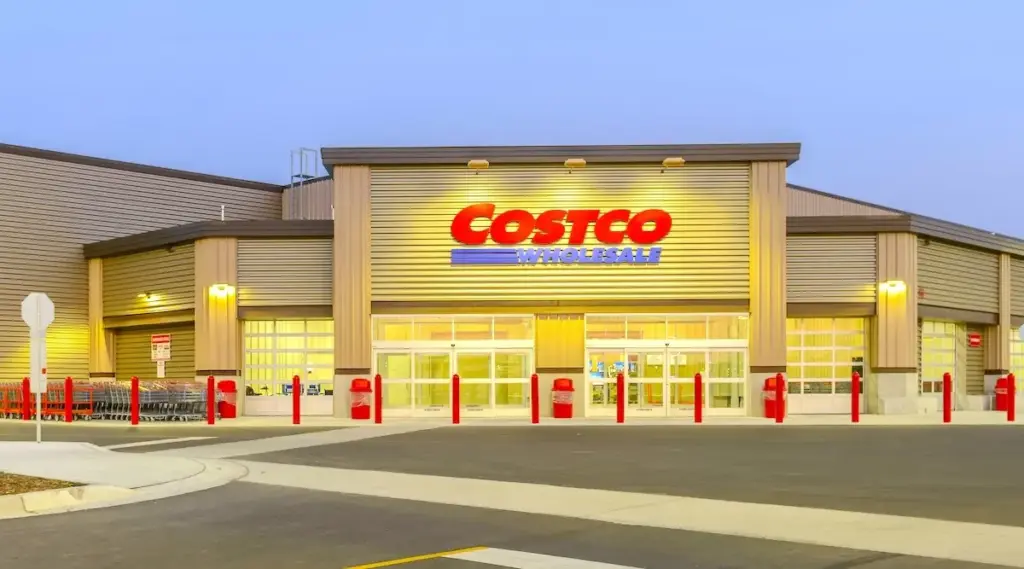
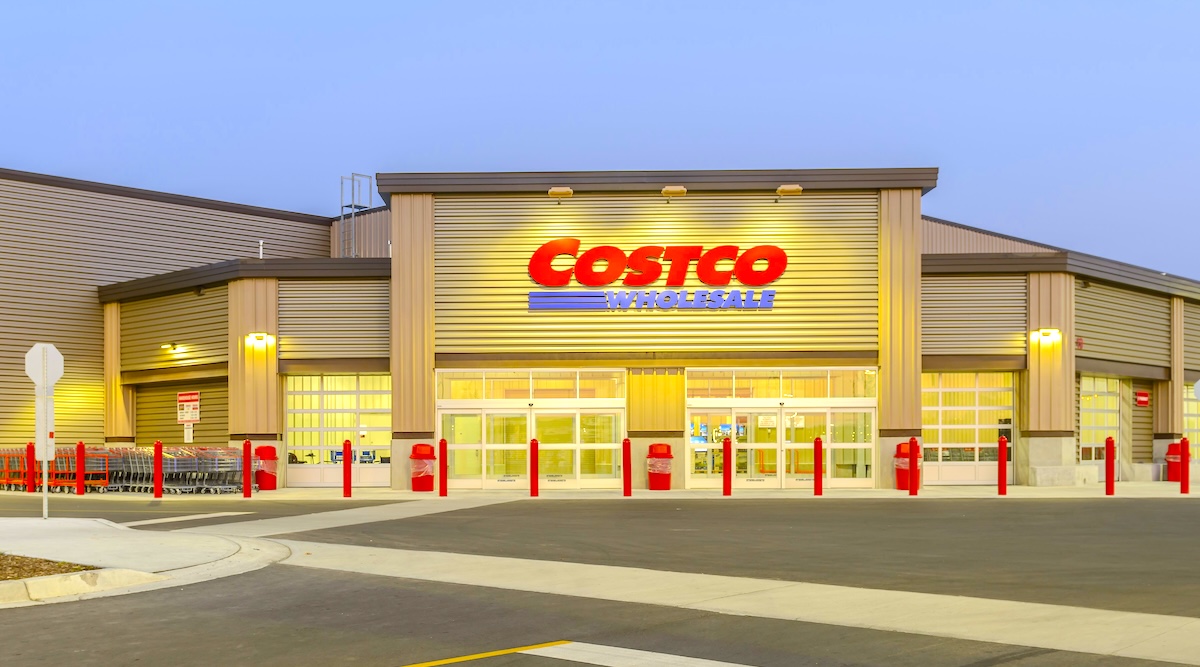
The consequences of this base oil shortage are no longer theoretical. Retail giant Costco Wholesale—an institution renowned for its unwavering commitment to cost containment and consumer value—has taken the extraordinary step of raising the price of its popular Kirkland Signature full-synthetic motor oil while simultaneously implementing strict purchase rationing. For a company historically viewed as a steadfast bulwark against inflation, this operational pivot signals that the stress on the internal combustion engine (ICE) maintenance ecosystem has reached a critical juncture.
This analysis explores the systemic breakdown of the global motor oil supply chain, examining the compounding factors of geopolitical conflict, shifting refinery economics, and the escalating Total Cost of Ownership (TCO) for traditional fossil-fuel vehicles. Furthermore, it evaluates how these macro-level economic pressures are quietly transforming consumer sentiment, accelerating interest in electric vehicles (EVs), and positioning alternative transportation technologies as a pragmatic shield against ongoing fossil-fuel inflation.
Detailed Chronology: From Regional Conflict to Retail Rationing
The trajectory of the current lubricant crisis can be traced through a clear sequence of geopolitical escalations, maritime disruptions, and downstream manufacturing bottlenecks.
The Spark: Military Escalation in the Middle East
The catalyst for the current inflationary wave in the synthetic oil sector began with military engagements in the Middle East. The initial series of strategic strikes and counter-strikes significantly disrupted maritime transit lanes across vital Middle Eastern oil export corridors. While these actions immediately rattled global crude markets, their downstream impacts on the petrochemical sector took several weeks to fully materialize.
As geopolitical tensions intensified, shipping companies began avoiding high-risk maritime chokepoints. The effective constriction of the Strait of Hormuz forced commercial carriers to seek alternative, longer, and considerably more expensive shipping routes around the Horn of Africa or through constrained regional corridors. These logistical rerouting expenses compounded the baseline cost of moving raw petrochemical feedstocks across international waters.
Early Warning Signs in Regional Markets
By late spring, the preliminary warning signs of a looming lubricant shortage began appearing at the retail level. In May, local investigative reporting from network affiliates in key U.S. distribution hubs, such as Las Vegas, Nevada, highlighted emerging supply chain friction affecting major retailers, including Walmart and Costco. Regional automotive service shops reported irregular deliveries of high-demand synthetic oil grades, forcing procurement managers to scramble for alternative wholesale suppliers.
By June, economic analysts and commodities intelligence firms began quantifying the severity of the crisis. Amanda Hay, an analyst with Independent Commodity Intelligence Services (ICIS), noted in communications with national media outlets that the base oil used to blend widely consumed synthetic motor oils had surged to record-setting territory. Specifically, baseline commodity costs had more than tripled compared to pre-conflict averages.
Crucially, economic analysts emphasized a structural vulnerability unique to the United States: while the nation operates as a net exporter of refined transportation fuels like gasoline and diesel, it functions as a net importer of base oils. High-grade synthetic lubricants require specialized chemical feedstocks and processing infrastructure that are not produced in sufficient quantities domestically. Consequently, American lubricant blenders rely heavily on imported base stocks, exposing them directly to global shipping tariffs, currency fluctuations, and maritime supply chain blockades.
The Costco Turning Point
The crisis transitioned from a behind-the-scenes supply chain challenge into an undeniable consumer reality when major wholesale clubs adjusted their pricing structures and purchasing policies.
News emerged that Costco had escalated the price of its flagship Kirkland Signature full-synthetic motor oil to $58.00 per 10-quart container. Historically, this product served as an anchor of affordability, with prices traditionally hovering in the mid-$30 range.
More telling than the price adjustment itself was the implementation of strict rationing. To prevent panic buying and inventory depletion, Costco instituted a purchasing cap limiting members to a single transaction per visit, with a cumulative restriction of no more than two transactions per rolling seven-day period.
Automotive industry observers immediately recognized these measures as an unprecedented departure from standard wholesale operating procedures. Because Costco’s business model depends on maintaining low margins and high volume, a dramatic price surge accompanied by rationing serves as a definitive macroeconomic indicator that the underlying production and distribution costs for synthetic lubricants have entered an unsustainable phase.
Compounding Disruptions: The Red Sea and Bab el-Mandeb Chokepoints
Even as retail outlets attempted to manage consumer demand, geopolitical tensions continued to exacerbate maritime logistics. The security situation in the Middle East deteriorated further when regional militant factions launched coordinated attacks targeting shipping infrastructure and alternative pipeline routes.
The strategic capture of strategic islands along the Bab el-Mandeb Strait—utilized by global shippers as an alternative pathway following the effective closure of the Strait of Hormuz—dealt another blow to international maritime commerce. Simultaneously, drone strikes originating from regional actors targeted critical Saudi Arabian pipeline infrastructure, forcing operators to temporarily suspend alternative overland transport routes.
These compounding logistics failures ensured that the cost of moving raw and refined petrochemicals remained elevated, permanently altering the cost structure of automotive maintenance supplies.
Supporting Context & Metrics: The Economics of Base Oils and ICE Maintenance
To fully understand why a gallon of synthetic motor oil has transformed into a luxury-tier automotive expense, one must examine the underlying chemistry, refinery economics, and long-term trends governing internal combustion engine maintenance.
The Refinery Dilemma: Fuel Versus Lubricants
Base oils—the primary chemical foundation that lubricant manufacturers blend with performance-enhancing chemical additives to create finished motor oil—are not manufactured in isolation. They are derived directly from the same barrel of crude oil that yields gasoline, diesel, and jet fuel.
During the refining process, petroleum engineers fractionate crude oil into various boiling-point cuts. Heavy gas oil fractions can either be processed into transportation fuels through cracking units or refined through specialized hydroprocessing to produce high-purity base oils.
When geopolitical conflicts drive up the demand and market value of diesel and gasoline, refinery margins shift decisively in favor of fuel production. Refiners can realize higher profits by directing heavy petroleum fractions toward fuel cracking rather than committing capacity to the lengthy, capital-intensive processing required to manufacture high-grade base oils.
Consequently, base oil supply tightens across the board. When supply contracts while global demand remains steady or increases, feedstock prices follow crude and crack-spread swings upward, eventually translating into significantly higher price tags on retail shelves.
The Evolution of Modern Engine Requirements
It is inaccurate to attribute the rising cost of motor oil solely to geopolitical conflict. The trajectory of lubricant pricing has been climbing steadily for years due to the increasing mechanical sophistication of modern internal combustion engines.
Over the past decade, automotive manufacturers have engineered smaller, turbocharged, and direct-injected engines designed to maximize fuel efficiency and comply with stringent federal emissions standards. These advanced powerplants operate under extreme internal temperatures, higher mechanical tolerances, and increased pressures compared to their older, naturally aspirated predecessors.
As a result, modern engines cannot rely on conventional mineral-based lubricants. They require sophisticated full-synthetic oils formulated with specialized additive packages to prevent premature engine wear, reduce sludge accumulation, and withstand thermal degradation. These advanced formulations require higher-purity base oils, making the entire maintenance category more vulnerable to chemical feedstock shortages and rising manufacturing costs.
Total Cost of Ownership (TCO) Implications
For the average owner of a conventional gasoline-powered vehicle, purchasing motor oil may not represent a weekly or monthly expenditure, but the cumulative financial burden is mounting. Routine oil changes, which previously offered a relatively inexpensive method of preventive vehicle maintenance, have risen in price across independent service shops, quick-lube franchises, and dealership service centers.
When combined with volatile retail fuel prices, routine maintenance, spark plug replacements, timing belt services, and emissions system upkeep, the Total Cost of Ownership (TCO) for internal combustion engine vehicles is facing unprecedented upward pressure. Every additional expense—whether it is a surge in gasoline prices or a jump in synthetic oil costs—adds another financial increment to the lifetime operating expenses of traditional vehicles.
Official Statements and Industry Perspectives
Industry analysts, automotive journalists, and market researchers have offered distinct perspectives on how the convergence of geopolitical conflict and supply chain vulnerabilities is reshaping consumer transportation habits.
Market analysts specializing in petrochemicals emphasize that the structural deficit in domestic base oil production will not be easily resolved. Amanda Hay of Independent Commodity Intelligence Services highlighted the precarious nature of U.S. supply dependencies, noting that structural reliance on foreign base oil imports leaves American consumers completely exposed to overseas supply disruptions.
Automotive trade publications have similarly focused on the symbolic importance of the Costco rationing protocols. Shawn Henry, reporting for The Auto Wire, underscored the abnormality of the retail giant’s recent policy shifts:
"Base oil, the feedstock lubricant blenders turn into finished motor oil, comes out of the same barrel of crude as gasoline and diesel. When refiners can earn more money finishing a barrel into fuel than into lubricant stock, base oil supply tightens and its cost follows crude and crack-spread swings all the way up the chain, eventually arriving at a jug on a Costco shelf."
Meanwhile, energy and transportation analysts are observing a distinct psychological shift among prospective car buyers. Public interest in alternative fuel vehicles, particularly battery-electric vehicles (EVs), has shown measurable sensitivity to fossil fuel market volatility.
While historical data indicates that short-term spikes in gasoline prices do not automatically translate into immediate, permanent shifts in consumer purchasing behavior, prolonged macroeconomic instability within the traditional vehicle maintenance and fueling ecosystem is causing fence-sitting consumers to re-evaluate their automotive options. The recurring financial friction associated with maintaining an internal combustion engine is prompting drivers to calculate the long-term economic advantages of powertrain electrification.
Future Outlook: The Acceleration of EV Adoption and Strategic Interventions
As the global economy navigates an era of heightened geopolitical instability and persistent commodity inflation, the long-term outlook for internal combustion vehicle ownership points toward sustained financial pressure.
The Expanding TCO Advantage for Electric Vehicles
All macroeconomic indicators suggest that the Total Cost of Ownership for conventional fossil-fuel vehicles will continue to trend upward. The intersection of volatile crude oil supplies, maritime shipping bottlenecks in the Middle East, structural refinery shifts favoring fuel over lubricants, and the complex engineering requirements of modern engines guarantees that traditional vehicle maintenance will remain an expensive proposition.
In contrast, battery-electric vehicles operate on a fundamentally different economic paradigm. Fully electrified vehicles are entirely immune to fluctuations in gasoline, diesel, and motor oil prices. While EVs require routine maintenance—such as tire rotations, cabin air filter replacements, and brake fluid inspections—they eliminate the vast majority of mechanical moving parts, including internal combustion engines, transmissions, exhaust systems, and lubrication circuits.
Even though battery-electric vehicles frequently carry a higher upfront purchase price compared to their internal combustion counterparts, their significantly lower operating and maintenance costs systematically compress the financial gap over the lifecycle of the vehicle. As the operational expenses of maintaining traditional vehicles climb, the financial proposition of transitioning to an EV becomes increasingly compelling for cost-conscious consumers.
Public Charging Infrastructure and Consumer Confidence
The rate at which American consumers transition from EV-curious to EV owners will depend heavily on the continued maturation of supportive infrastructure. Industry observers note that while fuel price shocks and maintenance inflation act as powerful catalysts, consumer confidence relies equally on the reliability and accessibility of public charging networks.
Recent investments in high-speed public charging infrastructure across the United States are helping to alleviate range anxiety and build consumer trust. As public charging becomes as seamless as traditional fueling, the friction points that once deterred mainstream buyers are steadily dissolving.
The Role of Strategic Member Incentive Programs
Retail and commercial membership ecosystems are also playing an unexpected role in accelerating alternative vehicle adoption. Organizations that have traditionally served consumers through cost-cutting retail models are leveraging their market influence to encourage sustainable technology adoption.
For example, commercial membership programs such as the Costco Auto Program have established themselves as significant facilitators of automotive transactions. By establishing strategic partnerships with major automotive manufacturers, these programs offer members exclusive, stackable financial incentives on qualifying electric vehicle purchases.
Current incentive frameworks demonstrate how institutional buyers can directly influence consumer decision-making. Programs offering direct purchase rebates on 100% battery-powered electric vehicles—such as Volvo’s lineup of advanced EVs including the EX90, EX40, and EX30 models—provide immediate financial offsets that help bridge the upfront cost differential for buyers.
When consumers combine these membership-based incentives with remaining state and local rebate programs, the math favoring electrification becomes difficult to ignore.
Conclusion
The unexpected intersection of military conflict in the Middle East, maritime supply chain failures, and retail-level motor oil rationing serves as a cautionary tale regarding the fragility of traditional fossil-fuel ecosystems. As maintenance and operating costs for internal combustion engine vehicles climb to unprecedented heights, consumers are being forced to re-examine the true cost of fossil-fuel dependence.
Ultimately, the lubricant crisis highlights a broader industrial transition. While geopolitical instability will continue to introduce volatility into traditional energy and maintenance markets, it simultaneously illuminates the structural resilience, economic predictability, and long-term sustainability of vehicle electrification.



