

Executive Overview
As global environmental pressures mount and the regulatory landscape shifts decisively toward sustainability, consumer packaged goods (CPG) companies face an unprecedented mandate to reduce their reliance on virgin plastics. From sweeping state-level Extended Producer Responsibility (EPR) laws—such as California’s landmark SB 54—to voluntary corporate climate commitments, the pressure to integrate postconsumer recycled (PCR) content into packaging has never been more intense.
Yet, translating regulatory compliance and environmental stewardship into everyday retail reality is far from simple. While policymakers and sustainability advocates push for higher percentages of recycled materials, brands routinely slam into a pair of stubborn, sensory-driven roadblocks: unwanted odors and disconcerting discoloration.
To the average consumer, a package is not merely a vessel; it is a promise of quality, cleanliness, and safety. When recycled plastics introduce a gray or yellow tint, or carry residual whiffs of past applications—ranging from heavy-duty laundry detergents to commercial fragrances—consumer psychology takes over. Shoppers instinctively shy away, assuming the product inside is compromised, spoiled, or unsafe.
Despite these psychological and sensory hurdles, a quiet revolution is underway across the packaging supply chain. Driven by aggressive recycling targets, breakthrough purification technologies, and clever design engineering, brands, converters, and material scientists are proving that the obstacles of PCR are not insurmountable. Through advanced devolatilization, novel chemical recycling processes, strategic material placement, and creative aesthetic overhauls, the industry is gradually turning the corner, paving the way for a more circular economy without sacrificing consumer trust.
Detailed Chronology & Industry Evolution
The integration of postconsumer recycled plastics into consumer-facing packaging has evolved significantly over the past decade, shifting from a niche corporate social responsibility initiative into an urgent, compliance-driven commercial imperative.
The Early Phase: Voluntary Commitments and Basic Blends
In the mid-2010s, as corporate sustainability pledges began taking center stage, early adopters among CPG giants sought to incorporate PCR into their rigid containers and films. However, these initial efforts were largely experimental and plagued by primitive sorting and washing technologies. Recycled resins frequently suffered from severe inconsistency, high contamination rates, and aesthetic degradation. Brands quickly realized that simply swapping virgin plastic for PCR on a one-to-one basis often resulted on-shelf disasters—such as discolored bottles or uncharacteristic chemical smells—leading to high rates of consumer rejection and stalled corporate initiatives.
The Regulatory Turning Point: EPR and Mandatory Minimums
The paradigm shifted dramatically toward the end of the decade and into the 2020s as lawmakers stepped in to accelerate circularity. Rather than relying solely on voluntary goals, states began enacting aggressive packaging policies. California’s passage of SB 54 established a strict framework for producer responsibility, demanding significant reductions in single-use plastic waste and incentivizing the use of recycled content. Similar legislation began cascading through other jurisdictions, forcing CPG brands to secure reliable streams of PCR. Caroline DeLoach, director of sustainability at Atlantic Packaging, notes this legislative wave fundamentally altered client conversations: "A lot of folks are coming to us asking for PCR as a direct result of packaging EPR laws, particularly SB 54."
The Pet Food and Beverage Trials (2020–2023)
As compliance deadlines loomed, brands expanded their testing grounds beyond simple detergent and household cleaner bottles into more sensitive categories, including pet food, food service ware, and beverage containers. Between 2020 and 2023, packaging suppliers like Atlantic Packaging collaborated with major pet food manufacturers to test PCR shrink-bundling films. While early trials revealed unexpected behavioral hurdles—such as cats and dogs detecting residual odors in primary packaging and shying away—systematic testing eventually yielded success. By pivoting to secondary packaging or refining film compositions, suppliers proved that higher PCR percentages (up to 50%) were viable for supply chains.
The Technological Breakthroughs (2024–Present)
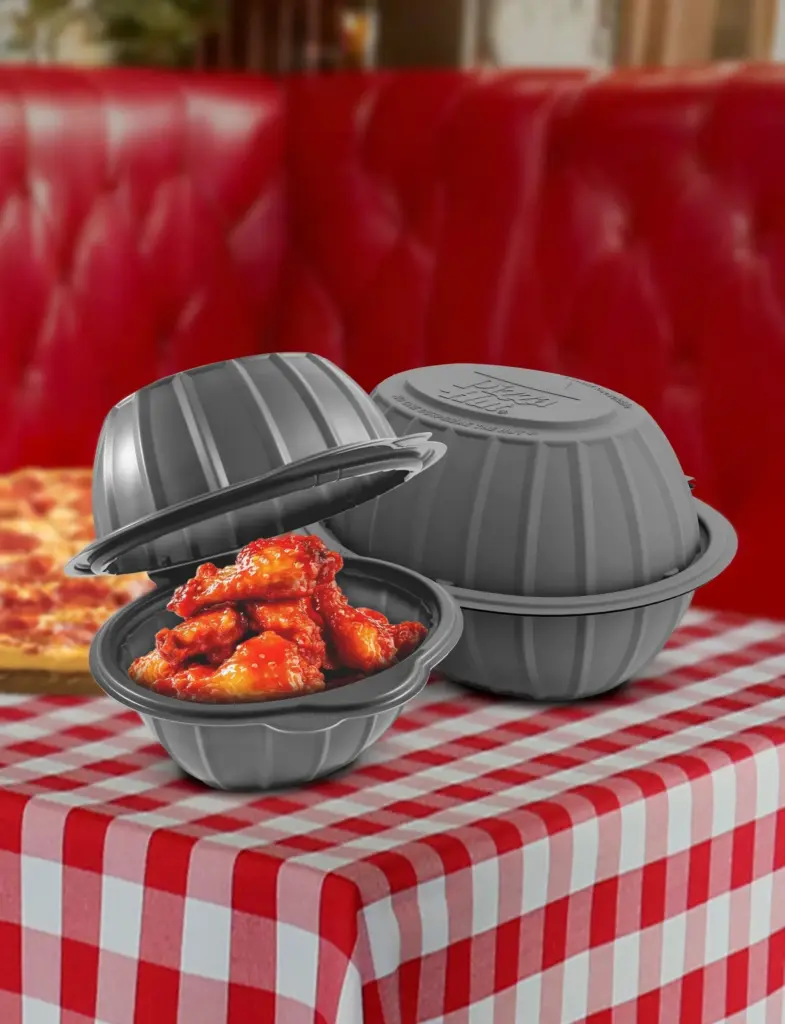
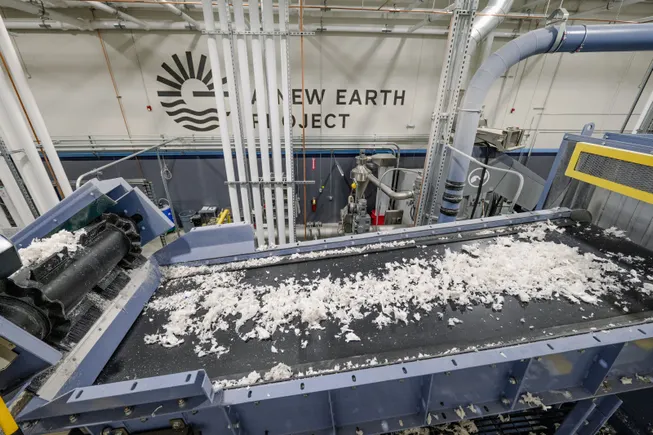
Most recently, the industry has entered an era defined by advanced chemical and mechanical engineering. The introduction of cutting-edge technologies—such as PureCycle Technologies’ dissolution purification process, Procter & Gamble and Lindner’s Flexloop extraction system, and Nextloopp’s FDA-approved food-grade recycled polypropylene process—has redefined what is possible. No longer reliant solely on rudimentary washing, modern reclaimers are actively stripping out volatiles, inks, and adhesives. Concurrently, iconic partnerships, such as Pizza Hut and Anchor Packaging’s award-winning charcoal wing bowl, have demonstrated that when design, chemistry, and functionality are harmonized, PCR can successfully elevate rather than hinder a brand’s market position.
Supporting Context & Metrics: The State of PCR Uptake
To understand the magnitude of the challenge facing the packaging industry, one must examine the current metrics governing recycled material adoption.
According to the U.S. Plastics Pact’s latest annual report, the average utilization rate of PCR or responsibly sourced bio-based content in plastic packaging sits at a modest 14%. While skeptics might view this figure as an indicator of stagnation, industry leaders emphasize that progress is steady and cumulative. Crystal Bayliss, executive director of the U.S. Plastics Pact, describes the trend as "steady and incremental progress," noting that year-after-year reports reveal consistent, albeit gradual, upward movement in PCR uptake across sectors.
The Core Sensory Limitations: Odor and Optics
The low overall adoption rate is heavily dictated by two primary physical limitations inherent to recycled polymers:
-
Olfactory Contamination (Odor):
According to Scott Trenor, technical director at the Association of Plastics Recyclers (APR), odor is an acute issue particularly prevalent in polyolefins. Consumer goods packaged in plastics—such as detergents, personal care items, and heavily fragranced household cleaners—leave behind chemical residues. When a conventional reclaimer washes these materials at elevated temperatures, the sensory result can be overwhelming. As Trenor colorfully puts it, "It smells like you took all of the laundry detergents in the laundry aisle and heated them up." Furthermore, secondary contaminants like paper labels create severe olfactory issues during thermal processing. Because paper does not melt but instead burns, it imparts a distinct, smoky odor into the resulting PCR pellets. -
Visual Degradation (Optics):
Heat exposure during successive processing cycles, coupled with residual organic matter from prior uses, gives PCR an inherent yellow or gray tint. In consumer goods, aesthetics drive purchasing decisions. When Unilever altered the PCR resins used for its Hellmann’s mayonnaise bottles, the resulting packaging acquired a slight gray tint. Unfamiliar with the change, consumers initially feared the product was spoiled or defective. Similarly, in paper towel and tissue packaging, consumers expect crisp, clean, bright packaging; a gray-tinted bundling film triggers immediate subconscious resistance regarding product cleanliness.
Official Statements and Expert Perspectives
Industry leaders on the front lines of packaging design and recycling technology offer deep insights into the mechanical realities and creative solutions required to overcome these barriers.
-
Scott Trenor, Technical Director, Association of Plastics Recyclers:
Reflecting on the chemical nature of recycled resins, Trenor emphasizes the importance of advanced thermal treatment and design alignment. Discussing the olfactory challenge of polyolefins, he notes that modern devolatilization techniques are increasingly effective at stripping out volatile fragrances. Regarding the cost-benefit analysis of innovative PCR solutions—such as Pizza Hut’s charcoal-colored wing bowl—Trenor highlights that smart design can offset raw material premiums: "The cost savings on that front-end covered the additional cost of the recycled content." -
Caroline DeLoach, Director of Sustainability, Atlantic Packaging:
DeLoach highlights how regulatory pressures are colliding with practical supply chain execution, particularly in sensitive sectors like pet care and logistics. Detailing the sensory sensitivities of animals, she explains why primary packaging presents unique hurdles: "Dogs and cats’ acute senses of smell picked up the PCR scent in primary packaging and the animals shied away from those products." However, by shifting PCR integration to B2B or secondary applications—such as stretch films and shrink bundling—brands can bypass consumer optical concerns entirely: "Stretch film is something the consumer would never see. If we have slight changes in color, it doesn’t matter as much." -
Crystal Bayliss, Executive Director, U.S. Plastics Pact:
Addressing the broader industry trajectory and the necessity of creative packaging architectures, Bayliss stresses that overcoming visual and olfactory hurdles requires a holistic approach. By utilizing multi-layer configurations, strategic middle layers, tamper-evident closures, or full-coverage labeling that masks underlying color variations, brands can successfully meet sustainability targets without sacrificing shelf appeal. As Bayliss summarizes: "With a little creativity, the sky’s the limit." -
Erik Johnson, Product Director, Churchill Container:
Focusing on the food service and entertainment sector, Johnson underscores the absolute intolerance consumers have for sensory defects in items that interact directly with their senses. Discussing the development of reusable stadium cups destined for major sports events, Johnson states plainly: "Consumers won’t buy a product if the drink container smells bad." This realization drove Churchill to partner with advanced purification firms to deliver high-performance cups that meet rigorous consumer standards.
Future Outlook: Technology, Creativity, and the Path Forward
Looking toward the horizon, the successful normalization of postconsumer recycled plastics will depend on the convergence of three critical pillars: advanced purification technologies, strategic supply chain architecture, and consumer-facing design ingenuity.
The Technological Vanguard
The financial and technical gap between virgin plastics and PCR is rapidly closing thanks to next-generation chemical and mechanical innovations.
- Dissolution Purification: Companies like PureCycle Technologies are spearheading methods that strip contaminants at a molecular level, yielding virgin-like resins completely devoid of the odors and colors that historically plagued recycled polypropylene.
- Advanced Extraction Systems: Collaborative ventures, such as Procter & Gamble and Lindner’s Flexloop technology, successfully strip away stubborn surface inks, adhesives, and deep-seated odors, opening the door for PCR integration into high-end personal care and cosmetics packaging.
- FDA-Approved Food-Grade Resins: Regulatory milestones, including Nextloopp’s recent U.S. Food and Drug Administration approval for its recycled polypropylene process, signal a massive expansion in the availability of safe, food-contact-approved PCR streams.
Strategic Placement and Design Ingenuity
Until the cost of advanced recycling tech achieves parity with virgin production, CPG brands are adopting clever architectural workarounds to maximize PCR usage while mitigating consumer friction:
- Hiding in Plain Sight: Expanding PCR use into secondary and tertiary packaging—such as pallet stretch wraps, shrink bundles, and corrugated outer boxes—allows brands to hit sustainability quotas while bypassing consumer-facing optical concerns.
- Multi-Layering and Masking: Utilizing PCR exclusively in the internal core layers of multi-layer films or containers ensures that recycled material never comes into direct contact with the product or the consumer’s senses. Furthermore, full-body sleeve labels and deliberately rich color palettes (such as charcoal grays and deep blacks) effectively mask inherent discoloration.
- Holistic Systems Engineering: As demonstrated by the collaboration between Anchor Packaging and Pizza Hut, higher material costs can be neutralized if the packaging is engineered to improve operational efficiency elsewhere in the workflow—such as eliminating auxiliary dishware or streamlining prep times.
Conclusion
The journey toward a circular economy for plastics is fraught with sensory and psychological challenges. Odor, discoloration, and consumer aversion are formidable opponents. However, as regulatory frameworks tighten and technology matures, the packaging industry is proving that innovation thrives under pressure. By combining rigorous scientific purification with imaginative structural design, brands are transforming recycled plastics from an operational liability into an badge of genuine environmental leadership. The future of packaging is circular, sensory-neutral, and firmly within reach.



