

Executive Overview
For nearly half a century, the global marine environment has undergone a profound, accelerating transformation. Once-thriving underwater ecosystems characterized by dense canopies of bull kelp, vibrant coral reefs, and an abundance of apex predators and marine mammals are now on the front lines of global climate change. Against this backdrop of ecological loss, the narrative of ocean conservation is increasingly defined by the intersection of firsthand witness accounts, rigorous scientific exploration, and the tireless advocacy of legendary oceanographer Dr. Sylvia Earle.
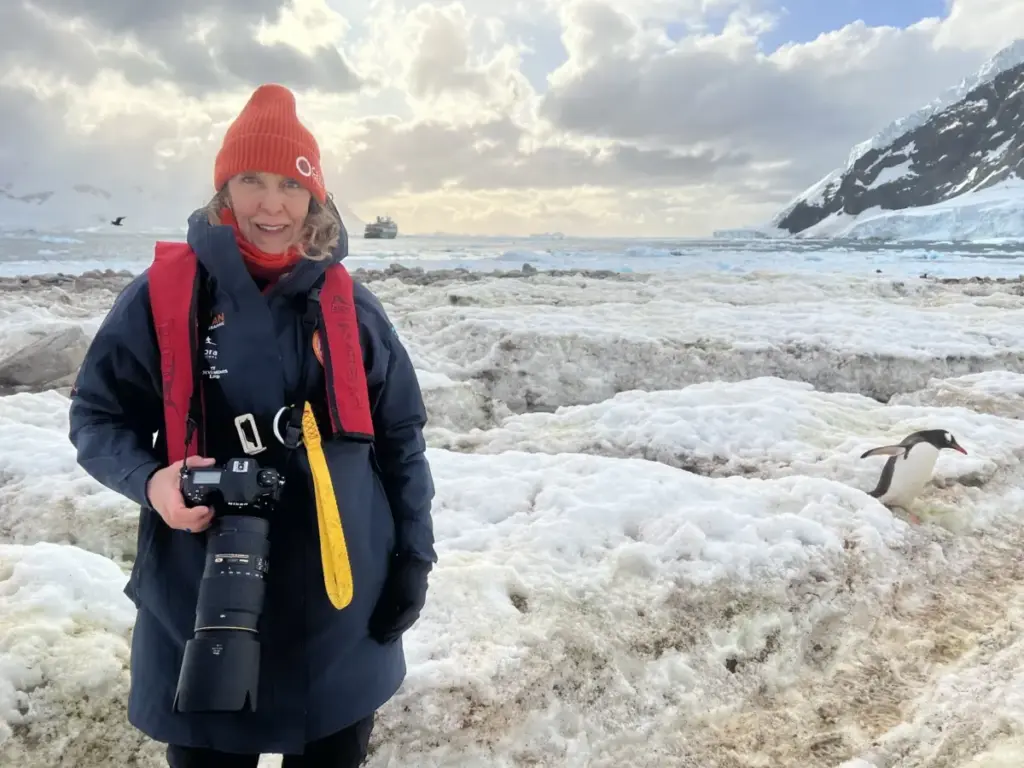
This report examines the half-century journey of veteran diver, underwater photographer, and environmental advocate Virginia Bria. Through a professional lens, this feature explores Bria’s 49-year immersion in marine environments, her pivotal alignment with Dr. Earle’s global conservation initiative, Mission Blue, and the critical role of international "Hope Spots" in safeguarding marine biodiversity. Furthermore, this article highlights the emerging generation of youth ocean ambassadors whose recent mobilization during the 2025 BIG ACE Expedition aboard the Vessel Sylvia Earle offers a resilient counter-narrative to climate despair. By analyzing historical ecological shifts, policy implications in protected areas like Cuba’s Jardines de la Reina, and the generational transfer of environmental stewardship, this piece provides an authoritative overview of the ongoing battle to preserve the planet’s blue heart.
Detailed Chronology: A 49-Year Lens on Marine Transformation
The Golden Era of Coastal Diving (The Late 1970s – 1990s)
Virginia Bria’s relationship with the ocean began nearly five decades ago along the rugged coast of Northern California. During this foundational period, the underwater landscape of the Pacific Northwest and Northern California was defined by its resilience and biological density. Divers frequently navigated dense, cathedral-like canopies of bull kelp (Nereocystis luetkeana) that stretched from the seabed to the surface, acting as vital nurseries for finfish, invertebrates, and marine mammals.
As a certified dive instructor and passionate photographer, Bria documented an ecosystem rich in biodiversity. Schools of rockfish, populations of sea otters, and intricate benthic communities were constants in these cold, nutrient-rich waters. The ocean functioned as an untouched sanctuary—a realm of profound silence and biological equilibrium that demanded little from humanity in return for the peace and perspective it provided.
The Great Unraveling: Climate Change and the Loss of Northern California Kelp
As the decades progressed, the subtle indicators of ecological stress morphed into overt systemic collapse. Most recently, the Northern California coast has become ground zero for a devastating ecological cascade. Driven by marine heatwaves—exacerbated by global climate change—combined with the decimation of sunflower sea stars by sea star wasting disease, purple sea urchin populations exploded.
These unchecked urchin populations overgrazed the bull kelp forests, transforming once-productive underwater canopies into barren "urchin barrens." Bria and fellow veteran divers witnessed firsthand the catastrophic disappearance of the fish, marine mammals, and invertebrates that once defined the region. This localized devastation mirror-imaged a global trend: coral bleaching events, acidification, and overfishing were systematically unraveling marine life across every ocean basin.
Crossing Paths with Dr. Sylvia Earle and the Birth of Mission Blue
Faced with the degradation of her local waters, Bria sought out larger platforms for systemic marine protection. Her path crossed with Dr. Sylvia Earle—former chief scientist of the National Oceanic and Atmospheric Administration (NOAA) and Time magazine’s first "Hero for the Planet"—on various diving expeditions and speaking engagements throughout the San Francisco Bay Area and the Explorers Club.
A watershed moment occurred in 2015 when Bria participated in her first Elysium Artist for the Arctic Expedition. Diving alongside Dr. Earle in the remote Arctic waters on Dr. Earle’s 80th birthday solidified Bria’s commitment to the legendary scientist’s vision. She was immediately drawn to Mission Blue, an initiative founded by Dr. Earle under the auspices of the Sylvia Earle Alliance. Mission Blue aims to spark public awareness and build a global coalition to protect marine areas through the establishment of "Hope Spots"—special places scientifically identified as critical to the health of the ocean.
Supporting Context & Metrics: The Science of Hope Spots and Global Conservation
Case Study: Jardines de la Reina, Cuba
Among the vast network of global Hope Spots championed by Mission Blue, few illustrate the success of proactive conservation quite like the Jardines de la Reina (Gardens of the Queen) marine nature park in Cuba. Bria had the unique opportunity to dive in this pristine archipelago alongside Dr. Earle to document the region’s ecological wealth.
+-----------------------------------------------------------------+
|                   JARDINES DE LA REINA METRICS                  |
+--------------------------+--------------------------------------+
| Total Protected Area     | ~2,170 square kilometers             |
| Primary Ecosystems       | Mangroves, Seagrass Beds, Coral Reefs|
| Key Species Protected    | Silk Sharks, Caribbean Reef Sharks,  |
|                          | Hawksbill Turtles, Goliath Grouper   |
| Conservation Status      | Strict No-Take Marine Reserve        |
+--------------------------+--------------------------------------+
The exceptional condition of the Jardines de la Reina serves as a living laboratory for what marine ecosystems can achieve when buffered from industrial fishing and unregulated tourism. Because Cuba restricted commercial diving and large-scale industrial fishing in the area for decades, the coral reefs remained remarkably unspoiled. Mission Blue recognized this strategic opportunity, designating the region as a Hope Spot to catalyze international support and ensure its permanent legal protection against encroaching commercial pressures.
The Mechanics of Planned Giving and Legacy Building
Sustaining global marine conservation efforts requires robust financial and institutional backing. Organizations like Mission Blue rely heavily on philanthropic contributions, grant funding, and structured planned giving programs.
- The Legacy Society: Planned gifts—such as bequests, charitable remainder trusts, and life insurance designations—allow conservationists and ocean enthusiasts to leave a permanent legacy.
- Impact Scaling: These financial instruments provide non-governmental organizations (NGOs) with the predictable, long-term capital required to lobby governments, fund scientific expeditions, and acquire legal protections for fragile marine ecosystems across international waters.
Official Statements and Perspectives
The urgency of modern marine conservation is underscored by the voices of those on the front lines of research and exploration.
Reflecting on her nearly 50-year journey as an underwater photographer, Virginia Bria emphasized the reciprocal, albeit unbalanced, relationship humanity shares with the sea:
"I have explored the ocean worldwide and shared the beauty of nature, which has given me peace and health throughout my life. In return, the ocean never asks anything of me. I cannot imagine the loss of so many sentient creatures I have photographed over the years, and I feel an obligation to protect what I love for the next generation. Sylvia and Mission Blue bring a message of hope to so many, and I want to be one of the voices joining her mission into the future."
The transition of leadership and passion to younger demographics was a defining theme of the recent BIG ACE Expedition 2025 aboard the Vessel Sylvia Earle. With Dr. Earle serving as chief scientist and expedition leader, the voyage brought together veteran scientists and a cohort of international youth ambassadors aged 9 to 24. Commenting on the capability and passion of these young conservationists, Bria noted:
"They were rock stars and reinforced my hope for the future of our planet. On my most recent trip to the Arctic… I was extremely hopeful when a group of youth ambassadors shared what they learned from Sylvia and scientists aboard the Expedition and how they will continue to protect our oceans and make others aware of the devastation and danger to our oceans and mammals with climate change."
Future Outlook: Educating and Empowering the Next Generation
As the global community confronts the escalating realities of climate change, ocean acidification, and biodiversity loss, the trajectory of marine conservation hinges on two primary pillars: scientific advocacy and generational knowledge transfer.
1. Scaling the Hope Spot Network
Mission Blue’s strategy relies on expanding the global network of Hope Spots from localized sanctuaries to a globally interconnected web of protected areas. Achieving the international conservation goal of protecting at least 30% of the world’s oceans by 2030 (the "30×30" initiative) requires scaling these grassroots conservation efforts, securing governmental buy-in, and implementing rigorous policing of no-take marine reserves.
2. Youth-Led Environmental Advocacy
The long-term success of marine protection ultimately depends on mobilizing younger generations. As demonstrated during the BIG ACE Expedition, integrating youth ambassadors directly into high-level scientific expeditions bridges the gap between academic research and public communication. By equipping young leaders with firsthand experiences of rapidly changing environments—such as the receding ice sheets of the Arctic—these ambassadors return to their communities as effective, data-driven advocates.
Conclusion
Virginia Bria’s 49-year retrospective serves as both a cautionary tale of environmental degradation and a beacon of steadfast hope. From the deforested urchin barrens of Northern California to the pristine coral gardens of Cuba and the icy frontiers of the Arctic, the message is clear: the health of the ocean is inextricably linked to the survival of humanity. Through the tireless framework of Mission Blue, the visionary leadership of Dr. Sylvia Earle, and the emerging energy of global youth ambassadors, the blueprint for ocean restoration exists. It now falls to the global community to fund, protect, and enact these conservation imperatives before the window of ecological recovery closes entirely.



