

Executive Overview
As the golden canopy of autumn gently descends upon British gardens, outdoor spaces transition from vibrant zones of growth into landscapes requiring careful stewardship. For the conscientious gardener, this seasonal shift is not merely about tidying away fallen leaves and pruning back spent perennials; it is a critical juncture for sustainable land management. At the heart of this autumnal reset lies composting—a time-honored practice that is currently undergoing a high-tech, ecological renaissance.
To help gardeners revolutionize their approach to organic waste management this season, BBC Gardeners’ World Magazine has partnered with innovative composting pioneers HOTBIN to launch an exclusive, high-value giveaway. Two lucky UK residents will have the opportunity to secure state-of-the-art hot composting bundles worth up to £313 each. This initiative arrives at a pivotal moment when household food waste reduction and regenerative gardening have converged at the top of the national ecological agenda.
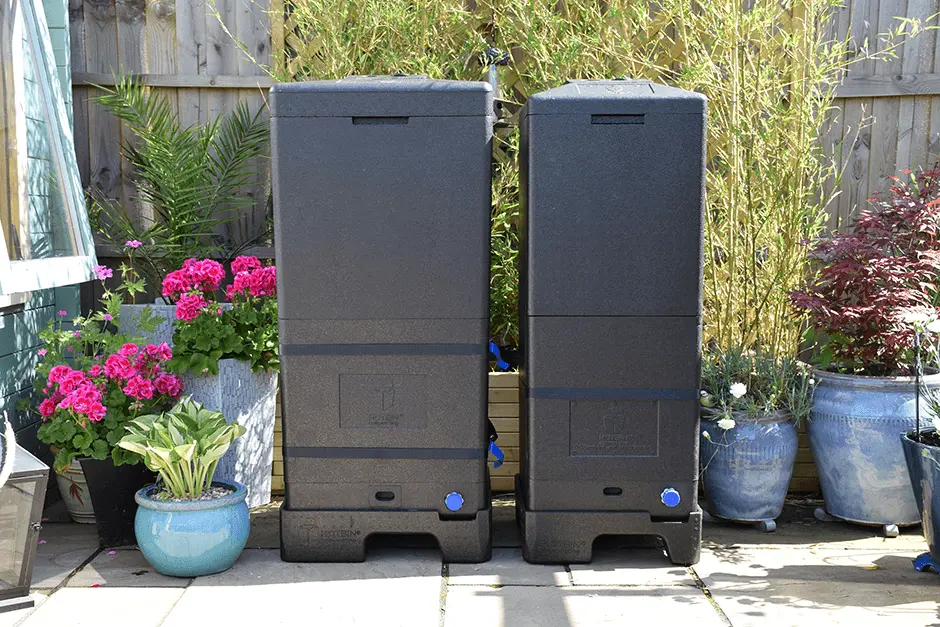
The competition features two premier packages: the HOTBIN Mini 100-litre Essentials Bundle (valued at £243) and the HOTBIN 200-litre Essentials Bundle (valued at £313). Both prizes are meticulously curated to remove the traditional barriers to home composting. Far from the slow, temperamental, and often odor-prone cold compost heaps of the past, modern hot composting units utilize advanced thermal engineering to process kitchen scraps, cooked food, small bones, and garden weeds into nutrient-rich, peat-free compost in as little as 30 days.
Recognized as a BBC Gardeners’ World Magazine Best Buy, HOTBIN has distinguished itself through rigorous testing as the fastest composter on the market and the premier choice for compact outdoor spaces. This authoritative endorsement underscores a broader cultural shift: urban and suburban gardeners alike are demanding high-performance, aesthetically pleasing sustainability solutions that seamlessly integrate into modern lifestyles. This article provides a comprehensive exploration of the science behind hot composting, the mechanics of the giveaway, and the vital role that rapid organic recycling plays in the future of British horticulture.
Detailed Chronology: The Evolution of Modern Composting and the HOTBIN Phenomenon
To fully appreciate the significance of contemporary hot composting systems, one must examine the historical trajectory of organic waste management. For generations, traditional cold composting was accepted as an inevitable exercise in patience. Standard heap and bin systems relied on mesophilic bacteria—microorganisms that thrive in moderate temperatures—to slowly break down garden debris.
However, this traditional method came with significant drawbacks. Cold heaps typically require a precise balance of "green" (nitrogen-rich) and "brown" (carbon-rich) materials, take anywhere from six months to two years to mature, and are notorious for failing to reach temperatures high enough to destroy weed seeds and plant pathogens. Furthermore, conventional heaps cannot safely process cooked food, dairy, meat, or bones without attracting vermin, meaning significant amounts of household food waste still found their way into local authority landfills or general refuse bins.
The turning point in domestic composting technology arrived with the engineering breakthrough of aerobic thermophilic composting—popularly known as "hot composting." By maximizing insulation and optimizing airflow, designers discovered that microbial activity could be supercharged. As thermophilic bacteria multiply, they naturally generate internal temperatures ranging from 40°C to 60°C (and occasionally up to 70°C).
It was within this technological landscape that HOTBIN entered the market, fundamentally redefining what domestic composters could achieve. Over the past decade, the brand has methodically refined its product line, focusing on high-density expanded polypropylene (EPP) construction. This material provides exceptional thermal insulation—comparable to a high-performance cooler box—which traps the biological heat generated by the decomposing bacteria.
The launch of the current giveaway represents the culmination of years of product development and independent industry validation. Having earned the coveted BBC Gardeners’ World Magazine Best Buy status after extensive comparative testing, HOTBIN has transitioned from a niche gardening tool into a mainstream essential for environmentally conscious households. The ongoing competition marks a strategic milestone in educating the public: demonstrating that rapid, year-round composting is no longer an agricultural luxury, but an accessible reality for everyday backyards, patios, and urban gardens across the United Kingdom.
Supporting Context & Metrics: The Science of Rapid Decomposition and Environmental Impact
The mechanics behind the HOTBIN system are rooted in advanced bio-thermal science. Understanding why it works illuminates the profound impact it can have on both an individual garden and the wider environment.
The Thermal Advantage: Speed and Versatility
In a standard compost bin, ambient winter temperatures cause biological activity to plummet, effectively pausing the decomposition process for months at a time. The HOTBIN’s insulated EPP walls prevent heat loss, maintaining active internal temperatures even during freezing winter months. This continuous operation yields two primary advantages:
- Unprecedented Speed: While traditional systems take months or years, a properly managed HOTBIN can convert raw organic matter into finished, nutrient-dense compost in 30 to 90 days.
- Pathogen and Seed Destruction: By consistently sustaining elevated temperatures (typically 40°C–60°C), the system naturally sterilizes the compost, eradicating weed seeds, plant disease spores, and common garden pathogens that would otherwise survive in cold heaps.
Expanding the Composting Palette
Perhaps the most revolutionary aspect of hot composting is its ability to process waste streams previously deemed taboo by traditional composters. While cold heaps caution strictly against cooked meals, meat scraps, dairy, fish, and citrus peels, the HOTBIN’s high-temperature environment and rapid breakdown rate allow it to digest:
- Cooked leftover meals and plate scrapings
- Meat, bones, and seafood waste
- Vegetable peelings, fruit cores, and citrus
- Small amounts of pet waste (such as herbivore bedding)
- Invasive weeds and diseased plant material
Quantifying the Ecological Impact
The environmental implications of widespread domestic hot composting are profound. According to WRAP (Waste and Resources Action Programme), UK households generate millions of tonnes of food waste annually, a significant proportion of which is easily avoidable or recyclable. When organic waste is sent to landfill, it decomposes anaerobically (without oxygen), producing methane—a greenhouse gas with a global warming potential significantly higher than carbon dioxide.
By diverting food and garden waste into a localized hot composter:
- Methane Mitigation: Aerobic composting produces carbon dioxide rather than methane, drastically reducing the carbon footprint of kitchen waste.
- Peat-Free Horticulture: The resulting compost provides a nutrient-rich, sustainable alternative to commercial peat-based composts, helping to protect fragile British peatlands, which act as vital carbon sinks.
- Closed-Loop Living: Nutrients are cycled directly from the kitchen table back into the garden soil, eliminating the carbon emissions associated with commercial fertilizer manufacturing and long-distance transport.
Official Statements and Industry Perspectives
The partnership between BBC Gardeners’ World Magazine and HOTBIN highlights a unified front among horticultural experts, environmental advocates, and product innovators.
Industry analysts note that consumer demand for sustainable gardening tools has skyrocketed over the past five years. Speaking on the integration of high-performance waste systems into domestic spaces, prominent horticultural commentators have frequently emphasized the psychological shift required in modern gardening.
"Composting is no longer just a chore for the dedicated purist; it is the cornerstone of modern regenerative living," notes a leading voice in sustainable horticulture. "When a system can process your Sunday roast leftovers alongside autumn lawn rakings—and deliver rich, usable compost in just one month—it completely alters how a household views its own waste stream. Products like the HOTBIN bridge the gap between rigorous ecological responsibility and everyday convenience."
Representatives from HOTBIN have similarly underscored the mission behind their design philosophy:
"Our goal has always been to remove the friction from composting. Traditional methods often frustrate beginners due to foul odors, pest attraction, or agonizingly slow timelines. By engineering superior thermal insulation and optimizing aerobic airflow, we’ve created a system that works intuitively with nature. Partnering with BBC Gardeners’ World allows us to place these tools directly into the hands of gardeners who are ready to make a tangible difference in their local ecosystems."
The acclaim from independent testing panels further validates these claims. The BBC Gardeners’ World Magazine review team, renowned for their uncompromising and rigorous testing protocols, evaluated the HOTBIN against a crowded market of competitors. Their verdict highlighted not only its unmatched processing speed but also its exceptional space efficiency—proving that high-capacity waste transformation does not require a sprawling country estate.
Prize Details & Giveaway Specifications
The autumn giveaway has been designed to provide winners with a comprehensive, ready-to-use hot composting ecosystem. Rather than offering a barebones unit, HOTBIN has partnered to provide fully equipped Essentials Bundles tailored to different household sizes and spatial requirements.
Prize Tier Options
Two winners will each have their choice of one of the following premium packages:
-
HOTBIN Mini 100-litre Essentials Bundle (Estimated Value: £243)
- Ideal for: Smaller households, urban gardens, courtyards, and patios.
- Capacity: 100 litres of processing volume.
- Footprint: Compact and unobtrusive, designed to fit snugly into tight spaces without sacrificing thermal efficiency.
-
HOTBIN 200-litre Essentials Bundle (Estimated Value: £313)
- Ideal for: Larger families, avid gardeners, and properties with substantial gardens generating higher volumes of green and brown waste.
- Capacity: 200 litres of processing volume.
- Footprint: Generous capacity capable of handling intensive weekly kitchen and garden waste streams.
Bundle Inclusions
Each selected bundle arrives complete with specialized accessories designed to optimize the composting experience:
- The HOTBIN Unit: The core thermally insulated vessel engineered for rapid aerobic decomposition.
- The HOTBIN Plinth: A sturdy base that elevates the composter off the ground. Beyond improving stability, the plinth serves a critical functional purpose: it facilitates the collection of liquid fertilizer (often called "liquid gold"), which can be diluted and used to nourish garden plants.
- The HOTBIN Garden Kneeler: An ergonomic, high-density foam kneeler designed to provide joint comfort during intensive autumn garden clear-ups, harvesting finished compost, and general maintenance tasks.
Future Outlook: The Horizon of Sustainable Gardening
As we look toward the future of horticulture in the United Kingdom and beyond, the intersection of technology and sustainability will only deepen. Climate volatility, municipal waste management pressures, and a surging cultural interest in self-sufficiency are transforming how individuals interact with their local environments.
The rise of high-efficiency hot composting signals a broader transition away from linear "take-make-dispose" consumer models and toward circular systems where waste is conceptually obsolete. In the coming years, industry experts predict that municipal incentives for domestic organic recycling will increase, potentially making systems like the HOTBIN standard fixtures in new-build properties.
Furthermore, innovations in bio-sensors and temperature-monitoring apps are on the horizon, promising even greater precision for home composters. Yet, the foundational principles championed by tools like the HOTBIN—insulation, aeration, and biological synergy—will remain timeless.
For the modern gardener, embracing these tools is about more than just producing free soil conditioner. It represents a proactive stance against environmental degradation, a tangible way to reduce one’s carbon footprint, and a direct participation in the natural cycles of growth, decay renewal. As the competition deadline approaches on 9 November 2026, participants across the UK are reminded that every scrap of organic matter saved from the bin is a step toward a greener, more resilient horticultural future.
How to Enter and Competition Guidelines
To secure your chance of winning one of these transformative composting bundles, review the entry criteria and instructions below:
- Eligibility: Entrants must be UK residents aged 18 or over.
- Closing Date: Entries must be submitted by 23:59 on 9 November 2026.
- Action Required: Visit the official competition portal, answer the qualifying horticultural question correctly, and complete the entry form in accordance with the promoter’s terms and conditions.
- Notification: Winners will be officially notified following the closing date, at which point arrangements will be made to dispatch their chosen HOTBIN Essentials Bundle directly to their home.
Please ensure you review all official competition rules, privacy policies, and cookie consents on the host platform before submitting your entry.



