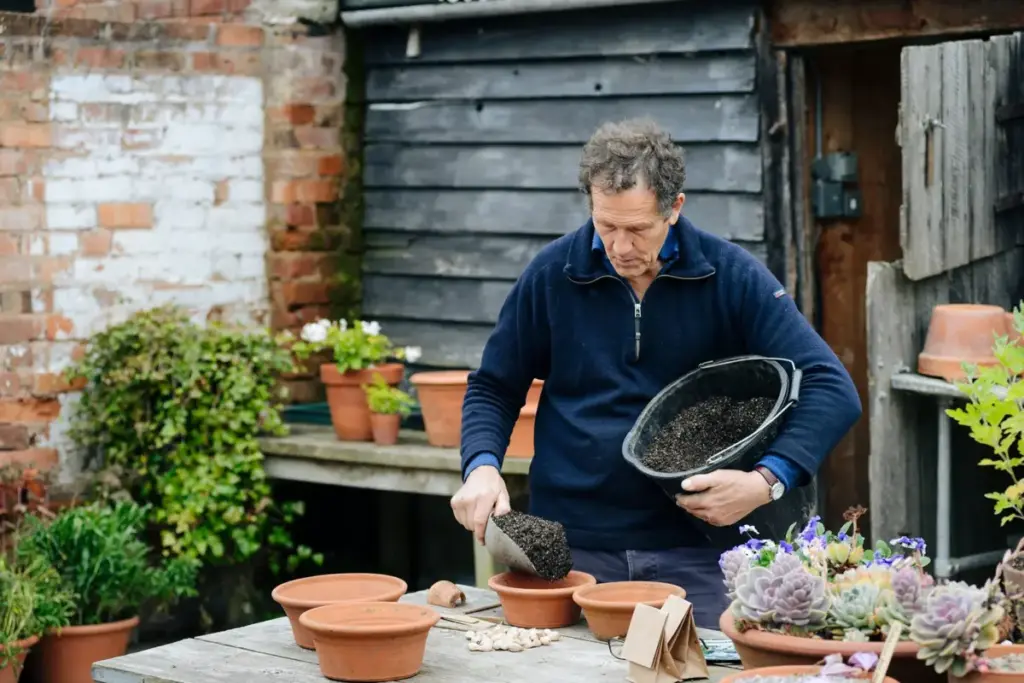
As the golden haze of late summer yields to the crisp, amber mornings of October, the horticultural landscape undergoes a profound transformation. For gardeners, estate managers, and agricultural hobbyists alike, this pivotal month marks the bridge between the vibrant productivity of the growing season and the restorative slumber of winter. October is not merely a period of winding down; rather, it is a strategic window of opportunity requiring decisive action, meticulous planning, and forward-thinking maintenance.
From propagating resilient plant stock through hardwood cuttings and safeguarding vulnerable harvests to preparing sophisticated composting systems and protecting delicate indoor flora, the tasks undertaken this month dictate the vitality of the garden come spring. This comprehensive guide provides an authoritative, deep-dive roadmap into October’s essential gardening and greenhouse protocols. Drawing upon the latest horticultural insights, expert methodologies, and seasonal checklists, we explore the exact scientific and practical measures required to optimize your outdoor and indoor spaces for the challenging months ahead.
Detailed Chronology: Week-by-Week October Action Plan
To successfully navigate the manifold demands of an October garden, a structured, chronological approach is indispensable. As daylight hours wane and soil temperatures begin their inevitable descent, prioritizing tasks ensures that no vital horticultural chore is overlooked.
Week 1: Harvesting the Final Bounties and Raising Cucurbits
The opening week of October often brings the last vestiges of true autumn warmth, making it the ideal time to complete the harvest of summer’s remaining tender crops.
Protecting Pumpkins and Squashes: Pumpkins and winter squashes left directly on damp October soil are highly susceptible to rot, fungal infections, and pest damage as moisture levels rise. Growers must systematically lift these developing fruits off the ground. Placing them on individual slates, boards, or thick layers of straw elevates them into drier air, maximizes sun exposure on all sides, and dramatically aids the final curing and ripening process.
Greenhouse and Water Management: With autumn rains on the horizon, inspect and clean greenhouse structures and water harvesting systems. Clearing debris from gutters and undertaking a thorough interior wash-down prevents the buildup of overwintering pests and fungal spores, ensuring pristine conditions for plants moving indoors.
As deciduous trees and shrubs begin to shed their leaves, their biological activity shifts downward into the root system, rendering October the absolute prime time for taking hardwood cuttings.
Selecting Material: Choose healthy, disease-free current-year shoots from deciduous shrubs, fruit bushes (such as currants and gooseberries), and climbing roses. Shoots should be roughly the thickness of a pencil and measure between 20 to 30 centimeters in length.
Execution and Planting: Make a straight cut just below a bud at the base and a sloping cut at the top to shed rainwater. Insert the cuttings into a well-prepared, trench-like bed filled with gritty, free-draining soil or sharp sand, leaving only the top bud exposed. This method exploits the plant’s natural dormancy to establish a robust root system by spring without the need for sophisticated heated propagation units.
Week 3: Soil Enrichment, Leafmould, and Garden Maintenance
Soil is the living foundation of any successful garden. As beds are cleared of spent summer annuals and exhausted crops, attention must turn to long-term soil structure and fertility.
Harnessing Autumn Leaves: The annual shedding of leaves is often viewed as a tiresome chore, but to the savvy horticulturist, it is free, high-grade organic matter. Gather fallen leaves—particularly those from oak, beech, and hornbeam—and process them into rich leafmould.
Containerized Composting: For urban gardeners or those with limited space, traditional wooden compost bins can be supplemented by heavy-duty, perforated plastic bags or designated wire mesh containers. Moisten the gathered leaves slightly, pack them down firmly, and allow natural fungal decomposition to break them down over the course of 12 to 24 months into a velvety, nutrient-rich soil conditioner.
Week 4: Greenhouse Prep, Water Butt Sanitization, and Indoor Plant Rescues
As the month draws to a close, the threat of the first hard frost becomes an immediate reality, demanding defensive measures across all garden zones.
Water Butt Hygiene: Stagnant water systems can become breeding grounds for anaerobic bacteria, producing foul odors and introducing pathogens into watering cans. Drain and thoroughly clean water butts now before autumn downpours refill them. Scrub the interior walls with a stiff brush and eco-friendly disinfectant, check the taps and filters, and ensure overflow pipes are completely unhindered.
Houseplant Rehabilitation: As central heating systems are switched on indoors, indoor flora faces a sudden drop in ambient humidity and a shift in light levels. October is the critical juncture to transition tender houseplants away from drafty windows and hot radiators, while inspecting them thoroughly for lingering pests such as fungus gnats and spider mites before bringing them into the stable microclimate of the home.
Supporting Context & Metrics: Horticultural Science in October
Understanding the environmental shifts that occur during October allows gardeners to align their practical efforts with biological realities. Temperature, photoperiod (day length), and moisture levels are the primary drivers of plant behavior during this transitional period.
Soil Temperature vs. Air Temperature
While daytime air temperatures can still feel pleasantly mild, soil temperatures begin a steady decline, typically hovering between 10°C and 14°C across temperate zones. This specific temperature range is biologically significant: it is cool enough to induce dormancy in many perennial and woody plants, yet warm enough to encourage root growth in newly planted trees, shrubs, and spring-flowering bulbs. Consequently, October is statistically recognized by agronomic institutions as the optimal month for root establishment, outperforming spring planting when sudden summer heat stress can overwhelm young root systems.
The Leafmould Transformation Metric
Unlike standard garden compost—which relies on a balanced carbon-to-nitrogen ratio and bacterial activity driven by heat—leafmould decomposition is a slow, cold process dominated by specialized fungi and actinomycetes. Research indicates that leaves processed properly in bags or bins lose approximately 70% to 80% of their original volume within 18 months. The resulting leafmould boasts a cation exchange capacity far superior to peat, making it an invaluable, sustainable medium for retaining soil moisture and improving friability in heavy clay or sandy soils.
Official Statements & Expert Perspectives
Leading voices in the horticultural community emphasize that October requires a paradigm shift in how gardeners perceive garden labor—moving away from frantic maintenance and toward strategic, ecological stewardship.
"October is the silent engine room of the horticultural year," notes Dr. Elizabeth Vance, Senior Agronomist at the Royal Horticultural Society. "What you plant, protect, and propagate in these thirty-one days dictates the biological resilience of your entire landscape next spring. Gardeners who skip October preparation are invariably fighting an uphill battle against poor soil structure, pest outbreaks, and weak root establishment when the growing season returns."
Similarly, renowned houseplant specialist and author Sarah Gerrard-Jones highlights the importance of seasonal indoor transitions:
"We often forget that our indoor jungles are just as sensitive to the march of the seasons as our outdoor borders. When the heating goes on in October, relative humidity drops dramatically. Treating this month as a crucial rescue and rehabilitation window—checking root health, adjusting watering schedules, and boosting humidity—prevents the catastrophic leaf drop and pest infestations that plague indoor plants during mid-winter."
Furthermore, prominent organic gardening advocate James Montgomery stresses the financial and environmental value of utilizing garden "waste":
"Buying packaged soil conditioners and chemical plant foods is entirely unnecessary when October hands us an abundance of free organic wealth. Every fallen leaf is a package of minerals mined from the deep subsoil by mature trees. Turning those leaves into rich, dark leafmould is the ultimate act of ecological recycling, returning vital organic matter directly back into our cultivation beds."
Future Outlook: Preparing for Winter and Beyond
Looking beyond the immediate chores of October, the actions taken during this crucial month cast a long shadow over the future performance of the garden. As climate patterns become increasingly unpredictable—characterized by erratic rainfall events, milder winters punctuated by sudden, severe frost events, and prolonged summer droughts—the resilience built into a garden in autumn is more critical than ever.
Climate Resilience Through Soil Health
By prioritizing soil conditioning in October—incorporating leafmould, applying protective organic mulches, and establishing deep-rooted hardwood cuttings—gardeners are effectively climate-proofing their plots. Healthy soils with high organic matter content act as massive sponge-like reservoirs, mitigating the impacts of both torrential autumn downpours (by preventing runoff and soil erosion) and summer water restrictions (by retaining vital moisture deep within the profile).
Biodiversity and Overwintering Habitats
A forward-thinking October strategy also embraces ecological stewardship. Rather than aggressively clearing every square inch of the garden down to bare earth, modern sustainable horticulture encourages leaving certain perennial seed heads, hollow plant stems, and undisturbed leaf piles intact. These micro-habitats provide essential overwintering sanctuaries for beneficial insects, pollinators, and small mammals, ensuring a balanced, self-regulating ecosystem when spring arrives.
Exclusive Seasonal Offers to Kickstart Your Planning
To assist gardeners in maximizing the potential of this critical planting and preparation window, premier horticultural suppliers have partnered with leading gardening publications to provide exclusive seasonal incentives:
Classic ‘Old English’ Shrub Rose Collection: Elevate your garden’s sensory profile with a premium selection of five heavily fragrant, bare-root shrub roses. Engineered to provide continuous blooms for up to six months of the year, this collection is currently available via specialized nursery partners at a heavily discounted rate, offering exceptional value for autumn border transformations.
Spring Bulb Planting Incentives: Make the most of October’s ideal soil conditions by stocking up on spring-flowering bulbs—including daffodils, tulips, and alliums. Leading bulb specialists are offering free postage on all autumn orders using dedicated promotional codes (such as GWNOV26), ensuring your garden beds and containers are primed for a breathtaking explosion of color when winter finally recedes.
By embracing these comprehensive strategies, expert methodologies, and forward-looking practices, gardeners can navigate October with absolute confidence, transforming a traditionally quiet month into the foundation of a thriving, resilient, and breathtakingly beautiful landscape.