Executive Overview
In the modern agricultural landscape, the survival and proliferation of regenerative organic farming depend on a commodity more precious than topsoil: actionable, scientifically verified knowledge. For more than 75 years, the Rodale Institute has stood as a global pioneer in regenerative agriculture, proving through decades of rigorous research that farming in harmony with nature heals the earth, revitalizes rural economies, and produces nutrient-dense food.
However, a profound bottleneck has historically limited the reach of this vital education. Operating out of its flagship Pennsylvania campus, the Rodale Institute Farmer Training (RIFT) program has traditionally trained roughly a dozen agricultural entrepreneurs per year through its immersive, nine-month in-person curriculum. While immensely successful, this physical residency model could only touch a fraction of the farmers desperately seeking guidance. Farming is a grueling, 24/7 vocation that leaves little room for vacations, let alone multi-month relocations for continuing education.
To bridge this widening knowledge gap, the Rodale Institute has launched a transformative virtual campus. By translating over three years of carefully curated RIFT curriculum into high-definition, university-level digital coursework hosted on the robust Canvas learning management system, the Institute is scaling its educational footprint exponentially. The newly expanded digital initiative is engineered to accommodate up to 6,500 farmers nationwide.
By combining rigorous academic science—ranging from advanced entomology and soil carbon sequestration to cost accounting and organic certification protocols—with unprecedented digital accessibility, the Rodale Institute is democratizing sustainable agriculture. This article examines the genesis, technological infrastructure, collaborative partnerships, and long-term vision of a platform aiming to become the definitive "YouTube of regenerative agriculture," anchored by unyielding scientific integrity and peer-to-peer community building.
Detailed Chronology: The Evolution of Rodale’s Educational Outreach
To understand the monumental shift represented by the new virtual platform, it is necessary to trace the historical timeline of agricultural education at the Rodale Institute, highlighting the deliberate steps taken to bring legacy research into the digital age.
The Foundation of Practical Research (1940s–2000s)
Since J.I. Rodale founded the Institute in 1947, the organization has dedicated itself to researching the connections between soil health, food quality, and human wellness. For decades, education was disseminated primarily through pioneering publications like Organic Gardening and The New Farm, as well as on-site field days and academic papers. While these mediums reached millions of readers, they lacked the structured, comprehensive framework required to train commercial-scale agricultural entrepreneurs from scratch.
Launch of the RIFT Program (Early 2000s)
Recognizing that transitioning from conventional to regenerative organic systems requires deep, hands-on mentorship, the Institute established the Rodale Institute Farmer Training (RIFT) program at its Pennsylvania headquarters. Designed as an intensive, nine-month residential immersion, RIFT combined classroom instruction with grueling physical labor in the fields. Graduates emerged as highly capable organic farm managers and business owners. Yet, the physical constraints of the campus meant that program capacity remained tightly capped at roughly a dozen trainees annually—a drop in the bucket compared to the thousands of American farmers interested in transitioning away from synthetic inputs.
The Digital Pivot and Curriculum Capture (2020–2023)
As global demand for organic food surged alongside worsening climate- and supply-chain pressures, leadership at the Rodale Institute recognized that scaling their physical footprint was economically and logistically unfeasible. In response, the education team initiated a multi-year project to capture the entire RIFT curriculum on video. Over a three-year development cycle, instructors recorded lectures, field demonstrations, and laboratory analyses, systematically breaking down decades of accumulated institutional knowledge into modular, digestible lessons.
The Launch of the Virtual Campus (Present Day)
With the integration of the Canvas learning management system, the virtual extension of RIFT officially went live. Moving beyond rudimentary internet tutorials or unverified DIY videos, the platform delivers structured, university-grade curricula directly to the devices of working farmers across the United States. Whether a producer is sitting in a tractor cab during a break or reviewing financial statements late at night after the livestock are tended to, the virtual campus provides immediate access to trusted regenerative methodologies.
Supporting Context & Metrics: The Modern Farming Dilemma
Modern agricultural producers face an unprecedented array of intersecting crises: degraded soil profiles, unpredictable weather events driven by climate change, skyrocketing costs for synthetic fertilizers and pesticides, and complex regulatory frameworks required for organic certification.
Bridging the Knowledge Gap
According to René Baran, Dean of Education at the Rodale Institute, the challenges facing contemporary farmers are unique. "Farming is a unique way to make a living because farmers don’t get vacations or even weekends off when they can take time to focus on learning," Baran explains. "But new farmers and many experienced ones have gaps in their knowledge they need to fill."
Transitioning from conventional, chemical-dependent agriculture to regenerative organic methods is not as simple as stopping synthetic applications. It requires a fundamental shift in farm management philosophy. Producers must master complex biological interactions beneath the soil surface, implement sophisticated multi-species cover crop rotations, and utilize biological controls for pest management—all while keeping meticulous financial records to ensure market viability.
The Scale of Impact
The metrics underscore the urgency of this educational pivot:
- In-Person Capacity: Historically, the physical RIFT program in Pennsylvania could train approximately 12 new farmers per year.
- Virtual Capacity: The newly launched digital campus is engineered to serve up to 6,500 farmers simultaneously.
- Institutional Heritage: The platform is backed by over 75 years of empirical agricultural research, including the landmark Farming Systems Trial (FST), which has scientifically validated the superiority of organic systems over conventional management through decades of continuous data collection.
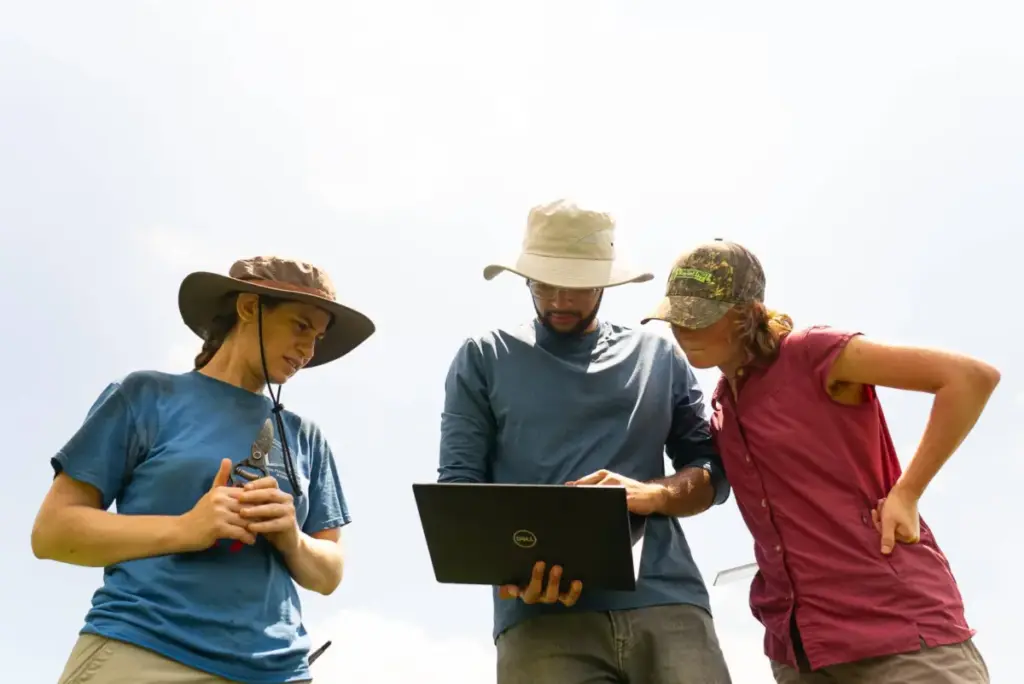
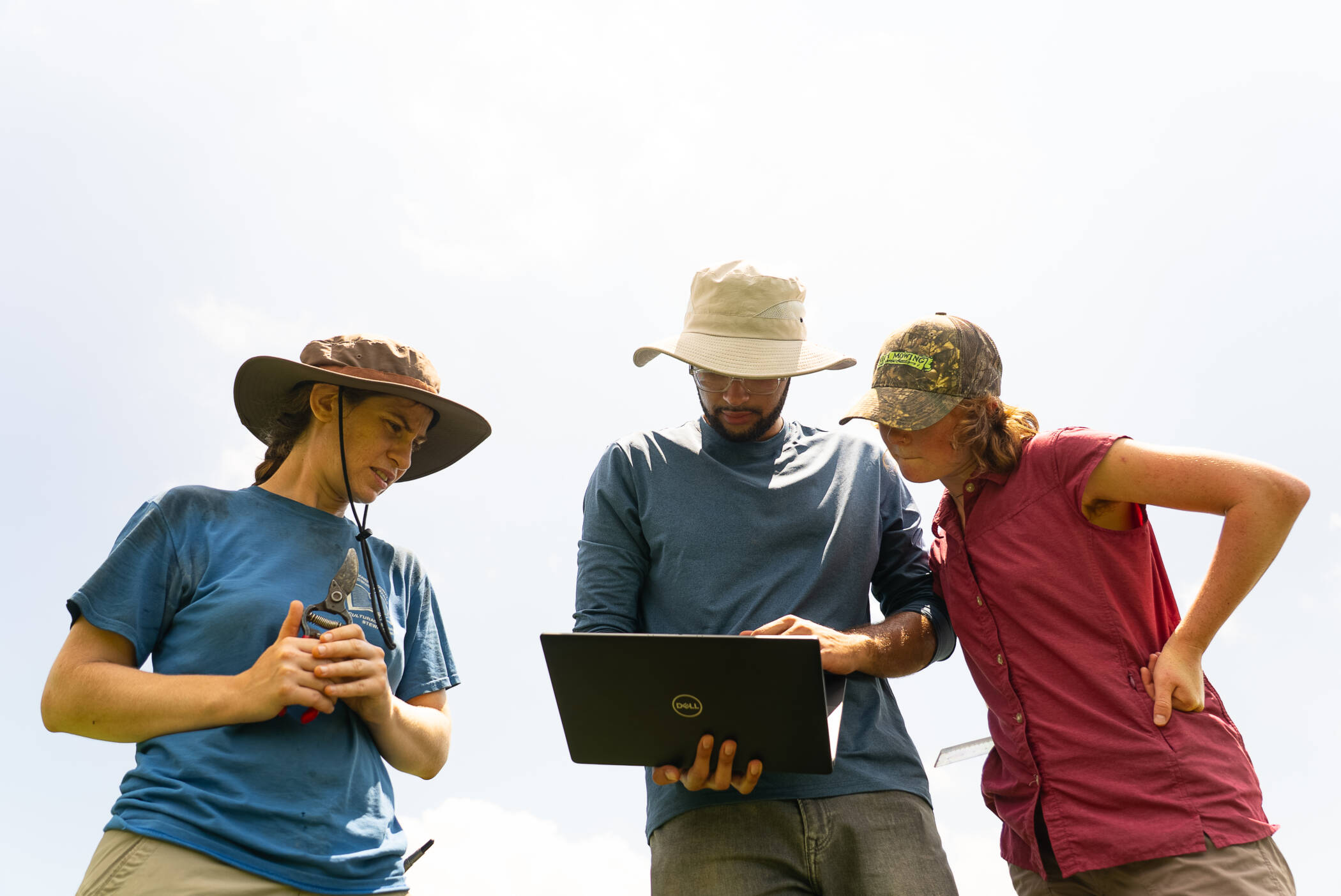
Dr. Jason Slipp, Director of Education at the Institute, emphasizes that the content avoids the superficial advice frequently found on public video-sharing sites. "These are university-level classes based on proven instructional principles," Dr. Slipp notes. The inclusion of the Canvas learning management system allows the Institute to implement structured assignments, rigorous testing protocols, and moderated peer discussions that mirror a formal higher-education experience without requiring students to leave their operations.
Official Statements: Perspectives from Leadership and Partners
The success of the Rodale Institute’s virtual initiative relies not only on its internal academic rigor but also on strategic collaborations with external agricultural organizations and non-profits dedicated to rural economic development.
Administrative Vision
Reflecting on the overarching goal of the digital expansion, René Baran envisions a platform that redefines how agricultural knowledge is shared globally. "We want to be the ‘regenerative organic agriculture YouTube’ where farmers can find the information they’re looking for," Baran states, "but with real scientific integrity and a community of others to connect to and learn with."
This duality—the accessibility and searchability of modern video media combined with peer-reviewed scientific backing and live instructor support—addresses the core isolation felt by many rural producers.
The Nonprofit Partnership Perspective: Good Roots
A key early adopter of the RIFT Online platform is Good Roots, a national nonprofit organization dedicated to helping organic farmers build resilient, long-lasting enterprises for their families, communities, and the environment.
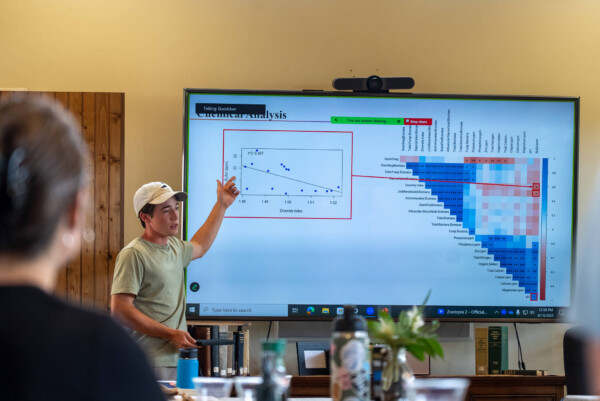
Rebecca Frimmer, a partner and principal consultant for Good Roots, highlights the critical intersection between agricultural science and business acumen. "Farmers need training in business management and finance to ensure they are profitable and viable for the long term," Frimmer explains. She points out that the greatest hazard for agricultural entrepreneurs is getting trapped in daily operational labor rather than working on the overarching strategy of the business.
"The biggest challenge for farmers is finding the time to balance all that must be done," says Frimmer. "It’s essential to carve out the space to work on the farm business and not just in the business."
Furthermore, Frimmer underscores how smaller-scale producers are often priced out of specialized professional services, such as dedicated bookkeepers, marketing consultants, and agronomists. By leveraging the self-paced educational resources and interactive support systems provided by the Rodale Institute, organizations like Good Roots can systematically equip the next generation of farmers with robust financial and operational foundations.
"Smaller-scale producers may not have the resources to access consulting services or professional services like bookkeeping and marketing," Frimmer notes. "The self-paced educational resources and interactive support offered by Rodale Institute open up effective ways for Good Roots to ensure the next generation of farmers can scale up with strong financial and marketing foundations."
Future Outlook: Beyond Production to Consumer Education
As the Rodale Institute Farmer Training Online platform continues to scale, its roadmap includes the aggressive expansion of course offerings, deeper integrations with higher education institutions and regional farm apprenticeship programs, and the continuous refinement of its digital infrastructure.
However, the Institute’s vision extends far beyond commercial producers. Recognizing that true agricultural transformation requires shifts in consumer behavior and public health paradigms, the virtual campus has also opened its doors to everyday citizens interested in sustainable living, gardening, and nutrition.
Democratizing Health and Wellness
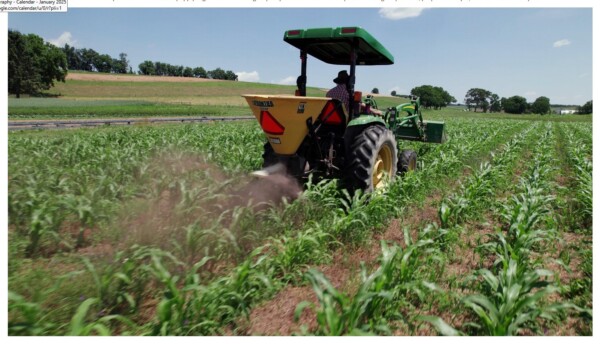
The virtual campus features specialized courses designed for non-farmers who wish to understand the broader implications of their purchasing and dietary choices. Classes such as "Being a Regenerative Consumer" and "Regenerative Health: The Power of the Plate" translate complex agroecological concepts into accessible consumer knowledge. Furthermore, hobbyist classes covering topics like backyard gardening and beekeeping allow everyday enthusiasts to develop practical skills while directly funding the Institute’s mission to expand organic farming acreage nationwide.
Conclusion
The launch of the Rodale Institute’s virtual campus marks a watershed moment in the history of sustainable agriculture. By marrying seven decades of peer-reviewed soil science with modern educational technology, the Institute has broken down the geographic and temporal barriers that have historically kept transformative agricultural knowledge locked behind campus gates.
For the modern farmer struggling against economic margins and climatic unpredictability, RIFT Online offers a lifeline: professional, scientifically sound, and deeply practical instruction available anytime, anywhere. As thousands of producers log on to refine their craft, plant their cover crops, and balance their ledgers, the roots of a truly regenerative food system are spreading wider and deeper than ever before.
For detailed course schedules, partnership inquiries, and enrollment information, visit RodaleInstitute.org/education.