

Executive Overview
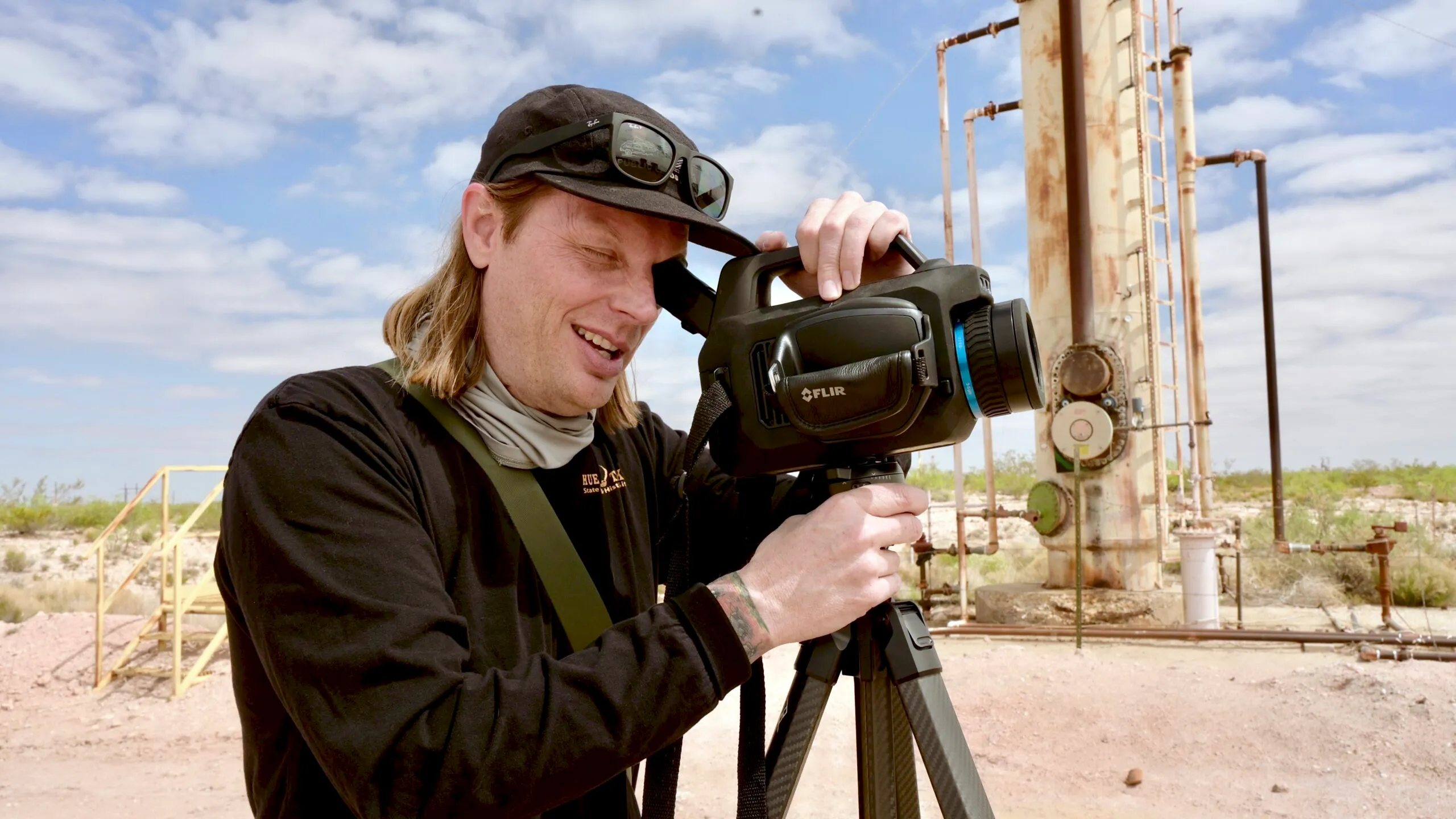
On an unseasonably warm May afternoon in southern New Mexico, Charlie Barrett parked his pickup truck along a quiet county road just a mile upstream from where the Black River empties into the Pecos. Barrett, a thermographer with the industry watchdog group Oilfield Witness, wasn’t there to admire the landscape. He stepped out into thick, slick mud—an unnerving anomaly during a severe, multi-year drought—and prepared to scan a nearby oil and gas operation using a specialized thermal camera capable of detecting invisible hydrocarbon emissions and thermal plumes.
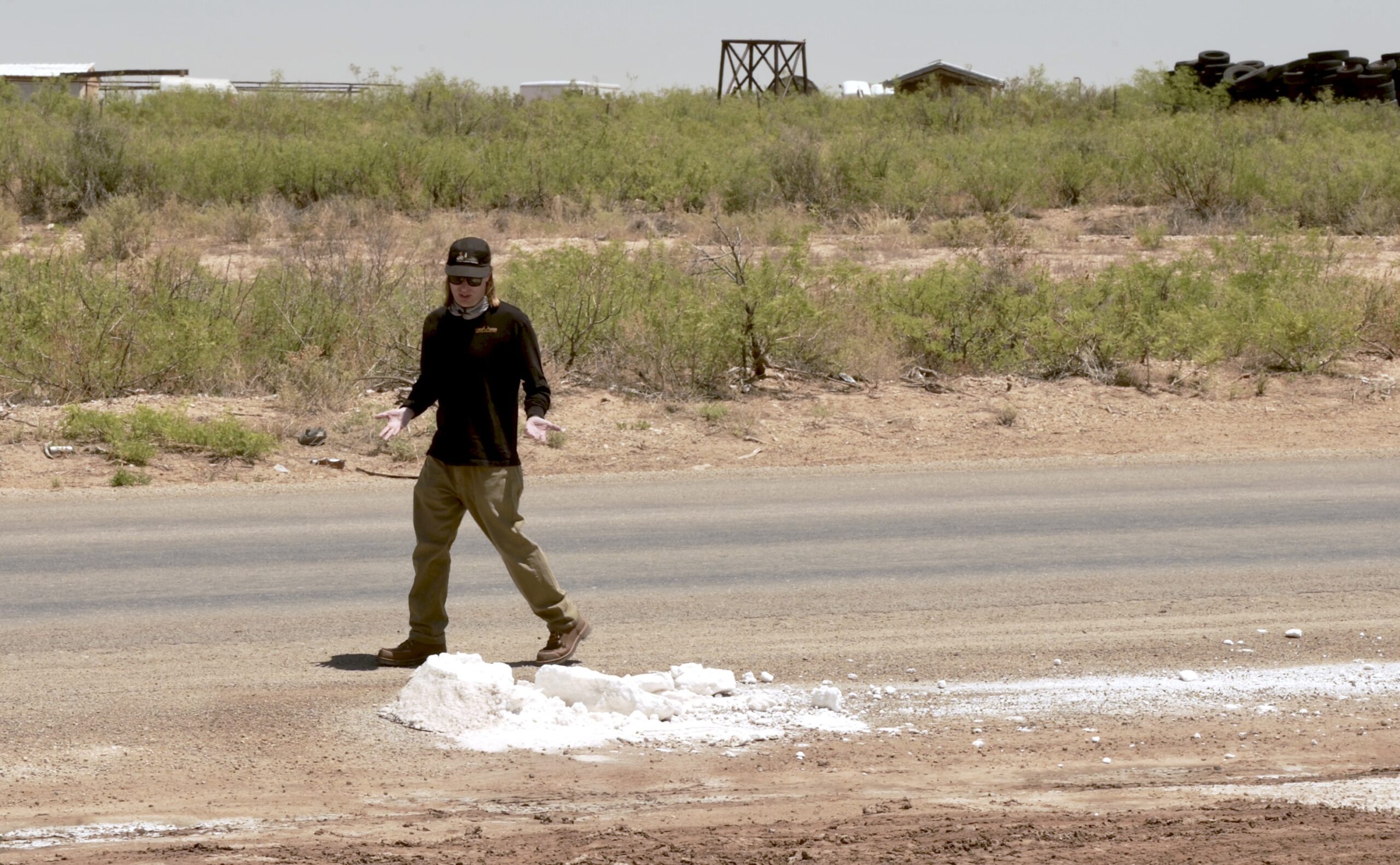
Beneath his boots lay a gray chunk of salt the size of a medicine ball, resting next to a puddle flecked with shimmering white crystals. It was a textbook indicator of an illegal or accidental dumping of "produced water"—the hyper-saline, toxic liquid that surges out of the earth alongside crude oil. Carrying a potent cocktail of heavy metals, volatile organic compounds (VOCs), radioactive isotopes, and industrial chemicals, this wastewater represents one of the most perilous environmental byproducts of modern fossil fuel extraction.
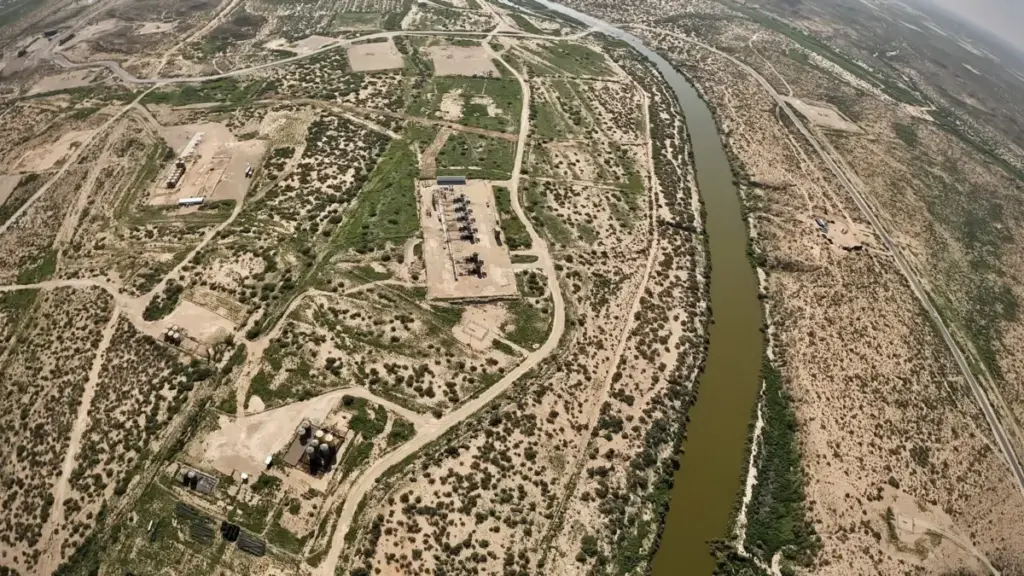
Barrett’s fieldwork captures a harrowing paradox defining the American Southwest today: the collision between a booming, industrial fossil fuel machine and an increasingly fragile, drying ecosystem. The Permian Basin—a 75,000-square-mile expanse spanning 55 counties across New Mexico and Texas—stands as the most prolific oil and gas production hub in the nation. Yet, its hyper-accelerated growth rests directly upon the shoulders of the Pecos River, a historic waterway choked by climate change, heavy industrial abstraction, and thousands of nearby oil wells. As regional temperatures rise and snowpacks vanish, the river is running dangerously low. Now, state officials, energy conglomerates, and environmental watchdogs are locked in a high-stakes battle over the future of the watershed—a battle where treated oilfield wastewater is being touted as a salvation by some, and denounced as a poison by others.
Detailed Chronology: A Landscape Transformed
To understand the crisis unfolding along the Pecos River, one must trace the rapid, unbridled industrialization of the Permian Basin over the past century, contrasted with recent regulatory milestones and environmental turning points.
- Early 20th Century to 2000s: The discovery of vast petroleum and natural gas reserves transforms the arid expanses of New Mexico and West Texas. Tens of thousands of wells are drilled, and a sprawling web of pipelines, storage tanks, and compressor stations stitches the landscape together, releasing carbon sequestered for millions of years and permanently altering the global atmosphere.
- 2021: Highlighting the catastrophic cumulative impacts of industrial water depletion and pollution, the national conservation organization American Rivers names the Pecos River to its annual list of America’s Most Endangered Rivers as a standalone entry.
- 2022: The State of New Mexico enacts stringent rules banning nearly all routine flaring of natural gas across oilfields to curb methane emissions and combat regional air pollution. Despite this, unauthorized or poorly maintained flares continue to burn across the basin.
- Early 2024: American Rivers once again designates the Pecos River—alongside other New Mexico waterways—as critically endangered, citing severe aridification, overallocation, and escalating industrial pressures.
- January 2024: New Mexico Governor Michelle Lujan Grisham releases the comprehensive 50-Year Water Action Plan, outlining the grim trajectory of climate-driven water scarcity and proposing innovative—and controversial—strategies to secure new water supplies, including treating and repurposing oilfield produced water for broad industrial use outside the oilfield.
- Early 2026: The U.S. Fish and Wildlife Service formally removes protections for the lesser prairie chicken under the Endangered Species Act, overriding objections regarding its declining population. Concurrently, environmental groups track multiple proposed projects in Texas to discharge treated produced water into the Pecos River watershed.
- July 2026: In a sweeping policy shift, the U.S. Department of the Interior rolls back the federal definition of "harm" under the Endangered Species Act to exclude non-direct injuries like noise and habitat degradation. Shortly thereafter, the department rescinds the "blanket rule" protecting threatened species and mandates the incorporation of economic costs—such as impacts on oil and gas production—into conservation decisions.
Supporting Context & Metrics: The Mathematics of Extraction
The environmental footprint of the Permian Basin is written in staggering volumes of water, chemicals, and greenhouse gases. Understanding the scale of this industrial engine requires looking closely at the metrics defining modern extraction.
The Water-to-Oil Ratio and "Watering Out"
For every single barrel of crude oil extracted from the earth in New Mexico, an average of more than three barrels of wastewater emerges alongside it. This mixture—produced water—is intensely briny, often containing total dissolved solids (TDS) concentrations exponentially higher than seawater, mixed with fracturing chemicals, heavy metals, and naturally occurring radioactive material (NORM).
As oilfields age, a geological phenomenon known as "watering out" occurs. The ratio of water to oil increases dramatically over the lifespan of a well, meaning that older, heavily developed fields produce staggering volumes of toxic fluid that must be managed, transported, and disposed of. Hundreds of heavy semi-trucks rumble daily across New Mexico highways, hauling this unwanted liquid to disposal or reinjection sites.
Geological Repercussions and Seismicity
Because New Mexico state rules strictly prohibit the use of produced water outside of oilfield operations, producers rely heavily on deep-well reinjection to dispose of the liquid. This parallel disposal industry has triggered an alarming rise in regional seismic activity, transforming historically quiet tectonic zones into earthquake hotspots. Furthermore, when injection wells fail under immense pressure, catastrophic blowouts occur—such as recent incidents where 70-foot geysers of toxic wastewater violently erupted into the sky, threatening local topsoils and shallow aquifers.
Air Quality and Flaring Violations
Operating his thermal camera near Loving, New Mexico, Charlie Barrett captured footage that underscored the ongoing compliance challenges within the basin. Scanning a residential area bordering industrial sites, his camera revealed the heat signatures of four active flares in a single frame. This direct violation of New Mexico’s 2022 near-total flaring ban highlights how companies continue to burn off excess natural gas due to pipeline over-pressurization, off-specification gas, or deferred equipment maintenance. While flaring is technically favored over venting unburned methane directly into the atmosphere, it continuously pumps carbon dioxide, nitrogen oxides, and volatile organic compounds directly into the air breathed by nearby rural communities.
Biodiversity Under Siege
The ecological stakes extend far beyond air and water quality. Within a half-mile of the Pecos River in New Mexico alone, there are 380 active oil and gas wells and 11 high-pressure wastewater injection wells. This dense industrial matrix surrounds critical habitats for vulnerable and endangered species, including the dunes sagebrush lizard and the Texas hornshell mussel.
According to wildlife experts and former ecologists like Barrett, the relentless light pollution, heavy vehicular traffic, and continuous industrial noise pollution drive native species away from the riparian corridor. This localized displacement frequently results in extirpation—the regional extinction of native wildlife populations.
Official Statements & Perspectives: Navigating a Contested Future
The future of the Pecos River and the Permian Basin is a subject of intense, often polarized debate among state regulators, industry advocates, and environmental watchdogs.
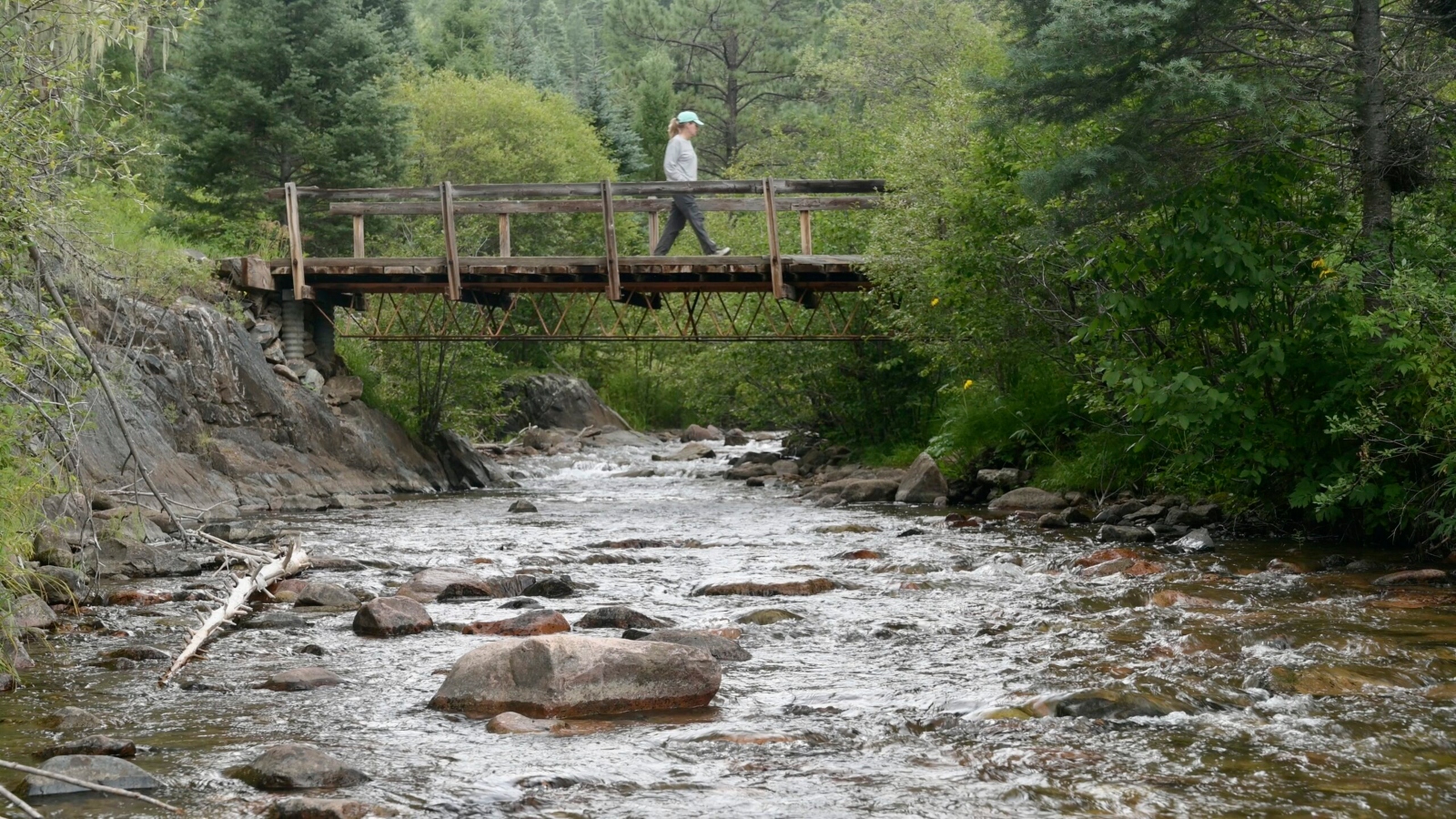
Hannah Riseley-White, director of the New Mexico Interstate Stream Commission, bears the heavy burden of balancing human and ecological water needs across the state. Reflecting on the alarming contraction of regional hydrology, Riseley-White noted the severity of recent snowpack declines:
"It fell off the cliff. It wasn’t just record breaking. It was beyond anything that we could have imagined in terms of snowpack… Everyone this spring got tired of me at the beginning of every meeting screen-sharing the snowpack figures for all of the basins that we manage."
With long-term models projecting a staggering 25% to 30% decrease in river water flow by the year 2070 due to climate-driven aridification, Riseley-White emphasizes that state leaders must adopt pragmatic, multifaceted strategies:
"So the biggest challenge that the Pecos faces is just aridification due to climate change… Do I think [treated] produced water will solve all of our problems in the Pecos? No. But thinking about it as one of the many sort of tools in the toolbox I think makes sense. Part of coming up with creative solutions is going to necessarily require looking at all of the options, and that’s certainly one of them. And I think technology is there to clean water to various standards. It’s just a question of whether financially the incentives are there."
Conversely, industry watchdogs and local field observers view the push to repurpose treated oilfield wastewater with profound skepticism. Charlie Barrett articulated the stark disconnect while sitting quietly on a boulder beside a gurgling bend in the Pecos River, watching dragonflies hover as oilfield semi-trucks rattled across a nearby bridge:
"It sucks. It’s a beautiful river in the middle of a hellscape… The industry’s actually advocating for repurposing produced water and pumping it into this river."
Environmental coalitions and downstream agricultural groups fiercely oppose these proposals, arguing that advanced treatment technologies cannot reliably guarantee the 100% removal of complex industrial chemicals, endocrine disruptors, and radioactive compounds. They contend that introducing treated oilfield brine into a depleted natural river system poses an unacceptable gamble for downstream farms, ranches, and fragile aquatic ecosystems.
Future Outlook: A Critical Crossroads for the American Southwest
As the federal government scales back environmental protections—evidenced by the Department of the Interior’s recent narrowing of the "harm" standard under the Endangered Species Act and the removal of blanket protections for threatened species—the regulatory guardrails protecting the Pecos River watershed are visibly weakening. Concurrently, the economic pressures driving the Permian Basin’s relentless expansion show no signs of abating.
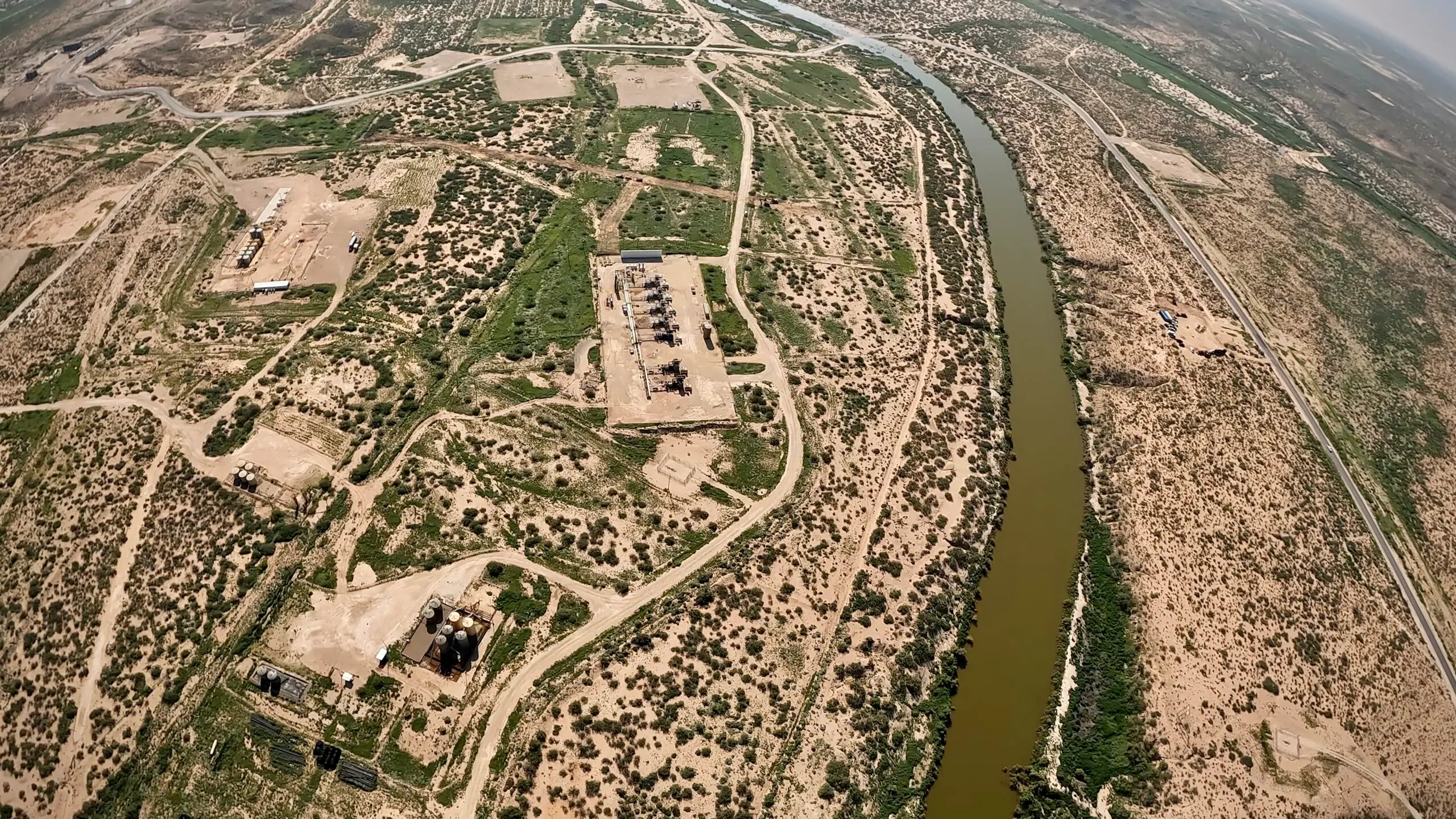
Yet, amidst the industrial sprawl, flare stacks, and declining snowpacks, glimpses of cooperative stewardship occasionally emerge. Local landowners and conservationists working to protect habitats for species like the Texas hornshell mussel have recognized a fundamental, shared truth: water preserved to sustain native wildlife in tributaries like the Black River is the exact same water required to sustain human livelihoods, ranching, and community survival in an increasingly thirsty desert.
Whether New Mexico can successfully thread the needle between powering the nation’s energy demands and preserving the ecological integrity of its most endangered waterways remains one of the defining questions of the twenty-first century. As Hannah Riseley-White remains cautiously optimistic about bringing diverse stakeholders to the negotiating table, the margin for error grows thinner with every passing, drought-stricken year along the banks of the Pecos.



