

Executive Overview
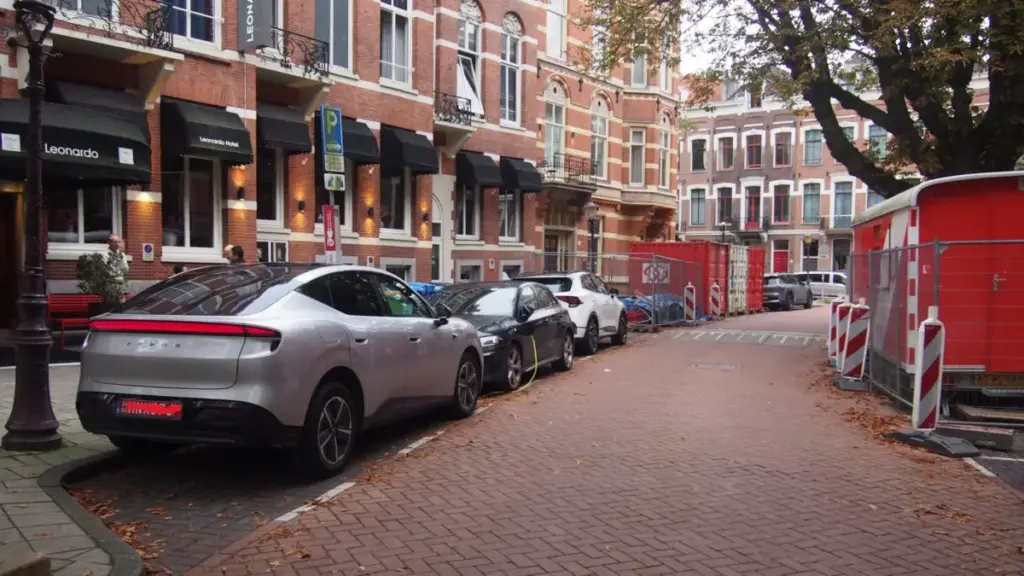
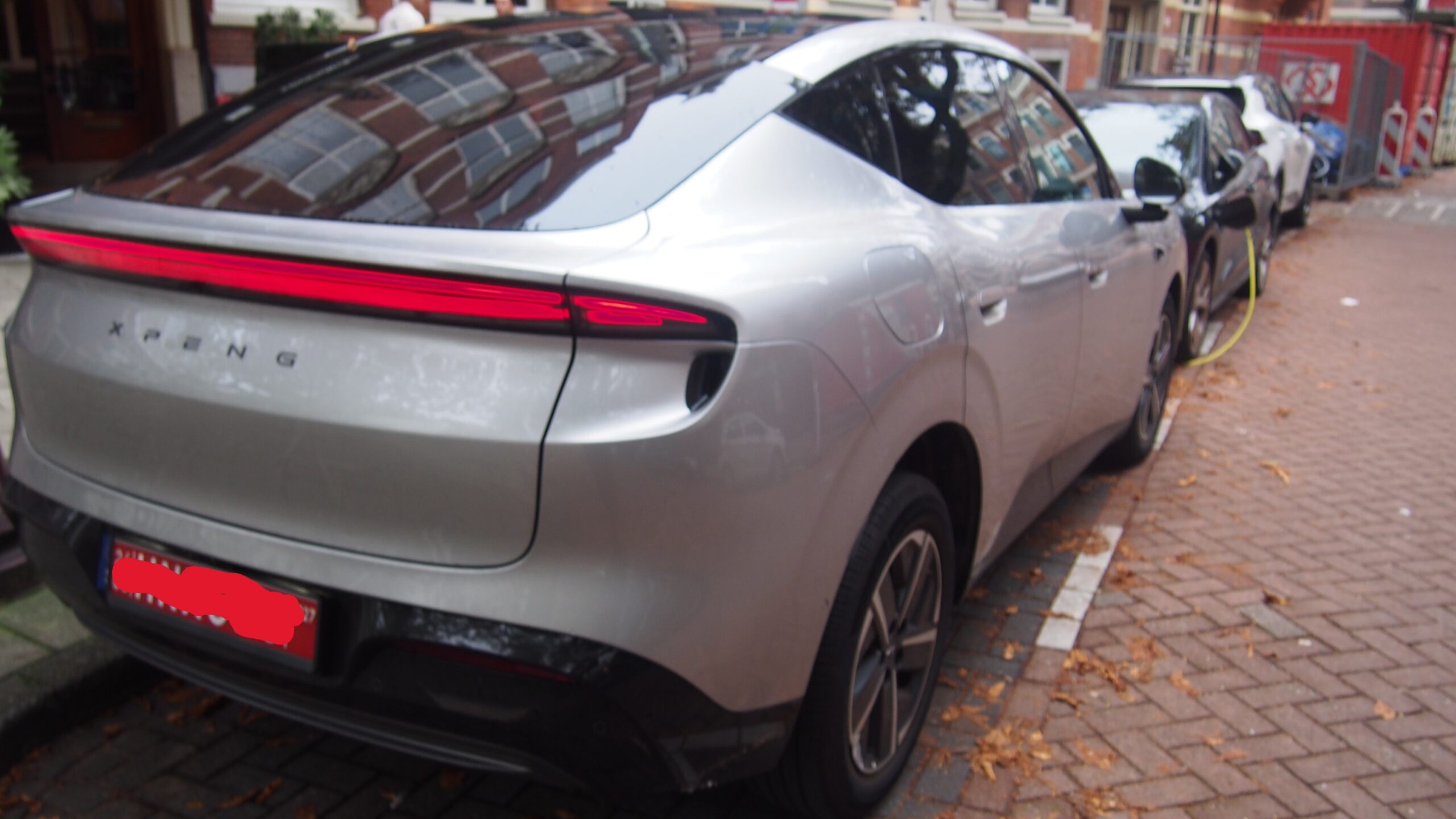
The global race for autonomous vehicle supremacy has officially moved past the highway cruising phase and entered the grueling, unpredictable labyrinth of historic European city centers. In a recent rigorous, back-to-back testing regimen conducted across the dense, demanding streets of Amsterdam, two distinct philosophies of artificial intelligence-driven mobility went head-to-head: the XPENG L03 equipped with VLA 2.0 and the Tesla Model 3 running Full Self-Driving (FSD).
While both vehicles represent the absolute bleeding edge of Level 2 advanced driver assistance systems (ADAS), the real-world comparison uncovered profound differences that extend far beyond software code. From suspension tuning and NVH (Noise, Vibration, and Harshness) levels to core hardware architecture and localization strategies, the XPENG L03 emerged as a remarkably refined contender. It challenged the established dominance of Tesla not merely by matching its autonomous capabilities, but by executing complex urban maneuvers with a level of contextual awareness, local adaptability, and physical refinement that left a lasting impression.
This deep-dive analysis explores how these two autonomous platforms manage the chaotic crucible of Amsterdam’s construction zones, heavy bicycle lanes, aggressive pedestrian traffic, and tight tram-line corridors, offering a glimpse into the future of global intelligent mobility.
Detailed Chronology: Testing the Limits in Amsterdam
The testing environment chosen for this showdown was intentionally brutal. Amsterdam’s urban landscape presents a masterclass in driving complexity: narrow medieval streets, unannounced road construction, omnipresent swarms of cyclists, jaywalking pedestrians, and aggressive delivery vans stopping arbitrarily in active lanes. It is an environment designed to push human drivers to their limits—and artificial intelligence to the point of system disengagement.
The Morning Circuit: XPENG L03 and VLA 2.0
Beginning shortly after 9:00 AM amid morning rush hour traffic, the XPENG L03 took to the predefined test loop. Programmed with identical waypoints to ensure absolute parity in routing, the L03 immediately leveraged its heavy on-board computing architecture. As it encountered dynamic urban obstacles, the vehicle demonstrated an "anticipate-and-act" operational philosophy.
Approaching complex intersections and poorly marked lanes, the XPENG did not hesitate or second-guess its path. When faced with construction zones blocking the right-of-way, the system smoothly coordinated its trajectory, maintaining a steady, assertive flow that kept traffic moving behind it. Crucially, the L03 utilized an advanced "co-driving" paradigm. Rather than treating driver input as a binary on/off switch—which forces a complete disengagement of the autonomy system—the XPENG allowed the human test driver to nudge the steering wheel, subtly adjust speed, or close a gap with surrounding traffic without severing the active autonomous guidance.

The Afternoon Circuit: Tesla Model 3 and FSD
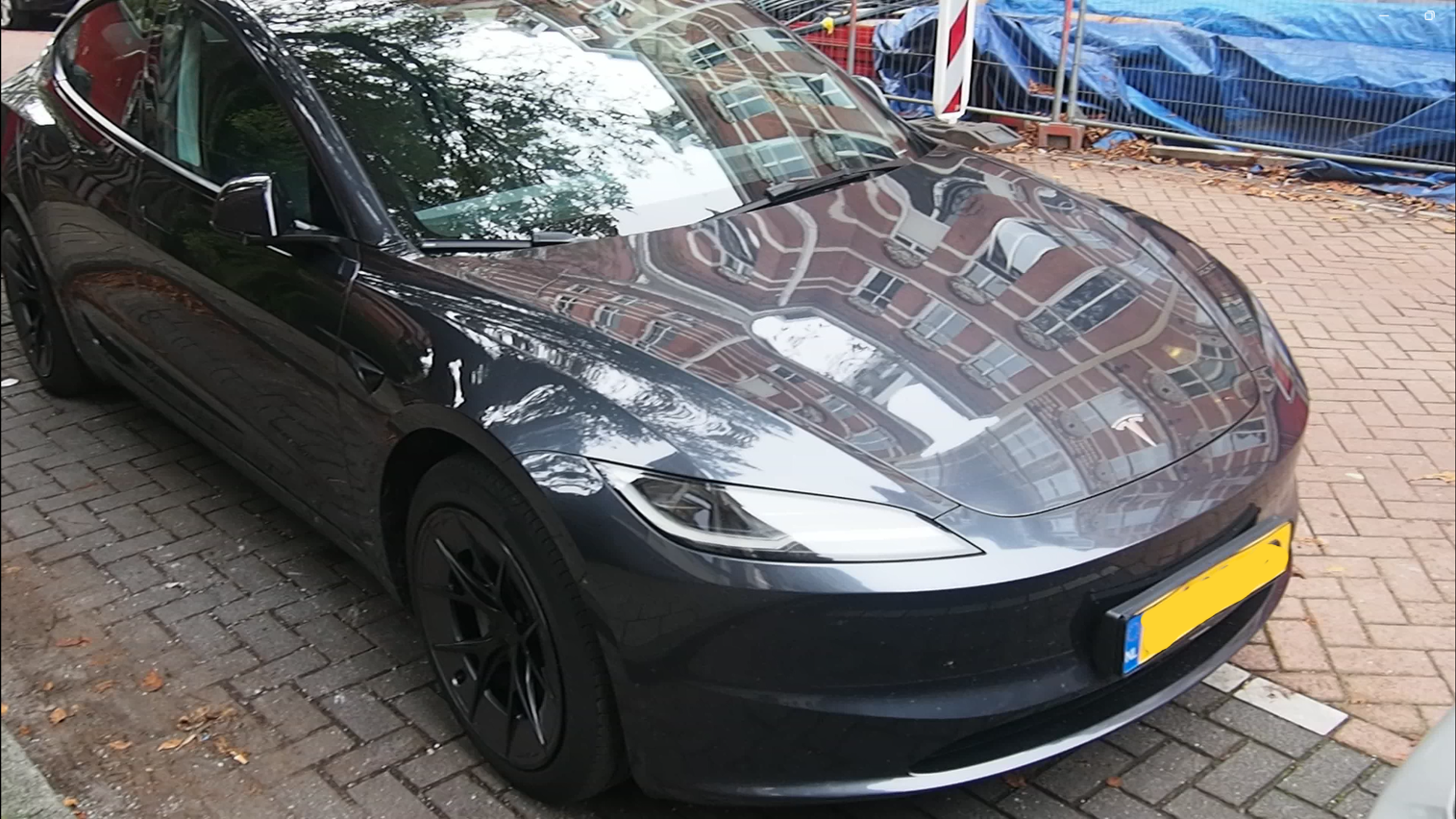
Testing the Tesla Model 3 required multiple passes due to initial camera anomalies on the urban route, placing the vehicle into a dense, albeit slightly subsiding, post-rush-hour traffic flow. Operating on Tesla’s latest FSD software, the Model 3 approached the same Amsterdam waypoints with a notably more conservative—and at times nervous—"react-and-correct" methodology.
Throughout the test loop, the Model 3 frequently struggled with precision waypoint navigation. On multiple occasions, the vehicle missed designated waypoints, initiated awkward looping maneuvers to reacquire them, and ultimately required manual deletion of the waypoints to resume a normal trajectory. Furthermore, navigating Amsterdam’s chaotic road markings proved arduous for FSD. The vehicle failed to read painted lane arrows in time to secure the correct turning lane, executed turns from improper lanes, and occasionally hesitated at traffic lights in a manner that provoked audible honking and frustration from behind-the-wheel local motorists. Unlike the XPENG’s fluid co-driving capability, any significant manual correction required a complete disengagement of FSD, forcing the human driver to reclaim full operational control before re-enabling the system.
Supporting Context & Metrics: Hardware, Architecture, and Ride Quality
A modern intelligent vehicle is an integrated ecosystem. Autonomous software cannot be evaluated in a vacuum; its performance is inextricably linked to processing hardware, suspension geometry, cabin acoustics, and material ergonomics.
Hardware & Computing Power: On-Board vs. Cloud-Centric
At the heart of the XPENG L03’s Ultra trim lies a formidable compute stack: three XPENG-developed Turing chips delivering a combined processing power of 2,250 TOPS (Tera Operations Per Second)—allocated as 750 TOPS each for driving and voice control. By comparison, Tesla’s HW4 architecture hovers around 500 TOPS total.
This vast disparity in on-board processing capability dictates how each system learns and reacts:
- XPENG VLA 2.0: Relies heavily on high-powered on-board inference. It is not strictly rules-based and minimizes the need for massive data-center human labeling pipelines. This decentralized processing allows the L03 to instantly calculate waypoints, adapt rapidly to novel driving environments, and maintain strict data privacy compliance by anonymizing any transmitted data entirely within European borders.
- Tesla FSD: Historically relies on heavily centralized neural network training models fed by massive human data-labeling operations at data centers. In dense urban environments with high electromagnetic and structural interference, the Tesla occasionally exhibited latency while communicating or recalculating, underscoring the limitations of cloud-dependent routing loops.
Ride Quality, NVH, and Ergonomics
Beyond the software algorithms, the physical execution of both vehicles revealed stark contrasts in European market adaptation:
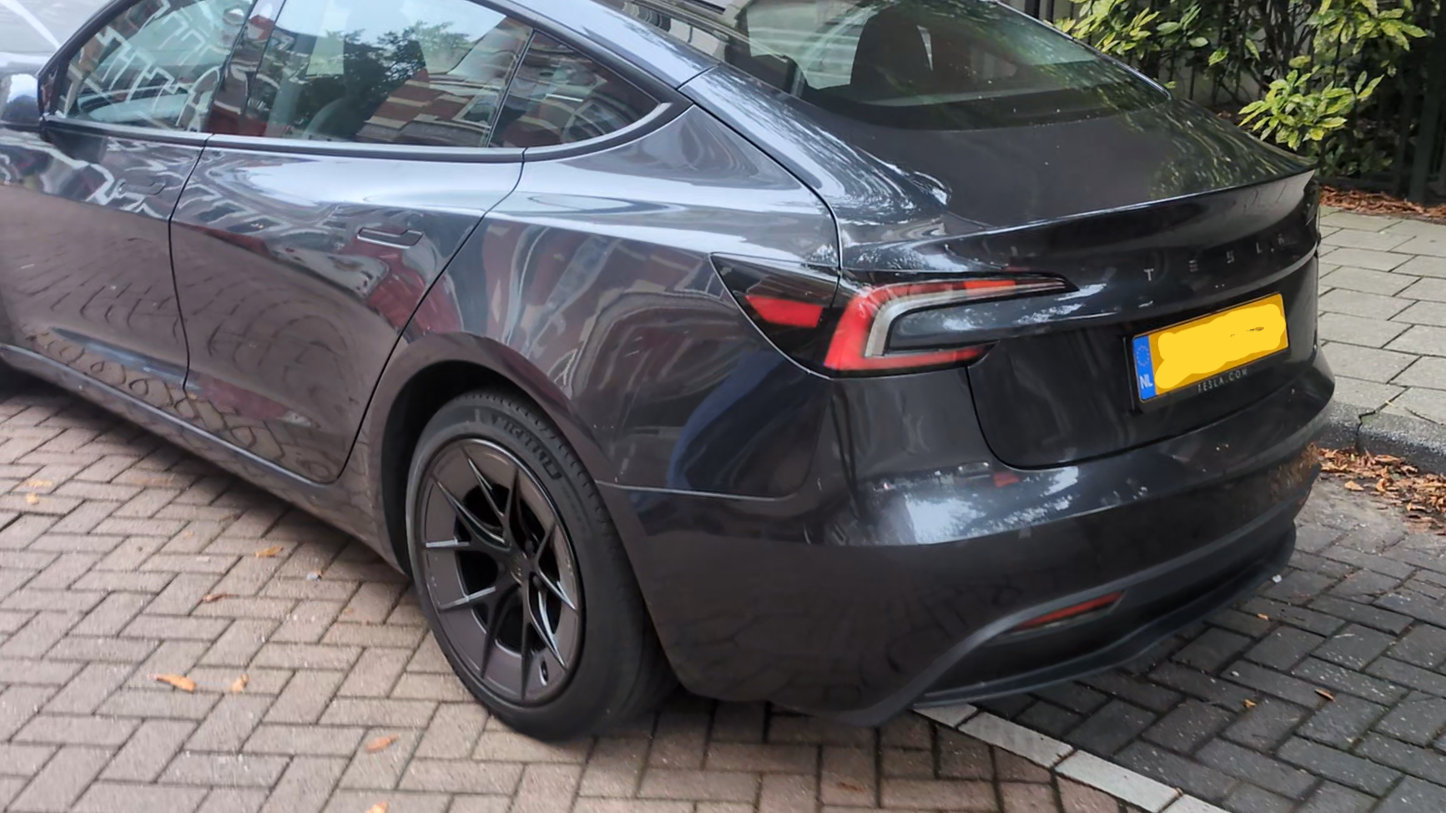
- Suspension Tuning: The XPENG L03 was explicitly tuned for European road surfaces, striking a balance akin to a "leather-wrapped cushion"—offering a textured, communicative road feel while expertly muting sharp impacts from potholes and paving bricks. Conversely, the Tesla Model 3 felt more detached yet harsher, occasionally bottoming out its suspension over severe bumps, resembling a "felt-covered plastic" tactile experience.
- Cabin Acoustics (NVH): The L03 cabin was noticeably quieter across the board. Suspension impact thuds, road noise over paving bricks, windshield wiper actuation, air conditioning blowers, and steering motor whines were significantly more subdued in the XPENG than in the Model 3.
- Interior Refinement & Comfort: The XPENG featured multi-point massage seats—a welcome relief after long travel days—and utilized a slightly more efficient passenger compartment layout that allowed for rear-seat reclining without sacrificing legroom. Premium soft-touch materials and real metal trim gave the L03 a distinct edge in perceived build quality over the Model 3. Moreover, the XPENG retained traditional turn signal and gear shifter stalks, alongside a clear driver display and Head-Up Display (HUD), whereas the Tesla relied almost entirely on its center touchscreen (which suffered from a distracting pinkish hue under overcast lighting).
Official Statements & Industry Positioning
The strategic positioning of XPENG and Tesla within the European automotive market highlights a fundamental divergence in regulatory compliance and localization strategy.
Industry analysts have closely monitored how both companies approach European Union frameworks. XPENG has aggressively structured its software and hardware deployment around UN DCAS (Driving Control Assistance Systems) regulatory compliance. This harmonization framework spans the EU and multiple global markets, meaning that when the new regulations take effect, XPENG’s VLA 2.0 is engineered to comply natively from day one.
Conversely, Tesla’s FSD suite faces potential friction under upcoming European regulatory adjustments, particularly regarding hands-free city driving allowances and speed-setting tolerances that exceed local statutory limits. While Tesla maintains a powerful lobbying presence and historical first-mover advantage in the Netherlands, its software philosophy remains largely homogenized, applying a uniform American-trained model across vastly different international driving cultures without localized tuning.

XPENG’s leadership has emphasized that global autonomy cannot be a one-size-fits-all software drop. Driving dynamics in Amsterdam require an entirely different behavioral matrix than driving in Austin, Texas, or Manila, Philippines—where traffic flows are heavily dictated by social intuition and local negotiation rather than rigid rule-following. By investing in scalable on-board processing and adaptable local parameters, XPENG is positioning its platforms to thrive in regulatory environments where rigid systems stumble.
Future Outlook: The Next Phase of Autonomous Mobility
As the intelligent vehicle landscape accelerates toward the latter half of the decade, the friction between these competing development models will only intensify.
The test in Amsterdam exposed the limitations of treating urban autonomy as a purely algorithmic problem solved solely by massive data collection. Physical integration matters. The consumer experience—defined by a quiet cabin, responsive suspension, intuitive physical controls, and a smooth "anticipate-and-act" driving style—will ultimately dictate consumer adoption rates as Level 2 and Level 3 systems become commoditized.

For XPENG, the upcoming rollout of Master Agent conversational voice interaction and the formal commercialization of VLA 2.0 in Europe next year signal an aggressive expansion phase. If the L03’s performance on Amsterdam’s brutal testing loop is any indication, legacy automakers and early pioneers like Tesla face a formidable challenger that has successfully reverse-engineered the nuances of European driving culture.
Ultimately, the choice between these systems depends heavily on perspective and frame of reference. Drivers accustomed solely to less congested North American highways may find Tesla FSD impressive. However, when measured in the crucible of dense, historic European metropolitans—where precision, local behavioral adaptation, and refined chassis dynamics are paramount—the XPENG L03 with VLA 2.0 sets a striking new benchmark for what intelligent, human-centric mobility can achieve.



