Executive Overview
On August 10, 2026, China’s top economic planning agency, the National Development and Reform Commission (NDRC), alongside the National Energy Administration (NEA), officially released the 15th Five-Year Plan for the Development of the Coal Industry (2026–2030). Arriving at a decisive juncture in China’s national climate trajectory, the flagship policy document maps out the roadmap for the country’s primary energy source during the final window before Beijing’s self-imposed target to peak carbon dioxide emissions "before 2030."
The newly unveiled plan underscores a delicate balancing act: reinforcing coal as the bedrock of national energy security while guiding the industry through a gradual, low-carbon transformation. Despite prior expectations from state-affiliated research institutes that coal consumption might be assigned a strict peak year—such as 2027—the official blueprint abstains from declaring a specific calendar deadline. Instead, it commits broadly to ensuring coal consumption reaches its peak within the 2026–2030 timeframe, prioritizing systemic stability, supply resilience, and economic safety.
Driven in part by heightened geopolitical turbulence in international oil and gas markets, Chinese policymakers have explicitly reaffirmed coal’s role as a domestic safety net. Rather than prescribing an abrupt phase-down, the plan focuses on modernizing mining operations, centralizing capacity management, expanding coalbed methane capture, and shifting coal’s primary application from pure power generation to high-value industrial feedstocks. Analysts view the policy as a pragmatic consolidation that grants Beijing operational flexibility, ensuring that market mechanisms and clean tech expansion—rather than rigid administrative caps—determine the pace of coal’s ultimate decline.
Detailed Chronology & Policy Breakdown
Policy Evolution Timeline
The release of the coal plan represents the latest chapter in a broader sequence of policy rollouts governing China’s 15th Five-Year Plan (2026–2030) cycle:
- April 2026: Central authorities issue policy frameworks mandating "strict controls" over fossil fuel expansion, introducing performance evaluation metrics for local government management of regional coal consumption.
- June 2026: The NDRC and NEA publish the overarching 15th Five-Year Plan for Building a New-Type Energy System, introducing a operational coal reserve-production mechanism designed to buffer power grid volatility.
- July 2026: The NEA issues regional action plans targeting deep coalbed methane development, focused heavily on the resource-rich Ordos Basin.
- August 10, 2026: The official release of the dedicated 15th Five-Year Plan for the Coal Industry, formalizing production standards, structural consolidation goals, and corporate transition pathways through 2030.
+-----------------------------------------------------------------------------------+
|                            POLICY EVOLUTION TIMELINE                              |
+-------------------+---------------------------------------------------------------+
| April 2026        | Directives issued for strict fossil fuel controls & local     |
|                   | government coal evaluation frameworks.                        |
+-------------------+---------------------------------------------------------------+
| June 2026         | Framework published for the "New-Type Energy System,"         |
|                   | setting coal reserve capacity concepts.                       |
+-------------------+---------------------------------------------------------------+
| July 2026         | NEA releases specialized action plan for coalbed methane      |
|                   | extraction in the Ordos Basin.                                |
+-------------------+---------------------------------------------------------------+
| August 10, 2026   | Official release of the 15th Five-Year Coal Industry Plan     |
|                   | (2026-2030) by NDRC & NEA.                                    |
+-------------------+---------------------------------------------------------------+
Core Policy Directives and Key Targets
The 2026–2030 policy framework centers on structural efficiency, centralized control, and targeted decarbonization metrics:
1. Centralized Capacity Oversight ("Single Ledger")
To curb reckless capital expenditure by provincial entities anticipating a consumption drop, the plan mandates that all new or expanded coal mining capacity must be logged into a centralized federal ledger managed by Beijing. Unapproved regional construction is strictly prohibited.
2. Consolidation of Mining Hubs
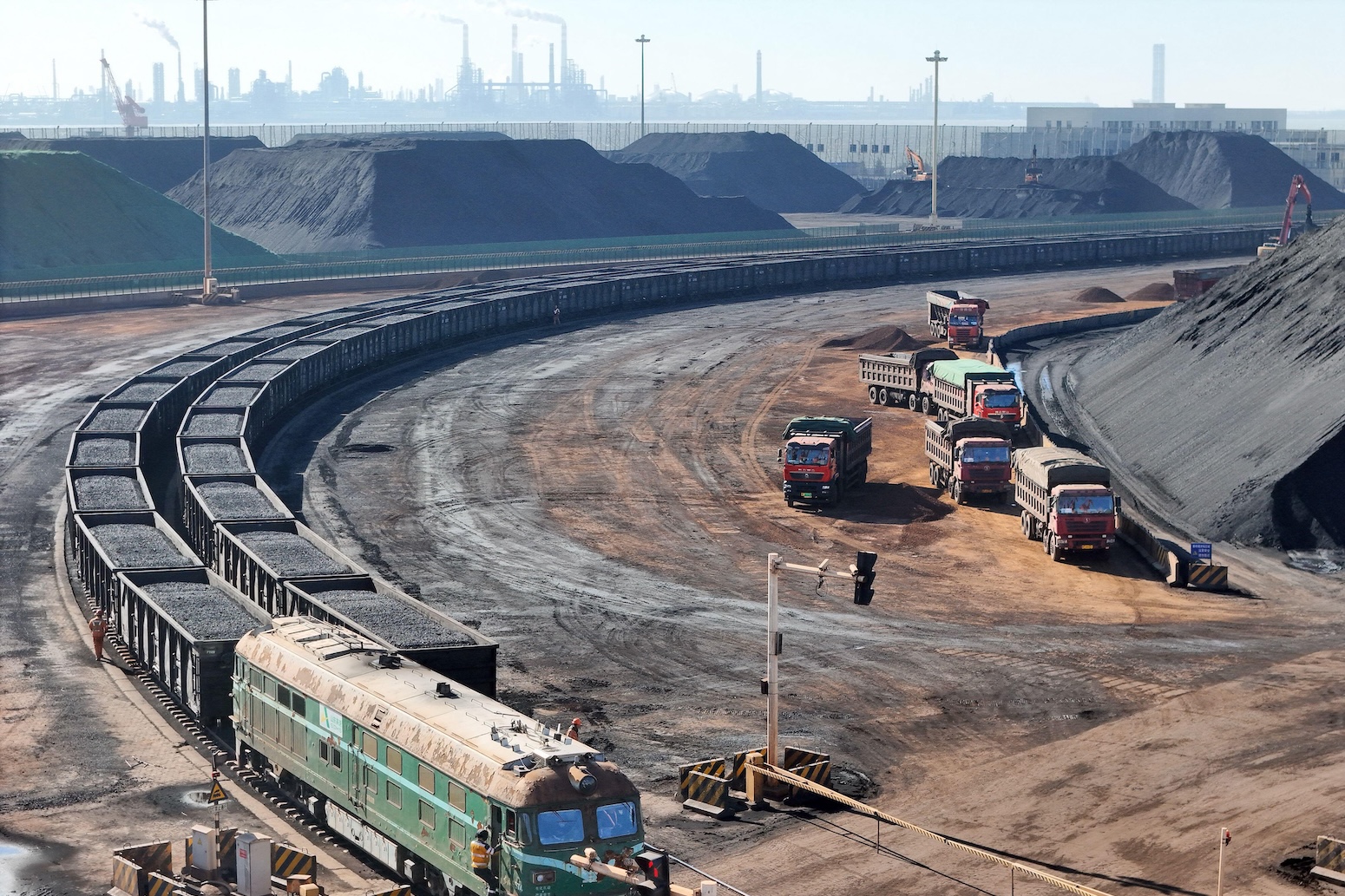
Coal extraction will continue its geographic concentration in China’s northern core. The plan stipulates that four key regions—Shanxi, Inner Mongolia, Shaanxi, and Xinjiang—must account for more than 80% of national production by 2030. Furthermore, new or expanded mines in these key bases (excluding southern Xinjiang) must meet a minimum production capacity threshold of 1.2 million metric tonnes per year to ensure operational efficiency.
3. Reserve Production Capacity
Revising earlier proposals, the plan establishes a target to build an operational "reserve production capacity" of at least 100 million metric tonnes per year by 2030. This system permits mines to maintain standby capacity that can be rapidly activated during unexpected demand surges or severe renewable power shortfalls. This target represents a calibration down from an ambitious 300-million-tonne reserve goal initially discussed in 2024.
4. Methane Capture and Non-CO2 Mitigation
Highlighting environmental management within mine extraction, the appendix sets clear non-CO2 targets for 2030:
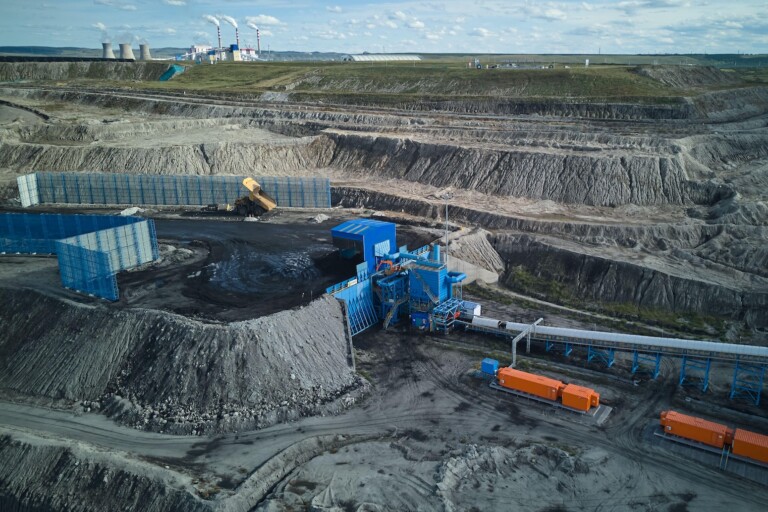
- Achieving 26 billion cubic meters (bcm) of annual coalbed methane (CBM) production.
- Utilizing 6.5 bcm of coal mine gas annually.
- Directing the Ordos Basin to supply at least 18 bcm of the overall CBM target.
5. Dual Role Transformation (Fuel to Feedstock)
The plan calls for expanding coal’s role beyond direct combustion, encouraging its development as a chemical feedstock. It advocates for strategic coal-to-oil and coal-to-gas facilities, integrated with carbon capture, utilization, and storage (CCUS) and green hydrogen systems.
Supporting Context & Metrics
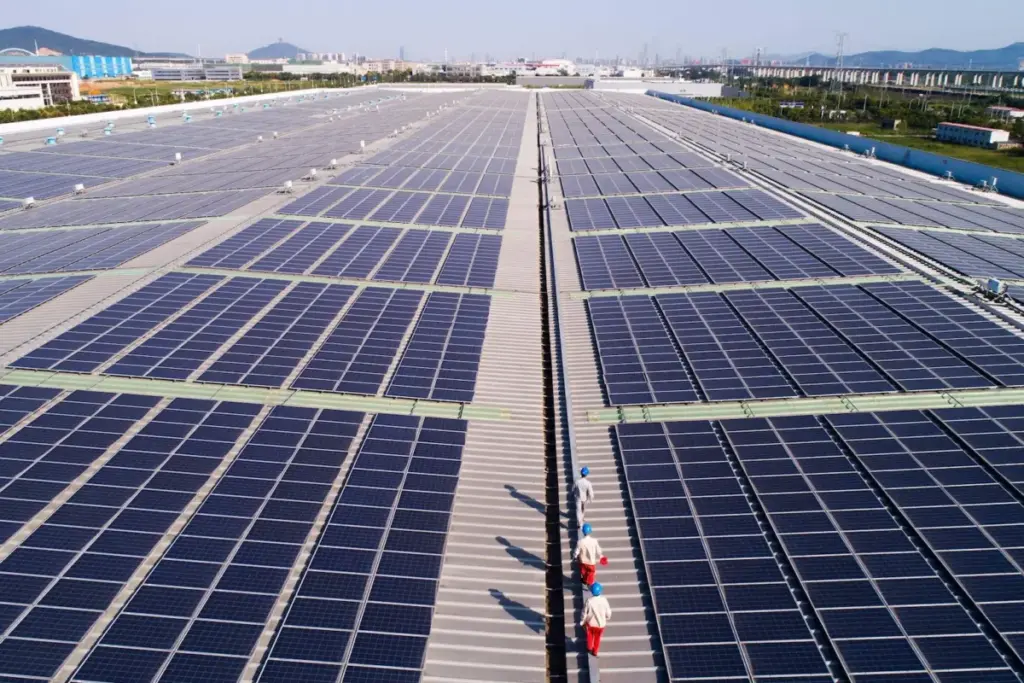
China’s reliance on coal has historically been the primary driver of its industrial expansion, but the fuel’s dominance is shifting as non-fossil power generation expands across the national grid. Historically responsible for roughly 80% of China’s total carbon dioxide emissions, coal is losing market share in power generation to solar, wind, hydro, and nuclear capacity.
    CHINA COAL DEMAND & MIX TRENDS (2020 - 2026)

    100% +-------------------------------------------------------+
         |                                                       |
     80% |   === Coal Share of Total Primary Energy (%) ===      |
         |   ----------------------------------------------      |
     60% |   [2020: ~57%]  --->  [2025: ~53%]  --->  [H1 2026: 51.4%]
         |                                                       |
     40% |   === Power Sector Share (Coal vs Non-Fossil) ===     |
         |   Non-Fossil Power Share > 50% reached in 2025         |
     20% |   Coal Power Generation Share < 50% in H1 2026         |
         |                                                       |
      0% +-------------------------------------------------------+
Official figures highlight this transition:
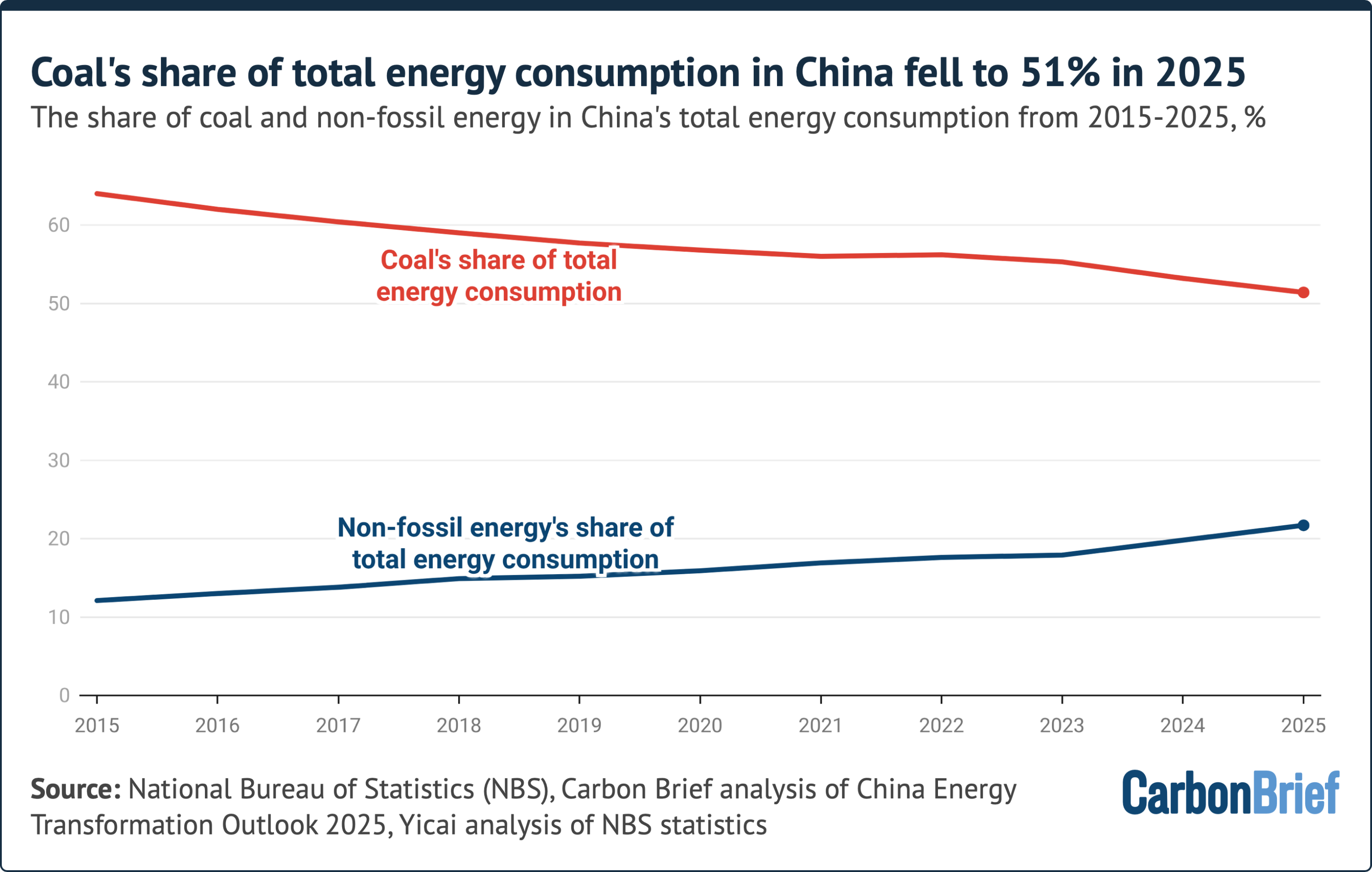
- Primary Energy Consumption: The share of coal in China’s overall energy consumption dropped to 51.4% in the first half of 2026, continuing a steady downward trend from over 60% a decade ago.
- Power Generation Share: Non-fossil energy generation capacity crossed the 50% milestone in 2025. In the first half of 2026, electricity generated directly from coal fell below 50% of the national power mix for the first time in modern industrial history.
- Regional Concentration: In 2025, the four primary northern mining provinces (Shanxi, Inner Mongolia, Shaanxi, and Xinjiang) accounted for 82% of total national coal output, aligned with the 2030 baseline mandated in the new plan.
Key Policy Metrics Summary: 15th Five-Year Plan vs Historical Metrics
| Metric / Indicator | Historical Baseline | 15th Five-Year Plan Target (By 2030) | Strategic Objective |
|---|---|---|---|
| Coal Share of Total Energy Mix | 51.4% (H1 2026) | Projected to decline below 50% | Gradual shift to non-fossil primary energy |
| Share of Power Generation | <50% (H1 2026) | Secondary, regulating role | Support grid stability & renewables integration |
| Reserve Production Capacity | Initial 2024 draft: 300 Mt/yr | 100 Million Metric Tonnes/year | Manage demand shocks & extreme weather peaks |
| Northern Hub Production Share | 82% (2025 actual) | >80% total supply | Streamline regional logistics & scale efficiency |
| Minimum Mine Scale (Key Hubs) | Varies by province | ≥1.2 Million Tonnes/year | Phase out small, inefficient, unsafe mines |
| Coalbed Methane (CBM) Output | ~15-18 bcm (mid-2020s) | 26 Billion Cubic Meters/year | Capture clean gas, reduce fugitive methane |
| Mine Gas Utilization | Variable | 6.5 Billion Cubic Meters/year | Convert mine hazards into clean energy |
Official Statements & Expert Analysis
Government Rationale: Security Above All
The overarching narrative coming from Beijing stresses that domestic energy security remains paramount, particularly against the backdrop of global market instability caused by middle eastern conflicts and supply chain vulnerabilities.
Speaking in early August 2026, Wang Hongzhi, head of the National Energy Administration, stated during a press conference:
"Coal is China’s greatest source of confidence in ensuring a stable energy supply. As external energy markets experience severe volatility, our domestic coal baseline provides systemic regulation and guarantees the normal functioning of society and the economy."
This sentiment was mirrored by official state media outlets, including the People’s Daily, which noted that while clean energy expansion continues at record speeds, coal remains indispensable as a "bottom-line guarantee" to protect against renewable intermittency.
Climate & Energy Analysts React
Energy market experts and climate policy analysts note that the plan confirms Beijing’s preference for a managed, risk-averse transition over mandatory administrative phase-downs.
+---------------------------------------------------------------------------------+
|                           EXPERT PERSPECTIVES ON THE PLAN                       |
+-------------------+-------------------------------------------------------------+
| Kevin Tu          | "This is clearly neither a coal phase-out nor phase-down    |
| (Columbia CGEP)   | plan... It grants China considerable flexibility over the  |
|                   | pace of the transition."                                    |
+-------------------+-------------------------------------------------------------+
| Li Shuo           | Market and tech progress will determine peak timing.        |
| (Asia Society)    | Middle East volatility reinforces coal's role as energy    |
|                   | security fallback and chemical feedstock.                   |
+-------------------+-------------------------------------------------------------+
| Yang Biqing       | Single-ledger central management is designed to prevent a   |
| (Ember)           | provincial approval "rush" before demand peaks.             |
+-------------------+-------------------------------------------------------------+
| Tom Wang          | The plan functions primarily as an energy security policy   |
| (PACS)            | rather than a dedicated decarbonization transition plan.    |
+-------------------+-------------------------------------------------------------+
| Sun Xiaopu        | Emphasizes that the document lacks an absolute cap on       |
| (IGSD)            | methane emissions, relying instead on utilization goals.    |
+-------------------+-------------------------------------------------------------+
Kevin Tu, non-resident fellow at Columbia University’s Center on Global Energy Policy, highlights that the document prioritizes structural optimization over aggressive reduction:
"This is clearly neither a coal phase-out nor phase-down plan. It grants China considerable flexibility over the pace of the transition. China’s coal transition is not simply about reducing the quantity consumed, but creating a more concentrated, efficient, flexible, and resilient supply system."
Commenting on the omitted 2027 peak year target, Tu adds:
"The absence of a specific 2027 deadline is significant, but I would be careful not to over-interpret it. Whether coal peaks in 2027 or another year nearby depends on real-world variables—electricity demand growth, renewable integration speeds, weather patterns, and industrial feedstock consumption."
Li Shuo, director of the China Climate Hub at the Asia Society Policy Institute, emphasizes how external geopolitical dynamics have reinforced internal domestic policies:
"The ongoing instability in global oil and gas markets will reinforce coal’s role in China’s energy system, both as power backup and critical chemical raw material. Market forces and technological progress in renewables, rather than rigid government directives, will determine when consumption peaks. Beijing’s regulatory boundaries are primarily set to ensure peaking timelines do not overshoot 2030."
From an operational standpoint, Yang Biqing, energy analyst at the climate think-tank Ember, points to the centralized administrative controls introduced in the plan:
"Overall, this five-year plan is targeted at maintaining control of the coal industry itself. The mandate requiring all new capacity to be listed on a single central ledger is a strategic move. It prevents regional authorities from rushing to approve unnecessary coal projects before consumption plateaus."
Critical policy gaps were noted by environmental advocates. Tom Wang, executive director of People of Asia for Climate Solutions, described the document as "more of a coal security and exploration plan rather than a climate transition plan." Similarly, Sun Xiaopu, senior China counsel at the Institute for Governance and Sustainable Development (IGSD), noted that while methane utilization targets were welcomed, "the plan does not establish an absolute methane-emissions cap for the coal sector," leaving the overall trajectory of non-CO2 emissions dependent on downstream technical implementation.
Future Outlook & Strategic Implications
Industry Evolution: Transitioning from Combustion to Chemicals
As coal’s share in grid electricity generation contracts under competition from cheap solar and wind power, the 15th Five-Year Plan directs the industry to pivot toward alternate revenue streams. A core focus of the 2026–2030 period is elevating coal’s status as an industrial feedstock for petrochemicals, synthetic materials, and liquid fuels.
       FUTURE COAL INDUSTRY TRANSFORMATION (2026-2030)

  TRADITIONAL MODEL                       NEW DUAL-ROLE MODEL
+--------------------+                  +--------------------+
|  Direct Power      |                  |  Systemic Grid     |
|  Combustion        |                  |  Regulation        |
|  (Primary Focus)   |  =============>  |  (Flexibility)     |
+--------------------+                  +--------------------+
|  Unmanaged         |                  |  High-Value        |
|  Regional Output   |                  |  Coal-to-Chemicals |
+--------------------+                  |  (Feedstock)       |
                                        +--------------------+
                                        |  CCUS & Green      |
                                        |  Hydrogen          |
                                        |  Integration       |
                                        +--------------------+
Chinese energy majors, including state-owned coal producers and petrochemical giants like Sinopec, are expanding specialized business units focused on modern coal chemicals. However, to align with broad decarbonization goals, the policy stresses that coal-to-chemical processes must integrate low-carbon technologies, such as:
- Integrating green hydrogen produced from regional solar and wind farms into chemical synthesis.
- Deploying commercial-scale Carbon Capture, Utilization, and Storage (CCUS) on coal-to-oil and coal-to-gas facilities.
- Electrifying high-heat processing equipment within coal-chemical industrial parks.
This strategy seeks to safeguard economic value in coal-dependent provinces while shifting carbon emissions toward facilities where capture technologies can be applied more readily than in dispersed industrial boilers.
Socioeconomic Management of Managed Mine Closures
The plan instructs coal enterprises to prepare for structural shifts as older, less efficient mines face closure. Operators are mandated to execute "prudently managed transitions," establishing formal frameworks for:

- Workforce Relocation: Retraining underground miners for roles in renewable energy facility maintenance, land restoration, and coalbed methane operations.
- Debt Resolution: Restructuring non-performing capital assets held by legacy mining state-owned enterprises (SOEs).
- Ecological Remediation: Mandatory land rehabilitation and mine-water treatment following site decommissioning.
Strategic Takeaways for Global Energy Markets
The 15th Five-Year Plan for the Coal Industry delivers a clear message to international energy markets: China intends to aggressively expand non-fossil energy capacity while simultaneously preserving domestic coal assets as an operational insurance policy.
Rather than pursuing an abrupt phase-out, Beijing is opting for structural modernization—consolidating production in larger, safer northern mines, capping speculative regional expansions via centralized ledgers, expanding coalbed methane capture, and shifting coal toward advanced chemical manufacturing. By avoiding a rigid government-mandated peak year while maintaining the overarching 2030 carbon-peaking deadline, Chinese planners are relying on clean technology deployment and market economics to drive down coal consumption, while retaining domestic fossil reserves as a safeguard against geopolitical shocks.