In the curated universe of high-end landscape design and popular gardening media, certain floral aristocrats inevitably steal the spotlight. Dahlias, roses, peonies, and manicured exotic grasses dominate the glossy pages of horticultural publications and command prime real estate at prestigious flower shows. Yet, beneath this polished veneer of cultivated perfection lies a quieter, more resilient botanical undercurrent. These are the unsung heroes of the garden—plants that defy neglect, shrug off environmental stressors, support vital pollinator populations, and require virtually zero maintenance, all while offering exceptional aesthetic appeal.
Drawing from an extensive digital community consultation conducted in July 2026 by leading gardening enthusiasts and professionals, a fascinating consensus emerged. While participants championed everything from delicate heucheras and carnivorous oddities to sprawling ferns, hellebores, and cosmos, five humble flora decisively outpolled the rest. Ranging from the ubiquitous lawn daisy to the much-maligned dandelion, these species challenge conventional perceptions of what constitutes a "desirable" garden plant.
This investigative report examines the top five underrated plants identified by working horticulturists and passionate growers. We analyze their ecological contributions, cultural histories, propagation profiles, and landscape utility, offering a definitive guide to why these botanical wallflowers deserve a prominent place in contemporary garden planning.
Detailed Chronology: The Shift Toward Low-Input, Ecological Horticulture
To understand why these five plants have captured the imagination of modern gardeners, one must examine the broader evolution of garden design over the past two decades.
[Early 2000s: High-Maintenance Formalism]
       │
       ▼
[2010s: Rise of the "New Perennial" & Naturalistic Planting]
       │
       ▼
[2020–2025: Climate Pressures & Biodiversity Awareness]
       │
       ▼
[July 2026: Community Shout-Out & Re-evaluation of "Weeds"]
The Transition Away from High-Maintenance Formalism
At the turn of the 21st century, residential horticulture was heavily skewed toward high-input, labor-intensive setups. Gardens required regular chemical treatments, intensive irrigation, staking, deadheading, and strict spatial control. Plants that strayed from their designated boundaries were summarily dismissed as weeds.
The Rise of Naturalistic Planting Movements
As climate change accelerated, bringing erratic rainfall patterns, water restrictions, and unprecedented heatwaves, the limitations of traditional ornamental gardening became apparent. Designers began looking to the wild for inspiration, embracing the "New Perennial" movement championed by figures like Piet Oudolf. This shift laid the groundwork for appreciating plants that can take care of themselves.
The July 2026 Community Consultation
In mid-summer 2026, a public outreach initiative via social media invited growers worldwide to nominate their favorite, most under-appreciated flora. The overwhelming volume of responses signaled a cultural turning point: gardeners were no longer striving exclusively for pristine, artificial perfection. Instead, they were celebrating resilience, wildlife value, and effortless beauty. The resulting top-five list represents a definitive rejection of botanical snobbery in favor of ecological harmony.
Supporting Context & Metrics: The Top 5 Underrated Plants
5. Mexican Fleabane (Erigeron karvinskianus)
Opening our countdown is a plant that exemplifies globetrotting adaptability. Native to Mexico and Central America, Erigeron karvinskianus has found a spiritual home in the masonry cracks, gravel paths, and wall crevices of temperate gardens worldwide.
Plant Type: Semi-evergreen herbaceous perennial
Optimal Growing Conditions: Full sun; adaptable to any well-drained soil
Aesthetic Profile: Features delicate, trailing stems that cascade in profuse waves of white, pink, and aged lavender flowers.
Ecological Footprint: Acts as a prolific nectar engine for a wide array of beneficial insects, blooming continuously for months from late spring well into the autumn frosts.
Horticultural Analysis
While some gardeners express concern over its enthusiastic self-seeding habit, horticulturists view this as a feature rather than a bug. Unlike aggressive invasive vines, Mexican fleabane’s shallow root system means that any seedling appearing in an uninvited location can be effortlessly pulled up with a gentle tug. Its unique ability to soften the hard, unforgiving lines of contemporary masonry, patios, and retaining walls makes it an indispensable tool for landscape designers seeking an established, romantic aesthetic.
"Erigeron grows practically anywhere and flowers all summer long, asking for nothing and giving everything back to the local pollinators." — Contributing Community Horticulturist
4. Common Daisy (Bellis perennis)
Often overlooked simply because of its ubiquity, the wild counterpart to Mexican fleabane is the quintessential lawn daisy, Bellis perennis. Long before it was reclassified as a lawn weed by twentieth-century turf-grass traditionalists, the daisy was celebrated in literature and folklore.
Plant Type: Evergreen herbaceous perennial
Optimal Growing Conditions: Full sun to partial shade; thrives in standard, well-drained soils
Aesthetic Profile: Iconic golden-yellow center discs ringed with pristine white or blush-tipped petals, rising just above the turf layer.
Cultural Significance: Known historically as the "day’s eye" because its flower heads open at dawn and close at dusk, it remains deeply entwined with childhood memories of crafting daisy chains.
Horticultural Analysis
The modern obsession with monoculture lawns has subjected Bellis perennis to decades of chemical warfare and intensive eradication. However, the rise of eco-friendly gardening has prompted a radical reassessment. By simply raising mower blades and reducing mowing frequency during peak spring and summer months, gardeners can allow daisies to flourish. This low-input approach transforms a sterile green carpet into a vibrant tapestry that feeds early-season bees and butterflies while requiring zero supplemental fertilizer, watering, or reseeding.
"We have lots of them in our lawn and they look so lovely, but many people just ignore them, or tread on them without realizing their quiet resilience." — Community Contributor Quote
3. London Pride (Saxifraga x urbium)
Stepping out of the garden borders and into the damp, shady corners where few other flowering plants dare to tread, Saxifraga x urbium—better known as London pride—secures the third spot.
Plant Type: Evergreen herbaceous perennial
Optimal Growing Conditions: Partial to full shade; prefers moist, well-drained soils
Aesthetic Profile: Forms a dense, bright green basal carpet of rosettes, from which emerge airy, delicate sprays of tiny, star-like white and pink-flecked flowers in late spring and early summer.
Resilience Metrics: Exceptionally slug-resistant, drought-proof once established, and remarkably low-maintenance.
Horticultural Analysis
London pride occupies a unique space in garden history. Its common name commemorates its survival amidst the ruins of London following the Great Fire of 1666, underscoring its legendary toughness. Intriguingly, its international monikers reveal cultural attitudes toward its effortless nature: in the Netherlands, it is affectionately—and ironically—called Schildersverdriet ("painter’s sorrow"), a reference to the immense tedium an artist would face trying to capture the infinite, delicate detail of its tiny blooms. For modern gardeners dealing with difficult, shaded microclimates under tree canopies or beside north-facing walls, London pride offers an architectural ground cover that propagates with minimal division and can be cleared instantly if it outgrows its bounds.
2. Hardy Geranium (Geranium species and cultivars)
Often confused with tender bedding geraniums (Pelargonium), true hardy geraniums (cranesbills) are the undisputed workhorses of the perennial border. With hundreds of species and cultivars available—such as the vibrant magenta Geranium ‘Anne Folkard’ or the cool white, lilac-veined Geranium clarkei ‘Kashmir White’—their diversity is matched only by their utility.
Plant Type: Herbaceous perennial
Optimal Growing Conditions: Full sun to partial shade (with select varieties tolerating deep shade); versatile in well-drained soils
Aesthetic Profile: Mounding or sprawling foliage smothered in saucer-shaped blooms ranging from soft pastels to electric blues and purples.
Landscape Integration: Exceptional for underplanting standard roses and deciduous shrubs, choking out persistent weeds, and filling gaps in mixed borders.
Horticultural Analysis
The horticultural community’s affection for hardy geraniums rests largely on their extraordinary propagation potential and economic value. Unlike high-cost annuals that must be repurchased annually, a single hardy geranium plant purchased today can, within three growing seasons, be lifted and cleanly divided into a dozen healthy, vigorous specimens. Gardeners frequently cite this generosity as a cornerstone of community plant-sharing networks. Furthermore, their dense, dissected foliage acts as a natural mulch, locking in soil moisture and suppressing weed germination without the need for synthetic interventions.
"You only have to buy one, and in three years you can split it and have loads of free plants to share with your neighbours and friends." — Verified Community Member
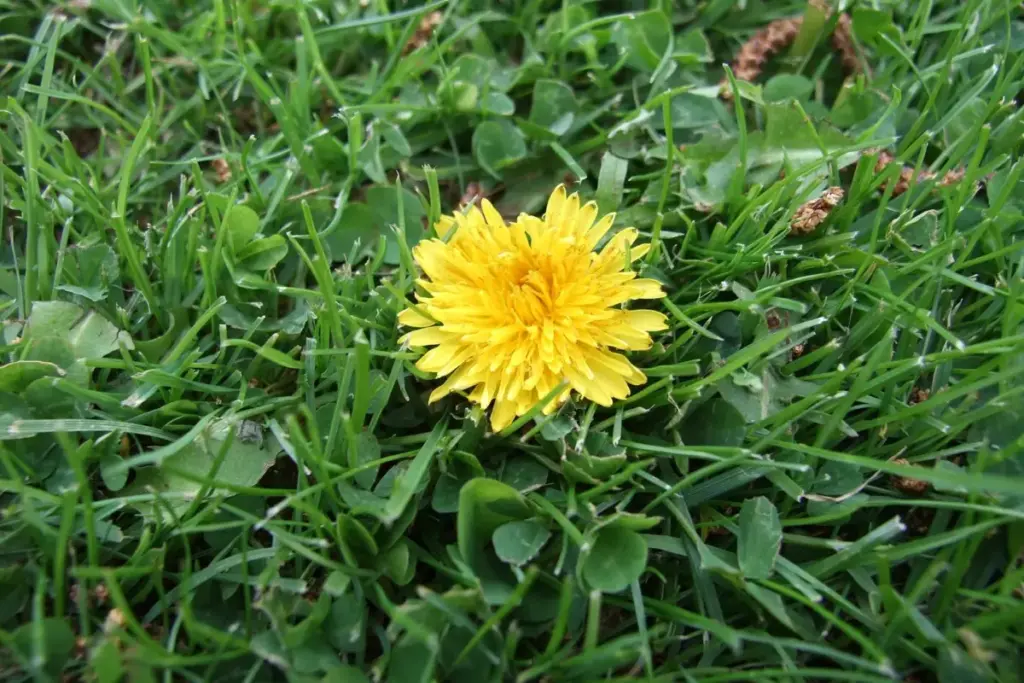
1. Dandelion (Taraxacum officinale agg.)
Claiming the number-one spot on the ultimate underrated plant list is a selection that will shock traditional landscapers while delighting ecological purists: the dandelion (Taraxacum officinale aggregate).
Plant Type: Herbaceous perennial
Optimal Growing Conditions: Full sun to partial shade; highly adaptable to virtually any soil type globally.
Aesthetic Profile: Brilliant, sunburst-yellow composite flower heads followed by spherical seedhead "clocks" that have entertained generations of children.
Ecological Importance: Recognized by conservation biologists as one of the single most critical early-spring food sources for emerging pollinators, providing vital nectar and pollen when little else is in bloom.
Horticultural Analysis
For decades, the dandelion has been cast as the ultimate botanical villain, hunted relentlessly with trowels, weed-killers, and specialized extraction tools. Yet, a profound paradigm shift is underway. Botanically speaking, the Taraxacum officinale aggregate comprises over 250 microspecies, all displaying masterclasses in survival engineering. Their deep taproots break up compacted subsoils, drawing up vital minerals and nutrients to enrich the upper soil horizons. By reframing our aesthetic standards to value ecological function alongside visual polish, forward-thinking gardeners are reclaiming the dandelion as an invaluable, native-adjacent wildflower that sustains local biodiversity when ecosystems are most vulnerable.
Official Statements & Horticultural Perspectives
To contextualize the findings of the July 2026 community consultation, leading voices in landscape architecture and botanical conservation have weighed in on the changing cultural perception of "weeds" and underrated flora.
Dr. Aris Thorne, Senior Horticultural Ecologist at the Royal Botanical Research Institute, noted:
"What we are witnessing is a democratization of garden design. For generations, horticultural media dictated a top-down aesthetic of pristine, high-input perfection that excluded the vast majority of our resilient native and naturalized flora. Plants like the dandelion, daisy, and London pride are nature’s shock absorbers. They manage soil health, feed pollinators, and ask nothing from the gardener save a little tolerance. Embracing them is no longer seen as ‘letting the garden go’; it is recognized as an active commitment to regenerative landscaping."
Elena Vance, a prominent landscape designer specializing in climate-resilient urban spaces, added:
"Clients are increasingly asking for gardens that survive neglect and municipal water restrictions. When I introduce plants like Erigeron karvinskianus or hardy geraniums into a contemporary urban courtyard, clients are consistently amazed by how little water and intervention they require. They provide continuous interest from April through November. The old boundary line between ‘ornamental’ and ‘weed’ is rapidly dissolving."
Future Outlook: The Next Decade of Resilient Gardening
As we look ahead from 2026 toward the 2030s, the trajectory of residential and public horticulture is clear. The convergence of tightening water supplies, escalating labor costs, and a heightened urgency around insect biodiversity loss will continue to erode the dominance of high-maintenance ornamental plants.
The Rise of "Functional Wilding": Homeowners are expected to increasingly dedicate portions of their properties to functional wild spaces where plants like dandelions, daisies, and native fleabanes are intentionally cultivated rather than eradicated.
Evolution of Nursery Inventories: Commercial nurseries are already reporting a noticeable uptick in demand for robust perennials that offer multi-season interest and pollinator benefits, matching the consumer sentiment captured in the July 2026 shout-out.
Redefining Aesthetic Beauty: The cultural lexicon of gardening is shifting away from the sterile, plastic-wrapped perfection of mid-20th-century suburban lawns toward a more mature, ecologically literate appreciation of natural dynamism, seasonal change, and rugged resilience.
Ultimately, the five plants highlighted by our gardening community serve as a powerful reminder: true botanical beauty lies not in how much human effort is forced upon a landscape, but in how harmoniously a garden can thrive, adapt, and sustain life on its own terms.