Executive Overview
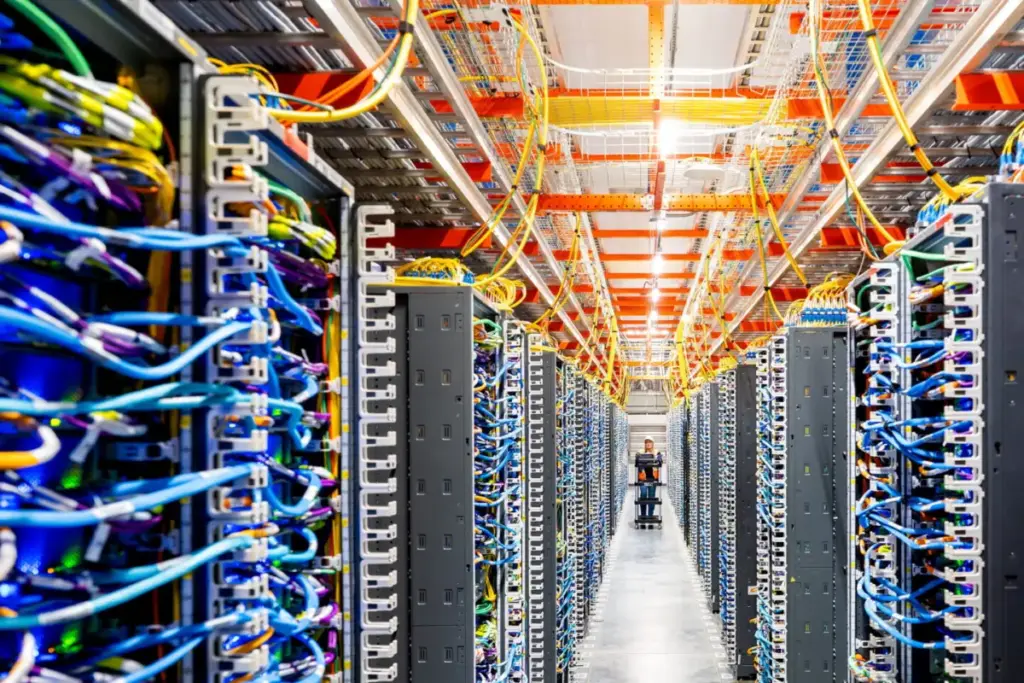
As hyper-scale technology corporations race to construct the vast computational infrastructure required for artificial intelligence, global climate discourse has fixated on a singular, highly visible metric: the staggering electricity consumption of data centers. Projections indicate that by 2030, the energy demand of global data centers will nearly triple, surpassing the combined annual electricity consumption of Pakistan, Bangladesh, and Nigeria. In countries like the United States, this exponential demand spike is driving renewed capital investment in fossil fuel power generation, threatening to reverse hard-won decarbonization gains.
However, an exclusive focus on operational electricity usage conceals a far more consequential systemic risk. The dominant narrative—promoted by technology executives and bolstered by analytical frameworks from bodies like the International Energy Agency (IEA)—holds that AI’s operational carbon footprint will be comfortably offset by its internal efficiencies and green application, such as optimizing smart grids or discovering novel materials for clean energy transition.
This comforting framework overlooks what researchers call "enabled emissions." In reality, the most lucrative immediate applications of enterprise AI are deployed directly within the oil and gas sector. Advanced machine learning algorithms, computer vision, and predictive analytics are enabling fossil fuel operators to discover hidden hydrocarbon reserves, optimize reservoir extraction, and dramatically lower per-barrel production costs.
Recognizing this blind spot, former Microsoft senior managers Holly Alpine and Will Alpine resigned from their corporate roles in 2024 to initiate a high-profile accountability campaign. Teaming up with independent researchers, their work aims to unmask the uncounted carbon cost of enterprise AI, challenging the tech industry’s claims of climate leadership by exposing how cloud providers actively accelerate fossil fuel extraction.
Detailed Chronology: The Evolution of Tech’s Carbon Alliance
  2018–2020: Big Tech Climate Pledges
  ├── Tech giants announce bold net-zero targets (e.g., Microsoft's 2030 carbon-negative goal).
  └── Parallel creation of dedicated "Energy Cloud" business units targeting oil & gas.

  2021–2023: Embedded AI Integration in Extraction
  ├── Machine learning tools integrated into subsurface imaging and drill-targeting.
  └── Enterprise contracts scale with major international oil companies (IOCs).

  2024: Internal Reckoning & Resignations
  ├── Holly & Will Alpine resign from Microsoft over climate blind spots.
  └── Launch of dedicated campaign and research initiatives targeting "Enabled Emissions."

  Present & Beyond: Regulatory & Grid Strain
  ├── Data center power demand threatens national grid stability.
  └── Pushes to reform corporate carbon accounting standards (Scope 4 / Enabled Emissions).
1. The Era of Carbon Pledges and Hidden Partnerships (2018–2020)
Between 2018 and 2020, major technology conglomerates—most notably Microsoft, Google, and Amazon—launched public relations initiatives promising aggressive net-zero and carbon-negative targets. Microsoft pledged to become carbon-negative by 2030 while removing all historic emissions by 2050.
Concurrently, however, these same corporations established specialized "Energy and Upstream Enterprise" divisions. These units quieted public scrutiny while competing aggressively for multimillion-dollar contracts with global energy majors including ExxonMobil, Chevron, Shell, and BP. The primary objective of these partnerships was to migrate decades of legacy geological data into cloud platforms, setting the stage for machine learning optimization.
2. The Generative AI Boom and Operational Reality (2021–2023)
With the launch of advanced generative models and large-scale AI processing systems, the tech sector’s infrastructure demands ballooned. The industry quickly realized that training and running large language models (LLMs) required compute capabilities that threatened their internal corporate sustainability milestones.
To defend their investments, hyper-scalers pointed to efficiency gains: AI could streamline renewable energy integration, optimize building HVAC systems, and enhance supply chain mechanics. Simultaneously, enterprise sales teams quietly expanded custom AI tools designed specifically for oil field services—automating seismic interpretation, predicting pump failures, and optimizing well-bore trajectories to maximize barrel yields.
3. The Whistleblower Turning Point (2024)
By early 2024, the contradiction between corporate climate marketing and operational reality reached a breaking point internally. Holly Alpine, a senior program manager at Microsoft focused on environmental sustainability, alongside her husband Will Alpine, also a manager at the company, observed that internal carbon accounting explicitly excluded the emissions generated by client use of their tools.
Determined to address this systemic omission, the Alpines resigned from Microsoft in 2024. They established a campaign aimed at establishing structural accountability within Big Tech. Partnering with climate scientists and energy economists, their initiative set out to systematically document and quantify the enterprise software contracts connecting hyperscale AI capabilities directly to fossil fuel extraction projects worldwide.
Supporting Context & Metrics: Operational vs. Enabled Emissions
To understand the full environmental trajectory of artificial intelligence, carbon accounting must distinguish between operational footprint (the energy consumed to run models) and enabled impact (the operational consequences of how those models are deployed).
| Metric / Dimension | Operational Impact (Data Centers) | Enabled Impact (Fossil Fuel AI Deployments) |
|---|---|---|
| Current Global Footprint | ~1% of global greenhouse gas emissions | Unquantified officially; estimated in hundreds of millions of metric tons of $CO_2e$ |
| 2030 Demand Projection | Nearly 3x the annual combined electricity consumption of Pakistan, Bangladesh, and Nigeria | Accelerated drawdown of known reserves; lower break-even cost per barrel |
| Primary Driver | High-density compute clusters, cooling systems, power grid draw | Subsurface seismic imaging, autonomous drilling, reservoir fluid simulations |
| Accounting Framework | Covered under Scope 1 and Scope 2 emissions | Currently omitted from standard corporate Scope 3 accounting |
The Data Center Grid Crisis
Data centers require constant, uninterrupted power. Because solar and wind resources can fluctuate, energy companies in the U.S. and other nations are delaying the retirement of coal-fired facilities and approving new natural gas power plants to meet hyper-scaler demand.
[ Data Center Expansion ] ──> [ 24/7 Power Demand Spike ]
                                      │
                                      ▼
                        [ Re-activation of Fossil Plants ]
                                      │
                                      ▼
                        [ Delay of Grid Decarbonization ]
While the operational emissions generated by data centers currently remain under 1% of total global greenhouse gas output, the trajectory is sharply upward. The sudden surge in power demand threatens to undermine municipal clean-energy targets and force utilities to prioritize computational capacity over rapid decarbonization.
The Hidden Multiplier: Upstream AI Optimization
While grid impacts remain critical, the enabled emissions occurring in the field represent a far larger atmospheric risk. Hydrocarbon exploration historically carried high financial and temporal risks, requiring months of physical drilling and manual geological data analysis.
Modern enterprise AI platforms dramatically compress these timelines:
- Seismic Data Processing: AI algorithms process 3D and 4D seismic survey datasets in days rather than months, mapping deep subsurface geological formations with high precision.
- Exploration Efficiency: Computer vision tools identify subtle hydrocarbon signatures, drastically reducing the rate of unproductive "dry holes" and making previously unviable fields financially attractive.
- Production Maximization: Predictive algorithms optimize artificial lift systems and reservoir pressure in real time, extracting up to 10–15% more oil from aging wells.
By driving down the marginal cost of extraction, AI keeps fossil fuels cost-competitive against emerging renewable technologies, effectively locking in long-term carbon emissions that extend decades beyond the operational lifespans of the server racks themselves.
Official Statements and Corporate Rhetoric
The debate over AI’s net climate impact features sharply opposing views from tech executives, climate advocates, and international energy bodies.
       ┌────────────────────────────────────────────────────────┐
       │                THE CLIMATE DYNAMO DEBATE               │
       └────────────────────────────────────────────────────────┘
                                   │
         ┌─────────────────────────┴─────────────────────────┐
         ▼                                                   ▼
┌──────────────────────────────┐           ┌──────────────────────────────┐
│    THE TECH & IEA NARRATIVE   │           │   THE ACTIVIST & RESEARCH    │
│                              │           │          POSITION            │
│  "AI efficiency will yield   │           │  "AI accelerates hydrocarbon │
│  a net reduction in global   │           │  extraction, creating massive│
│  emissions via grid          │           │  unaccounted emissions."     │
│  optimization."              │           │                              │
└──────────────────────────────┘           └──────────────────────────────┘
The Hyperscale Tech Position
Technology giants consistently defend their energy enterprise divisions by presenting cloud services as tools for systemic optimization. In corporate updates, representatives frequently emphasize that working alongside legacy energy providers helps those companies modernize their operations and invest in transitional energy research.
A standard corporate perspective suggests:
"Our partnerships with energy providers are designed to accelerate operational efficiency. By modernizing legacy infrastructure through digital transformation, we help energy companies optimize operations while providing the foundational technologies required to build next-generation clean energy systems."
Furthermore, technology companies point to heavy corporate investments in power purchase agreements (PPAs) for nuclear, geothermal, and advanced solar projects as proof of their commitment to clean power grids.
The Analytical Stance of the IEA
The International Energy Agency (IEA) has increasingly emphasized the double-edged nature of digital infrastructure. While its reports flag the rapid growth of data center energy consumption, they also highlight potential operational savings across industrial sectors. However, critics argue the IEA’s baseline models rely heavily on self-reported corporate efficiency targets while underestimating how cheaper extraction technology increases overall demand for oil and gas—an economic dynamic known as the Jevons Paradox.
The Campaign Perspective
Holly Alpine and climate accountability researchers reject the narrative that operational efficiencies offset targeted fossil fuel enhancement. Speaking on the core mission of their initiative, Alpine noted:
"The technology sector cannot claim climate leadership while simultaneously selling the digital picks and shovels used to extract planet-heating oil and gas. Focusing exclusively on data center electricity consumption allows tech giants to conceal their most damaging climate impact: providing the artificial intelligence required to make fossil fuel extraction faster, cheaper, and more profitable."
Future Outlook: Accounting for the Invisible Carbon
As artificial intelligence becomes deeply integrated into global industrial systems, regulatory bodies and carbon-accounting organizations face mounting pressure to reform how enabled emissions are evaluated and reported.
┌─────────────────────────────────────────────────────────────────┐
│                    EMERGING POLICY TRAJECTORY                   │
├─────────────────────────────────────────────────────────────────┤
│ 1. Mandated Reporting of Scope 4 / Enabled Carbon Footprints    │
│ 2. Grid-Impact Fees for Large-Scale Compute Infrastructure     │
│ 3. Internal Tech Sector Governance & Contract Transparency       │
└─────────────────────────────────────────────────────────────────┘
1. Regulatory Modernization and "Scope 4" Standards
Standard corporate sustainability reporting focuses primarily on Scope 1 (direct operational emissions), Scope 2 (purchased energy emissions), and traditional Scope 3 (supply chain emissions).
To address the blind spots exposed by independent researchers, climate policy experts are advocating for standardized Scope 4 (Enabled Emissions) metrics. Under such a framework, software companies would be required to disclose the estimated lifecycle emissions facilitated by custom algorithms sold to heavy-emitting industries.
2. Grid Infrastructure and Economic Rebalancing
Without policy interventions, the dual pressures of AI infrastructure—its high grid-electricity demand combined with its ability to lower fossil fuel extraction costs—risk delaying the global clean energy transition. Municipalities and grid operators are beginning to consider high-density compute tariffs, forcing tech companies to fund dedicated zero-carbon generation assets before connecting new data center hubs to local electrical grids.
3. Internal Tech Governance and Worker Advocacy
The movement initiated by former insiders like Holly and Will Alpine reflects a growing trend of employee advocacy within enterprise tech companies. As talent retention becomes increasingly linked to corporate ethical standings, tech executives may face rising internal pressure to place ethical boundaries on AI deployments, similar to historic internal pledges regarding defense and autonomous weapon systems.
Ultimately, determining the true carbon footprint of artificial intelligence will require moving past the convenient metric of server energy draw. Until corporate carbon accounting captures the extra millions of oil barrels unlocked by algorithms, the tech industry’s stated climate goals will remain incomplete.