

By Environmental Investigative Desk
Published October 9, 2026
Executive Overview
In what marine scientists are calling a profound indictment of modern fisheries management, the International Council for the Exploration of the Sea (ICES) has issued a stark, unambiguous directive: there must be absolute zero fishing of Northern Shelf cod in 2027.
This marks the second consecutive year that independent researchers have called for a complete closure of what was once one of the United Kingdom’s most abundant, lucrative, and culturally significant commercial fish populations. The Northern Shelf cod stock—which roams the expansive waters spanning the North Sea, west of Scotland, the eastern English Channel, and the Skagerrak—remains in such a precarious, collapsed state that experts warn any level of human extraction will actively jeopardize its long-term survival.
The implications of this announcement extend far beyond marine biology. The inclusion of Northern Shelf cod on the zero-catch roster means that three of the United Kingdom’s four primary cod stocks are now officially categorized by scientists as requiring complete protection from fishing. This triple collapse underscores a systemic failure within British fisheries governance, where short-term political expediency has routinely overridden long-term ecological stewardship.
As overfishing drains UK waters, the fallout is hitting home. Across the nation, traditional fish and chip shops are buckling under soaring import costs and shrinking profit margins, forcing British consumers to pay more for an increasingly imported national dish. Conservationists and marine experts argue that the crisis is no longer just an environmental issue—it is a glaring failure of national food security, economic resilience, and climate preparedness.
Detailed Chronology: How a Once-Thriving Fishery Hit Rock Bottom
The collapse of the Northern Shelf cod population did not happen overnight. It is the culmination of decades of systematic overexploitation, regulatory loopholes, and political decisions that consistently prioritized immediate industry yields over the biological limits of the marine environment.
For generations, cod was the beating heart of the British fishing industry. Vast schools thrived in the cold, nutrient-rich waters surrounding the British Isles, supporting bustling coastal economies from Scottish ports down to English coastal towns. However, technological advancements in commercial trawling during the late 20th century, combined with aggressive fishing quotas, pushed populations to historical lows.
Despite decades of warnings from marine scientists, policy frameworks have repeatedly failed to halt the downward spiral. In recent years, ICES assessments revealed that the Northern Shelf cod stock had crossed a dangerous biological tipping point, plunging below critical safety limits. This led to last year’s unprecedented scientific advice calling for a total cessation of fishing.
Yet, rather than using the guidance to orchestrate a managed recovery plan, decision-makers permitted fishing to continue. Political pressures and economic lobbying routinely swayed negotiations, resulting in catch limits being set well above what scientists deemed sustainable. Data reveals that in 2026 alone, an alarming 58% of all UK fishing opportunities were approved at levels exceeding scientific recommendations. This political reversal derailed years of painstaking, gradual progress toward sustainable fisheries management, accelerating the collapse of the very stocks upon which the industry depends.
Supporting Context & Metrics: The Scale of the Crisis
To understand the severity of the ICES advisory, one must examine the granular data concerning the sub-populations that comprise the Northern Shelf cod stock.
Northern Shelf cod is divided into three distinct biological units:
- The Southern population
- The Northwestern population
- The Viking cod
Scientists have expressed grave concern over the Southern population, which has plummeted past critical biological thresholds. This sub-group is now trapped in a dangerous feedback loop where it risks losing the capacity to produce enough juvenile fish to sustain its own numbers. Because these distinct populations naturally mix and are frequently hauled up together in mixed-fishery trawls, ICES concluded that permitting targeted or incidental fishing on any part of the stock poses an unacceptable risk to the recovery of the whole ecosystem.
Recent ICES assessments paint a grim statistical picture of the decline across all three groups since 2016:
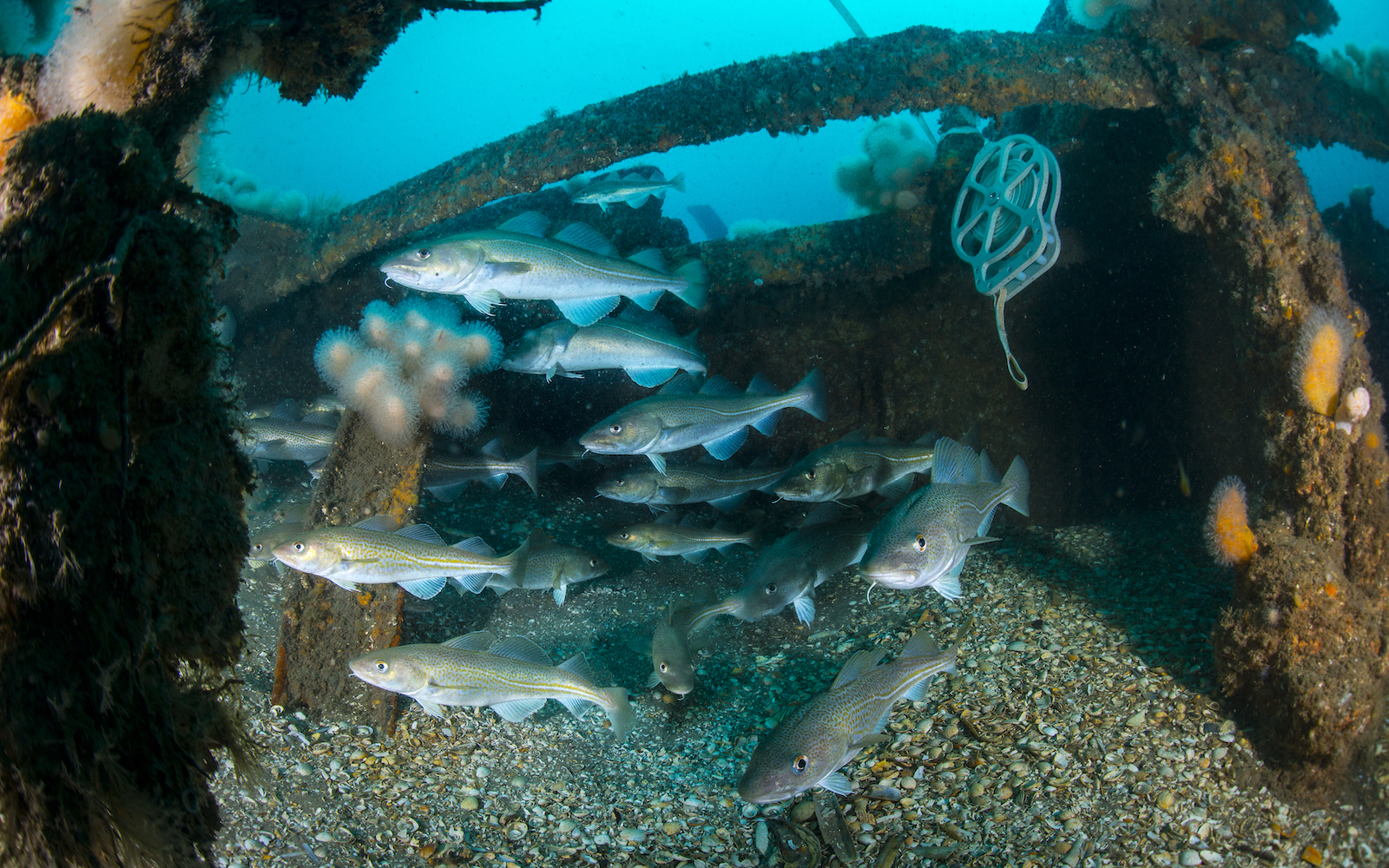
- Southern cod: Down an astonishing 52% since 2016.
- Northwestern cod: Down 53% over the same period.
- Viking cod: Down 37%.
The ripple effects of this ecological unraveling are acutely visible on high streets across the UK. Fish and chip shops—long considered a staple of British culinary culture—are facing unprecedented economic headwinds. Restaurateurs report soaring wholesale fish prices, severely constrained domestic supplies, and an unprecedented reliance on frozen imports sourced from distant waters, such as the Barents Sea. Consequently, the average price of takeaway fish and chips has risen dramatically, placing a beloved cultural tradition out of reach for many families while gutting the profit margins of small, independent business owners.
Furthermore, the degradation of cod stocks strikes at the heart of the UK’s broader environmental and security policies. The Department for Environment, Food and Rural Affairs (Defra) has repeatedly emphasized that nature and climate security are fundamentally matters of national security. Healthy, biodiverse oceans serve as vital carbon sinks and natural buffers against climate volatility. When apex predators and iconic commercial species like cod are systematically overfished, marine ecosystems lose their resilience, becoming acutely vulnerable to warming waters, acidification, and other anthropogenic stressors.
Official Statements and Expert Perspectives
The release of the 2027 zero-catch advice has drawn sharp rebukes from environmental organizations, who are demanding an immediate course correction from government ministers.
Jonny Hughes, Fisheries Policy Lead at the Blue Marine Foundation, delivered a scathing critique of past political decisions and outlined the stark reality facing the nation:
"A second consecutive year of zero-catch advice should be a wake-up call. Northern Shelf cod did not collapse overnight. It is the result of years of political decisions that repeatedly allowed catches to exceed scientific recommendations."
Hughes emphasized that the path forward requires a fundamental shift in political will, contrasting the excellence of British marine science with the inadequacy of political implementation:
"The choice facing governments is simple: continue with business as usual or prioritise recovering this iconic species. The future of our seas and our fishing communities depend on getting this right.
It is remarkable that we have access to some of the best fisheries science in the world, science that tells us exactly how to fish sustainably while securing the greatest long-term benefits for fishing communities, food security and the economy, yet we continue to disregard it.
At a time when the Government rightly recognises that the climate crisis is already affecting our lives, it must also recognise that resilience to these challenges depends on a healthy and resilient ocean. Healthy fish populations are a fundamental part of that."
Future Outlook: A Critical Crossroads for British Waters
As the UK government digests the latest ICES recommendations, policymakers face a defining moment. The management of post-Brexit fisheries was billed as an opportunity for the nation to take back control of its waters and champion world-class environmental standards. Instead, the persistent over-allocation of fishing quotas threatens to turn British waters into an ecological cautionary tale.
Reversing the fate of Northern Shelf cod will require immense political courage. A credible recovery strategy must encompass several urgent measures:
- Strict Adherence to Science: Governments must legally bind catch limits to independent scientific advice, eliminating the political horse-trading that routinely inflates quotas.
- Support for Affected Fishers: Transitioning away from depleted stocks requires targeted financial and structural support for coastal communities, helping fishers transition to low-impact, sustainable gear and alternative fisheries.
- Ecosystem-Based Management: Recognizing that cod do not exist in a vacuum, management plans must account for broader ecosystem health, habitat protection, and the mitigation of climate-driven marine changes.
Ultimately, the collapse of three out of four UK cod stocks demonstrates that everyone loses when marine life is mismanaged: fishers face vanishing yields, businesses endure crippling cost pressures, and consumers are left with fewer sustainable food choices. If the UK is to secure its food supply, protect its coastal heritage, and build climate resilience into its marine ecosystems, listening to the science is no longer optional—it is an absolute imperative.



