Executive Overview
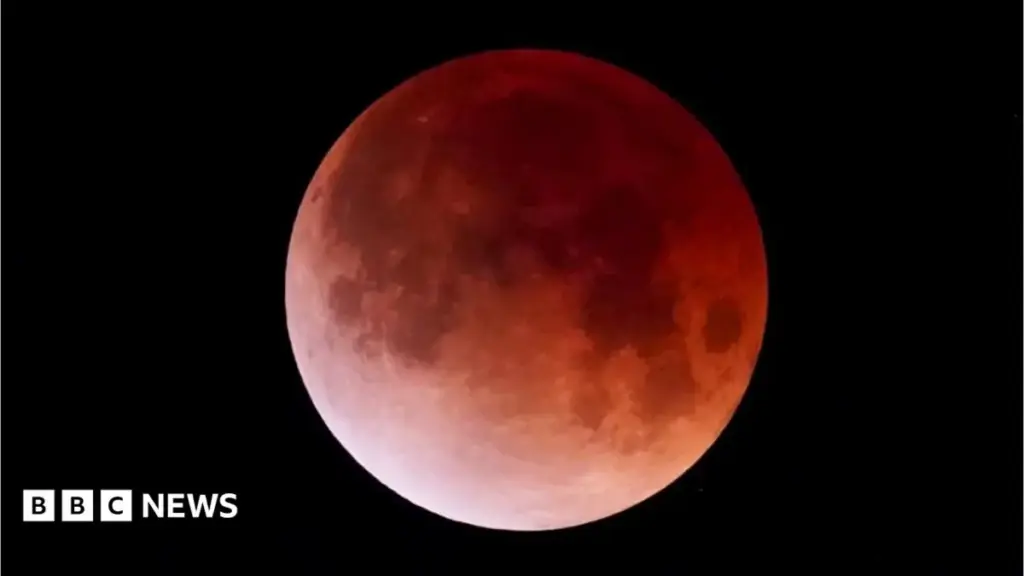
Stargazers and astronomy enthusiasts across the West Country of England are preparing their telescopes, cameras, and viewing schedules for a rare celestial event slated for the early hours of Friday morning. Lunar events—ranging from supermoons and partial eclipses to dramatic conjunctions—consistently capture the public imagination, drawing thousands outdoors in search of unobstructed vistas. However, capturing a pristine glimpse of this week’s cosmic alignment will require more than just enthusiasm and a sturdy pair of binoculars; it will demand strategic geographical positioning, keen timing, and an undeniable stroke of meteorological good fortune.
As with any major astronomical event, securing high ground remains the cardinal rule for maximizing visual clarity. Elevated topography lifts observers above low-lying atmospheric haze, local light pollution, and ground-level obstructions. Across the ceremonial counties of Bristol, Gloucestershire, Somerset, and Wiltshire, regional landscapes offer an abundance of dramatic escarpments, historic viewpoints, and rolling hills tailor-made for skywatching. From the panoramic expanses of the Mendip Hills to the storied heights of Glastonbury Tor and the dramatic cliffs of Brean Down, the West Country is richly endowed with natural observatories.
Yet, enthusiasm is currently clashing with a shifting atmospheric reality. Following an exceptionally stable, clear, and dry summer that spoiled amateur astronomers with weeks of uninterrupted stargazing, the synoptic charts are undergoing a dramatic transformation. Meteorological forecasts issued by the Met Office indicate that a more unsettled Atlantic weather pattern is actively pushing across the United Kingdom. This incoming frontal system threatens to obscure the heavens just as the lunar event reaches its peak visibility window.
Consequently, Friday morning’s spectacle is shaping up to be a test of patience and persistence. While meteorologists have identified a fleeting window of opportunity late Thursday evening, the remainder of the night is projected to battle stubborn cloud cover and intermittent precipitation. This comprehensive report explores the best vantage points across the region, analyzes the latest meteorological data from official forecasters, outlines the precise timing strategies required to beat the weather, and provides strategic insights for anyone hoping to catch a glimpse of the night sky before autumn’s unsettled weather fully takes hold.
Detailed Chronology: Navigating the Timeline of Friday’s Lunar Event
Understanding the precise chronology of Friday’s celestial window is vital for anyone planning to step outside into the brisk pre-dawn air. Astronomical events governed by orbital mechanics and planetary rotation leave zero room for tardiness; missing a brief window of atmospheric clarity can mean missing the entire phenomenon.
Thursday Evening: The Initial Window of Opportunity
According to synoptic analysis provided by the Met Office, the transition from settled summer conditions to a more dynamic, Atlantic-driven regime will begin in earnest on Thursday afternoon. However, the leading edge of this weather front will not immediately blanket the entire region in dense cloud cover.
Met Office spokesperson Stephen Dixon noted that late Thursday evening—specifically in the hours leading up to midnight—may present a brief, localized visibility window for observers situated in the far southwest of England. For night-owl astronomers and professional photographers, this pre-midnight phase represents the most statistically stable period of the evening. During this timeframe, localized radiation fog has not yet formed, and the thicker, mid-level stratocumulus clouds associated with the incoming front may still be holding off the Atlantic coast. Observers stationed at high-altitude viewpoints during this window stand the highest chance of capturing unobstructed photographs of the moon against a dark, relatively clear background.
The Critical Pre-Dawn Hours: 01:00 AM to 04:00 AM
As the night progresses into the early hours of Friday morning, the meteorological narrative shifts dramatically. The leading edge of the low-pressure system is projected to march steadily from west to east, progressively eating away at clear skies.
By 01:00 AM, cloud cover is expected to significantly increase across Cornwall, Devon, and the western fringes of Somerset and Bristol. By 03:00 AM—a critical milestone for early-rising skywatchers—much of the region will likely find itself caught beneath a thickening blanket of cloud.
Despite this pessimistic general outlook, atmospheric dynamics are rarely uniform. Micro-climates, wind shear, and localized topographic lifting can create transient breaks in cloud layers. It is precisely during these unpredictable intervals that dedicated stargazers might catch a dramatic, ethereal view of the moon cutting through ragged patches of scudding clouds.
The Dawn Chorus and the Final Countdown
As Friday morning transitions into daylight, the opportunity for lunar observation closes entirely. Solar glare will rapidly wash out any remaining contrast in the morning sky. Experts suggest that anyone waking up for the event should employ a tactical, low-effort strategy rather than committing to hours of standing in the cold.
As meteorologist Hall succinctly advised:
"Maybe set the alarm for 3am and just poke your head out the window and see what you think the chances are."
This pragmatic approach prevents unnecessary fatigue while ensuring that observers do not completely miss out if an unexpected localized clearance occurs overhead.
Supporting Context & Metrics: Prime Viewing Locations Across the West Country
Choosing the right location can mean the difference between a breathtaking astronomical experience and an obstructed view of suburban rooftops and streetlights. The West Country boasts some of the most dramatic geography in the United Kingdom, featuring ancient earthworks, geological faults, and sweeping downlands that rise prominently above urban light pollution.
Below is a detailed breakdown of the premier elevated viewpoints across the region, categorized by county, designed to help observers optimize their positioning for Friday morning.
Bristol: Urban Escarpments and Historic Observatories
Even within and immediately surrounding the bustling urban environment of Bristol, several dramatic vantage points offer sweeping views of the southern and western horizons:
- Troopers Hill: Situated in East Bristol overlooking the River Avon, this local nature reserve sits high above the surrounding residential districts. Its open heathland and elevated stone chimney provide an unobstructed 360-degree panorama, making it a favorite among local landscape photographers and amateur astronomers alike.
- Perrett’s Park: Located in Knowle in South Bristol, this sloping, green amphitheater faces north and west, offering elevated vistas across the city center. Its natural topography elevates viewers well above the immediate streetscape, helping to mitigate ground-level light pollution.
- Clifton Observatory: Perched dramatically on the edge of the Avon Gorge right next to the iconic Clifton Suspension Bridge, the historic observatory provides a commanding platform looking out over the gorge and toward the western horizon. While popular, its altitude makes it a prime candidate for catching low-lying celestial alignment events—provided local cloud breaks cooperate.
Bath: The Cotswold Edge
- Lansdown Hill: Rising steeply to the north of the historic city of Bath, Lansdown Hill marks the southern terminus of the Cotswold Hills escarpment. Sitting more than 200 meters above sea level, it offers vast, sweeping views northward toward Gloucestershire and westward over the Severn Vale, ensuring minimal atmospheric interference from the city below.
Gloucestershire: Escarpments of the Severn Vale
Gloucestershire is defined by the dramatic western fault line of the Cotswolds, creating a series of natural balconies overlooking the River Severn and the Welsh mountains beyond:
- Robinswood Hill: Rising 162 meters out of the suburban sprawl of Gloucester, this country park offers a heavily wooded yet deeply rewarding climb to its summit. Open clearings near the top afford brilliant vistas across the Severn Vale.
- Leckhampton Hill: Overlooking Cheltenham, Leckhampton Hill is famous for its striking limestone rock pillar, the Devil’s Chimney. The plateau at the top provides an expansive, high-altitude platform facing west—ideal for tracking low-angled celestial bodies.
- Crickley Hill Country Park: Situated further along the Cotswold Way, Crickley Hill is a historic scheduled ancient monument that rises steeply above the Air Balloon roundabout. Its dramatic escarpment edges offer uninterrupted panoramic views to the west and northwest.
Somerset: Tor, Down, and Mendip Heights
Somerset’s landscape is punctuated by dramatic isolated hills and limestone plateaus that rise sharply from flat marshlands and levels:
- Glastonbury Tor: Perhaps one of the most iconic and mystical landmarks in the United Kingdom, the Tor rises 158 meters above the Somerset Levels, topped by the roofless shell of St Michael’s Tower. Its complete isolation from surrounding high ground provides a truly majestic, uninterrupted 360-degree horizon.
- The Mendip Hills: An Area of Outstanding Natural Beauty (AONB), the Mendips form a broad limestone plateau sweeping above Cheddar and Wells. Locations such as Wavering Down or Crook Peak offer high-altitude viewpoints with vast skies stretching out toward the Bristol Channel and the Atlantic approaches.
- Brean Down: A dramatic, finger-like limestone promontory jutting nearly two miles out into the Bristol Channel, Brean Down offers marine-level atmospheric clarity combined with elevated clifftop viewing. Observers here look directly out over the sea, avoiding land-based particulate pollution entirely.
Wiltshire: Chalk Downs and Ancient Monuments
Wiltshire is characterized by rolling chalk downlands that offer vast, cinematic skies reminiscent of the American Great Plains:
- Westbury White Horse: Carved into the steep chalk escarpment of Salisbury Plain’s western edge beneath Bratton Camp, this historic hill figure sits high above the surrounding valleys. The viewing area at the top offers sweeping vistas across the agricultural plains of Wiltshire and Somerset.
- Hackpen Hill: Located high on the Marlborough Downs north of Avebury, Hackpen Hill sits right beneath the Ridgeway. Its exposed, elevated plateau is a renowned spot for local astronomers due to its dark skies and wide horizons.
- Salisbury Plain: As the largest remaining area of chalk grassland in-northwest Europe, Salisbury Plain offers vast, uninterrupted horizons where the sky dominates the landscape. Its remote, sparsely populated expanses minimize local light pollution significantly.
Official Statements & Meteorological Analysis
To understand the complex interplay between celestial mechanics and terrestrial meteorology, we turn to the expert analysis provided by the United Kingdom’s national weather service, the Met Office. Predicting visibility for a specific overnight hour days in advance is a notoriously difficult task, requiring sophisticated numerical weather prediction (NWP) models that account for cloud water content, thermal inversions, and jet stream trajectories.
Stephen Dixon, a senior operational meteorologist and spokesperson for the Met Office, provided a detailed breakdown of the atmospheric conditions expected to sweep across the country as Friday approaches:
"The weather will be gradually turning more unsettled later this week, with frequent periods of rain and cloud for many," Dixon explained, outlining the macro-scale meteorological shift.
The transition is being driven by a deep low-pressure system rolling in from the North Atlantic, pushing aside the stubborn high-pressure ridge that dominated the British Isles throughout much of the summer months. This high-pressure system had previously guaranteed cloud-free nights and exceptional radiative cooling, creating paradise-like conditions for stargazers. Now, however, the return of maritime air masses brings moisture, atmospheric instability, and multi-layered cloud formations.
Elaborating on the specific timeline for Friday morning, Dixon offered a cautious assessment of regional variations:
"Late Thursday evening—before midnight—could see a brief visibility window for some in the southwest, but cloud is likely to increasingly hinder viewings through much of the night from the West, though it’s not possible to rule out the odd clearer spell at times."
This nuanced forecast highlights the inherent volatility of frontal systems. While blanket cloud cover is the most probable outcome for the majority of the West Country during the peak hours of the event, the boundary of an advancing weather front is rarely uniform. Jagged edges, convective bubbles, and localized downdrafts can create unexpected "sucker holes"—temporary, crystal-clear breaks in an otherwise unbroken ceiling of cloud.
Compounding this scientific assessment is the practical, down-to-earth advice offered by fellow forecaster Hall, who emphasizes human adaptability over rigid planning. Rather than urging observers to spend hours shivering on a hilltop in the damp, Hall recommends a tactical, low-stakes approach:
"Maybe set the alarm for 3am and just poke your head out the window and see what you think the chances are."
This philosophy bridges the gap between scientific probability and human experience. It acknowledges that while meteorological odds may be stacked against uninterrupted viewing, the unpredictable nature of British weather means that those who refuse to check will never know what they might have missed.
Future Outlook: Autumn Skies and Upcoming Astronomical Highlights
As the curtain falls on Friday morning’s lunar event—regardless of whether it is viewed through pristine, starlit skies or frustrating layers of low cloud—the astronomical community is already looking ahead to the remainder of the autumn and winter seasons.
The transition from summer to autumn marks a profound shift for stargazers in the Northern Hemisphere. While the weather inevitably becomes more volatile, unpredictable, and damp, the longer nights of the colder months offer a distinct compensating advantage: extended hours of darkness. During the summer months, astronomical twilight persists nearly all night in the UK, leaving only a few short hours of true darkness. By contrast, deep autumn brings early sunsets, allowing observations to begin as early as 18:00 PM without requiring extreme pre-dawn wake-up calls.
Furthermore, the breakdown of the summer weather patterns signals the return of major seasonal meteor showers, planetary oppositions, and deep-sky observation opportunities.
Key Astronomical Dates to Watch This Autumn:
- The Orionid Meteor Shower (Late October): Peaking around October 21–22, this shower originates from the famous debris trail left behind by Halley’s Comet. Providing the autumn gales hold off, observers away from city lights can expect to see up to 20 shooting stars per hour cutting through the autumn constellations.
- The Leonid Meteor Shower (Mid-November): Known historically for producing dramatic meteor storms, the Leonids peak around November 17–18. While major storms are rare, even an average year yields fast, bright meteors with persistent trains.
- Planetary Oppositions: As Jupiter and Saturn continue their stately journeys across the evening sky, autumn evenings provide exceptional viewing conditions for amateur astronomers equipped with basic telescopes, allowing clear views of Jupiter’s Galilean moons and Saturn’s magnificent ring system.
Preparing for the Changing Meteorological Landscape
For photographers and astronomers across Bristol, Gloucestershire, Somerset, and Wiltshire, the overarching lesson of Friday’s event is the importance of meteorological literacy. Relying on real-time satellite imagery, local radar loops, and updated Met Office forecasts will become increasingly essential as the UK navigates the stormy months ahead.
Investing in portable weather apps, tracking cloud-top infrared maps, and remaining flexible with travel plans will separate the successful skywatcher from the frustrated observer. Whether you choose to make the pre-dawn pilgrimage up the steep slopes of Glastonbury Tor, brave the winds along the Mendip ridge, or simply follow Hall’s pragmatic advice to poke your head out a bedroom window at 3:00 AM, the cosmos will continue its eternal dance overhead—waiting patiently for the next reliable break in the clouds.