WASHINGTON, D.C. — Capitol Hill is bracing for a high-stakes legislative showdown this week as the U.S. House of Representatives prepares to vote on a controversial package of Congressional Review Act (CRA) resolutions. The targeted measures aim to strip away long-standing state-level environmental protections, specifically focusing on California rules designed to curtail toxic diesel pollution from commercial harbor craft and ocean-going vessels.
The impending vote represents a pivotal flashpoint in the ongoing battle between federal overreach, state-level climate leadership, and industrial pollution standards. If successful, the CRA resolutions would effectively override decades of regulatory progress, forcing maritime operators to burn dirtier fuels and dramatically increasing health risks for millions of Americans living in densely populated port communities.
This legislative maneuver comes on the heels of a critical legal victory for the Golden State. A federal judge recently issued a preliminary injunction halting the Environmental Protection Agency’s (EPA) attempts to unwind Clean Air Act preemption waivers previously granted to California. Despite this judicial speed bump, proponents of the rollback are pressing forward in Congress, utilizing an expedited legislative vehicle designed to bypass traditional filibusters and environmental reviews.
Environmental advocates, public health experts, and community leaders have mobilized fiercely against the push, warning that a congressional repeal would prioritize short-term industrial convenience over public safety. As the debate reaches a boiling point in Washington, the outcome of this week’s vote could redefine the boundaries of federalism and environmental regulation for decades to come.
Detailed Chronology: The Road to the House Vote
To understand the gravity of this week’s congressional vote, it is necessary to examine the complex timeline of legal, regulatory, and legislative actions that brought the issue to the steps of Capitol Hill.
Decades of State-Level Innovation
For over half a century, California has held a unique position under the federal Clean Air Act. Because of its severe geography and notorious smog challenges—particularly in the Los Angeles basin—the state was granted unique authority to set air pollution standards that are stricter than federal baselines, provided it secures a federal waiver. Over the years, these waivers have allowed California to pioneer groundbreaking regulations targeting passenger vehicles, heavy-duty trucks, and, more recently, the massive maritime sector that powers international trade.
The Maritime Regulatory Push
In recent years, the California Air Resources Board (CARB) turned its regulatory focus toward the state’s sprawling commercial ports, such as the Port of Los Angeles and the Port of Long Beach—two of the busiest container gateways in the Western Hemisphere. Programs targeting ocean-going vessels (OGVs) and commercial harbor craft (CHC) were implemented to mandate cleaner fuels, shore power utilization while docked, and advanced emission-control technologies. These rules have been widely credited with driving down localized cancer-causing diesel particulate matter.
The EPA Reclassification Maneuver
Seeking relief from stringent state standards, powerful industrial lobbying groups—such as the American Fuel & Petrochemical Manufacturers (AFPM)—intensified pressure on federal lawmakers and regulatory agencies. In a controversial move, the EPA attempted to retroactively reclassify or target previously approved Clean Air Act preemption waivers granted to California. Observers note that this bureaucratic pivot was engineered specifically to set the stage for a Congressional Review Act challenge, which relies on a narrow window and expedited rules to overturn federal agency actions.
The Federal Court Intervention
Recognizing the unlawful nature of the EPA’s sudden regulatory pivot, environmental coalitions and state attorneys general rushed to court. Their efforts bore fruit when a federal judge issued a preliminary injunction against the EPA. The court order explicitly commanded the agency to "restore the status quo" that existed prior to its attempts to dismantle California’s clean air waivers.
Despite this judicial rebuke, congressional leaders aligned with industrial polluters have refused to back down, scheduling floor votes on the CRA resolutions for this week.
Supporting Context & Metrics: The Human and Economic Toll of Port Pollution
The debate over maritime clean air standards is not merely an abstract legal dispute; it is a matter of life and death for communities situated adjacent to major shipping lanes and industrial ports.
The Toxic Reality of Diesel Exhaust
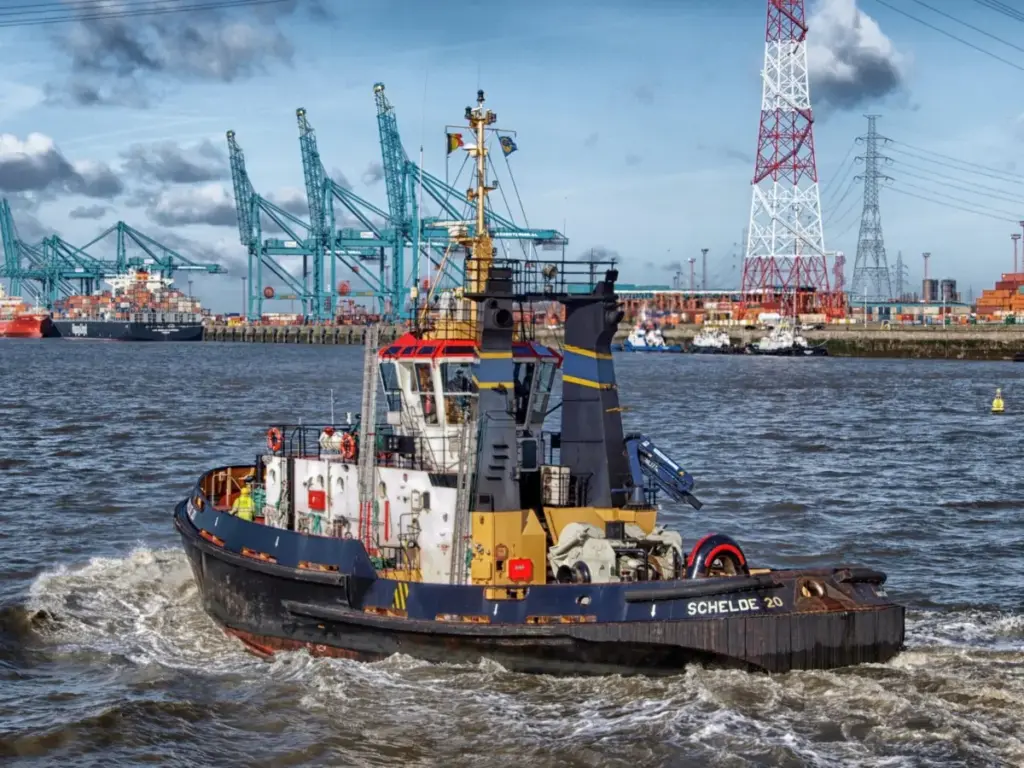
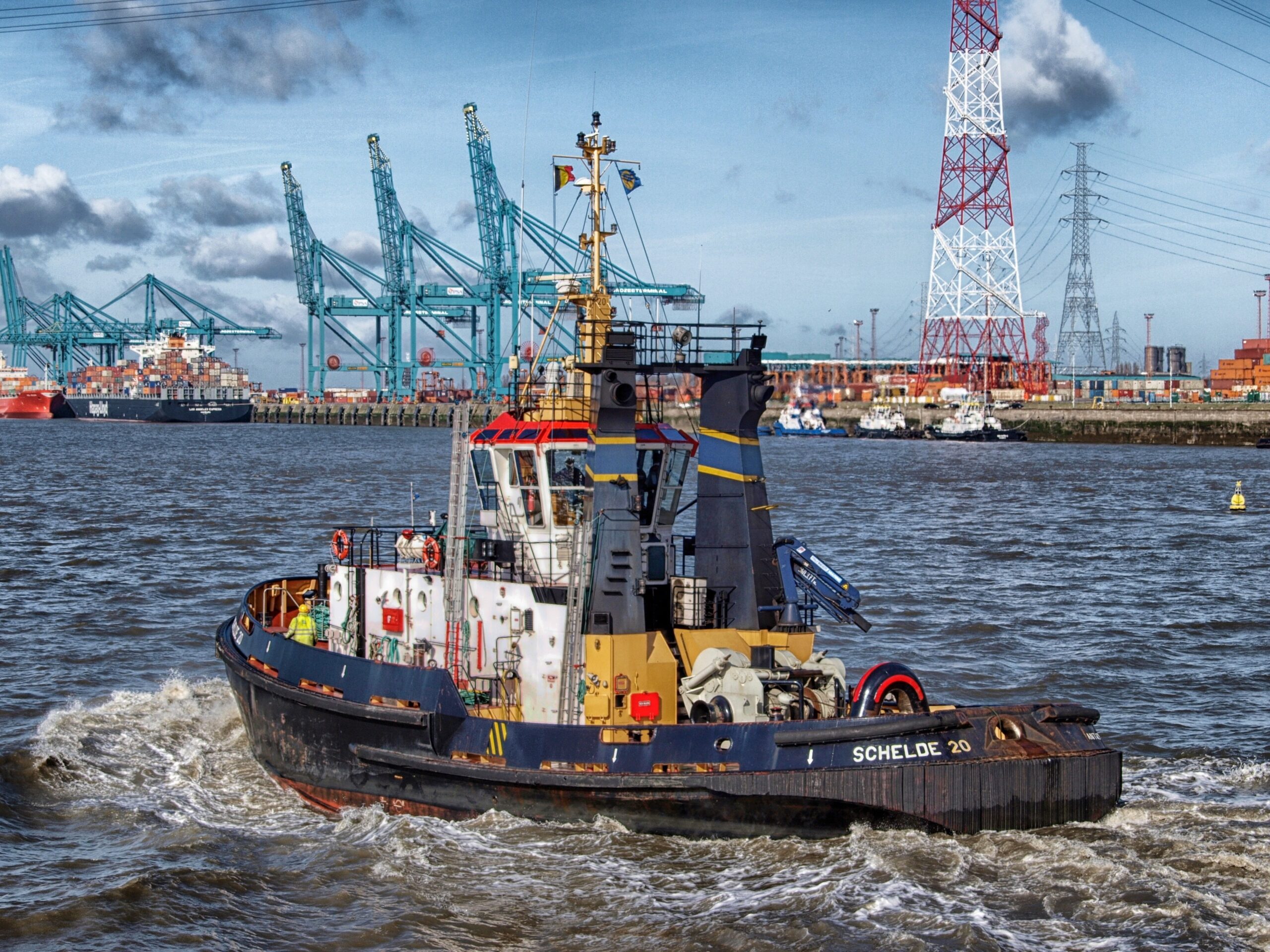
Commercial harbor craft—including tugboats, towboats, ferry boats, and excursion vessels—alongside massive container ships idling at docks, consume immense quantities of heavy bunker fuel and diesel. The combustion of these marine fuels releases a toxic cocktail of pollutants, including:
Particulate Matter ($PM_2.5$): Microscopic soot particles that penetrate deep into human lung tissue and enter the bloodstream, causing asthma, cardiovascular disease, and premature death.
Nitrogen Oxides ($NO_x$): A primary precursor to ground-level ozone (smog), which severely damages respiratory function.
Sulfur Dioxide ($SO_2$): A corrosive gas that irritates the respiratory tract and exacerbates chronic bronchitis.
Carcinogens: Dozens of toxic air contaminants linked directly to elevated cancer rates in neighboring populations.
Disproportionate Impacts on Environmental Justice Communities
The burden of this pollution is distributed unequally. Major ports are almost invariably surrounded by working-class neighborhoods and communities of color. Decades of cumulative industrial exposure have left these populations facing disproportionately high rates of childhood asthma, emergency room visits, and chronic respiratory illnesses.
Independent environmental health studies have consistently shown that the implementation of CARB’s maritime regulations has begun to bend the curve, measurably reducing toxic air spikes near port facilities. Repealing these standards would immediately reverse those gains, flooding port-adjacent communities with an avoidable wave of toxic emissions.
Economic Fallacy of the Rollback
Proponents of the congressional resolutions often argue that environmental mandates inflate consumer prices and harm supply chain efficiency. However, economic analysts and clean energy advocates point out that repealing California’s maritime standards does nothing to lower consumer prices. Instead, it grants a regulatory holiday to fossil fuel interests and maritime operators at the direct expense of public health budgets, taxpayer-funded medical costs, and worker productivity.
Official Statements and Stakeholder Reactions
The mobilization against the CRA resolutions has drawn sharp rebukes from environmental organizations, labor advocates, and public health defenders who view the legislative push as an aggressive federal assault on local health safeguards.
Sierra Club Condemns Congressional Overreach
In response to the scheduled House votes, Sierra Club Climate Policy Director Patrick Drupp issued a scathing critique of the legislative strategy:
"Congress should be making it easier, not harder, for communities to breathe clean air. Yet Republican lawmakers are once again using an extreme process to rip away state protections that are already reducing pollution and protecting people’s health."
Drupp emphasized the proven efficacy of the targeted regulations and questioned the motives driving the congressional intervention:
"Repealing California’s maritime clean air waivers makes no sense. These protections have been at work for years, cutting dangerous pollution from ships and harbor craft in communities that live and work alongside some of the nation’s busiest ports. Congress should be building on that progress, not forcing port communities to breathe more pollution."
Concluding his remarks, Drupp issued a direct call to action for federal legislators:
"Whether it’s ships at the dock or cars on the road, Americans deserve clean air and leaders who will protect their health, not roll back proven safeguards at the behest of polluters. Congress should reject these CRAs."
Industry and Lobbying Pressures
Conversely, trade associations such as the American Fuel & Petrochemical Manufacturers have ramped up ad campaigns and lobbying efforts urging Congress to "finish the job" and eliminate what they term burdensome state-level mandates and red tape. Industry stakeholders argue that a patchwork of state regulations creates compliance complexities for interstate and international commerce, asserting that national standards should preempt regional authority.
Future Outlook: What Happens Next?
As the House of Representatives prepares for a pivotal vote this week, the broader implications for American environmental law hang in the balance.
The Legislative Battleground
Even if the CRA resolutions clear the House, their path forward in the Senate remains fraught with political hurdles. Furthermore, any legislative attempt to override a federal court’s preliminary injunction—which ordered the EPA to maintain the status quo regarding California’s waivers—will likely trigger immediate, expanded litigation. Legal scholars suggest that using the Congressional Review Act to bypass a court-mandated status quo could spark unprecedented constitutional questions regarding the separation of powers.
The Broader War on State Waivers
Beyond maritime regulations, the outcome of this week’s votes will set a dangerous precedent for other state-level climate initiatives. California and over a dozen "opt-in" states have relied on Clean Air Act waivers to advance zero-emission vehicle (ZEV) mandates, heavy-duty truck standards, and aggressive carbon-reduction timelines. If Congress successfully weaponizes the CRA to dismantle maritime clean air rules, regulated industries and allied lawmakers may attempt similar rollbacks across the entire clean transportation sector.
A Defining Moment for Public Health
Ultimately, the fight in Washington is a referendum on public health versus industrial deregulation. As port communities watch anxiously from the shores of Los Angeles, Long Beach, and beyond, the decision rests with federal lawmakers: will they stand with the families who breathe the air near the nation’s economic gateways, or will they yield to the pressure of fossil fuel polluters? The answer will echo far beyond Capitol Hill.