

By Environmental and Marine Affairs Desk
Published: October 9, 2026
Executive Overview
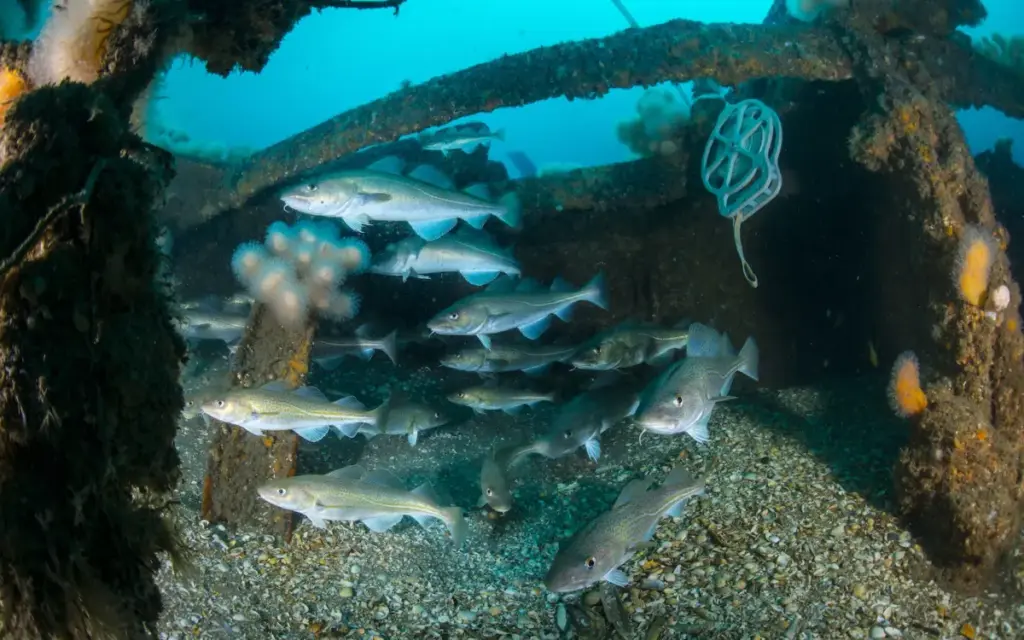
In a stark reaffirmation of the perilous state of Britain’s marine ecosystems, the International Council for the Exploration of the Sea (ICES) has issued a definitive advisory recommending zero fishing for Northern Shelf cod in 2027. This marks the second consecutive year that independent scientists have called for a total cessation of catches for what was historically one of the United Kingdom’s most abundant and commercially vital fish populations.
The advisory is not an isolated warning; it is part of a broader, deeply alarming trend. Currently, three of the UK’s four primary cod stocks are subject to zero-catch recommendations—a classification reserved exclusively by marine scientists for fish stocks facing severe, near-collapse biological states. Despite these repeated, urgent warnings from the scientific community, political leaders have routinely authorized catch limits well above recommended thresholds. In 2026 alone, 58% of UK fishing opportunities were set above scientific advice, effectively reversing years of incremental progress toward sustainable fisheries management.
The repercussions of this systemic mismanagement extend far beyond marine biology. The depletion of domestic cod stocks is acutely felt on high streets across the nation, driving up prices, squeezing profit margins for independent businesses, and forcing traditional British fish and chip shops to rely increasingly on imported fish. Conservationists, economists, and marine policy experts are now sounding the alarm, arguing that the collapse of Northern Shelf cod serves as a bellwether for the wider failure of UK governance to protect marine natural capital, ensure national food security, and build resilience against climate change.
Detailed Chronology and the Path to Collapse
The downward trajectory of Northern Shelf cod—a vast stock inhabiting waters across the North Sea, west of Scotland, the eastern English Channel, and the Skagerrak—did not happen overnight. It is the culmination of decades of systematic overfishing, compounded by short-term political expediency that routinely prioritized immediate economic yields over long-term ecological sustainability.
The Anatomy of a Stock Collapse
Northern Shelf cod is actually comprised of three distinct sub-populations: the Southern, Northwestern, and Viking cod stocks. While these groups mix and are frequently caught together by commercial fleets, their individual health indicators reveal a sweeping, systemic decline:
- The Southern Population: Of primary concern to marine biologists, the southern segment has plunged below critical biological limits. It faces a severe reproductive bottleneck, wherein mature fish are no longer producing enough recruits (young fish) to sustain the population size.
- The Northwestern Population: Having experienced parallel pressures, this group has plummeted alongside its southern counterpart, leaving a vacuum in western waters.
- The Viking Cod: Historically the most resilient of the three components, the Viking population has also suffered substantial contraction, signaling that the degradation is not localized to coastal or heavily trafficked zones, but permeates the broader ecosystem.
The Politics of Ignoring Science
For years, ICES has operated as an independent body providing rigorous, empirical advice on the maximum sustainable yields (MSY) that would allow fish stocks to rebuild while supporting a viable fishing industry. However, a persistent chasm has existed between scientific consensus and governmental quota-setting.
Last year, ICES delivered an unprecedented shock to the industry by recommending a complete closure of the Northern Shelf cod fishery following comprehensive stock assessments that revealed a catastrophic depletion. Yet, fishing continued under politically negotiated quotas that ignored the scientific red flag. By 2026, the situation worsened as government bodies authorized 58% of all UK fishing opportunities above scientific limits. This policy reversal undermined the fragile recovery pathways established over the preceding decade and paved the way for the 2027 zero-catch reiteration.
Supporting Context and Metrics: The Ripple Effects
The ecological unraveling of Northern Shelf cod is mirrored by stark statistical declines and far-reaching socio-economic consequences that touch every corner of British society.
Hard Numbers: A Decade of Decline
According to empirical assessments released by ICES, the contraction of the Northern Shelf cod stocks over the decade leading up to 2026 is staggering:
- Southern Cod: Populations have nose-dived by 52% since 2016.
- Northwestern Cod: Stocks have fallen by 53% over the same period.
- Viking Cod: Numbers have dropped by 37% since 2016.
When three out of the UK’s four distinct cod stocks receive simultaneous zero-catch advice, it points away from natural biological fluctuations and squarely toward systemic institutional failure in fisheries management.
The High Street and the Chip Shop Crisis
The abstract metrics of marine biology are rapidly translating into tangible economic pain for consumers and small business owners. Britain’s quintessential culinary tradition—fish and chips—is under severe duress.
Fish and chip shops across the nation report escalating wholesale fish prices, erratic supply chains, and a shrinking availability of locally caught cod. To stay afloat, shop owners have been forced to pass rising costs onto consumers, driving up the average price of takeaway meals. More ironically, despite being an island nation surrounded by rich, productive seas, an increasing volume of the cod served in British eateries is imported from overseas fisheries. The domestic supply chain has withered to the point where local waters can no longer sustain local appetites.
Beyond the Economy: Ocean Resilience and National Security
The implications of depleted fish stocks stretch deep into the realms of environmental security and climate resilience. The Department for Environment, Food and Rural Affairs (Defra) has increasingly recognized that nature and climate security are fundamentally matters of national security.
A healthy, biodiverse ocean is the planet’s primary buffer against climate change, sequestering carbon and providing structural stability to marine food webs. When keystone species like cod are fished to the brink of commercial extinction, the entire marine ecosystem loses its adaptive capacity. Depleted seas are less resilient to warming waters, ocean acidification, and shifting migratory patterns. As marine policy advocates emphasize, everyone loses when stocks collapse: fishers face diminishing returns, coastal communities lose their cultural and economic anchors, and the nation forfeits its sovereign food security.
Official Statements and Expert Perspectives
The gravity of the 2027 zero-catch recommendation has elicited sharp criticism from conservation organizations and marine policy experts who are demanding immediate course corrections from policymakers.
Weighing in on the repeated warnings, Jonny Hughes, Fisheries Policy Lead at the Blue Marine Foundation, did not mince words regarding the institutional failures that led to the current crisis:
"A second consecutive year of zero-catch advice should be a wake-up call. Northern Shelf cod did not collapse overnight. It is the result of years of political decisions that repeatedly allowed catches to exceed scientific recommendations."
Hughes emphasized that the path forward requires a fundamental shift in political will, contrasting the availability of world-class science with the government’s persistent refusal to act upon it:
"The choice facing governments is simple: continue with business as usual or prioritise recovering this iconic species. The future of our seas and our fishing communities depend on getting this right.
It is remarkable that we have access to some of the best fisheries science in the world, science that tells us exactly how to fish sustainably while securing the greatest long-term benefits for fishing communities, food security and the economy, yet we continue to disregard it."
Concluding his assessment, Hughes tied the fisheries crisis directly to the broader existential threats posed by environmental degradation and climate change:
"At a time when the Government rightly recognises that the climate crisis is already affecting our lives, it must also recognise that resilience to these challenges depends on a healthy and resilient ocean. Healthy fish populations are a fundamental part of that."
Future Outlook: A Critical Juncture for UK Fisheries
As the UK approaches 2027, the future of Northern Shelf cod hangs in the balance. The persistent scientific advice for a complete halt on fishing serves as an urgent diagnostic of a system in critical condition.
The upcoming quota negotiations will test the sincerity of governmental commitments to sustainable development, marine conservation, and post-Brexit fisheries sovereignty. If policymakers continue to override scientific guidance in favor of short-term political expediency, the historical consequence may well be the commercial extinction of cod in British waters—transforming a once-abundant national resource into an imported luxury.
Conversely, a decisive pivot toward science-based management—coupled with robust enforcement, spatial protections for spawning grounds, and financial support for transition-phase fishers—offers a narrow window for recovery. Restoring Northern Shelf cod is not merely about saving a single species; it is an essential test of whether the UK can transition toward a truly sustainable blue economy where marine ecosystems, coastal communities, and national food security are safeguarded for generations to come.



