

Executive Overview
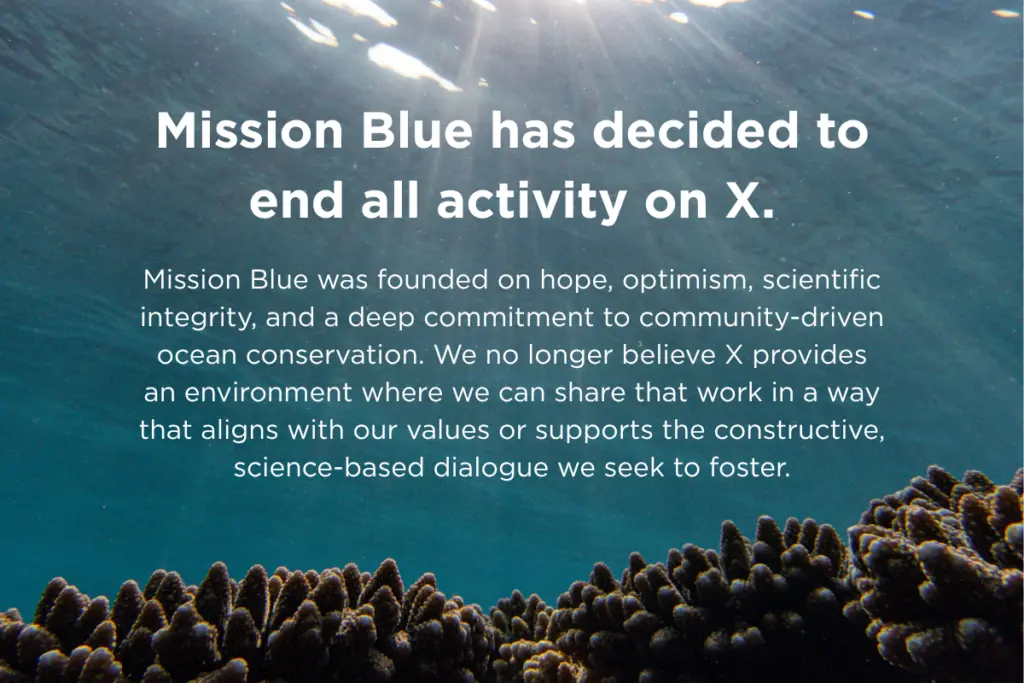
In an era where digital platforms serve as the primary lifeblood for global advocacy, grassroots mobilization, and environmental awareness, the decision of a major international non-governmental organization (NGO) to sever ties with a major social network marks a watershed moment. Mission Blue, the renowned ocean conservation foundation founded by legendary oceanographer and National Geographic Explorer-in-Residence Dr. Sylvia Earle, has officially announced the termination of its active engagement on X (formerly Twitter).
For years, the platform served as a vital digital harbor where marine scientists, policy advocates, ocean enthusiasts, and the foundation’s global network of "Hope Spot Champions" could converge to exchange research, debate conservation strategies, and celebrate marine victories. However, shifting tides within the platform’s cultural, algorithmic, and operational landscape have forced a strategic retreat.
This comprehensive report examines Mission Blue’s departure from X, analyzing the systemic shifts in digital discourse that precipitated the move. It evaluates the broader implications of environmental organizations abandoning mainstream public squares in favor of curated, values-aligned communities. Furthermore, this piece details the foundation’s ongoing transition toward platforms like Instagram, Facebook, LinkedIn, and YouTube, where it hopes to cultivate an environment rooted in optimism, rigorous science, and constructive, solutions-oriented dialogue. As digital ecosystems become increasingly fraught with polarization, misinformation, and hostility, Mission Blue’s exit serves as an illuminating case study at the intersection of environmental activism, corporate platform governance, and the future of science communication.
Detailed Chronology: From Early Adoption to Strategic Departure
To understand the weight of Mission Blue’s departure from X, one must first trace the arc of the platform’s utility for marine conservation over the past decade and a half.
Phase I: The Hopeful Inception (2009–2015)
When Mission Blue was launched as an offshoot of Dr. Sylvia Earle’s 2009 TED Prize wish—which called for a global network of marine protected areas known as "Hope Spots"—social media was entering a golden age of optimistic connectivity. Twitter, in particular, was lauded as a democratic equalizer. It allowed field researchers aboard remote research vessels in the Galápagos, Antarctica, or the Great Barrier Reef to beam real-time observations, photographs, and scientific distress signals directly to a global audience.
During this formative era, Mission Blue utilized X as a dynamic virtual headquarters. The platform facilitated rapid coordination among international partners, amplified grassroots petitions, and bridged the gap between academic marine biology and public consciousness. The overarching ethos was one of frictionless communication, where shared wonder for the ocean could transcend geographical and institutional barriers.
Phase II: The Shifting Currents (2016–2022)
As the digital decade progressed, structural transformations began to alter the microblogging ecosystem. Algorithm adjustments increasingly favored engagement-driven metrics, inadvertently incentivizing sensationalism, outrage culture, and polarized rhetoric. For environmental organizations, this shift introduced a precarious dynamic. Complex scientific topics—such as ocean acidification, coral bleaching mechanisms, overfishing quotas, and deep-sea mining moratoriums—rarely fit neatly into viral, emotionally volatile soundbites.
Compounding these algorithmic pressures was a steady rise in organized skepticism and targeted hostility directed at climate and marine scientists. Where open-access dialogue once reigned, interactions on environmental threads frequently degraded into hostile exchanges, bad-faith arguments, and the amplification of scientifically debunked talking points. Despite these growing headwinds, Mission Blue maintained a presence, striving to anchor constructive discourse amidst an increasingly turbulent digital sea.
Phase III: The Breaking Point and Strategic Realignment (2023–Present)
The final catalyst arrived with the platform’s corporate restructuring, ownership change, and subsequent dismantling of traditional trust and safety protocols under its new leadership. The relaxation of content moderation guidelines, the proliferation of unverified accounts leveraging algorithmic visibility, and a noticeable surge in hostile, anti-science rhetoric created an environment fundamentally antithetical to Mission Blue’s core values.
For an organization whose foundational philosophy is anchored in hope, optimism, and community-driven action, the digital atmosphere on X transformed from a supportive harbor into an unnavigable squall. Recognizing that continued participation risked lending institutional legitimacy to a compromised ecosystem, Mission Blue leadership made the definitive decision to shutter active operations on the platform, transitioning the account into a static, read-only digital archive.
Supporting Context & Metrics: The Crisis of Science Communication Online
Mission Blue’s retreat from X does not occur in a vacuum. It reflects a broader, systemic retreat of academic institutions, conservation bodies, and public health agencies from platforms where rigorous fact-checking and civil discourse have been superseded by engagement-maximization algorithms.
The Erosion of Digital Public Squares
Social media platforms were once hailed as modern agoras—open public squares where ideas could be debated on their empirical merits. However, empirical studies in digital sociology and communication science reveal a starkly different reality. Algorithms engineered to maximize "time-on-site" consistently reward content that triggers high-arousal negative emotions, such as anger, fear, and moral outrage.
In the realm of environmental science, this manifests as a hostile landscape for nuance. While a nuanced breakdown of marine protected area (MPA) zoning laws or the biochemical intricacies of blue carbon sinks generates modest, localized engagement, sensationalized attacks on climate science or conservation mandates frequently achieve viral velocity. This structural asymmetry places science communicators at an inherent disadvantage, forcing them to expend disproportionate institutional resources playing defense against coordinated disinformation campaigns rather than proactively sharing conservation wins and educational resources.
The Economics of Misinformation
The proliferation of climate and ecological misinformation on major social networks has been well-documented by independent researchers, academic consortia, and international watchdogs. Content that undermines established scientific consensus regarding oceanic health—whether minimizing the impacts of plastic pollution, denying anthropogenic ocean warming, or greenwashing destructive industrial practices—frequently operates with impunity under broad banners of "free expression."
For non-profit entities operating on lean budgets—where every dollar donated by supporters is meticulously allocated toward field expeditions, documentary filmmaking, and policy advocacy—spending staff hours moderating abusive comments or correcting bad-faith actors on X represents an inefficient and demoralizing use of capital. Mission Blue’s pivot reflects a pragmatic economic and operational calculation: the return on investment (ROI) in terms of genuine community building and educational outreach on X has plummeted below zero.
The Psychology of Hope vs. Hostility
Dr. Sylvia Earle has long championed the concept of "ocean hope." In numerous public addresses, books, and interviews, she has emphasized that while the threats facing the global ocean—ranging from industrial overfishing to acidification and warming—are catastrophic, despair is a luxury conservationists cannot afford. Mobilizing humanity to save the blue heart of the planet requires inspiration, actionable pathways, and a shared sense of wonder.
Hostile digital environments actively erode this psychological foundation. When supporters and field scientists are met with harassment, cynicism, and pervasive toxicity, the motivational spark required for grassroots environmentalism is smothered. By cutting ties with an ecosystem built on division, Mission Blue is fiercely safeguarding the mental and emotional well-being of its global community, ensuring that its digital touchpoints remain incubators of optimism and pragmatic agency.
Official Statements and Institutional Rationale
In its formal transition announcement, Mission Blue articulated a clear, principled rationale for its departure from X, emphasizing that the move was necessitated by an irreconcilable divergence in organizational and platform values.
"Mission Blue was founded with a spirit of hope, optimism, and dedication to community-driven ocean conservation," the organization stated. "When we first started our Twitter account, it offered a great way to connect with our Champions, scientists in the field, and an audience of people who love the ocean. Thank you for connecting with us there and supporting our mission to spread awareness and ocean hope."
However, the foundation did not mince words regarding the deterioration of the platform’s operational climate:
"Over time, however, the environment on X has changed significantly. We have become increasingly concerned about the prevalence of misinformation, hostility, and divisive content on the platform, including content that undermines science and constructive dialogue around environmental issues. We do not believe this environment is aligned with the kind of informed, respectful, and solutions-oriented community Mission Blue seeks to foster."
Reiterating its commitment to a unified global ocean and a welcoming digital culture, the foundation reinforced its ethical stance:
"We are all connected to the same ocean. Through our digital strategy, we seek to build a curious, welcoming online community. We cannot, in good faith, continue to use the X platform. The Mission Blue page will remain archived on X, but we do not plan to publish any new material on the account."
This measured yet resolute stance underscores a growing trend among mission-driven organizations: the refusal to normalize toxic digital infrastructures under the guise of maintaining ubiquitous reach. By leaving the account intact as an immutable historical record while redirecting all active energy elsewhere, Mission Blue is executing a masterclass in boundary-setting within modern digital diplomacy.
Future Outlook: Building the New Digital Blue Economy of Ideas
As Mission Blue closes the book on its chapter with X, the organization is concurrently investing heavily in alternate digital ecosystems better suited to fostering deep engagement, visual storytelling, and collaborative conservation.
Diversifying the Digital Archipelago
Rather than placing all its digital eggs in a single corporate basket, Mission Blue is strengthening its presence across a diversified portfolio of platforms, each serving a distinct strategic function:
- Instagram: Serving as the visual anchor of the foundation’s digital outreach, Instagram allows Mission Blue to showcase the breathtaking biodiversity of global Hope Spots through high-resolution photography, immersive Reels, and direct storytelling from marine expeditions. The platform’s community-centric culture aligns naturally with visual storytelling about fragile marine ecosystems.
- Facebook: Acting as a robust hub for community mobilization, Facebook enables the organization to connect deeply with multigenerational audiences, coordinate grassroots petition drives, and foster active dialogue within dedicated conservation groups.
- LinkedIn: Recognizing that ocean conservation is inextricably linked to corporate accountability, sustainable finance, and global policy, LinkedIn provides an authoritative, professional forum to engage business leaders, maritime industries, policymakers, and academic institutions in high-level discussions regarding sustainable blue economies.
- YouTube: As the premier repository for long-form educational video content, documentaries, and expedition recaps, YouTube empowers Mission Blue to share comprehensive, immersive narratives that unpack complex marine science in accessible, cinematic formats.
- Direct-to-Inboxes (The Mission Blue Newsletter): Perhaps most importantly, the foundation is doubling down on owned media through its official newsletter. By cultivating direct lines of communication that bypass algorithmic gatekeepers and corporate policy shifts entirely, Mission Blue ensures an unbroken, intimate channel with its most dedicated supporters.
The Road Ahead for Ocean Advocacy
Mission Blue’s departure from X serves as a bellwether for the broader environmental movement. As digital public squares become increasingly privatized, polarized, and hostile to empirical science, NGOs are realizing that omnipresence is no longer a viable substitute for principled positioning.
The future of digital conservation will not be defined by how many hostile rooms an organization can shout into, but by how effectively it can cultivate sanctuaries of shared purpose, rigorous inquiry, and radical hope. By stepping away from the digital noise of X and leaning into vibrant, visually rich, and community-oriented platforms, Mission Blue is charting a steady course toward a healthier, more resilient future—both for the global ocean and for the digital communities dedicated to saving it.
Supporters, marine scientists, and ocean advocates are invited to join this next chapter by following Mission Blue across its active channels on Instagram, Facebook, LinkedIn, and YouTube, and by subscribing directly to the foundation’s newsletter to stay informed on Hope Spot updates, conservation victories, and tangible ways to take action for the blue heart of our planet.



