Executive Overview
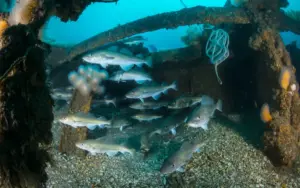
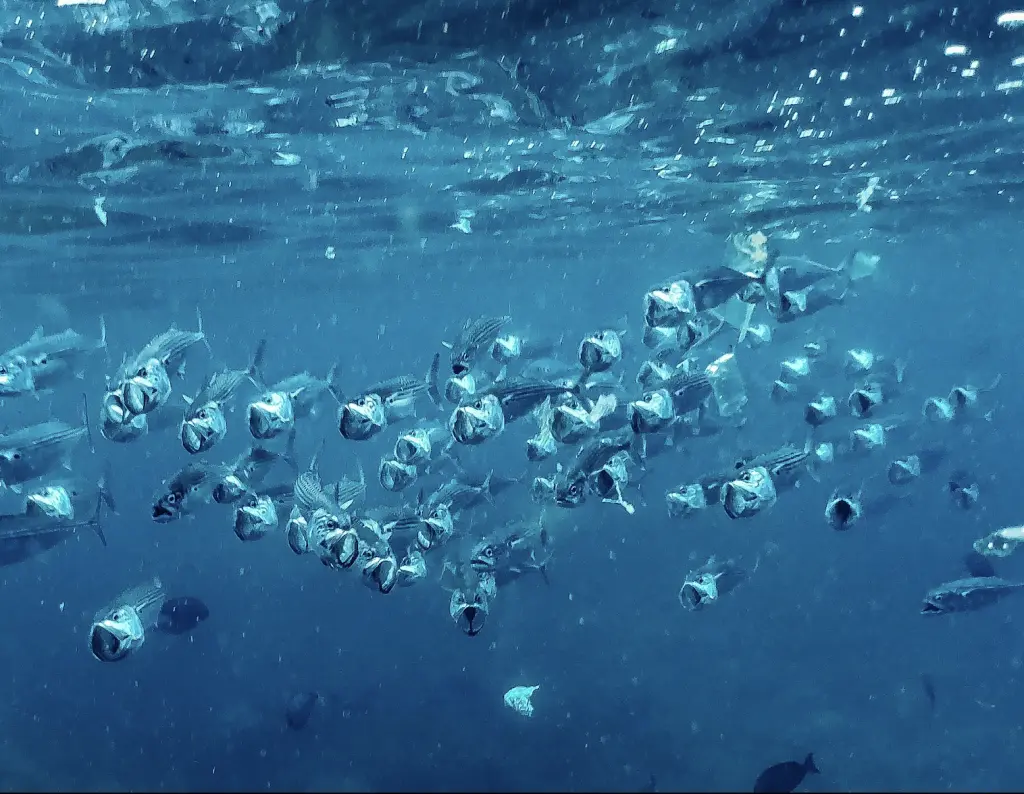
The marine ecosystems surrounding the British Isles are facing an unprecedented crisis, with leading conservationists warning that domestic fish stocks are on the precipice of total collapse. According to shocking new findings released by the Blue Marine Foundation, commercial fishing trawlers operating in UK waters are routinely discarding vast quantities of unwanted marine life back into the ocean. In the most severely impacted regions, vessels are throwing away up to six times more fish than they officially bring ashore.
This devastating practice—commonly known as "high-grading" or illegal discarding—persists despite being legally outlawed. The European Union originally banned the practice a decade ago in 2013 under the landmark landing obligation, a regulatory framework that the United Kingdom helped shape and subsequently integrated into its own post-Brexit legal corpus. Yet, enforcement mechanisms have proven fundamentally toothless.
Environmental analysts, marine biologists, and fishing watchdogs argue that successive governments have systematically turned a blind eye to widespread non-compliance. The consequences of this political apathy are now materializing with terrifying speed. As commercially vital species are decimated before they reach maturity, marine food webs are destabilizing, coastal fishing communities face economic ruin, and the long-term sustainability of Britain’s fishing industry hangs in the balance.
Detailed Chronology: A Decade of Broken Promises and Unchecked Exploitation
To understand how Britain’s fisheries arrived at this perilous juncture, it is necessary to examine the regulatory trajectory and the systemic failures that have characterized marine management over the past ten years.
2013–2015: The Introduction of the Landing Obligation
When the European Union introduced the landing obligation in 2013—with a phased implementation schedule beginning in 2015—it was heralded as a paradigm shift for European fisheries management. For generations, the "discard ban" aimed to address one of the most egregious absurdities of industrial fishing: the practice of catching fish that fishermen had no quota for, or that were deemed too small or economically unviable, and throwing them overboard dead or dying. Under the new rules, all catches of regulated species had to be brought ashore and counted against quotas.
2016–2020: The Post-Brexit Regulatory Vacuum
Following the 2016 referendum, the future of British fisheries became a central pillar of the Brexit debate. Proponents of leaving the EU argued passionately that reclaiming control over British waters would allow for a bespoke, highly stringent management system tailored specifically to the ecological needs of the UK coastline. However, as the Brexit transition period drew to a close, environmental watchdogs warned that regulatory oversight was slipping. The UK government adopted EU laws into domestic legislation (the "Retained EU Law"), but failed to allocate adequate resources, monitoring technology, or enforcement personnel to ensure compliance.
2021–2024: Escalating Reports of Non-Compliance
As the post-Brexit Fisheries Act came into full effect, independent monitoring organizations, investigative journalists, and whistleblower accounts began to paint a grim picture. Rather than phasing out discarding, many commercial operators adapted to circumvent the rules. Because fines and prosecutions for illegal discarding remained vanishingly rare, the economic incentive to maximize high-value quotas at the expense of discarding less lucrative or non-quota species completely overwhelmed conservation mandates.
2025–Present: The Brink of Ecological Collapse
By mid-2026, the cumulative impact of a decade’s worth of unchecked discarding reached a critical tipping point. Data compiled by the Blue Marine Foundation revealed that in specific regional waters, the ratio of discarded fish to landed catch had reached an astronomical 6-to-1 ratio. Fisheries scientists now warn that unless emergency interventions are implemented immediately, key commercial fish populations will cross an irreversible ecological threshold, triggering commercial extinction across multiple fisheries.
Supporting Context & Metrics: The Anatomy of High-Grading
The mechanics of commercial trawling are inherently destructive, but modern industrial methods have accelerated the depletion of marine life to unsustainable levels. To comprehend the scale of the current crisis, one must analyze the metrics and operational practices driving the phenomenon.
Understanding the Discard Ratio
In modern industrial fishing, vessels often deploy massive bottom-trawls or pelagic nets that scoop up everything in their path. When a net brings up a mixed catch, fishermen face strict legal limits—or quotas—on what they are allowed to bring to port. If a vessel catches a species for which it has no remaining quota, or if it catches smaller, less marketable fish of a regulated species, it faces a dilemma.
Historically, and illegally today, crews practice "high-grading." This involves sorting the catch on deck, keeping only the largest, highest-value specimens (such as prime cod, haddock, or sole) to maximize profit per pound of quota, and shoveling the remainder back into the sea. Because the fish brought up from deep water experience severe barotrauma—rapid pressure changes that rupture organs and inflate swim bladders—the vast majority of discarded fish are already dead or mortally wounded by the time they hit the water.
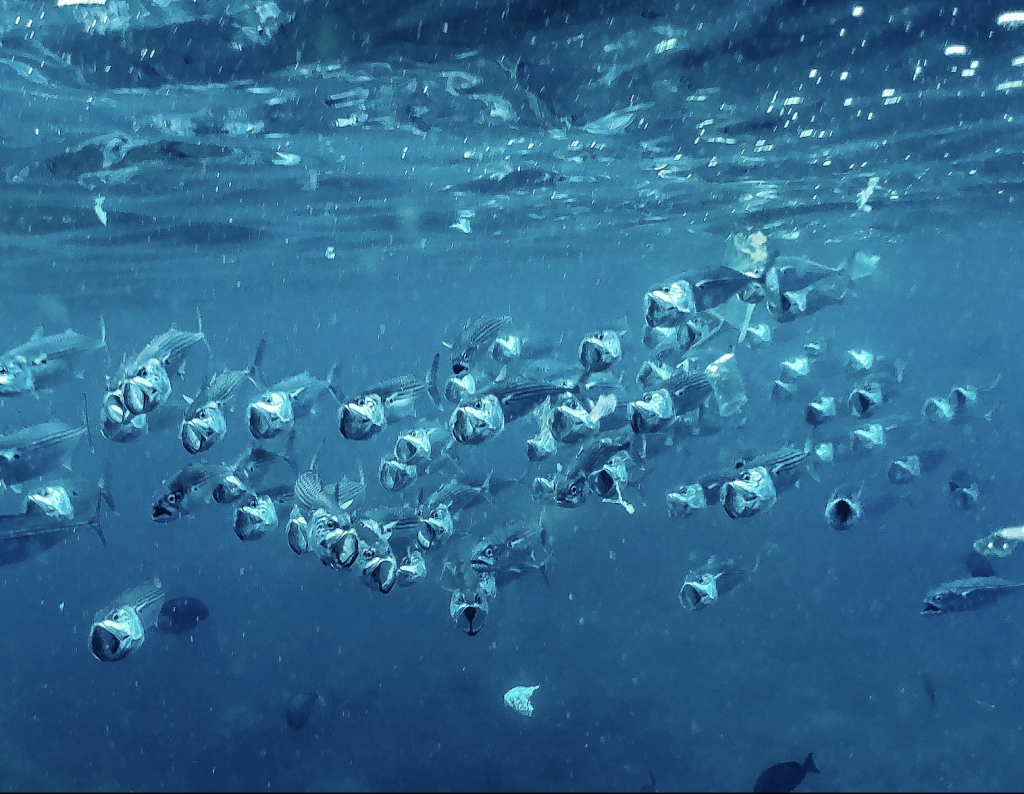
The Numbers Behind the Crisis
- The 6:1 Ratio: In certain targeted UK fishing grounds, data indicates that for every single pound of fish brought ashore and recorded in official statistics, up to six pounds of marine life are discarded.
- Bycatch Mortality: Millions of juvenile fish—individuals that have not yet reached breeding age—are destroyed daily. This short-circuits the natural recruitment cycle, ensuring that future adult populations are hollowed out before they can spawn.
- Collateral Damage: Beyond commercial target species, illegal discarding routinely slaughters non-target species, including endangered sharks, rays, marine mammals, and seabirds, degrading entire marine habitats simultaneously.
Official Statements and Industry Reactions
The release of the Blue Marine Foundation’s findings has ignited a fierce political and public debate, putting intense pressure on government regulators and industry leaders alike.
The Conservationist Perspective
Jonny Hughes, a prominent spokesperson for the Blue Marine Foundation, did not mince words when addressing the government’s systemic policy failures:
"The government has been ignoring the law it wrote a decade ago, and the results are catching up with it fast. This was inevitable. When you establish strict environmental regulations but systematically strip away the funding, monitoring, and political will required to enforce them, you are effectively granting industrial fleets a license to plunder our seas with absolute impunity."
Hughes and fellow conservationists argue that voluntary compliance has failed entirely and that radical structural reform is the only viable path forward.
The Regulatory Blind Spot
Critics point out that successive Department for Environment, Food and Rural Affairs (Defra) administrations have prioritized short-term economic appeasement of the commercial fishing lobby over long-term ecological stewardship. While ministers have frequently boasted about "taking back control" of British waters post-Brexit, enforcement agencies such as the Marine Management Organisation (MMO) remain chronically underfunded. Independent observers note that CCTV coverage on fishing vessels—widely recognized as the gold standard for compliance monitoring—remains voluntary or absent on the vast majority of the UK’s high-risk commercial fleet.
The Commercial Fishing Industry Response
Representatives of the commercial fishing sector have offered a more defensive posture, arguing that the complex web of rigid quotas forces fishermen into impossible operational corners. Industry groups maintain that rigid catch limits do not reflect the dynamic, mixed-species nature of the ocean. According to some commercial representatives, fishermen are often penalized simply for operating in waters rich in biodiversity, where avoiding unwanted species is practically impossible without halting operations altogether. However, environmentalists counter that these structural challenges do not excuse rampant, unreported illegal dumping on an industrial scale.
Future Outlook: Can Britain’s Marine Ecosystems Be Saved?
The trajectory of Britain’s fisheries over the coming years depends entirely on whether policymakers are willing to confront uncomfortable truths and take decisive, politically courageous action.
Immediate Policy Recommendations
Marine scientists and policy experts have outlined a comprehensive roadmap to halt the collapse of UK fish stocks:
- Mandatory Remote Electronic Monitoring (REM): The government must immediately mandate the installation of CCTV cameras and electronic sensors across all commercial fishing vessels operating in UK waters to track sorting and discarding practices in real time.
- Decisive Enforcement and Heavy Sanctions: Regulatory bodies must transition from a culture of advisory warnings to one of strict enforcement, utilizing substantial financial penalties, vessel impoundments, and revocation of licenses for operators caught illegally high-grading.
- Ecosystem-Based Quota Management: Quota systems must be overhauled to account for mixed-species fisheries, incentivizing selective fishing gear and protecting critical spawning grounds through seasonal or permanent marine protected areas (MPAs).
- Rebuilding Defra’s Oversight Capacity: Financial resources and human capital allocated to fisheries monitoring must be dramatically expanded to match the industrial scale of modern commercial fleets.
The Cost of Inaction
If the UK government continues down its current path of passive neglect, the consequences will extend far beyond environmental degradation. The total collapse of commercial fish stocks will spell the end for historic coastal fishing communities that have relied on the sea for generations. It will destabilize marine ecosystems that play a vital role in carbon sequestration and planetary health, permanently altering the natural heritage of the British coastline.
The warning signs are flashing red. The laws are already on the books; what remains to be seen is whether the political establishment possesses the resolve to enforce them before Britain’s seas are emptied for good.