For generations, the global conversation surrounding shark and ray conservation has focused heavily on the open ocean and coastal reefs. Yet, beneath the surface of the world’s major river systems, estuaries, and inland wetlands, a dramatic and largely invisible wildlife crisis is unfolding. Known collectively as elasmobranchs, sharks and rays that inhabit non-marine environments represent some of the most ecologically unique yet severely neglected vertebrates on Earth.
Recent scientific assessments reveal a chilling statistic: 76% of non-marine elasmobranchs in the Indo-Pacific region are currently threatened with extinction, a figure roughly double the global average for marine species. Besieged by a compounding barrage of anthropogenic pressures—including dam construction, industrial pollution, overfishing, mining, and climate-induced hydrological disruptions—many of these freshwater and estuarine species are disappearing before science has even documented their basic life histories, distribution maps, or ecological roles. Often dismissed as "forgotten fauna," these aquatic apex predators and specialized bottom-dwellers face a race against time as researchers and conservationists struggle to bridge critical knowledge gaps before entire ecosystems are permanently altered.
Detailed Chronology: Surprises in the Mud and Shifting Paradigms
The Vashishti River Encounter (2023)
The hidden nature of these species was thrown into sharp relief in 2023 along the western coast of India. The Vashishti River, originating in the biodiversity-rich heights of the Western Ghats before emptying into the Arabian Sea, has historically supported traditional fishing communities. However, local fishers experienced a profound surprise when hauling in a standard gill net.
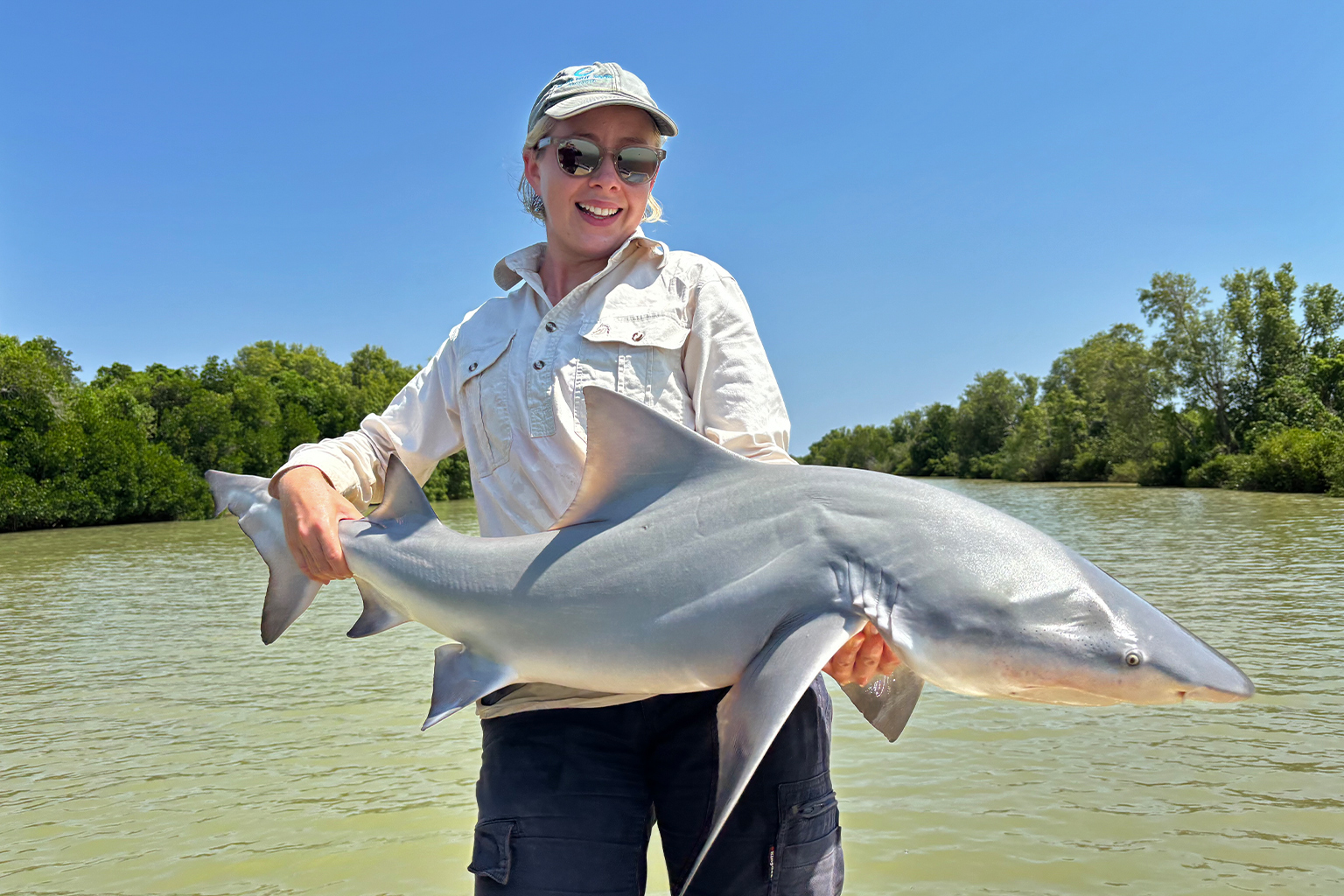
As the mesh was brought aboard, a gray body—still moving faintly—tangled itself in the twine. Moments later, a second and third surfaced. In total, three bull sharks (Carcharhinus leucas) were recovered from the freshwater-influenced stretch. The subsequent video footage quickly circulated across social media platforms, capturing the attention of marine scientists worldwide.
According to Priyankar Chakraborty, an independent marine and wildlife researcher in India, this marked the first formally documented report of sharks inhabiting the Vashishti River, although historical accounts of sharks and rays have occasionally surfaced in other major Indian river systems. The incident underscored a broader reality: local fishers often possess profound ecological knowledge that far outpaces formal scientific monitoring.
Emerging Movement Insights in South America (2026)
While accidental bycatch events highlight presence-absence dynamics, dedicated tagging programs are beginning to shatter long-held assumptions regarding the behavior of freshwater elasmobranchs. In a landmark study published in Aquatic Conservation: Marine and Freshwater Ecosystems, researchers tracking giant freshwater stingrays (Potamotrygon brachyura) within the Paraná–Paraguay river system in Argentina documented an individual traveling more than 170 kilometers (106 miles).
Utilizing a collaborative monitoring program supported by recreational fishers, scientists tracked a juvenile female that traveled an average of more than half a kilometer per day over a ten-month period. This unprecedented mobility challenges the historical consensus that freshwater stingrays are largely sedentary, sedentary creatures confined to localized micro-habitats. Instead, it suggests that river elasmobranchs rely heavily on vast, interconnected aquatic corridors—making them exceptionally vulnerable to upstream fragmentation.
To understand the scope of the crisis, it is necessary to examine how these animals navigate the boundary between saltwater and freshwater environments. Scientists classify these species into distinct biological categories:
Euryhaline Elasmobranchs: These species possess physiological adaptations that allow them to tolerate wide fluctuations in salinity. They regularly move between marine, brackish, and freshwater habitats—including rivers, floodplains, and estuaries—at different stages of their life cycles. While smaller individuals may utilize freshwater refugia, larger adults often depend on coastal seas for spatial and metabolic resources.
Obligatory Freshwater Elasmobranchs: Spending their entire life cycles exclusively in rivers, streams, and lakes without ever entering the sea, this group is completely devoid of sharks; it is entirely populated by freshwater stingrays. The majority belong to South America’s endemic family Potamotrygonidae, while others belong to the family Dasyatidae found in select parts of the Indo-Pacific and West Africa.
The Scale of the Crisis
Globally, roughly 60 species of sharks and rays spend at least a portion of their lives in non-marine environments. Despite their ecological significance, they have received a fraction of the research funding and academic attention directed toward oceanic pelagic sharks.
According to evaluations by the IUCN Species Survival Commission (SSC) Shark Specialist Group, the extinction risk facing these freshwater and estuarine populations is alarming:
76% of non-marine elasmobranchs in the Indo-Pacific are classified as threatened with extinction.
This metric is nearly double the global average of 37.5% across all marine elasmobranch species.
Many species are restricted to single, isolated river basins, characterized by slow growth rates, late sexual maturity, and low fecundity—traits that severely limit their ability to recover from overexploitation.
Official Statements & Expert Insights
The plight of inland elasmobranchs has drawn urgent warnings from top conservation scientists spanning multiple continents.
"Research has lagged far behind marine species. We still lack even the fundamental ecological information needed for conservation. Many of these species inhabit remote rivers and floodplains that are difficult and costly to study. As a result, some of the world’s most threatened sharks and rays remain among the least understood."
— Julia Constance, Research Scientist at Charles Darwin University, Australia
Speaking at the Sharks International 2026 (SI2026) conference in Sri Lanka, Brazilian biologist Patricia Charvet, Vice Chair for South America within the IUCN SSC Shark Specialist Group, highlighted the unique vulnerabilities facing South American river basins:
"These freshwater ecosystems may look vast, but they are extremely fragile. And many species are restricted to single basins and have slow growth, late maturity, and low reproductive rates, making them highly vulnerable. A single dam, mining site, or heavily fished stretch of river can affect an entire population."
— Patricia Charvet, Federal University of Ceará
Michael Grant, a marine biologist at James Cook University in Australia and member of the IUCN SSC Shark Specialist Group, emphasized the compounding multi-threat matrix facing these vertebrates:
"These species face growing threats from dams, pollution, overfishing, mining, habitat loss, and climate-driven changes to river flows. Some populations are disappearing before scientists have even documented fundamental details of their distribution and ecology."
— Michael Grant, James Cook University
Luis Lucifora of Argentina’s Instituto Nacional de Limnología noted the profound management implications tied to recent movement studies:
"This suggests freshwater stingrays may be far more mobile than assumed. If species rely on connectivity across long stretches of river, dams and habitat fragmentation could affect populations at much larger scales than previously thought."
— Luis Lucifora, Instituto Nacional de Limnología
The Multifaceted Threat Matrix
The decline of freshwater sharks and rays is not driven by a single factor, but rather by an accumulation of systemic environmental pressures across tropical and subtropical watersheds:
Hydrological Fragmentation & Dams: Massive hydropower infrastructure projects alter natural flow regimes, trap vital sediments, and erect physical barriers that isolate downstream and upstream populations, cutting off access to critical breeding and feeding grounds.
Pollution & Heavy Metals: Agricultural runoff, industrial effluents, and gold-mining operations introduce high concentrations of toxins and mercury into river channels. Because apex predators and benthic rays bioaccumulate heavy metals, these toxins directly impair reproduction and survival.
Deforestation and Land-Use Change: Widespread forest clearing and terrestrial fires accelerate soil erosion and sedimentation, choking benthic habitats and altering the chemical composition of stream networks.
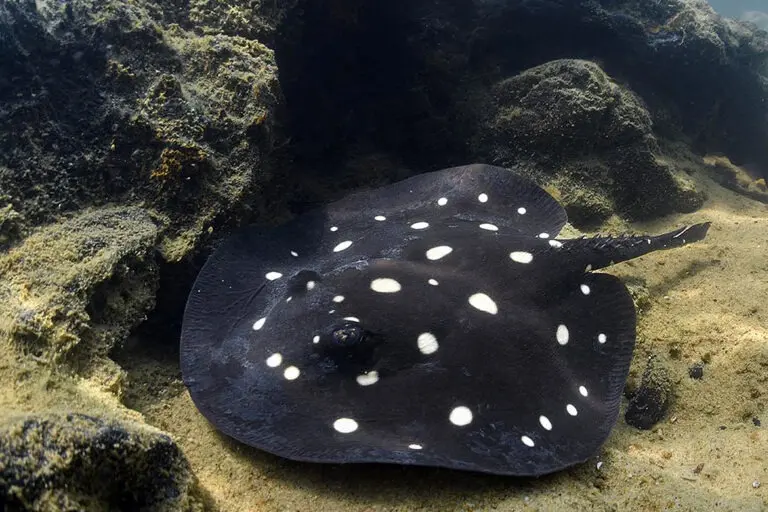
The International Aquarium Trade: In regions like South America’s Amazon and Xingu basins, striking species such as the white-blotched river stingray (Potamotrygon leopoldi)—frequently referred to as "river jewels"—are heavily targeted for the lucrative exotic pet trade. Despite captive-breeding initiatives, persistent market demand for wild-caught juveniles and adults places localized populations under severe pressure.
Climate Change & Hydrological Variability: Altered rainfall patterns, prolonged droughts, and shifting temperature regimes disrupt seasonal flood pulses. Because many river elasmobranchs synchronize their reproductive cycles with predictable annual floods, any mismatch in timing can cause catastrophic recruitment failure.
Future Outlook: A Call for Integrated Watershed Management
As scientific documentation catches up with the ecological realities of non-marine elasmobranchs, conservationists agree that traditional marine-focused management frameworks are entirely inadequate for protecting riverine species.
Saving the world’s freshwater sharks and rays requires a paradigm shift toward integrated freshwater conservation. Key priorities moving forward include:
Expanding Local Knowledge Partnerships: Engaging artisanal fishers, indigenous communities, and local stakeholders—utilizing visual identification guides and interview-based surveys—to map undocumented populations and historic ranges.
Targeted Acoustic and Satellite Telemetry: Scaling up tracking initiatives across major river basins in South America, Asia, and Australia to identify critical migration corridors, nursery grounds, and seasonal aggregation sites.
Transboundary River Protection: Incorporating elasmobranch habitat requirements into freshwater management policies, environmental impact assessments for new dams, and pollution mitigation strategies.
Regulating the Ornamental Trade: Enforcing stricter oversight, traceability, and export controls on wild-caught freshwater stingrays to curb illegal harvesting.
As researcher Julia Constance aptly summarizes, these organisms occupy unique evolutionary niches that cannot be replaced: "We need to ensure we do not lose them, because no other species can do what they do." Without immediate, targeted conservation investments, these forgotten architects of the world’s great rivers risk vanishing into history before their true ecological value is fully understood.