American agriculture stands at a critical historical crossroads. For generations, the nation’s farming infrastructure relied on a predictable, hereditary model: land and operational knowledge passed seamlessly from parents to children. Today, however, that traditional pipeline has slowed to a trickle. With the average age of the American farmer now hovering at 58 years old—and an increasing number of farm-family descendants seeking out less physically grueling, white-collar professions—the domestic agricultural sector faces a looming generational vacuum. Who will feed the future, and how will they farm?
Enter a new wave of agro-pioneers: career-switchers, idealists, artists, and former tech professionals trading boardrooms for bio-diverse fields. Dispensing with generational inheritance, these modern agrarians are entering the field out of a deep-seated commitment to environmental stewardship, ethical food production, and ecological restoration.
At the vanguard of this movement is the Rodale Institute Farmer Training (RIFT) program. Designed to cultivate the next generation of regenerative organic farmers, RIFT provides an intensive, immersive educational pathway for individuals possessing little to no prior agricultural background. By combining rigorous scientific instruction with hands-on sweat equity, the nine-month program equips participants to launch viable, certified-organic farm businesses. As the agricultural landscape evolves to meet the unprecedented threats of climate change, soil degradation, and industrial food consolidation, programs like RIFT offer a blueprint for a resilient, sustainable future.
Detailed Chronology: The Nine-Month RIFT Journey
The Rodale Institute Farmer Training course is structured around the complete rhythms of the natural world. Spanning 35 consecutive weeks, the program immerses participants in the cyclical nature of farming, taking students from the dead of winter planning sessions through the intense labor of spring planting, the heavy maintenance of summer, and finally to the harvest and market stalls of autumn.
Phase 1: Groundwork and Planning (Months 1–3)
The journey begins long before the first seed breaks ground. Trainees dive into agricultural philosophy, reading foundational texts on ecological ethics, food system critiques, and natural systems design. Concurrently, students learn the technicalities of soil science, crop planning, greenhouse management, and business administration. Unlike traditional farming education, which often focuses solely on production, RIFT emphasizes economic viability from day one. Students learn how to draft comprehensive business frameworks, map out crop rotations, and prepare for organic certification audits.
Phase 2: Implementation and Field Management (Months 4–7)
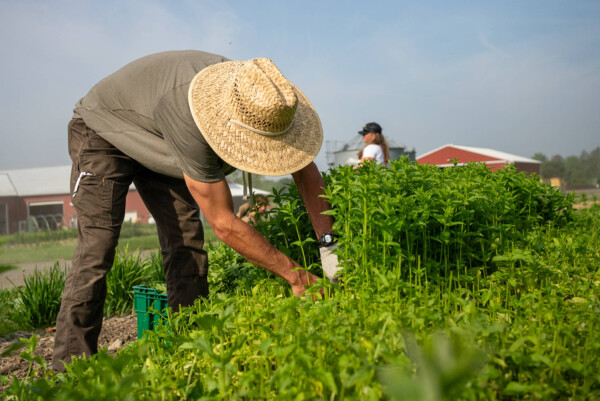
As winter yields to spring, theoretical knowledge transforms into calloused hands and dirt beneath fingernails. Trainees take over the day-to-day operations of managing crop fields, hoop houses, and livestock integration under the mentorship of expert researchers and experienced farmers. Students experience the full spectrum of a farmer’s workload—balancing labor management, weed suppression, pest control, and irrigation troubleshooting. To bridge classroom theory with direct consumer engagement, trainees harvest and manage a weekly farm stand, supplying fresh produce directly to Rodale Institute staff and community members.
Phase 3: Capstone and Commercial Launch (Months 8–9)
The culmination of the RIFT program is the creation of a definitive capstone project: a fully realized, personalized farm plan. This document acts as a launchpad, enabling graduates to secure agricultural land, apply for municipal or federal grants, pitch to investors, and complete organic certification protocols. Upon graduation, participants walk away not just with practical farming skills, but with a ready-to-execute business blueprint.
Portraits of Change: The 2025 RIFT Cohort
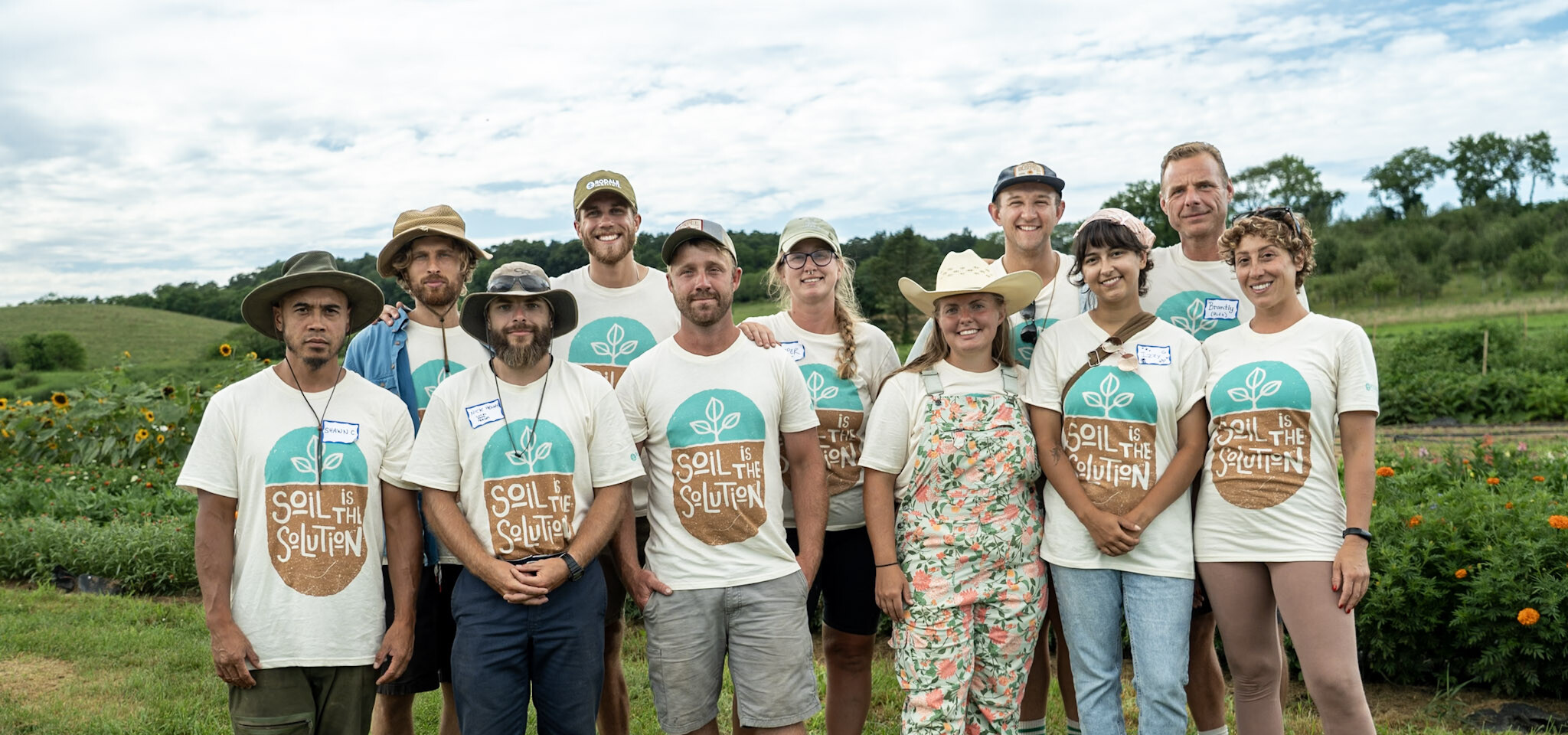
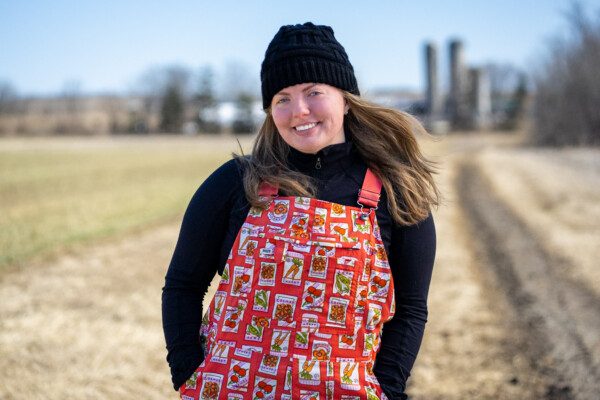
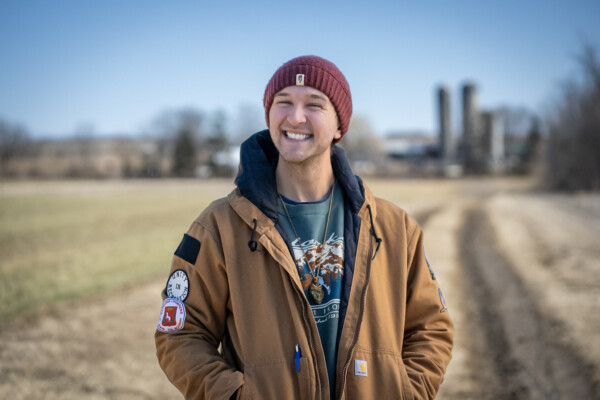
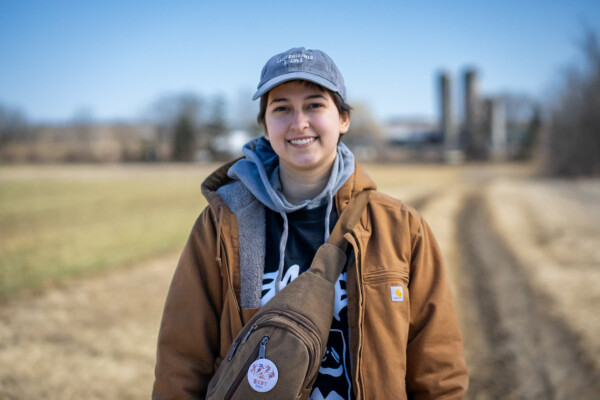
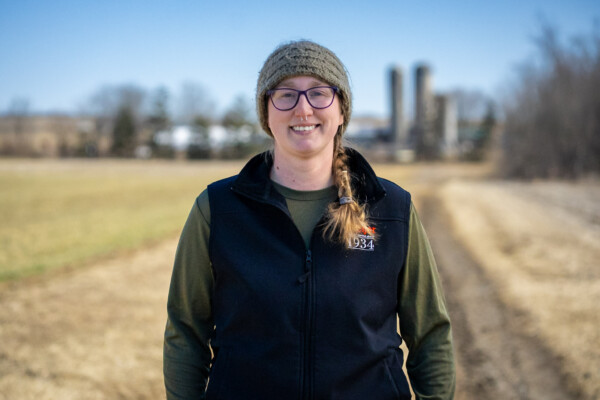
The nine participants making up the 2025 RIFT cohort span ages from their early twenties to early fifties, hailing from diverse geographical regions and professional backgrounds. United by a shared urgency to repair damaged ecosystems and feed their local communities, these trainees represent the multifaceted face of modern regenerative agriculture.
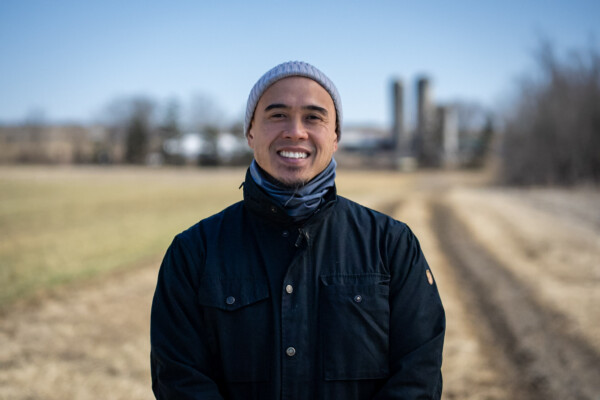
Shawn Cabalsi: The Tech-Sector Ethicist Turned Organic Educator
A Pennsylvania native, 43-year-old Shawn Cabalsi spent years building a successful career in the technology sector. Yet, despite professional accomplishments, he felt a persistent sense of professional displacement and moral disconnection. Reading works by agricultural philosophers Wendell Berry, E. F. Schumacher, and Masanobu Fukuoka opened his eyes to the ecological and societal costs of industrial food systems.
"I got really interested in how to live more naturally, more ethically, more morally," Cabalsi reflects. "That brought me to farming… Farming is a big step for me toward being more in harmony with nature."
Cabalsi has already co-founded a 501(c)(3) nonprofit, 11-acre organic farm in Macungie, Pennsylvania, dedicated to providing fresh, chemical-free produce to local food-insecure populations. Through RIFT, he is mastering organic certification and regenerative methods. Furthermore, by leveraging a partnership between Rodale Institute and Northampton Community College, Cabalsi is applying his RIFT credits toward a Master of Arts in Regenerative Design through Prescott College, intending to turn his farm into an educational hub for the surrounding community.
Delaney Gemmel: The Family Florist Bridging Heritage and Market
Representing a multi-generational family florist business in Allentown, Pennsylvania, Delaney Gemmel initially pursued a business degree at Lehigh University to prepare for small-enterprise management. However, international travels through Ecuador, Spain, and Malawi exposed her to diverse international food production and culinary systems.
"I was looking for what would be my passion in life," Gemmel notes, "and then I discovered that I love fresh food, farming, and working outside."
Her vision is uniquely integrated: she aims to establish a small-scale, regenerative flower farm. The operation will supply her family’s historic flower shop while also feeding a direct-to-consumer market. Additionally, Gemmel plans to utilize her formal business training to consult and support fellow small-scale farmers with marketing strategies, reinforcing the local agricultural economy.
Payton Wilks: The Planet Protector Fighting Climate Change from the Soil Up
Raised in Tipp City, Ohio—a Dayton suburb blanketed by conventional cornfields—Payton Wilks pursued studies in acting, anthropology, and French at Ohio University, later spending time teaching English in France and earning a project management certification. When evaluating where he could make the most profound societal impact, Wilks turned away from standard corporate projects and renewable energy sectors, finding his true calling in the earth.
"I started learning about regenerative organic agriculture and how we can use soil to sequester carbon and grow food for ourselves while also taking care of the planet," Wilks says. "That really excited me."
Wilks plans to spend the coming years managing diversified vegetable operations to master hands-on logistics before establishing his own farm, potentially bringing his regenerative ethos back to the American Midwest, Pennsylvania, or even abroad in Europe.
Isidra Garcia: The Documentarian Turned Soil Restorer
While studying video production at Kutztown University near Rodale’s main campus, Isidra Garcia completed an internship with the Rodale Institute communications department in 2024. While researching a documentary on the environmental impacts of the fast-fashion industry, she discovered hemp textiles—a subject of active study at Rodale.
"During my internship, I fell in love with agriculture because I want to be closer to nature," Garcia explains. Eager to actively heal degraded landscapes, she plans to acquire land to practice restorative soil management. Inspired by her love for fresh ingredients, she aims to launch a line of artisanal pico de gallo products grown directly on her own farm, utilizing her multimedia background to produce educational video content that demystifies organic farming for the broader public.
Samantha Cooper: The Natural Healer Cultivating Mental and Ecological Recovery
Formerly a senior manager for the retail giant Meijer in Central Indiana, Samantha Cooper and her partner, Garrett Tidler (a 2024 RIFT graduate and current 22-month fellow), witnessed firsthand the fragility of industrial supply chains during the COVID-19 pandemic.
After relocating to Pennsylvania and working at the St. Luke’s–Rodale Institute Organic Farm in Easton, Cooper found profound personal healing in agricultural labor. Celebrating over three and a half years of sobriety from alcohol, she views working the land as an active remedy for past personal and bodily damage.
"It feels good to be outside in the sun and getting the fruits of my labor," Cooper says. Her capstone farm plan focuses on cultivating medicinal herbs like borage, edible marigolds, and calendula to craft teas and tinctures. She intends to return to Central Indiana—a region dominated by heavily sprayed, industrial field corn and soybeans—to champion an organic movement focused on holistic health and disease prevention.
Kade Eckert: The Community Connector Transforming Waste Into Life
A Washington state native and former professional chef, Kade Eckert’s entrepreneurial drive led him from restaurant kitchens to indoor microgreens production, urban agriculture education, and composting operations in Sweden.
"I’m a problem solver by nature, and it’s my mission to work on the problems of the food system," Eckert states. "I didn’t feel like I was solving anything in a restaurant kitchen."
Eckert’s long-term vision involves acquiring a piece of degraded land in Washington state and systematically restoring it through organic composting—utilizing waste diverted from local schools and hospitals. Alongside his composting enterprise, he plans to establish a native plant nursery, host farm-to-table educational dinners, and demonstrate that ecological restoration can—and must—be economically self-sustaining.
Supporting Context & Metrics: Breaking the Mold of Agricultural Education
The challenges facing new agrarians are systemic. Acquiring land, securing capital, and mastering biological pest management without chemical inputs represent massive hurdles for first-generation farmers. RIFT directly addresses these barriers by offering structural support rarely found in conventional vocational programs.
Financial and Housing Support: Trainees receive a weekly stipend of $600 alongside free housing for the duration of the 35-week program. According to Justin Barclay, Rodale Institute’s global education operations manager, this level of comprehensive support is exceptionally rare across national agricultural training initiatives.
Institutional Scale and Legacy: Since its inception in 2011, the Rodale Institute farmer-training program has successfully graduated over 100 individuals, backed by the generous support of donors and institute patrons.
Academic Integration: RIFT participants can now earn accredited college credits through Northampton Community College, which can be applied toward broader academic degrees, lowering the barrier for lifelong professional development in ecological fields.
Lifelong Networks: Graduates retain continuous access to Rodale Institute’s online educational resources and join a robust professional alumni network, ensuring they have technical and peer support as they launch independent operations.
Official Statements and Industry Insights
The philosophy underpinning the RIFT program centers on selecting candidates who demonstrate resilience, collaborative spirit, and a willingness to be mentored.
"Successful participants have the goal of starting an agricultural business, can work in a team environment, and are willing to be coached," explains Justin Barclay, Rodale Institute’s global education operations manager.
By prioritizing these traits, Rodale Institute ensures that graduates do not merely learn how to garden as a hobby, but possess the gritty, administrative, and interpersonal tools required to run profitable, resilient farm businesses that can withstand market volatility and climate shocks.
Future Outlook: Sowing Seeds for a Resilient Tomorrow
The emergence of these non-traditional farmers signals a profound cultural and economic shift. As climate change accelerates and consumer awareness regarding food safety, environmental degradation, and nutrition reaches an all-time high, the demand for regenerative organic agriculture will only intensify.
Programs like the Rodale Institute Farmer Training course provide the missing bridge between ecological ideals and commercial realities. By transforming tech executives, corporate managers, artists, and chefs into certified organic farm operators, RIFT is proving that the future of farming does not depend solely on the past. Through disciplined soil management, community engagement, and unyielding dedication, the graduates of RIFT are not just growing crops—they are actively rewriting the future of human sustenance.
This article is adapted from reporting originally featured in the 2025 Rodale Institute Journal. To read the full issue and explore more resources on regenerative agriculture, visit the Rodale Institute Journal Resource Page.