

Executive Overview
Six months after the outbreak of the US-Israeli military campaign against Iran, the shockwaves of the conflict continue to reverberate far beyond the immediate battlefields of the Middle East. While geopolitical analysts focus intensely on troop movements, naval blockades, and diplomatic standoffs, a quieter, more devastating catastrophe is unfolding across civilian populations, fragile ecosystems, and global household budgets.
What began as a targeted military intervention has metastasized into a multifaceted crisis defined by staggering human loss, catastrophic environmental degradation, and an unprecedented global economic shock. Millions of ordinary citizens worldwide—none of whom voted for, nor desired, this conflict—are footing the bill. Whether through toxic air, poisoned marine habitats, inflated grocery bills, or soaring energy costs driven by "fossilflation," the true cost of the war is being borne by the vulnerable.
As global military expenditures hit historic highs—with Washington contemplating its largest single-year defense budget since World War II—experts, environmentalists, and economists are sounding the alarm. The conflict has exposed the dangerous vulnerability of a global economy addicted to fossil fuels, proving that true national and international security can never be achieved through the barrel of a gun, but only through a rapid, decisive transition to renewable energy.
Detailed Chronology and the Human Toll
The human cost of the war is as staggering as it is heartbreaking. Although obtaining precise, real-time casualty figures from active war zones remains an immense challenge, aggregated records from humanitarian agencies, independent monitors, and international press outlets paint a grim picture.
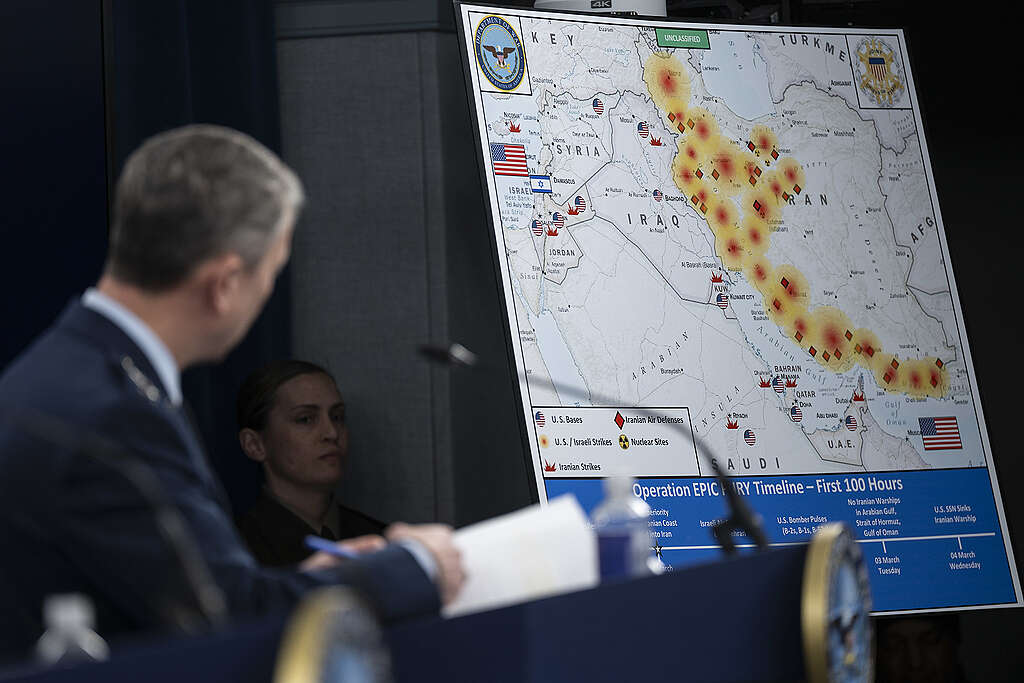
- The Initial Blitz: In the opening 40 days of the conflict alone, more than 3,500 people were killed within Iran, as heavy bombardments targeted urban centers, military installations, and industrial infrastructure.
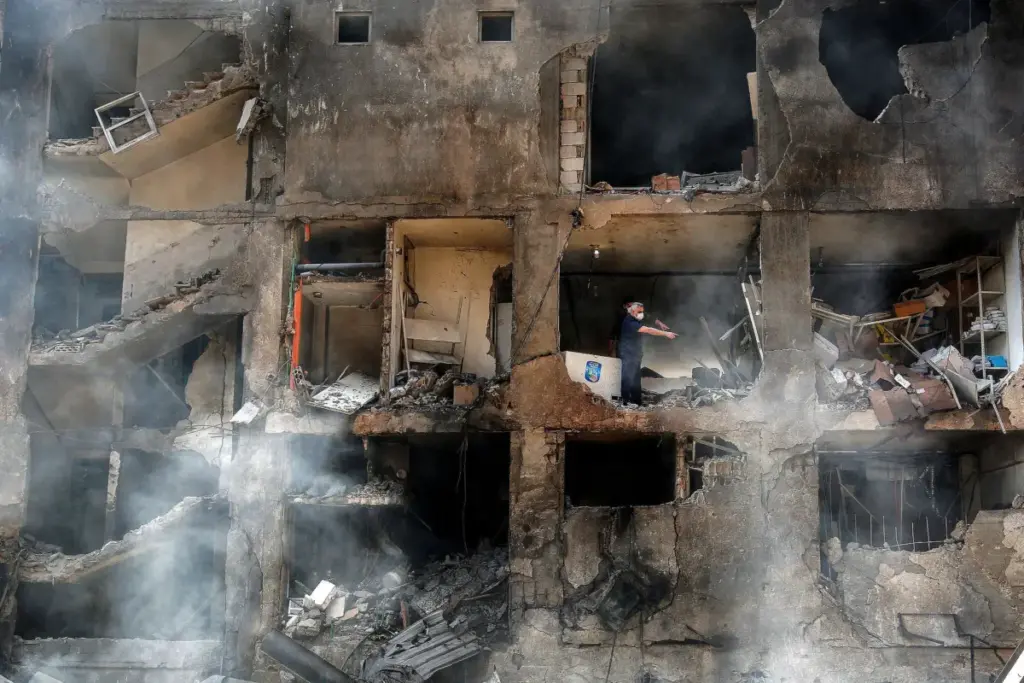
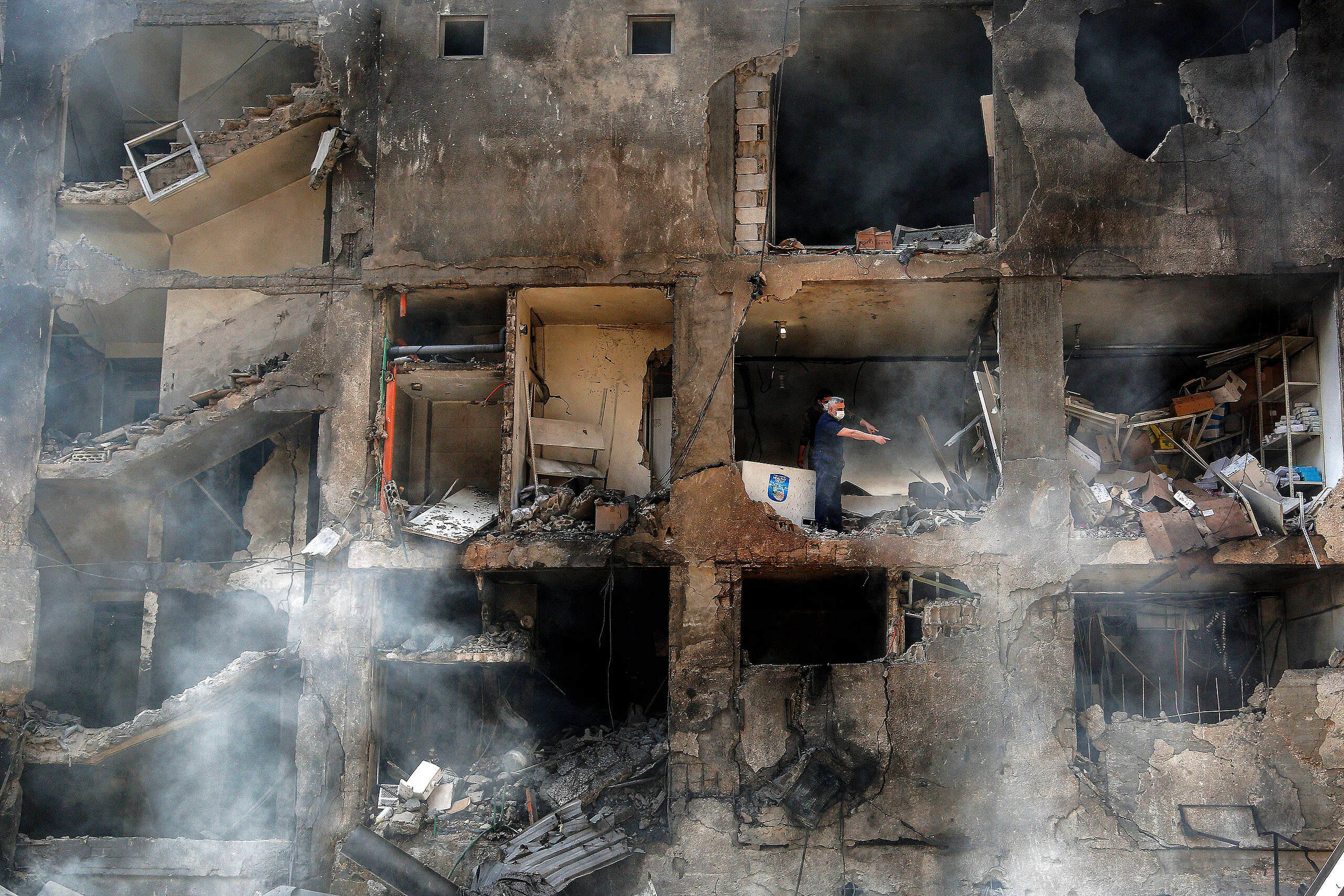
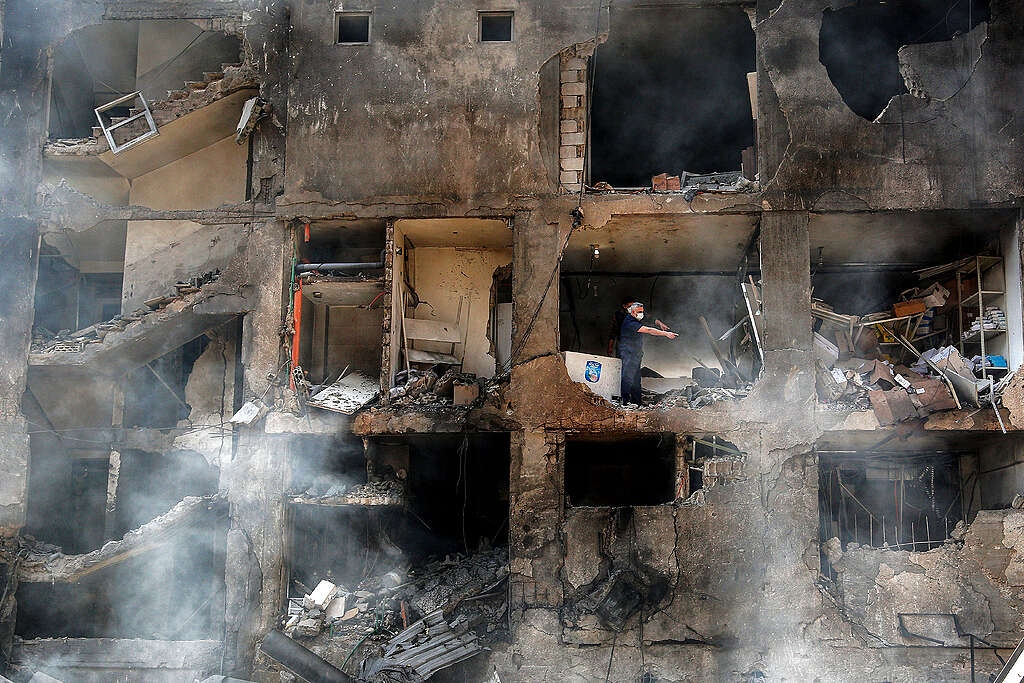
- The Broader Middle East: As the conflict widened to involve regional proxies—including intense Israeli strikes across Lebanon following renewed exchanges with Hezbollah—thousands more civilians have been killed, injured, or displaced from their homes, turning bustling neighborhoods into rubble-strewn ghost towns.
- Military Casualties: On the coalition side, the Pentagon has acknowledged more than 750 US soldiers wounded and 18 killed. However, growing skepticism surrounds these figures, with independent investigative reports revealing that the military has increasingly obscured or downplayed the true extent of troop injuries stemming from retaliatory missile strikes and regional skirmishes.
In total, conservative estimates indicate that more than 8,000 human beings have lost their lives and approximately 50,000 have suffered severe, life-altering injuries. Every single casualty represents a shattered family and an irretrievable loss. Yet, despite the mounting human toll, military planners in Washington and Tel Aviv continue to press forward, treating human lives as expendable variables in a high-stakes geopolitical game.
Supporting Context & Metrics: Environmental Destruction
War is fundamentally antithetical to life in all its forms. Beyond the immediate carnage of airstrikes and artillery fire, the conflict has unleashed a silent, long-term assault on the natural world, leaving scars that will endure for generations.
Marine Ecosystems and Catastrophic Oil Spills
Maritime warfare in the volatile waters of the Middle East has triggered environmental disasters visible from outer space. Following a strike on a commercial vessel near the Strait of Hormuz, an enormous oil spill stretched more than eight kilometers south of the Iranian island of Qeshm. Despite frantic containment and clean-up operations, the toxic sludge has suffocated delicate mangrove forests, devastated coastal habitats, and destroyed the livelihoods of local fishing communities who rely entirely on the sea.
This incident is far from isolated. In May, the Iranian Navy frigate IRIS Dena was torpedoed and sunk by the US Navy in the Indian Ocean. Just three days later, a massive oil slick washed ashore near the coast of Sri Lanka—a stark reminder that transporting petroleum during wartime is an inherently catastrophic gamble, and that cleaning up marine oil spills is virtually impossible once unleashed.
That same month, targeted strikes on a major oil refinery triggered a massive spill that reached the pristine shores of Shidvar Island. Designated as one of Iran’s most vital protected nature reserves, Shidvar serves as a crucial refuge for endangered sea turtles, migratory birds, dolphins, and delicate coral reef ecosystems, many of which were trapped and choked by thick, suffocating tar.
Toxic Skies and "Black Rain"
The atmospheric impact has been equally devastating. In the first two weeks of the war alone, an estimated 5 million tonnes of carbon dioxide ($CO_2$) were pumped into the atmosphere, violently accelerating global climate change.
Furthermore, targeted attacks on oil depots and industrial facilities have generated terrifying meteorological phenomena, including "black rain"—a toxic mixture of crude oil, soot, and precipitation—alongside towering plumes of carcinogenic smoke. As military installations burn, they release dangerous heavy metals and chemical pollutants into local water networks, sewage treatment facilities, and agricultural lands, poisoning the very systems that sustain human civilization.
Economic Cost: Trillions for War, Nothing for the People
The financial architecture of the war defies rational comprehension. Wars are extraordinarily expensive ventures, accumulating costs across multiple vectors: direct military expenditures, long-term environmental remediation, healthcare for wounded veterans, shattered infrastructure, and the global economic drag of soaring energy prices.
The Astronomical Price Tag of Combat
According to US Defense Secretary Pete Hegseth, the first five months of operations against Iran drained an eye-watering $37 billion, averaging out to roughly $260 million every single day. To put this in perspective, this daily expenditure is nearly double the inflation-adjusted cost of the Vietnam War at its height.
Yet, this astronomical sum is apparently deemed insufficient by the current administration. The Pentagon recently petitioned Congress for an additional $67 billion—more than double what has already been spent. To contextualize this figure, $67 billion exceeds the entire annual Gross Domestic Product (GDP) of nations such as Jordan, Iceland, and Cameroon.
This is merely the tip of the iceberg. Linda J. Bilmes, a renowned professor of public policy at the Harvard Kennedy School, estimates that the direct operational cost of the war has already surpassed $120 billion.

"And that doesn’t include another $250 billion for rebuilding the hundreds of U.S. facilities across the Middle East that have been destroyed or damaged," Bilmes notes. "And then there are long-term costs, which are the base of the iceberg, and they are much larger."
Towards a $1.5 Trillion Defense Budget
The horizon looks even more fiscally bleak. Should Congress approve the Trump administration’s proposed $1.5 trillion defense budget for 2027, the war on Iran will trigger the largest single-year US military expenditure since World War II.
This grotesque misallocation of public funds begs the question: Who is this money actually for? It certainly is not being channeled into universal healthcare for American citizens, nor is it being used to alleviate crushing student loan debt for the younger generation. Instead, public wealth is being systematically funneled into manufacturing munitions to build what administration officials proudly term a "Dream Military," while public infrastructure at home crumbles.
Official Statements and Global Repercussions
The macroeconomic fallout of the conflict has spared no one. At the epicenter of the crisis is the Strait of Hormuz—a narrow maritime chokepoint through which nearly one-fifth of the world’s petroleum historically flowed. The near-total closure of this vital artery has sent global energy markets into wild, unpredictable fluctuations.
The Scourge of "Fossilflation"
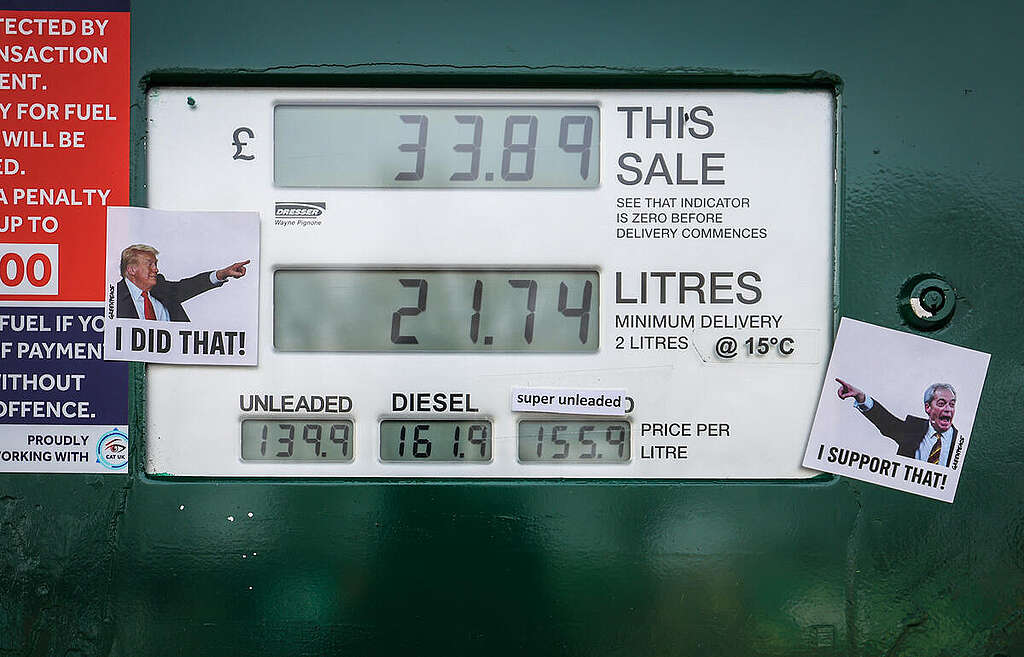
Economists have coined a new term for this phenomenon: fossilflation—inflation directly triggered by the artificially inflated cost of fossil fuels. When the price of oil spikes, the cost of manufacturing, transporting, and retailing virtually every consumer good skyrockets.
While political leaders like Donald Trump have dismissively characterized these escalating costs as "peanuts," rigorous economic analysis tells a vastly different story. Data compiled by the Climate Solutions Lab at Brown University reveals that US consumers have collectively shelled out more than $86 billion in extra expenses since the conflict began. On average, every single household in the United States has had to absorb an additional $660 in hidden war taxes through higher gas prices, inflated utility bills, and costlier grocery store receipts over the past six months.
Crucially, experts warn that even if a ceasefire were declared today, the inertia of fossilflation will continue to batter global supply chains and drain household savings for months, if not years, to come.
Future Outlook: Breaking the Addiction to Fossil Fuels
Six months into this catastrophic conflict, humanity faces a profound reckoning. The root cause of this carnage is not merely geopolitical rivalry; it is the global economy’s pathological addiction to fossil fuels.
The human, environmental, and financial horrors of the war on Iran could have been entirely averted if our societies were not tethered to volatile petroleum commodities choked off in Hormuz and spilled across the Indian Ocean. Fortunately, a viable, affordable solution exists, and it has been hiding in plain sight.
The Renewable Energy Imperative
As renewable energy experts note, no military blockade, naval destroyer, or geopolitical crisis can ever embargo the sun or blockade the wind. Wind and solar power are no longer idealistic environmental pipe dreams—they are the most economically rational, strategic assets available for national security.
According to data from the International Renewable Energy Agency (IRENA), renewable energy is currently the cheapest source of new electricity generation across the vast majority of the globe. On average, utility-scale solar power is 41% cheaper, and onshore wind power more than 50% cheaper, than the absolute cheapest fossil fuel alternatives.
Making Polluters Pay for the Transition
Financing this rapid green transition is entirely feasible. Governments possess a clear, immediate mechanism to fund climate resilience and energy independence: implementing aggressive windfall taxes on big oil corporations. While ordinary families struggle to pay their heating bills and extreme weather ravages communities worldwide, major fossil fuel conglomerates have posted record-breaking, obscene profits directly driven by the war in Iran.
The path forward requires moral clarity and political courage. Governments must abandon the bankrupt pursuit of endless militarism, hold war profiteers accountable through punitive taxation, and aggressively redirect public funds toward renewable energy infrastructure, building retrofits, efficient public transit, and resilient local food systems.
Only by systematically dismantling our dangerous dependence on volatile oil and gas can the international community build a foundation of lasting peace, economic stability, and planetary survival.



