

Executive Overview
American agriculture stands at a historic and precarious crossroads. For generations, the nation’s agrarian backbone was sustained by family lineages, with land, equipment, and deeply guarded experiential knowledge passed seamlessly from parents to children. Today, however, that traditional pipeline has slowed to a trickle. With the average age of American farmers climbing to 58, and subsequent generations increasingly drawn to less physically grueling and economically volatile occupations, the nation faces an impending succession crisis.
Simultaneously, industrial farming models have left behind a legacy of degraded topsoil, chemical runoff, and diminished biodiversity. Into this vacuum steps a diverse, highly motivated vanguard of career-switchers, idealists, and environmental stewards. Driven by a profound desire to align their daily labor with ethical, ecological, and holistic principles, individuals from non-traditional agricultural backgrounds are deliberately choosing to enter the fields.
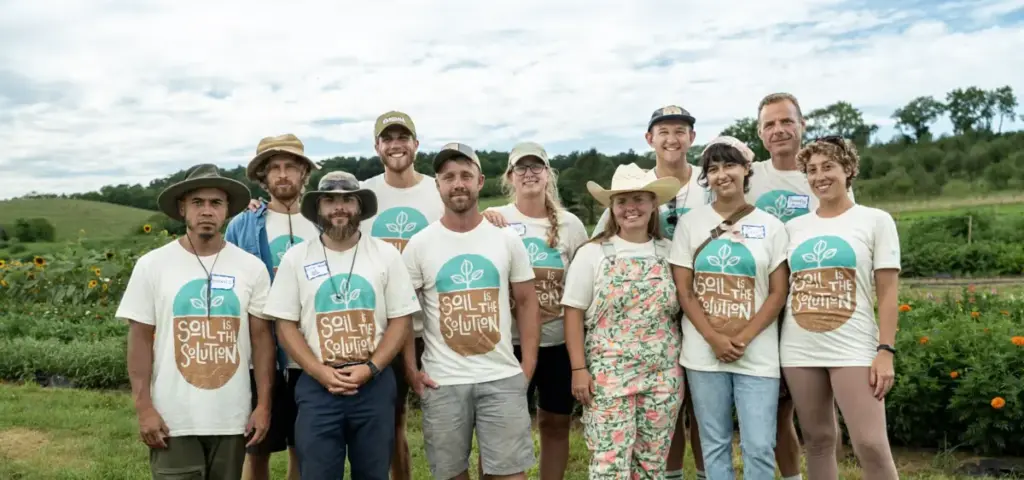
At the epicenter of this modern agrarian renaissance is the Rodale Institute Farmer Training (RIFT) program. Designed to bridge the chasm between idealism and commercial viability, RIFT prepares the next generation of regenerative organic producers through intensive, hands-on curricula. Participants embark on a transformative nine-month residency that exposes them to the complete seasonal cadence of crop management—from seed selection and soil preparation to harvest and market distribution.
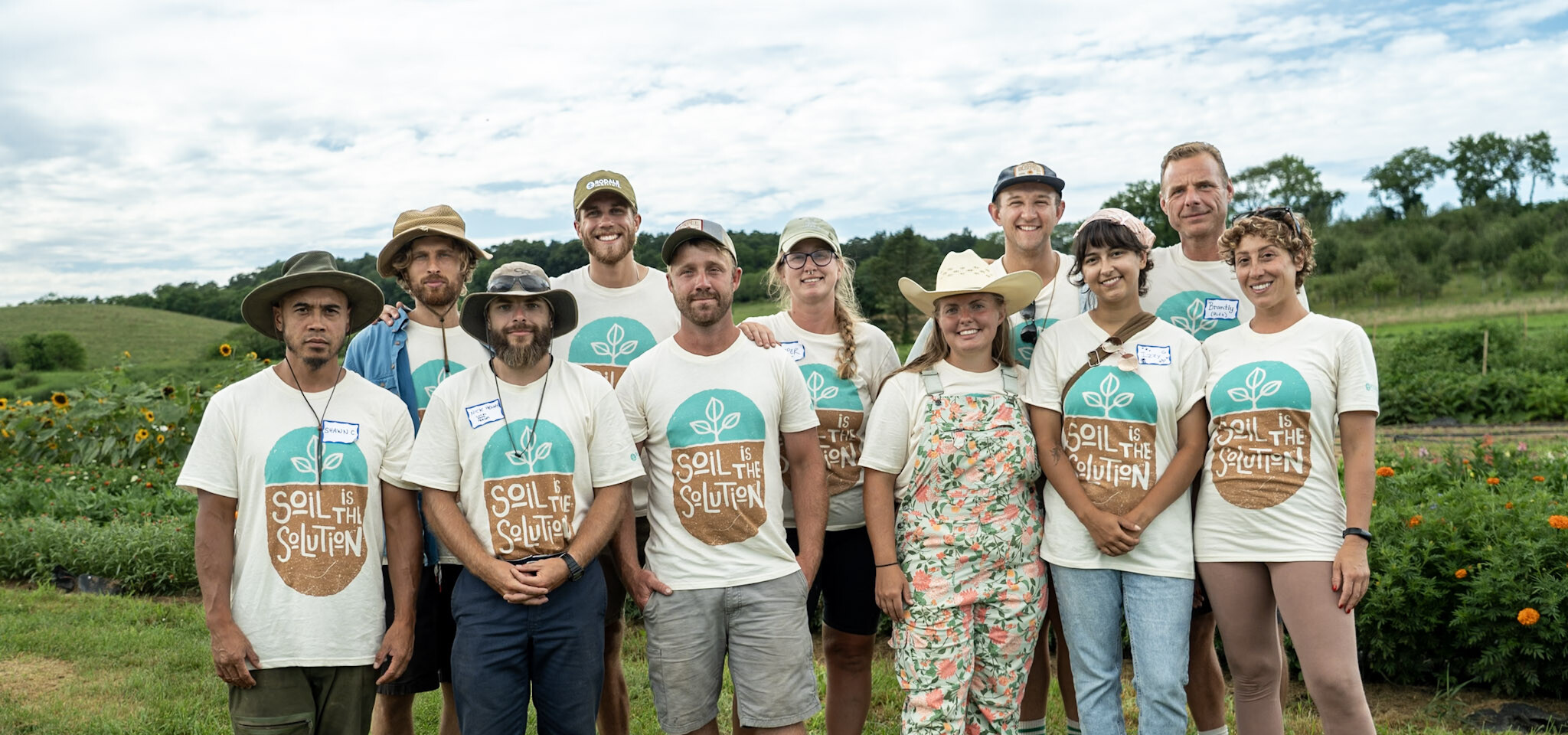
More than a simple vocational school, RIFT addresses systemic vulnerabilities in our food supply chains by equipping novices with the technical acumen, business acumen, and ecological philosophy required to heal the land while building profitable enterprises. As this year’s cohort demonstrates, the future of farming is no longer restricted to those born into the trade; it is being forged by conscious practitioners intent on regenerating the planet, one acre at a time.
Detailed Chronology: A Season of Transformation
The RIFT experience is structured as an immersive, 35-week journey that follows the natural biological clock of the earth. Trainees do not merely read about agriculture in lecture halls; they live and breathe the seasonal cycle of working farms.
Phase 1: Winter Foundations and Classroom Theory
The program kicks off in the colder months, establishing the theoretical framework necessary for sustainable agricultural management. Trainees dive into soil science, botany, pest management, and business planning. Rather than focusing on chemical inputs, coursework centers on regenerative organic methods designed to enhance soil biology and bolster natural resilience against pests and climate shocks.
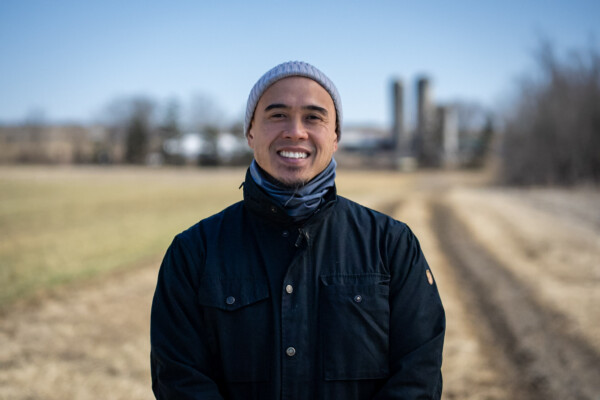
During this foundational window, students also formalize partnerships with academic institutions. Through a strategic articulation agreement with Northampton Community College in Bethlehem, Pennsylvania, RIFT participants can earn direct college credits for their rigorous coursework. This integration allows ambitious trainees—such as Shawn Cabalsi, who is applying his credits toward a Master of Arts in Regenerative Design through Prescott College—to bridge practical field experience with advanced academic credentials.
Phase 2: Spring Awakening and Intensive Fieldwork
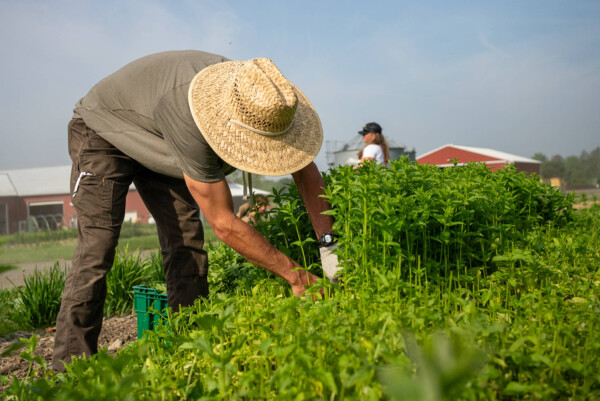
As the ground thaws, the theoretical instruction transitions rapidly into high-intensity physical labor. Trainees master the art of bed preparation, direct seeding, and greenhouse propagation. They learn the delicate balancing act of timing field operations around unpredictable spring weather patterns.
Mentored by seasoned researchers and farm managers, students tackle the daily realities of farm labor: managing weed pressure without synthetic herbicides, utilizing cover crops to smother unwanted species, and optimizing irrigation schedules. This phase tests physical endurance and mental fortitude, transforming office workers, artists, and chefs into seasoned field operators.
Phase 3: Summer Operations and Market Realities
Mid-summer brings peak growing conditions alongside a monumental surge in labor demands. Trainees navigate the relentless pace of harvesting, washing, packing, and distribution.
Crucially, the curriculum mandates practical commercial experience. RIFT participants operate a weekly farm stand directly for Rodale Institute staff members. This initiative provides a real-world testing ground for pricing strategies, inventory management, customer service, and display aesthetics. Students learn firsthand how to present their goods to consumers, bridging the gap between farm-level production and retail economics.
Phase 4: Autumn Harvest and the Capstone Farm Plan
As the growing season winds down in the autumn months, the focus shifts toward evaluation, seed saving, and strategic planning. The culmination of the RIFT program is the creation of a comprehensive, professional farm plan.
Every participant must draft a complete operational blueprint outlining their intended enterprise—whether it is a medicinal herb cooperative, an urban composting hub, a cut-flower supply chain, or a diversified vegetable farm. These capstone projects are designed to be immediately actionable. Graduates use these documents to secure agricultural land, apply for government grants and private funding, and navigate the rigorous paperwork required for official organic certification.
Supporting Context & Metrics: The Anatomy of a Modern Farming Crisis
To fully appreciate the urgency of programs like RIFT, one must examine the broader socioeconomic and environmental metrics defining contemporary agriculture.
The Aging Demographic and the Knowledge Gap
According to data from the United States Department of Agriculture (USDA), the average age of the American farmer has steadily risen to 58 years old. As older generations approach retirement, millions of acres of farmland face uncertain futures. Historically, agricultural knowledge was tacitly transferred within families. Today, with fewer farm children choosing to inherit the exhausting workloads and financial risks of traditional production, that transfer of knowledge has fractured.
Training programs like RIFT serve as an institutional bridge, importing fresh talent from urban and suburban sectors and supplying them with the sophisticated know-how previously locked within farming families.
Financial and Educational Barriers
Breaking into farming is notoriously capital-intensive. High land costs, expensive equipment, and the steep learning curve associated with organic transition often deter aspiring growers. Traditional vocational programs rarely offer living wages or housing, shutting out economically diverse applicants who cannot afford to spend nearly a year working unpaid or underpaid internships.
The Rodale Institute deliberately combats these barriers through a uniquely supportive financial structure. RIFT participants receive:
- A Weekly Stipend: Every trainee is provided a reliable weekly stipend of $600 to offset basic living expenses.
- Free Housing: On-site accommodations remove the burden of exorbitant rental markets during the intensive training period.
- Unprecedented Duration: Offering 35 consecutive weeks of immersive, organic-focused education is an industry anomaly, providing structural continuity that short-term workshops simply cannot match.
The Regenerative Imperative
Industrial agriculture, while highly productive in the short term, has contributed significantly to topsoil erosion, water pollution, and greenhouse gas emissions. Conventional operations frequently rely on heavy tillage and synthetic chemical fertilizers that strip soils of their natural microbial life.
Regenerative organic agriculture offers a scientifically proven antidote. By prioritizing practices such as cover cropping, crop rotation, minimal tillage, and diverse livestock integration, regenerative farms pull carbon dioxide out of the atmosphere and safely sequester it deep within healthy, microbe-rich soil. RIFT directly scales this environmental solution by training a new wave of practitioners committed to healing degraded landscapes.
Official Statements and Insider Perspectives
The success and vision of the RIFT program are best understood through the voices of its leadership and the eclectic cohort of participants who choose to walk its fields.
Cultivating the Next Generation: Justin Barclay
"Successful participants have the goal of starting an agricultural business, can work in a team environment, and are willing to be coached," explains Justin Barclay, Rodale Institute’s global education operations manager.
Barclay emphasizes that the program is explicitly designed to produce entrepreneurs rather than mere laborers. "An organic-focused education for 35 consecutive weeks is not common in other farmer-training programs," Barclay notes, pointing out that the combination of stipends, housing, and rigorous academics creates a rare launchpad for aspiring agrarians. Since the program’s inception in 2011, more than 100 individuals have graduated, armed with college credits, lifetime access to online educational resources, and a resilient peer network.
The 2025 Cohort: Portraits of Purpose
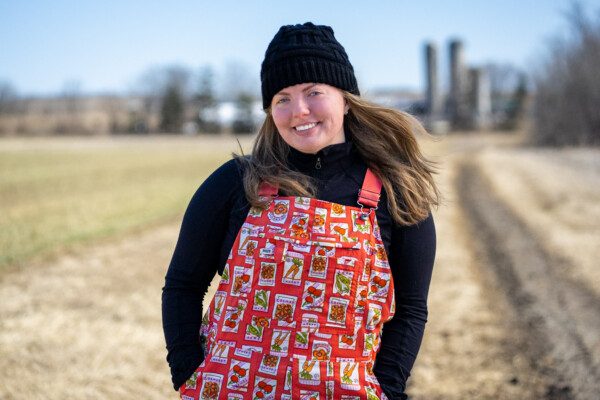
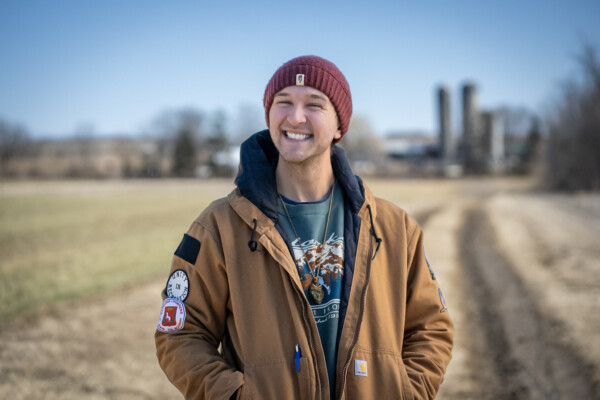
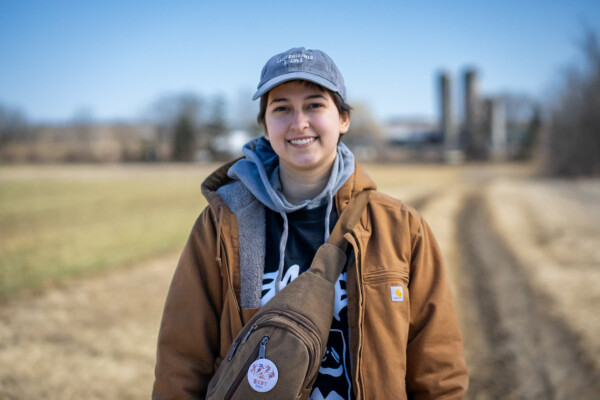
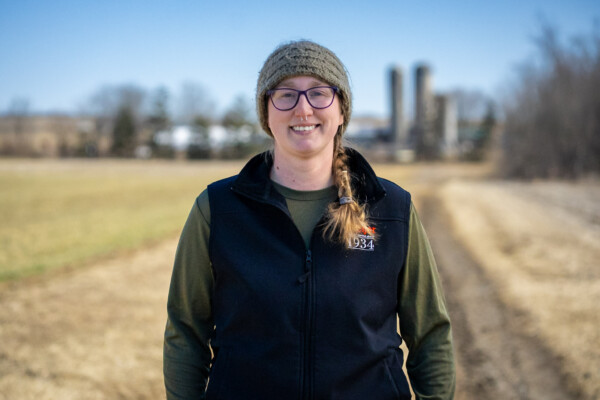
The nine participants in the 2025 RIFT class range in age from their early twenties to their early fifties, arriving from all corners of the country with varied professional backgrounds. Their personal journeys illuminate why modern Americans are turning to the soil:
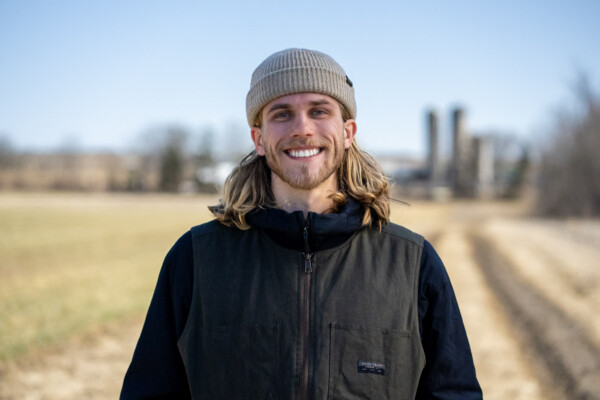
- Shawn Cabalsi (Tech Sector to Non-Profit Farming): Seeking a more ethical, nature-aligned existence after a successful career in technology, 43-year-old Cabalsi found inspiration in the writings of Wendell Berry and Masanobu Fukuoka. Alongside his RIFT coursework, Cabalsi helped found an 11-acre nonprofit organic farm in Macungie, Pennsylvania, dedicated to supplying fresh produce to food-insecure residents and educating the community on sustainable growing practices.
- Delaney Gemmel (Family Florist to Sustainable Micro-Agriculture): Combining a multi-generational family floral business background with a business degree from Lehigh University, Gemmel traveled the globe studying international food systems before finding her calling. Her goal is to launch a small-scale organic flower farm that supplies her family’s Allentown shop with locally grown, chemical-free blooms while utilizing her business expertise to support fellow small-scale producers.
- Payton Wilks (Project Management to Climate Action): After studying acting, anthropology, and French, and spending time teaching abroad, Wilks pursued project management before realizing that combating climate change through soil carbon sequestration was his true calling. He plans to manage diversified vegetable operations before eventually establishing his own farm in the Midwest or mid-Atlantic region.
- Isidra Garcia (Video Producer to Soil Restorer): An internship with Rodale Institute’s communications department during her studies at Kutztown University introduced Garcia to hemp textiles and organic agriculture. She aims to combine her video production skills with organic farming by growing ingredients for a artisanal pico de gallo line while producing educational media to help consumers make ecologically conscious food choices.
- Samantha Cooper (Retail Management to Herbalist and Healer): Having witnessed food system vulnerabilities during the pandemic, former retail manager Cooper transitioned entirely into agriculture. Working alongside her partner—a RIFT graduate—Cooper is building a farm plan centered around medicinal herbs, teas, and tinctures. Three and a half years sober, she views the physical labor of tending to healing plants as an integral part of her personal and community recovery.
- Kade Eckert (Culinary Chef to Ecosystem Regenerator): Driven by an entrepreneurial spirit and a desire to fix broken food systems, former chef and urban agriculture instructor Eckert envisions purchasing a degraded plot of land in Washington state. He plans to restore the soil using municipal and institutional compost, establish a native plant nursery, and host farm-to-table community dinners to demonstrate the financial and ecological viability of regenerative homesteading.
Future Outlook: Sowing Seeds for a Resilient Tomorrow
The trajectory of the Rodale Institute Farmer Training program signals an encouraging evolution within modern agriculture. As climate volatility intensifies and consumer demand for transparent, sustainably produced food surges, the agricultural sector can no longer rely exclusively on inherited land ownership and industrial chemical models.
By systematically lowering the barriers to entry—providing living stipends, housing, academic credits, and mentorship—RIFT is democratizing access to land stewardship. The graduates emerging from this rigorous nine-month pipeline are not merely learning how to grow crops; they are establishing non-profits, launching direct-to-consumer businesses, healing degraded ecosystems, and reweaving the social fabric of rural and urban communities alike.
Ultimately, the success of these novice farmers carries profound implications for the future of human health and environmental stability. When a technologist, a florist, an artist, a filmmaker, a retail manager, and a chef can converge on a Pennsylvania farm, absorb decades of regenerative science, and return to their home communities as empowered agrarian leaders, it proves one vital truth: the most powerful tool for changing the world is fertile soil, placed gently in the hands of those who know how to nurture it.



