

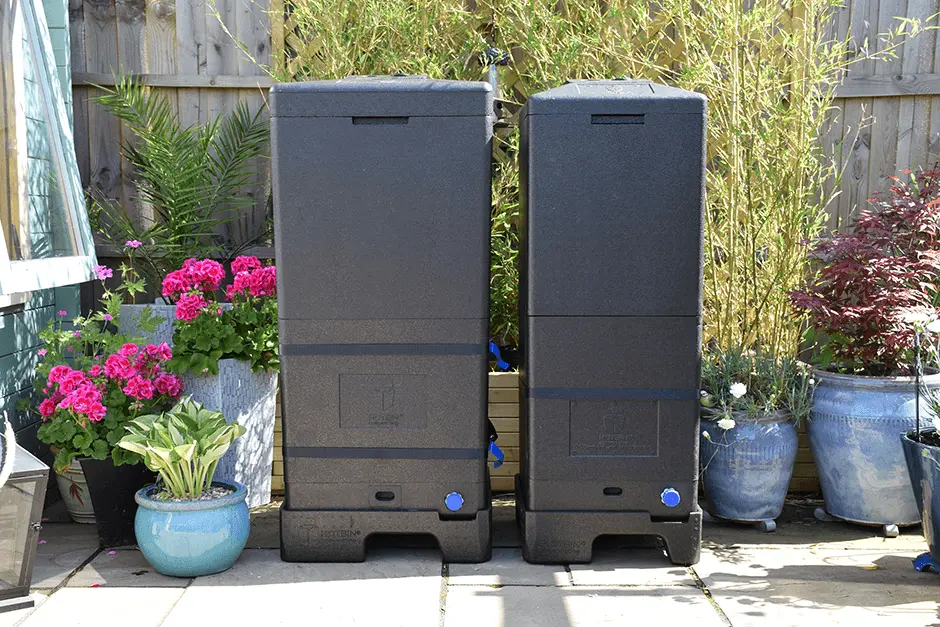
Executive Overview
As the golden canopy of autumn descends upon British gardens, gardeners face the perennial seasonal challenge of clearing fallen leaves, cutting back spent perennials, and putting beds to sleep for the winter. Historically, this time of year has marked the beginning of a sluggish period for organic waste management. Traditional cold compost heaps slow down or enter a state of metabolic dormancy as temperatures drop, leaving organic matter to sit idle for months. However, a major shift in sustainable horticulture is redefining how urban and rural gardeners approach household and garden waste during the colder months.
At the forefront of this movement is hot composting—an accelerated biological process that harnesses internal aerobic bacterial activity to break down organic matter rapidly, regardless of ambient weather conditions. To celebrate this sustainable shift and help gardeners maximize their environmental impact, BBC Gardeners’ World Magazine has partnered with innovative waste-reduction brand HOTBIN to launch an exclusive competition. Two lucky readers will have the opportunity to secure state-of-the-art composting bundles worth up to £313 each.
This initiative arrives at a critical juncture for environmental stewardship in the United Kingdom. With local authorities facing mounting pressures over municipal waste management, and with gardeners increasingly seeking eco-friendly methods to boost soil health without relying on commercially mined peat, home composting has evolved from a niche hobby into an essential ecological practice. By integrating advanced thermal insulation technology into backyard waste management, modern systems like the HOTBIN enable households to recycle not only standard garden cuttings but also cooked kitchen scraps, meat, fish, and bones—materials traditionally shunned by conventional heaps.
This comprehensive report explores the mechanics of high-efficiency composting, examines the ecological imperatives driving the current waste-reduction wave, details the prizes up for grabs in this exclusive giveaway, and provides an authoritative guide on how gardeners can future-proof their soil health while drastically shrinking their household carbon footprint.
Detailed Chronology: The Evolution of Modern Home Composting
To understand the significance of contemporary hot composting units, one must first trace the journey of organic waste recycling from rudimentary agrarian practices to high-efficiency domestic engineering.
Early Beginnings and the Limitations of Cold Composting
For generations, back-garden composting relied almost exclusively on the "cold" or passive method. Gardeners would pile grass clippings, autumn leaves, and vegetable peelings into a wooden crate or an open corner of the garden and leave nature to take its course. While this approach required minimal human intervention, it suffered from profound operational inefficiencies:
- Lengthy Timelines: Cold compost heaps typically require anywhere from nine months to two years to mature into usable humus.
- The Winter Freeze: As temperatures drop below 10°C, the microbial activity responsible for decomposition plummets. Throughout autumn and winter, cold heaps effectively freeze in time, offering zero output when gardeners need mulch the most.
- Pest Vulnerability: Because cold heaps fail to reach high internal temperatures, they cannot safely process cooked food, dairy, meat, or bones without attracting rodents, foxes, and insect swarms. Consequently, a significant portion of household food waste was systematically diverted to municipal bins rather than being recycled on-site.
The Scientific Breakthrough of Aerobic Thermal Composting
The realization that controlled aerobic decomposition could occur at elevated temperatures—typically between 40°C and 60°C—transformed the industry. Scientists and waste-management engineers discovered that by optimizing the ratio of carbon-rich "browns" to nitrogen-rich "greens," ensuring adequate oxygen flow, and heavily insulating the containment vessel, thermophilic bacteria could thrive year-round.
These specialized thermophilic microorganisms accelerate the breakdown of complex lignins and cellulose at a molecular level. In doing so, they generate their own biological heat, allowing the core temperature of the composter to rise significantly. This intense heat not only speeds up the transformation of waste into nutrient-rich compost—slashing processing times from years to mere weeks—but also pasteurizes the material, neutralizing weed seeds and plant pathogens.
The Rise of the Engineered Domestic Composter
Over the past decade, manufacturers have transitioned from rudimentary plastic bins to sophisticated, engineered thermal systems designed specifically for residential use. Among these innovations, the HOTBIN emerged as a market leader, recognized for its exceptional thermal efficiency and compact footprint. Its engineering breakthrough relies on expanded polypropylene (EPP) walls, which provide structural rigidity while offering superior insulation compared to standard thin-walled plastic bins.
This technological leap culminated in widespread industry recognition, including prestigious accolades from leading horticultural authorities. Most notably, the HOTBIN was named a BBC Gardeners’ World Magazine Best Buy, cementing its reputation as the fastest composter tested and the premier choice for urban and suburban spaces alike.
Supporting Context & Metrics: The Environmental Imperative
The push toward accelerated home composting is not merely a matter of horticultural convenience; it is a vital response to broader ecological and municipal challenges. Examining the data surrounding household waste and soil degradation reveals why initiatives promoting domestic composting are more urgent than ever.
The Household Waste Crisis
In the United Kingdom, food and garden waste constitute a substantial percentage of the average municipal waste stream. According to environmental charity WRAP (Waste and Resources Action Programme), UK households discard millions of tonnes of edible and inedible food waste annually. When organic waste is sent to landfill, it is deprived of oxygen as it gets compressed under layers of refuse. This anaerobic decomposition forces organic matter to break down and release methane—a greenhouse gas with a global warming potential significantly more potent than carbon dioxide over a 20-year timeframe.
By intercepting food waste at the source and processing it via aerobic thermal composting, households can short-circuit this destructive cycle. Aerobic decomposition produces carbon dioxide rather than methane, and because the process is entirely localized, it eliminates the carbon emissions associated with transporting organic waste via heavy municipal collection vehicles.
The Peat-Free Revolution and Soil Health
Simultaneously, the UK horticultural sector is undergoing a profound structural shift away from the use of peat in gardening media. Peat bogs are magnificent natural carbon sinks and fragile ecosystems that require centuries to form. Recognizing their ecological importance, the UK government and environmental organizations have strongly championed the complete phase-out of peat-based composts for amateur gardeners.
However, transitioning to peat-free alternatives has presented challenges for some growers, as commercial peat-free options can vary in moisture retention and nutrient density. Home-produced compost acts as the ultimate equalizer. Rich in macro- and micronutrients, teeming with beneficial mycorrhizal fungi, and possessing exceptional soil-conditioning properties, home-composted organic matter restores vitality to exhausted garden beds.
Performance Metrics: HOTBIN vs. Traditional Methods
| Metric | Traditional Cold Composting | Standard Plastic Bin | HOTBIN Thermal Composting |
|---|---|---|---|
| Processing Time | 9 to 24 months | 6 to 12 months | 30 to 90 days |
| Operating Temperature | Ambient outdoor temp | Slightly above ambient | 40°C to 60°C (Year-round) |
| Accepted Waste Types | Raw garden waste only | Mostly raw garden & veg waste | Cooked food, meat, bones, weeds |
| Weed Seed Destruction | Low (seeds survive) | Low to Moderate | High (pasteurizing heat) |
| Footprint Efficiency | Requires large open space | Moderate | High (optimized for small spaces) |
As demonstrated by these performance metrics, high-efficiency thermal systems bridge the gap between industrial waste-processing facilities and domestic back gardens, making rapid, closed-loop recycling accessible to everyday citizens.
Official Statements and Expert Insights
Industry experts, horticulturists, and environmental advocates have long championed the transformative potential of efficient home composting systems.
Dr. Angela Sterling, a soil ecologist and sustainable agriculture consultant, emphasizes the chemical benefits of high-temperature processing:
"When organic waste reaches thermophilic temperatures within a well-insulated vessel, a biological alchemy takes place. You aren’t just letting food rot; you are cultivating a specialized microbial ecosystem that rapidly breaks down complex organic structures into bio-available plant nutrients. For the home gardener, this means access to high-grade humus that dramatically improves soil structure, enhances moisture retention, and fosters a resilient underground web of life that protects plant roots from disease."
Representatives from HOTBIN have continually highlighted the company’s commitment to closing the loop on household waste. A spokesperson for the brand noted:
"Our mission has always been to remove the friction from composting. Many people want to do their bit for the environment, but traditional compost heaps can be messy, slow, and restrictive regarding what you can put in them. By designing a system that handles cooked leftovers, meat scraps, and garden waste while maintaining internal heat through harsh British winters, we’ve empowered households to divert a massive portion of their daily waste straight back into their gardens."
Horticultural editors reviewing the product for BBC Gardeners’ World Magazine underscored its unique performance attributes during rigorous testing protocols:
"The HOTBIN stands out in testing not simply because it works quickly, but because of its versatility. Achieving active composting in the depths of November or January seemed improbable until we tested its thermal retention. For small spaces where traditional three-bin rotation systems are impossible, it offers an astonishingly compact, high-output solution."
Prize Details: What the Winners Will Receive
To help two lucky readers kickstart their journey into advanced thermal composting this autumn, the current giveaway offers a choice between two comprehensive, professional-grade bundles. Winners can select the package that best suits their household size and garden dimensions.
Option 1: The HOTBIN Mini 100-litre Essentials Bundle
- Estimated Value: £243
- Ideal For: Smaller households, urban courtyards, town gardens, and beginners looking for a manageable yet highly efficient system.
- Key Inclusions:
- HOTBIN Mini Composter (100-litre capacity): Engineered with the same high-density EPP thermal insulation as its larger counterpart, perfectly scaled for gardens with limited square footage.
- HOTBIN Plinth: A sturdy base that elevates the unit, protecting the base from ground moisture while providing essential clearance to easily slide a collection vessel underneath for liquid fertilizer.
- HOTBIN Garden Kneeler: An ergonomic, high-density foam kneeler designed to provide joint support during autumn garden maintenance, planting, and compost harvesting.
Option 2: The HOTBIN 200-litre Essentials Bundle
- Estimated Value: £313
- Ideal For: Larger families, avid gardeners with substantial vegetable patches, and households generating higher volumes of combined kitchen and garden waste.
- Key Inclusions:
- HOTBIN 200-litre Composter: A high-capacity thermal processing unit capable of managing large influxes of organic matter, ensuring a steady, abundant supply of rich compost year-round.
- HOTBIN Plinth: Custom-designed to support the larger 200-litre footprint, facilitating optimal airflow underneath the unit and simplifying the extraction of liquid feed.
- HOTBIN Garden Kneeler: Premium ergonomic support for comfortable, pain-free gardening throughout the demanding autumn and winter maintenance seasons.
Future Outlook: The Next Decade of Sustainable Gardening
As we look toward the future of sustainable horticulture, the integration of smart, highly efficient home waste management systems is set to become a standard household expectation rather than an alternative practice.
The Convergence of Urban Farming and Waste Reduction
With urban populations expanding and residential garden sizes shrinking across the UK, the demand for high-yield, small-footprint gardening solutions will continue to surge. Systems that can successfully process 100% of household food waste within a compact footprint represent the future of urban agriculture. By turning kitchen scraps into nutrient-dense soil amendments on-site, urban growers can establish closed-loop micro-ecosystems on balconies, patios, and allotment plots.
Municipal Integration and Community Composting
Looking ahead, municipal authorities are increasingly looking toward decentralized waste management strategies to alleviate burdens on centralized processing facilities. While large-scale green waste collections remain vital, empowering citizens to manage their own organic waste at the household level reduces carbon emissions, lowers public expenditure on waste hauling, and fosters a deeper public connection with circular economy principles.
Educational Initiatives and Horticultural Literacy
Competitions and educational campaigns hosted by trusted authorities like BBC Gardeners’ World Magazine play a pivotal role in accelerating this cultural shift. By lowering the barrier to entry and providing gardeners with top-tier equipment, these initiatives demystify advanced horticultural techniques and inspire a new generation of growers to view waste not as a burden, but as an invaluable resource.
How to Enter and Competition Guidelines
If you are ready to transform your approach to autumn garden clearance and household waste management, entering the giveaway is straightforward.
Key Entry Information
- Deadline: Submit your entry by 23:59 on 9 November 2026.
- Eligibility: Entrants must be United Kingdom residents aged 18 or over.
- Process: Answer the qualifying question on the official competition portal before the deadline. Winners will be selected and notified directly, with prize delivery arranged promptly thereafter.
Don’t let your autumn leaves and kitchen scraps go to waste. Embrace the future of high-efficiency thermal composting, reduce your household carbon footprint, and secure the ultimate tools to keep your garden thriving all year round.



