

Executive Overview
In an era defined by rapid technological adaptation and mounting ecological urgency, the agricultural sector faces a formidable paradox. While consumer demand for regenerative organic produce, ethically sourced goods, and sustainable food systems has surged to unprecedented heights, the foundational knowledge required to transition and manage these complex agricultural operations remains heavily bottlenecked.
For more than fifteen years, the renowned Rodale Institute Farmer Training (RIFT) program has served as a premier crucible for agricultural entrepreneurs on its Pennsylvania campus. Yet, the physical constraints of traditional, in-person agricultural education have historically limited its reach to a mere dozen or so carefully selected fellows annually. Today, that paradigm is shifting dramatically.
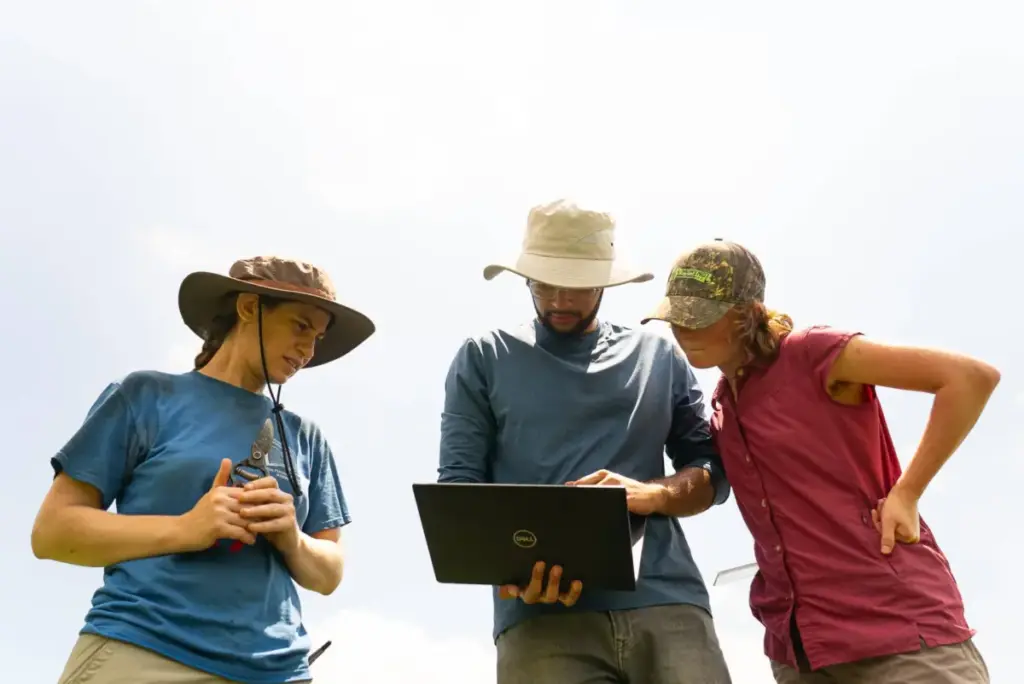
By harnessing the power of advanced digital learning platforms, Rodale Institute is bridging the gap between decades of rigorous scientific research and the practical realities of farm management. The newly launched virtual campus brings university-level, experience-tested expertise directly to fields, greenhouses, and kitchen tables across the nation. Designed to combat the grueling schedules of modern farmers—who rarely enjoy weekends off, let alone extended sabbaticals—this initiative scales capacity from a handful of onsite trainees to thousands of agricultural producers nationwide.
By blending agronomic science with robust business acumen and fostering a collaborative digital community, the Rodale Institute is effectively building the definitive educational ecosystem for the regenerative organic movement.
Detailed Chronology: The Evolution of Rodale’s Educational Outreach
To fully understand the significance of Rodale Institute’s digital pivot, it is necessary to examine the historical trajectory of agricultural education and the institutional milestones that paved the way for this virtual transformation.
Decades of Research Meets the Field (1947–2000s)
Since its founding by J.I. Rodale in 1947, the Rodale Institute has stood as the global pioneer of regenerative organic agriculture. For over seventy-five years, the organization has conducted groundbreaking, long-term trials—such as the Farming Systems Trial—scientifically proving that organic methods match or outperform conventional agriculture in yields, especially during times of drought, while dramatically improving soil health and sequestering carbon.
However, translating these empirical breakthroughs from experimental plots into actionable practices for working farmers has always presented a logistical challenge. Traditional agricultural extension services, once a cornerstone of rural American development, have faced continuous budget cuts and shifts in focus toward industrial, chemical-dependent farming models. Recognizing a void in the education of a new generation of organic stewards, the institute established the RIFT program at its Pennsylvania headquarters. This immersive, nine-month, on-site fellowship provided deep, hands-on training in soil science, entomology, machinery operation, and farm economics.
The Three-Year Digital Build (2021–2024)
Despite the profound success of the physical RIFT program, institute leadership recognized an institutional ceiling. Agriculture is a 24/7 enterprise characterized by narrow seasonal windows, volatile weather, economic pressures, and relentless physical labor. Aspiring and transitioning organic farmers simply could not afford to drop their operations, relocate to Pennsylvania, and spend nine months away from their livelihoods.
Recognizing this critical accessibility barrier, Rodale Institute embarked on an ambitious multi-year initiative three years ago. The core objective: capture the totality of the RIFT curriculum on video, systematically structure the material, and elevate it to meet rigorous academic standards without sacrificing practical utility. Education directors, researchers, and field experts spent hundreds of hours translating hands-on farm demonstrations into high-definition digital modules. They covered everything from complex soil microbiology and integrated pest management to the bureaucratic nuances of securing and maintaining USDA organic certification.
The Virtual Campus Launch (Present Day)
The culmination of this exhaustive development phase is the deployment of a state-of-the-art virtual campus powered by the Canvas learning management system. This robust infrastructure allows the institute to transcend geographical boundaries, transforming from a localized training farm into a nationwide virtual extension service. The platform is engineered to support up to 6,500 active users, immediately democratizing access to elite agricultural training for beginning farmers, established conventional growers looking to transition their acreage, and everyday citizens passionate about sustainable food systems.
Supporting Context & Metrics: The Anatomy of Modern Agricultural Education
The launch of Rodale Institute’s virtual training platform arrives at a critical juncture for American agriculture. The industry faces an aging demographic of producers, a rapidly changing climate, and intense economic consolidation that squeezes independent family farms.
The Knowledge Gap in Regenerative Transition
Transitioning a farm from conventional, chemical-heavy management to regenerative organic practices is not a simple matter of halting synthetic fertilizer use. It requires a profound rewiring of how a producer understands their land. Farmers must master:
- Soil Science: Shifting from feeding the plant directly to nurturing the complex underground microbiome that cycles nutrients.
- Biological Weed and Pest Control: Replacing broad-spectrum herbicides and insecticides with sophisticated multi-species cover cropping, tactical crop rotations, and the enhancement of beneficial insect habitats.
- Financial Resilience: Navigating the multi-year organic transition period, during which input costs may shift while premium market prices are not yet accessible.
Historically, this information was acquired either through costly private consulting, trial-and-error—which can lead to catastrophic crop failures—or regional word-of-mouth. The internet offers vast amounts of fragmented information, but much of it lacks scientific validation, structural organization, or contextual nuance. Rodale’s curriculum solves this by providing university-level education rooted in more than seven decades of empirical data.
Scalability Metrics: From Dozens to Thousands
The mathematical contrast between physical and digital agricultural extension highlights the disruptive nature of this new platform:
- In-Person RIFT Program Capacity: Approximately 12 to 15 agricultural entrepreneurs trained per year at the Pennsylvania campus.
- Virtual Campus Capacity: Over 6,500 concurrent learners supported nationally, exponentially multiplying the institute’s impact on American soil.
- Curriculum Depth: Dozens of hours of specialized video instruction covering agronomy, business accounting, marketing, and food systems.
Leveraging the Canvas Learning Management System
To ensure that online learning does not feel isolated or sterile, the institute integrated the Canvas learning management system. This platform provides a suite of educational tools tailored to working adults:
- Asynchronous Learning: Farmers can log in during late-night hours after chores are done or during winter downtime, working entirely at their own pace.
- Peer-to-Peer Networks: Discussion boards and interactive forums allow producers facing similar regional challenges to share insights, troubleshoot pest outbreaks, and build a cohesive professional community.
- Formative Assessments: Quizzes, assignments, and guided projects help learners verify their comprehension and apply theoretical concepts directly to their own land plans.
Official Statements and Industry Perspectives
The value proposition of Rodale’s virtual training model has resonated deeply across the broader agricultural and nonprofit sectors, drawing enthusiastic praise from early institutional adopters and educational leaders alike.
Reflecting on the grueling realities faced by modern cultivators, Renée Baran, Rodale Institute Dean of Education, points directly to the time poverty that defines farm life:
"Farming is a unique way to make a living because farmers don’t get vacations or even weekends off when they can take time to focus on learning. But new farmers and many experienced ones have gaps in their knowledge they need to fill."
Addressing the breadth and academic rigor of the digital curriculum, Dr. Jason Slipp, Director of Education at Rodale Institute, emphasizes the intentional design behind the digital transition:
"At Rodale Institute, we have accumulated more than 75 years’ worth of knowledge, and for the past three years, we’ve been capturing much of our RIFT curriculum on video. We’re now offering it to farmers who are not able to enroll in our nine-month, in-person program. These are university-level classes based on proven instructional principles."
Dr. Slipp also highlights the user-centric design of the virtual campus, noting that accessibility was a paramount concern during development: "This is easy for everyone to use, even if they’re not too tech-savvy."
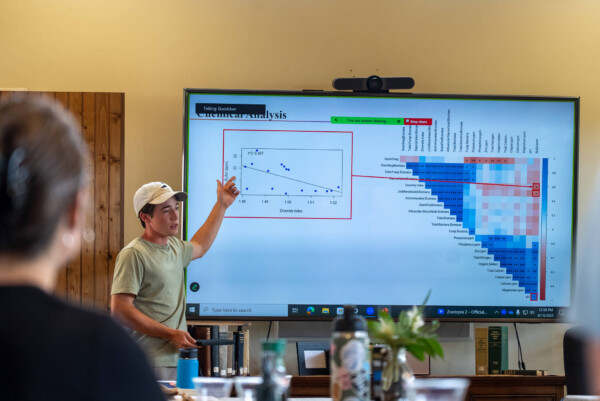
Strategic partnerships have already begun to amplify the program’s reach. Organizations dedicated to rural economic development and agricultural sustainability are weaving Rodale’s digital modules into their own support frameworks. Rebecca Frimmer, a partner and principal consultant for Good Roots—a nonprofit dedicated to helping organic farmers build sustainable, long-lasting enterprises—explains the critical need for business and financial literacy in modern farming:
"Farmers need training in business management and finance to ensure they are profitable and viable for the long term. The biggest challenge for farmers is finding the time to balance all that must be done. It’s essential to carve out the space to work on the farm business and not just in the business."
Frimmer underscores how smaller-scale and emerging producers often lack the capital to hire outside specialists, making accessible education an equalizer:
"Smaller-scale producers may not have the resources to access consulting services or other professional services like bookkeeping and marketing. The self-paced educational resources and interactive support offered by Rodale Institute open up effective ways for Good Roots to ensure the next generation of farmers can scale up with strong financial and marketing foundations."
Looking toward the future vision of the project, Renée Baran summarizes the ultimate ambition of the virtual campus:
"We want to be the ‘regenerative organic agriculture YouTube’ where farmers can find the information they’re looking for, but with real scientific integrity and a community of others to connect to and learn with."
Future Outlook: Building the ‘Regenerative YouTube’ and Beyond
As the Rodale Institute Farmer Training Online platform continues to onboard its first waves of students and institutional partners, the horizon looks transformative for the sustainable food movement.
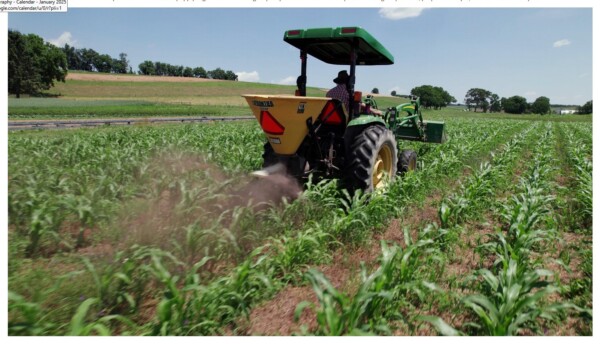
Expanding the Tent: Education for Consumers and Hobbyists
Significantly, Rodale’s educational vision extends beyond commercial agricultural producers. Recognizing that a truly regenerative food system requires conscious demand alongside responsible supply, the virtual campus has opened its digital doors to the public.
Anyone with an interest in cultivating nutritious food, improving personal wellness, or understanding ecological systems can now enroll in specialized courses. Offerings such as "Being a Regenerative Consumer" and "Regenerative Health: The Power of the Plate" translate complex nutritional and ecological concepts into accessible knowledge for everyday citizens. Furthermore, hobbyist tracks covering residential organic gardening and beekeeping allow enthusiasts to sharpen their skills while directly supporting the institute’s broader mission to increase the total acreage of certified organic farmland in the United States.
Continuous Content Evolution
Moving forward, the educational team plans to continuously expand the digital catalog. By collaborating with agricultural universities, farm apprenticeship programs, and regional nonprofits, Rodale aims to localize course modules to address the unique climatic, soil, and market conditions of distinct bio-regions across North America.
Conclusion
By successfully translating decades of rigorous field research into a dynamic, highly accessible digital format, the Rodale Institute has shattered the traditional bottlenecks of agricultural extension. In doing so, it has provided a lifeline to overworked producers, empowered community-based nonprofits, and invited the general public into the fold of the regenerative revolution. As thousands of learners log on from farm offices, kitchen tables, and tractor cabs across the country, they are not merely watching videos—they are planting the seeds of a resilient, science-backed agricultural future.
For complete details, course schedules, and registration information for both farming professionals and everyday learners, visit RodaleInstitute.org/education.



