By Agrarian & Environmental Desk
Published: October 2026
Executive Overview
Industrial hemp is staging a profound agricultural renaissance. Since the landmark passage of the 2018 Farm Bill legally severed hemp from its illicit botanical cousin and opened the door to mainstream commercial production, farmers across Pennsylvania and the broader Mid-Atlantic region have scrambled to diversify their operations. While initial production focused primarily on high-value CBD extracts and robust industrial fiber, a new frontier has rapidly emerged: hemp grain.
Packed with roughly 27% complete protein, 25% fatty-acid-rich oil, 22% dietary fiber, and a dense matrix of carbohydrates, vitamins, and minerals, hemp seeds are fast becoming a sought-after commodity for health-conscious consumers and commercial food manufacturers alike. Yet, translating this market demand into consistent, profitable, and sustainable on-farm yields remains a formidable challenge. Grain hemp production within regenerative organic systems is still in its absolute infancy. Yields fluctuate wildly—ranging from a few hundred pounds per acre to well over a thousand—largely dependent on unpredictable weather patterns, variable seed genetics, and management practices.
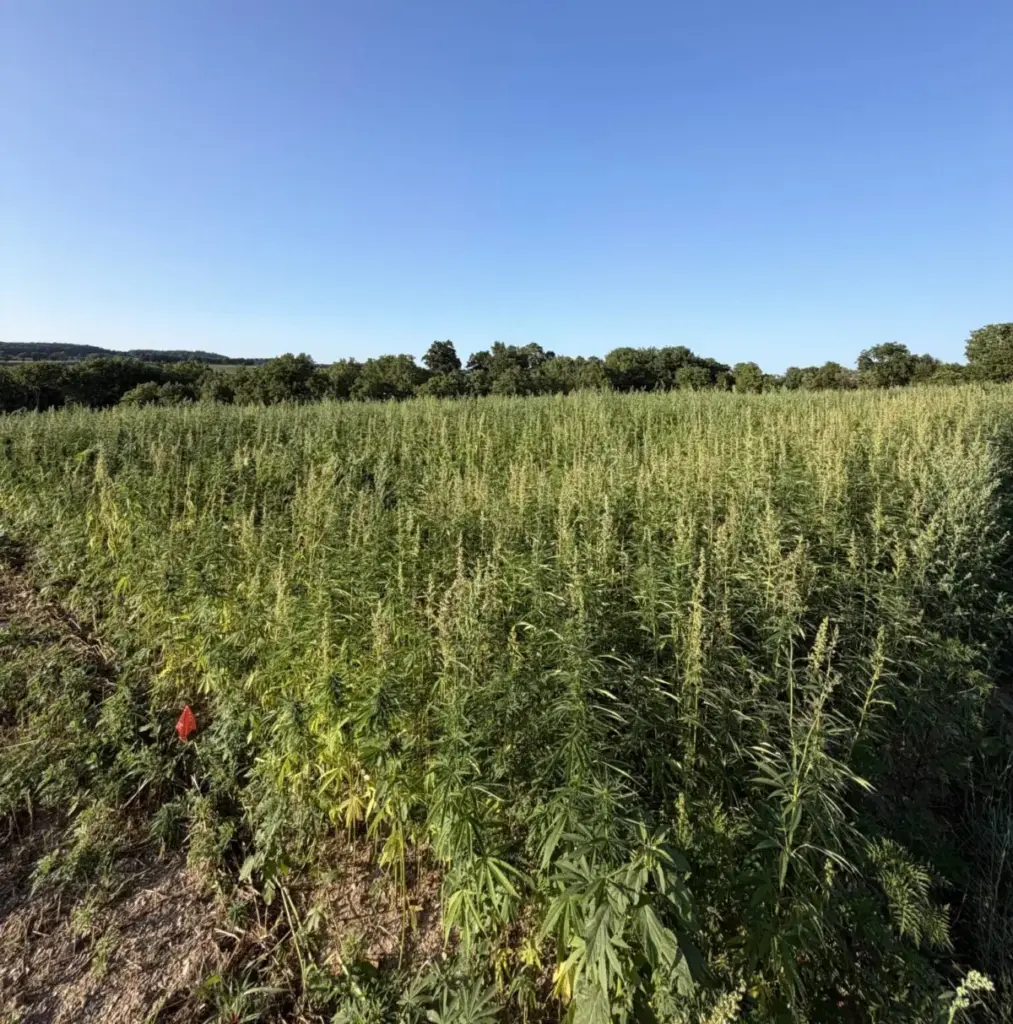
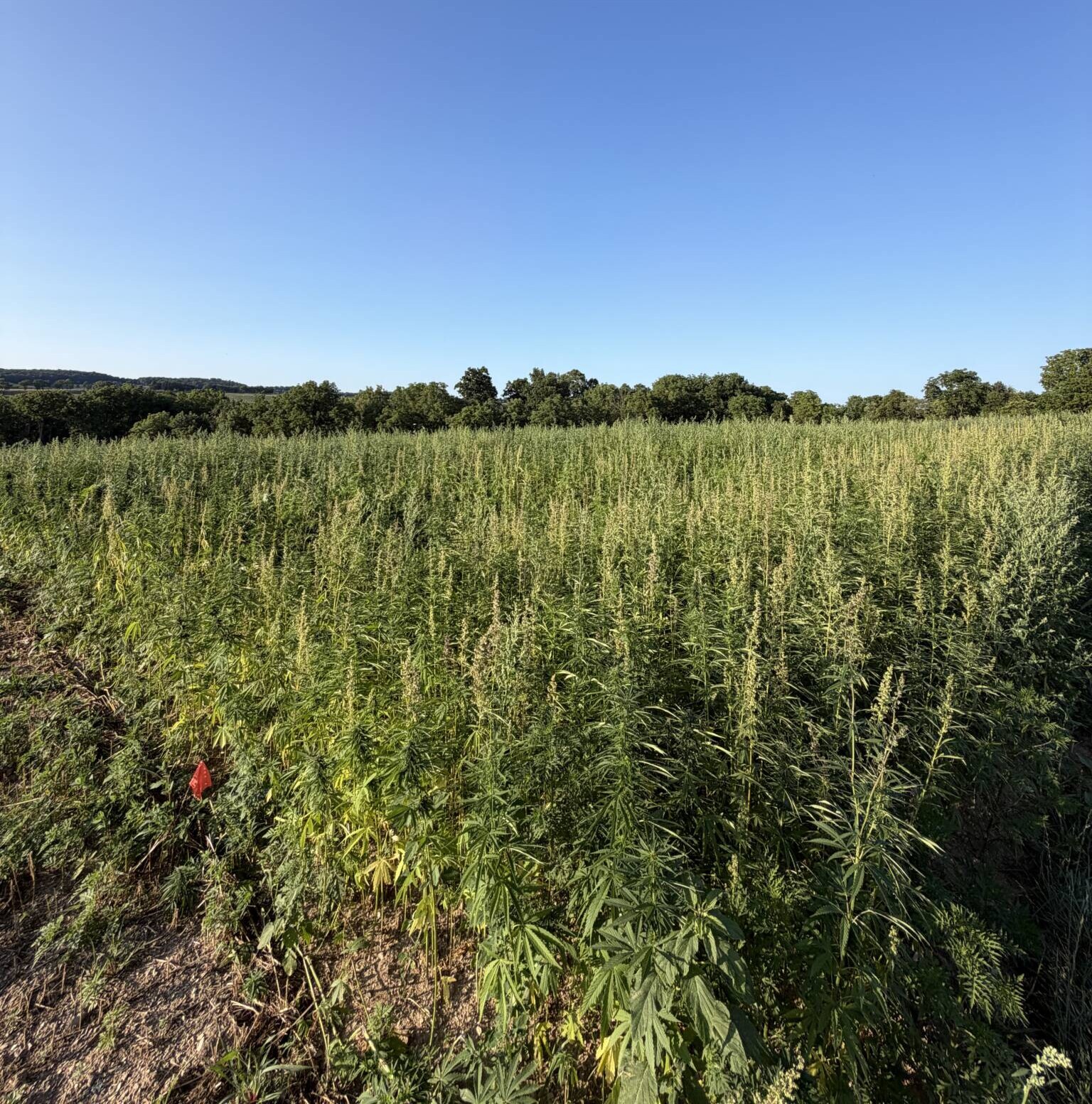
Enter the Rodale Institute. As a global leader and pioneer in regenerative organic agriculture, the Institute has partnered with the United States Department of Agriculture’s Agricultural Research Service (USDA-ARS) in Wyndmoor, Pennsylvania, to untangle these complex variables. Currently operating a rigorous, multi-year field trial at their Kutztown headquarters, these researchers are investigating how specific cover crop integrations can dramatically boost both the yield and nutritional profile of grain hemp.
By analyzing everything from sub-surface root microbiomes to rare antioxidant amino acids like ergothioneine, this project promises to arm farmers with science-backed, chemical-free strategies to secure a resilient, profitable place in the burgeoning hemp marketplace.
Detailed Chronology: The Evolution of the Trial
To fully appreciate the scope of the current research, it is essential to trace the operational timeline of this multi-year initiative, which spans from its foundational planning through its ongoing execution.
Phase 1: Inception and Setup (2024–2025)
The seeds of the current research project were sown following a grant awarded through the U.S. Department of Agriculture and administered by the Commonwealth Specialty Crop Block Grant Program via the Pennsylvania Department of Agriculture. Recognizing the critical knowledge gap surrounding organic hemp grain production, Rodale Institute scientists designed a comprehensive field trial slated to run from 2024 through 2027.
During the initial setup at the Kutztown, PA research farm, the team established a meticulously controlled plot layout. They selected two prominent grain hemp varieties—CFX-2 and Indigo—to be planted at a uniform rate of 40 pounds per acre. To test the hypothesis that antecedent soil health directly impacts grain quality, the researchers implemented a split-plot design featuring four distinct cover crop treatments:
- Control: No cover crop (fallow ground over winter).
- Grass Monoculture: Triticale alone.
- Legume Monoculture: Hairy vetch alone.
- Binary Mix: A targeted combination of triticale and hairy vetch.
Each of the eight treatment combinations was meticulously replicated four times across standardized plots measuring 20 feet by 60 feet. This structural discipline ensured that subsequent data regarding soil nutrients, plant tissue chemistry, and harvest weights would withstand rigorous statistical scrutiny.
Phase 2: Deep Rhizosphere and Nutritional Analysis (2025–2026)
As the field trials progressed into their second and third growing seasons, the research expanded beyond basic agronomic metrics (such as plant height and total seed weight) to examine the microscopic ecosystem beneath the soil surface. Partnering directly with USDA-ARS scientists, the Rodale team began evaluating the presence and impact of arbuscular mycorrhizal fungi (AMF).
AMF are beneficial soil organisms known to form symbiotic relationships with plant roots, effectively expanding the root surface area to pull in previously inaccessible water and nutrients. While earlier studies on fiber hemp varieties conducted by the Institute demonstrated high root colonization rates—ranging anywhere from 37% to 54%, with the MS 77 variety showing exceptional potential—the interaction between these fungi and grain hemp roots remained entirely uncharted territory.
Concurrently, the analytical laboratory phases commenced. Harvested grain samples began undergoing exhaustive laboratory testing to profile their macronutrients (proteins, specific amino acids, and fatty acid ratios), mineral contents, and novel bioactive compounds. Most notably, researchers initiated assays to detect ergothioneine—a rare antioxidant amino acid linked to neuroprotection and the reduction of Alzheimer’s disease risks—which has historically never been measured in industrial hemp grain.
Phase 3: Public Engagement and the 2026 Organic Field Day
By mid-2026, the trial reached a critical visibility milestone. On July 17, 2026, Rodale Institute hosted its flagship Organic Field Day at the Kutztown campus, drawing approximately 500 visitors, including regional farmers, agronomists, policy makers, and food industry stakeholders.
Researchers led dedicated tours of the hemp research plots, showcasing the visual differences between the cover-cropped and control plots, discussing preliminary data, and demonstrating practical organic management practices. This event served not only as a progress report for the scientific community but also as a direct pipeline for knowledge transfer to the agricultural workforce.
Supporting Context & Metrics: The Science of Soil and Seed
To understand why this research is drawing national attention, one must examine the intersection of soil biology, plant nutrition, and market economics.
The Nutritional Powerhouse of Hemp Grain
Hemp grain is fundamentally distinct from other alternative grains due to its extraordinary biochemical makeup:
- Complete Protein (approx. 27%): Contains all eight essential amino acids required daily by the human body, making it a plant-based protein source on par with soy and quinoa.
- Healthy Fats (approx. 25%): Abundant in fatty-acid-rich oils, heavily weighted toward omega-3 and omega-6 polyunsaturated fats in an optimal ratio for human cardiovascular health.
- Dietary Fiber (approx. 22%): Supports digestive health and stabilizes glycemic responses.
- Carbohydrates and Micronutrients (approx. 20%): Supplies a robust array of B-vitamins, iron, magnesium, zinc, and phosphorus.
The Regenerative Engine: Cover Crops
In conventional agricultural models, farmers often rely on heavy applications of synthetic nitrogen fertilizers and chemical weed controls to force yield consistency. In contrast, regenerative organic agriculture leverages biological synergies.
The cover crops chosen for this trial—triticale and hairy vetch—play precise ecological roles:
- Triticale (a wheat-rye hybrid grass): Excels at rapid biomass production, capturing residual soil nitrogen, suppressing aggressive weeds, and building soil organic carbon as it decomposes.
- Hairy Vetch (a nitrogen-fixing legume): Collaborates with native soil bacteria to pull inert nitrogen gas straight out of the atmosphere and convert it into plant-available forms, naturally enriching the soil profile without the carbon footprint or input costs of synthetic fertilizers.
- The Triticale-Vetch Blend: Combines the structural weed-suppression and carbon-building traits of the grass with the biological nitrogen factory of the legume, creating an ideal seedbed for the subsequent hemp crop.
Mycorrhizal Fungi: Nature’s Bio-Fertilizer
The symbiotic relationship between hemp roots and arbuscular mycorrhizal fungi acts as a biological multiplier. Previous agricultural research indicates that robust AMF networks can boost crop yields by roughly 15% on average while simultaneously enhancing a plant’s resilience against environmental stressors like drought and soil-borne pathogens. By analyzing how different cover crop regimes stimulate or suppress these fungi, the Rodale-USDA team is mapping out how farmers can naturally "turn on" these subterranean nutrient pumps.
Official Statements and Expert Perspectives
The transition from exploratory hemp farming to standardized, high-yield organic production requires bridging the gap between academic research and boots-on-the-ground farming. Project leaders emphasize that the ultimate beneficiaries of this trial are the growers themselves.
"There is a real need for practical guidance on how to grow hemp grain successfully in organic systems," stated Dr. Dinesh Panday, Industrial Hemp Researcher and Soil Scientist at Rodale Institute.
"By testing management practices that are affordable and accessible, rather than relying on heavy synthetic fertilizer inputs, our goal is to give farmers science-backed options that systematically improve both their seasonal harvest and their long-term soil health."
Agricultural extension specialists point out that specialty crop farmers—particularly beginning and historically underserved growers looking to diversify into alternative commodities—frequently lack the capital cushion to absorb crop failures. Traditional agronomic guidelines for corn or soybeans simply do not apply to industrial hemp.
By providing empirical data on how a triticale-vetch cover crop mix affects the nutritional density of varieties like CFX-2 and Indigo, the research team is removing much of the financial guesswork associated with early-stage specialty crop adoption. Project organizers estimate that the insights generated through this multi-year initiative will directly reach and educate approximately 500 growers and agricultural stakeholders via peer-reviewed literature, extension bulletins, webinars, and on-site demonstrations.
Future Outlook: Looking Toward 2027 and Beyond
As the project heads toward its scheduled conclusion in 2027, the roadmap for the research team is clear. Over the remaining lifespan of the grant, scientists will continue to harvest, process, and analyze successive generations of data, tracking longitudinal shifts in soil organic matter, microbial populations, and plant tissue chemistry across all experimental blocks.
The implications of this research extend far beyond the borders of Kutztown, Pennsylvania. As industrial hemp matures into a fully integrated mainstream agricultural commodity, supply chain stability will depend entirely on consistent quality, predictable yields, and verified regenerative production methods.
By proving that cover crops can act as natural catalysts for both yield abundance and enhanced nutritional density—including tracking rare functional compounds like ergothioneine—the Rodale Institute and the USDA-Agricultural Research Service are laying the foundational science for a truly sustainable supply chain. Ultimately, this research connects the dots of the modern food system: transforming how we care for the soil so we can elevate the nutritional quality of the food on our plates.
Funding and institutional support for this research are proudly provided by the U.S. Department of Agriculture and administered through the Commonwealth Specialty Crop Block Grant Program by the Pennsylvania Department of Agriculture.