By Valentin Engobo Mufia
Representative of the Tshwa Indigenous People of Lokolama, Democratic Republic of the Congo
Executive Overview
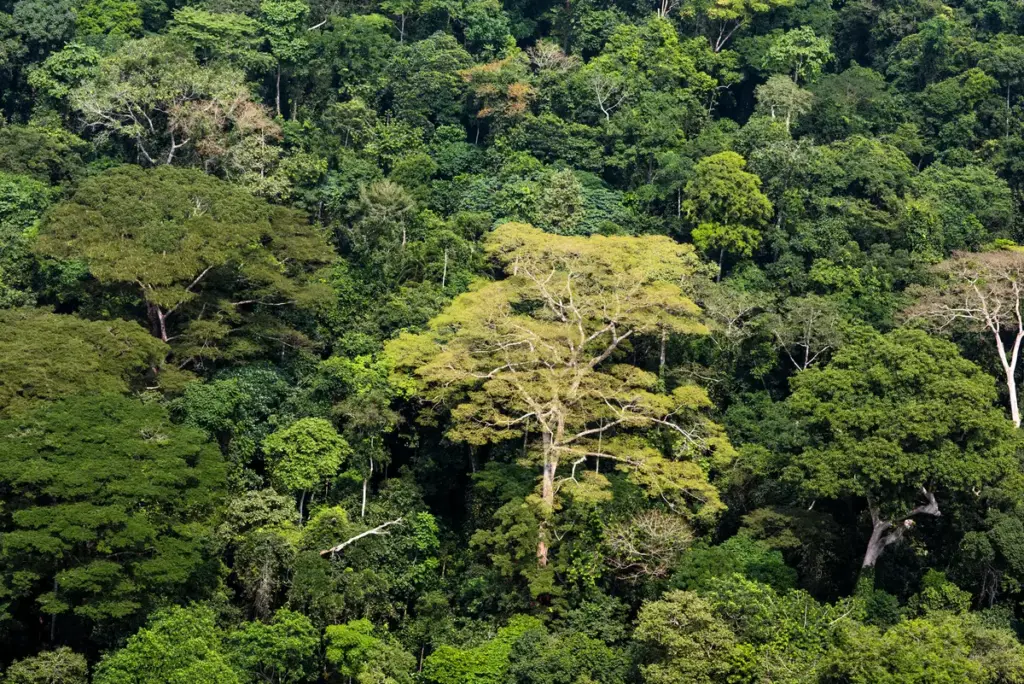
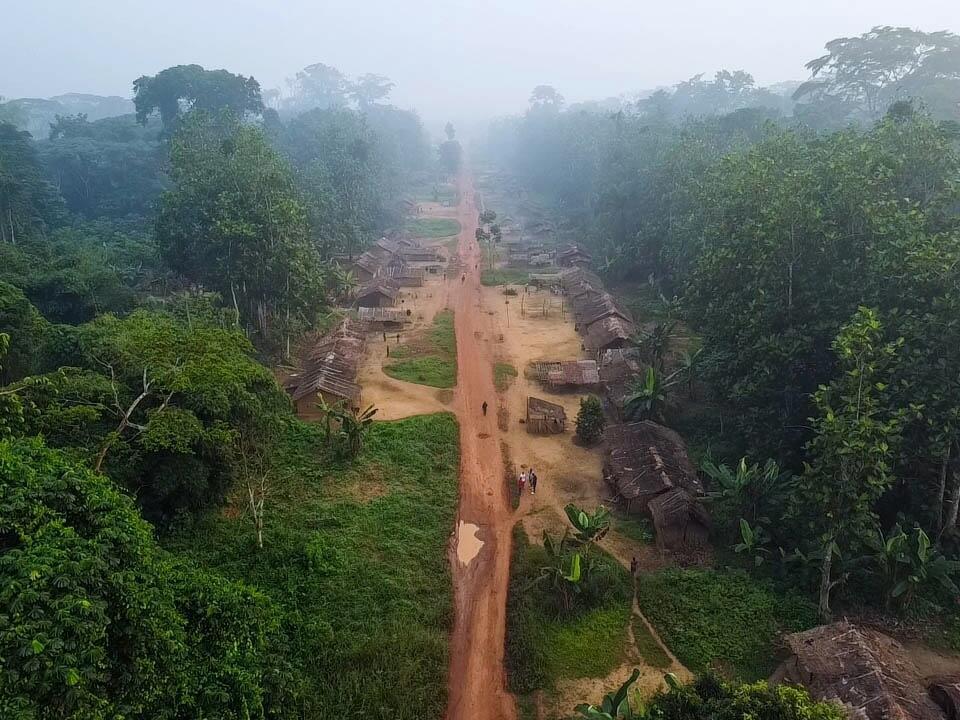
As the sun crests the horizon over Lokolama in the Équateur Province of the Democratic Republic of the Congo (DRC), the forest awakens long before human footsteps disturb the damp earth. Birdsong echoes through the multilayered canopy, while village elders walk familiar, generational forest paths that they have known since childhood. Nearby, barefoot children run freely among towering tropical hardwoods, entirely unaware that across the globe, August marks the international celebration of Indigenous Peoples’ Month.
For the people of Lokolama and neighboring Penzélé, this month is indistinguishable from any other. It is simply another chapter in an unbroken continuum spent alongside the forest—a living entity that feeds, protects, heals, and teaches them how to exist in balance with the natural world.
Yet, for those observing from the outside, the global calendar serves as a stark reminder. It highlights a critical flaw in how the international community perceives and engages with traditional populations. For far too long, Indigenous Peoples have been stereotyped as vulnerable, passive communities requiring external rescue. This narrative ignores a foundational reality: long before modern policy circles coined terms like "climate change," "biodiversity loss," and "nature-based solutions," Indigenous ancestors across Africa and the globe were actively managing and defending these ecosystems. Their core philosophy has always been clear: you do not own the forest; you belong to it.
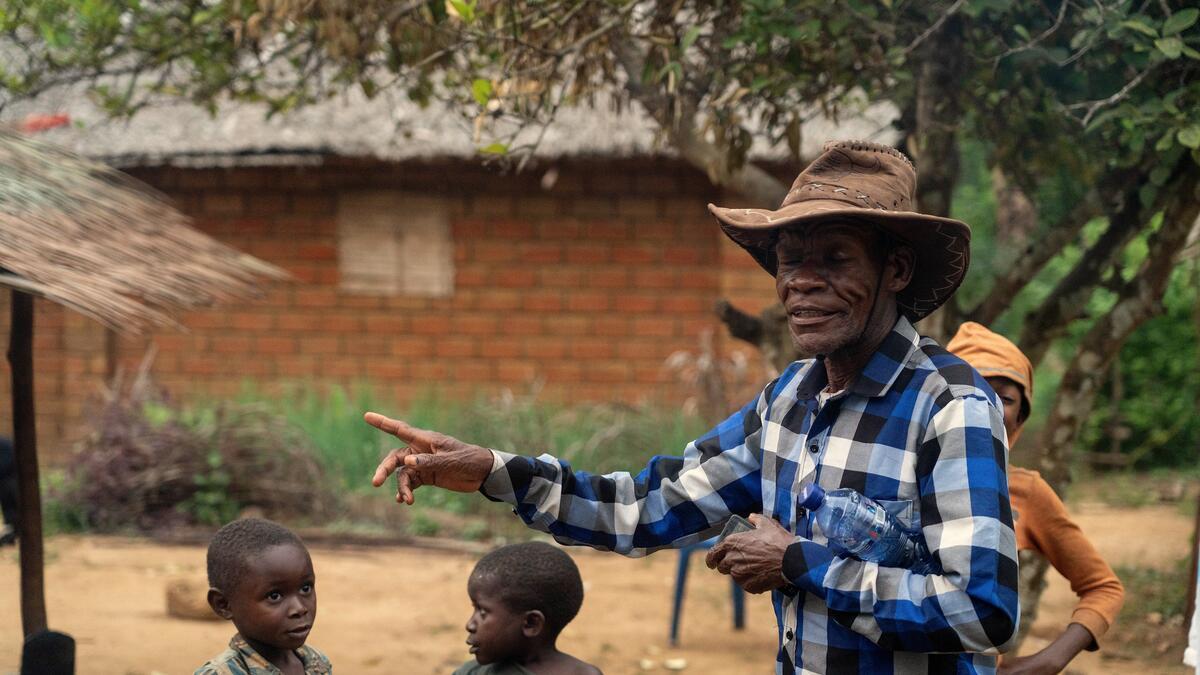
This report examines the intersection of ancestral stewardship, modern scientific discovery, and the urgent demand for inclusive climate governance in the heart of the Congo Basin—the world’s most critical tropical carbon sink.
Detailed Chronology: An Expedition into the Heart of Lokolama
The relationship between the Indigenous communities of the Congo Basin and international environmental movements has evolved significantly over recent years. A pivotal moment in this ongoing dialogue occurred when representatives from Greenpeace Africa journeyed deep into the remote swamps and forests of Lokolama and Penzélé.
Entering the Peatlands
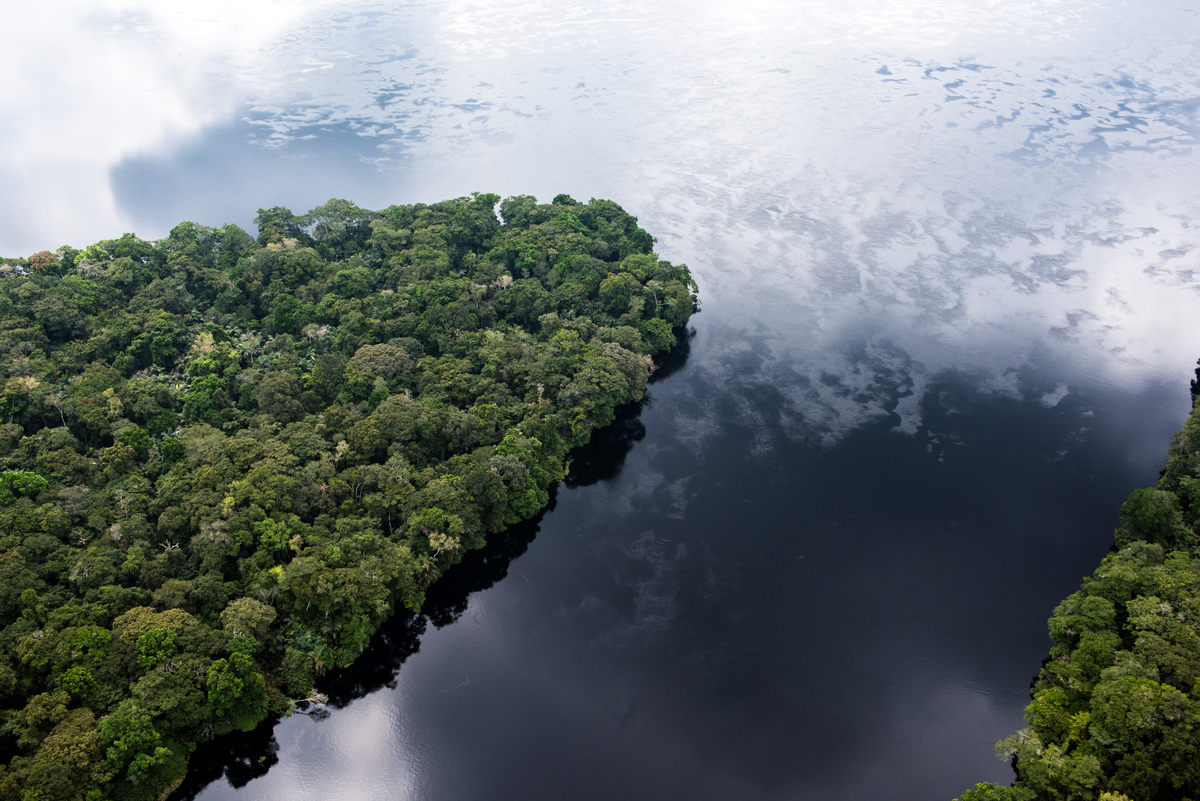
For several days, researchers and Indigenous leaders walked shoulder-to-shoulder beneath towering canopy trees. This expedition was not merely an exploratory trek; it was a collaborative documentation of ground-level realities intersecting with satellite data. Scientists have recently mapped vast peatland areas hidden beneath the swamps of the Congo Basin rainforest—ecosystems of staggering ecological importance.
During these days of shared travel, visitors listened to the oral histories of village elders, engaged with the youth, and learned directly from the women who manage community resource distribution. What emerged from these exchanges was a profound realization: ancestral knowledge is not a static cultural relic, but a dynamic, highly practical toolkit for planetary survival.
The Vision of the Next Generation
A particularly vivid memory from the expedition highlights the psychological and cultural ties these children maintain with their environment. During a community workshop, local children were asked to draw their vision of a "perfect forest."
Not a single child drew an empty landscape. Instead, their canvases depicted towering trees, rivers teeming with fish, bonobos swinging through the branches, vibrant birdlife, and families living in seamless harmony with nature. Their drawings were simple, yet they carried an uncompromising truth: the forest is not a separate economic resource to be exploited; it is home, identity, and future rolled into one.
Healing Past Divisions
The expedition also fostered crucial inter-community dialogues, specifically with the residents of Penzélé. Discussions addressed historical challenges, localized misunderstandings, and land-use tensions. Above all, these conversations cemented a shared determination to build a collective future where the forest serves as a zone of cooperation and peace rather than a source of conflict. In the Congo Basin, protecting the forest requires simultaneously safeguarding the delicate social bonds that tie human communities together.
Supporting Context & Metrics: The Carbon Vault of the Congo Basin
To understand why the voices of Lokolama and Penzélé carry global significance, one must examine the staggering scale of the ecosystem they protect.
Ecological Stakes
- The World’s Carbon Vault: The Congo Basin is the most carbon-rich tropical region on Earth. The vast peatlands discovered beneath the swamps of Équateur Province alone are estimated to store the equivalent of three years’ worth of total global fossil fuel emissions.
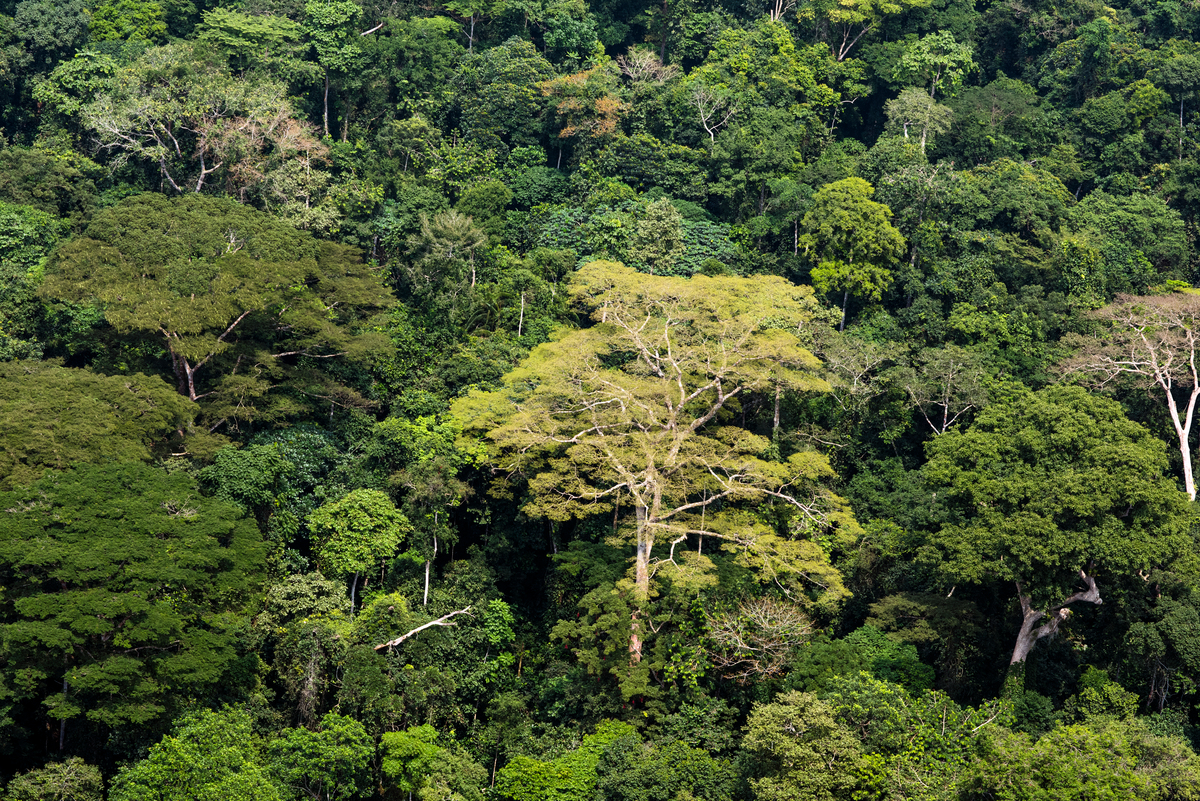
- Biodiversity Hotspot: Serving as the second-largest tropical rainforest in the world, the Congo Basin harbors thousands of endemic plant species, endangered mammals such as forest elephants and bonobos, and intricate freshwater networks that sustain tens of millions of people downstream.
- The Cost of Displacement: Global conservation frameworks have historically relied on "fortress conservation" models—fencing off land and displacing Indigenous populations under the assumption that local communities degrade nature. Empirical data globally consistently proves the opposite: lands managed under Indigenous title boast lower deforestation rates and higher biodiversity than state-run parks or commercial concessions.
The Myth of the "Vulnerable Bystander"
The framing of Indigenous Peoples as helpless victims of climate change undermines their agency. While they certainly face disproportionate threats from climate disruptions, industrial logging, and extractive mining, they are not waiting for handouts. They are the frontline defense system of the biosphere. Their conservation practices—governed by taboo systems, rotational use of forest resources, and deep ecological literacy—have preserved these carbon stocks for millennia without the aid of satellite monitoring or international treaties.
Official Perspectives: Demanding Partnership, Not Paternalism
Today, as international summits deliberate over climate finance mechanisms, carbon credit markets, and biodiversity targets, the fundamental message from Lokolama remains unchanged: The forests of the Congo Basin did not wait for international conferences to be protected.
The Source of Knowledge
Indigenous knowledge is not synthesized from academic texts or laboratory trials. It is calibrated by the rhythm of the seasons, the behavior of migrating wildlife, the rising and falling of river levels, and the ancestral trails passed down through generations. This deep-seated wisdom is executed with humility and respect.
Aspirations for Modernity
Valentin Engobo Mufia, speaking on behalf of the Tshwa Indigenous people, is clear that defending traditional lifestyles is not a rejection of development:
"This does not mean that we reject development. On the contrary, we aspire to quality schools, accessible healthcare, better roads that connect our villages, and economic opportunities for our young people. But we believe that genuine development can never come at the expense of our identity, our ancestral lands, or our rights."
The Demand for Inclusive Governance
For too long, policy decisions regarding Congo Basin concessions and climate funds have been made in distant capital cities—Kinshasa, Brussels, Washington, and Geneva—without the consent or presence of those who live beneath the canopy.
- Partners, Not Observers: Indigenous communities demand full seats at decision-making tables.
- Territorial Rights: True climate justice requires the legal recognition and formal demarcation of Indigenous territories, shielding them from predatory industrial logging and speculative carbon offset schemes that violate free, prior, and informed consent (FPIC).
Future Outlook: A Shared Destiny
As the world confronts cascading ecological crises, the path forward requires a fundamental shift in perspective. The international community must move past tokenistic acknowledgments during Indigenous Peoples’ Month and transition toward structural integration of Indigenous land rights into global climate policy.
The core takeaway from the villages of Lokolama and Penzélé is direct: The world must stop talking about Indigenous Peoples and start listening to them.
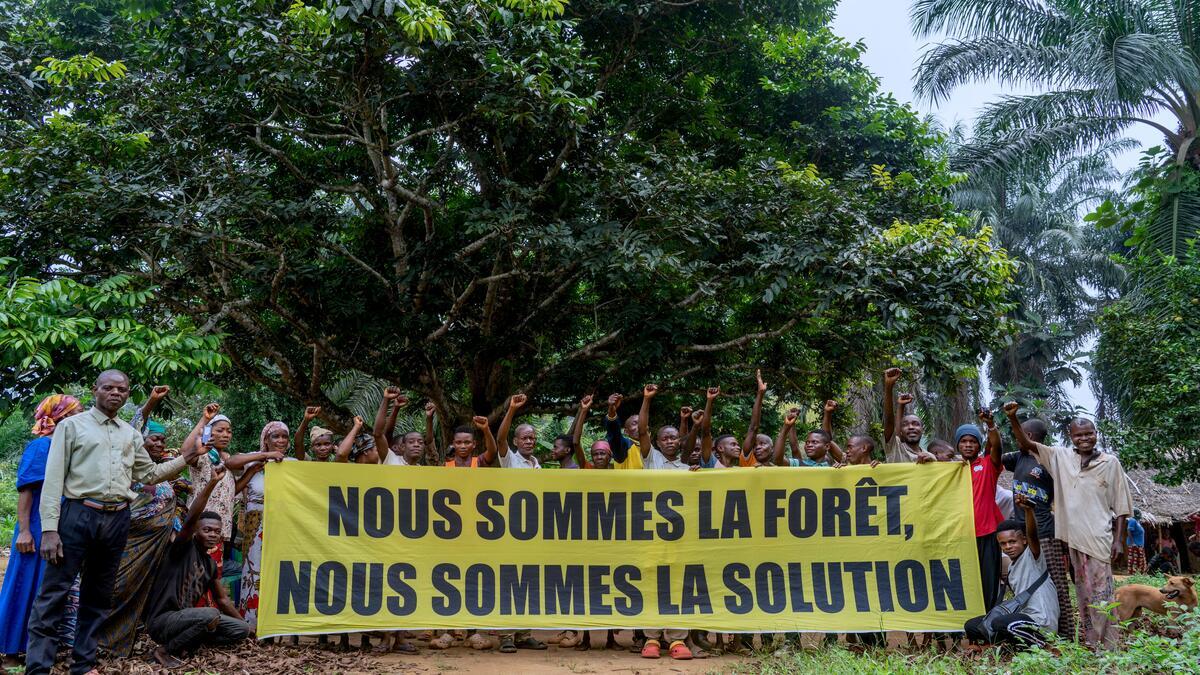
Behind every voice rising from the Congo Basin lies actionable knowledge, sophisticated ecological management strategies, and an ethical framework that humanity desperately needs. The shared future of the planet depends entirely on the ability to protect the world’s remaining ancient forests—and that protection must begin by respecting, empowering, and resourcing the guardians who have safely sheltered them since time immemorial.
We are Indigenous Peoples. We are not relics of the past. We are an indispensable pillar of the future of the Congo Basin and the Earth. As long as the forest continues to breathe, we will continue walking beside it.