Executive Overview
An environmental catastrophe is rapidly unfolding in the pristine waters of the Arabian Sea. According to urgent new satellite imagery analysis released by Greenpeace Germany, the oil leakage from the stranded Russian shadow fleet tanker Caroline Bezengi has accelerated exponentially. Grounded within Oman’s ecologically vital Al Hallaniyat archipelago, the deteriorating vessel is now estimated to have polluted roughly 600 square kilometres of marine and coastal environment. This staggering figure represents a fourfold expansion of the oil slick over a mere 48-hour window, sounding alarm bells among international marine experts, environmental organizations, and regional authorities.
The Caroline Bezengi—a nearly fully loaded vessel carrying an estimated 800,000 barrels of crude oil—ran aground in June following a suspected limpet mine attack that catastrophically flooded its engine room. Since then, the ship has evolved into a floating hazard within a protected marine sanctuary. Compounding the physical danger is a labyrinth of legal and regulatory obscurity: the vessel lost its flag registration in Cameroon on May 29, leaving it officially listed as "flag unknown" by the International Maritime Organisation (IMO). Furthermore, the ship lacks backing from any recognized Protection and Indemnity (P&I) club, relying instead on an opaque and obscure Kyrgyz entity known as Arsenal Kyrgystan.
With no responsive owner, no legitimate flag state accountability, and deeply questionable insurance coverage, the burden of this escalating disaster threatens to fall squarely on the shoulders of Omani authorities and local coastal communities. Greenpeace is urgently calling for immediate, high-level regional intervention, containment measures, and international assistance before the fragile marine ecosystems of the Hallaniyat Islands suffer irreversible, generational damage.
Detailed Chronology: The Escalation of the Caroline Bezengi Crisis
The trajectory of the Caroline Bezengi disaster is marked by a series of geopolitical vulnerabilities, security failures, and a rapidly worsening physical crisis. To understand the gravity of the current situation, it is necessary to trace the chronology of the vessel’s plight and the aggressive expansion of the oil slick.
The Attack and Initial Grounding (June 2024)
The chain of events leading to the environmental emergency began in June, when the Caroline Bezengi—utilizing the deceptive tactics characteristic of the illicit Russian "shadow fleet"—navigated Middle Eastern waters. According to intelligence reports, the vessel was targeted in a suspected limpet mine attack. The explosion breached the hull and resulted in the severe flooding of the ship’s engine room, crippling its propulsion and steering capabilities.
Disabled and vulnerable, the tanker drifted before ultimately running aground near Al Qibliyah Island, an uninhabited jewel within the Al Hallaniyat archipelago off the coast of Oman. The vessel settled inside a designated marine protected area, resting precariously close to shore while heavily laden with approximately 800,000 barrels of crude oil. Initial reports indicated minor seepage, but the remote and challenging location of the grounding severely hampered immediate salvage and containment efforts.
The Exponential Spread: July to August Timeline
For weeks, the structural integrity of the stranded tanker has been silently deteriorating under the relentless battering of regional sea currents and environmental exposure. Satellite monitoring coordinated by the Greenpeace Global Mapping Hub has documented the alarming acceleration of the leak:
- Up to July 26: Satellite telemetry indicated that the initial oil spill was contained or dispersed across a relatively localized area of approximately 45 square kilometres. While already concerning, this footprint was manageable with rapid deployment of specialized containment booms and skimmers.
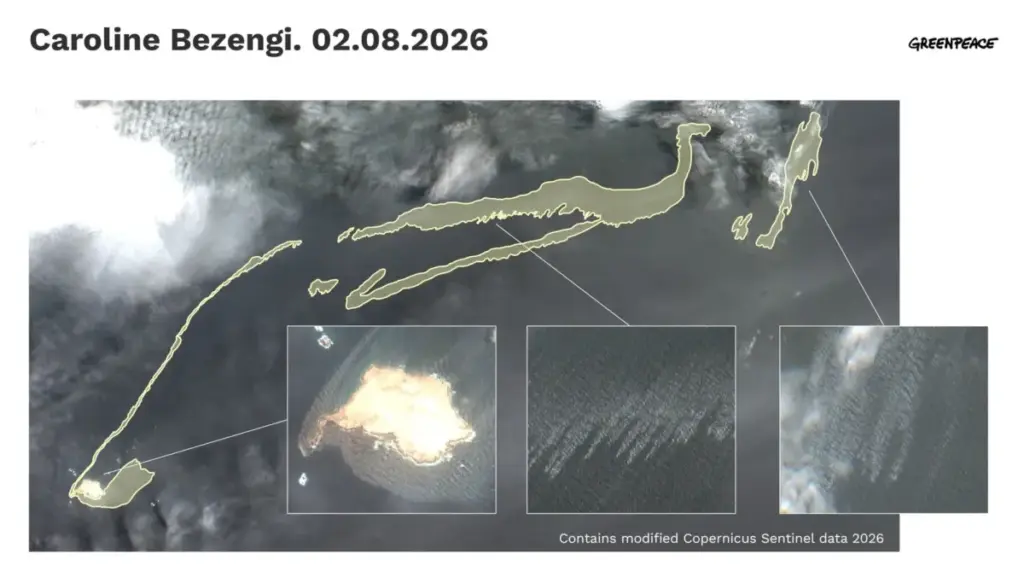
- August 2: Imagery captured at the beginning of August revealed a dramatic worsening of the situation. The oil slick had more than tripled in size, expanding across an estimated 150 square kilometres of open water and coastal approaches.
- August 4: The latest analysis paints a terrifying picture of structural failure. Satellite data from August 4 shows that the oil slick has exploded to cover roughly 600 square kilometres—representing a devastating fourfold expansion in just two days.
Nina Noelle, an international environmental disaster expert at Greenpeace Germany, emphasized the scientific implications of this timeline: "This is a drastic increase, indicating a deterioration of the vessel’s condition. Satellite imagery analysis suggests that the oil spill covered 45 square kilometres up until 26 July. By 2 August it had expanded to around 150 square kilometres, and imagery from 4 August indicates that it now extends across roughly 600 square kilometres."
Large stretches of Al Qibliyah Island’s pristine shoreline have already been visibly contaminated, while extensive, shifting oil slicks stretch far out to sea, threatening to turn a localized grounding into an open-ocean catastrophe.
Supporting Context & Metrics: The Threat to a Biodiversity Hotspot
The environmental stakes in the Al Hallaniyat archipelago could hardly be higher. The islands and their surrounding waters constitute a biodiversity hotspot of global significance, hosting vulnerable marine species, rare mammals, and critical nesting grounds.
Fragile Ecosystems Under Siege
The marine landscape surrounding Al Qibliyah Island is characterized by delicate and interconnected habitats that provide the foundation for regional marine life:
- Coral Reefs: Vibrant reef systems surround the archipelago, acting as nurseries for fish populations and sustaining complex marine food webs. Oil contamination can smother coral polyps, halting photosynthesis and causing widespread reef bleaching and mortality.
- Seagrass Meadows: Vital for sequestering carbon and providing feeding grounds for dugongs and sea turtles, these shallow-water ecosystems are highly sensitive to petroleum hydrocarbons.
- Coastal Habitats: Sandy beaches and rocky intertidal zones serve as crucial transition areas that are easily fouled by heavy crude oil, suffocating benthic organisms and disrupting littoral food chains.
Iconic and Endangered Fauna at Risk
Hanen Keskes, a campaigner at Greenpeace MENA, underscored the long-term ecological fallout: "Even relatively small oil spills can have long-lasting consequences for marine ecosystems with chemical residues that persist in marine sediments for years, compromising their ecological resilience."
The cascading effects of the 600-square-kilometre slick threaten several iconic and endangered species that rely on the Hallaniyat Islands for survival:
- Sea Turtles: The sandy beaches of the archipelago are vital nesting and egg-laying sites for endangered sea turtle populations, including green and loggerhead turtles. Fresh oil contamination on nesting beaches can prove fatal to nesting females and emerging hatchlings alike.
- Migratory Seabirds: The islands serve as critical breeding, roosting, and migration stopover sites for numerous seabird species. Floating oil destroys the waterproofing of feathers, leading to hypothermia, drowning, or fatal ingestion during preening.
- Marine Mammals and Cetaceans: The surrounding waters of the Arabian Sea are famously home to the rare and genetically distinct Arabian Sea humpback whale—an endangered subpopulation numbering only a few hundred individuals. Industrial pollutants and thick oil slicks pose an acute, existential threat to these vulnerable marine mammals through inhalation of toxic vapors and ingestion of contaminated prey.
Official Statements and Regulatory Vacuum
The unfolding disaster aboard the Caroline Bezengi is not an isolated shipping accident; it is the direct symptom of a systemic global threat: the proliferation of the Russian "shadow fleet."
The Anatomy of the Shadow Fleet
In the wake of international economic sanctions imposed following Russia’s invasion of Ukraine, Moscow has increasingly relied on an opaque network of aging, poorly maintained, and underinsured tankers to transport its oil to global markets. These vessels—often referred to as the shadow fleet—routinely operate outside standard maritime compliance frameworks, switching off transponders, conducting risky ship-to-ship transfers in international waters, and utilizing flag-of-convenience registries that offer zero regulatory oversight.
The Caroline Bezengi exemplifies this reckless model. Originally operating within traditional commercial channels, the tanker lost its flag registration in Cameroon on May 29. Since that date, it has been officially listed as "flag unknown" by the International Maritime Organisation, effectively making it a stateless vessel operating in a legal vacuum.
Insurance and Accountability Deficit
Compounding the regulatory nightmare is the question of financial liability. According to information obtained via Freedom of Information requests to the Danish Marine Authority (DMA) by Greenpeace Nordic, the Caroline Bezengi is not insured by any recognized Protection and Indemnity (P&I) club—the mutual insurance associations that traditionally cover third-party liability, including massive environmental cleanups and wreck removal.
Instead, the vessel has been linked to an opaque, little-known entity called Arsenal Kyrgystan, reportedly based in the Kyrgyz Republic. Maritime experts have raised profound doubts regarding the legitimacy, solvency, and operational capacity of this alleged insurer. It remains entirely unclear whether this cover is valid, let alone whether it will release sufficient funds to cover the astronomical costs of emergency containment, environmental remediation, ecological restoration, and compensation for local Omani communities.
Without an accountable owner, a responsible flag state, or transparent, robust insurance, Oman and affected local stakeholders face the grim prospect of absorbing the full financial and ecological cost of a disaster they did nothing to create. Local authorities in Oman reportedly attempted to order the Shanghai-based owner of the vessel to take corrective action, but were met with total silence.
Future Outlook and Urgent Recommendations
With the Caroline Bezengi leaking oil at an accelerating pace from a difficult and remote location, the threat of an unprecedented ecological collapse is imminent. Experts warn that if the vessel’s structural integrity fails entirely—releasing its remaining hundreds of thousands of barrels of crude oil into the Arabian Sea—the consequences for regional fisheries, tourism, and coastal ecosystems would be catastrophic and generational.
The Greenpeace Action Plan
Greenpeace is urging immediate, decisive intervention from Omani authorities, regional bodies, and the international community. The environmental organization has outlined a clear framework of urgent steps required to mitigate the disaster:
- Immediate Containment and Lightering: Regional and national authorities must urgently mobilize specialized salvage teams to assess all remaining options for containing the spreading slick, deploying protective booms, and safely offloading ("lightering") the remaining cargo of crude oil from the compromised hull of the Caroline Bezengi.
- Request for International Assistance: Recognizing the immense technical and logistical challenges posed by the vessel’s remote location and stateless status, the Omani government should immediately request international assistance. Access to specialized equipment, high-grade containment gear, and technical expertise from global maritime and disaster response agencies is critical.
- Comprehensive Ecological Assessment: An independent, transparent scientific assessment must be commissioned immediately to evaluate the full extent of the ecological damage across Al Qibliyah Island, surrounding coral reefs, and marine habitats, ensuring long-term monitoring and recovery planning.
- Holding Shadow Fleet Operators Accountable: The crisis underscores the urgent global necessity to crack down on the Russian shadow fleet. Coastal nations and international regulatory bodies must tighten enforcement against substandard, stateless, and underinsured tankers that use geopolitical loopholes to trade fossil fuels at the direct expense of the world’s oceans.
As satellite images continue to track the expanding dark stain across the pristine blue waters of the Al Hallaniyat archipelago, the window for effective intervention is rapidly closing. The international community must act before the Caroline Bezengi transforms from a warning symbol of shadow-fleet recklessness into a permanent ecological scar on the coast of Oman.