Executive Overview
The European summer of 2026 will long be remembered as a pivotal stress test for the continent’s critical infrastructure. Record-shattering heat waves baked the region, culminating in the hottest June on record for Western Europe. Simultaneously, a severe and pervasive drought—one that scientists suggest may be deeply intertwined with the atmospheric blocking patterns causing the heat—shriveled rivers to historic lows.
This dual-pronged climate crisis placed unprecedented pressure on public health and fundamentally disrupted Europe’s energy system. Traditional thermal power plants—comprising nuclear, natural gas, and coal generation—were forced to drastically curtail output as vital waterways warmed and dried, depleting the cooling water essential for their operations. Simultaneously, stagnant meteorological conditions hobbled wind power generation.
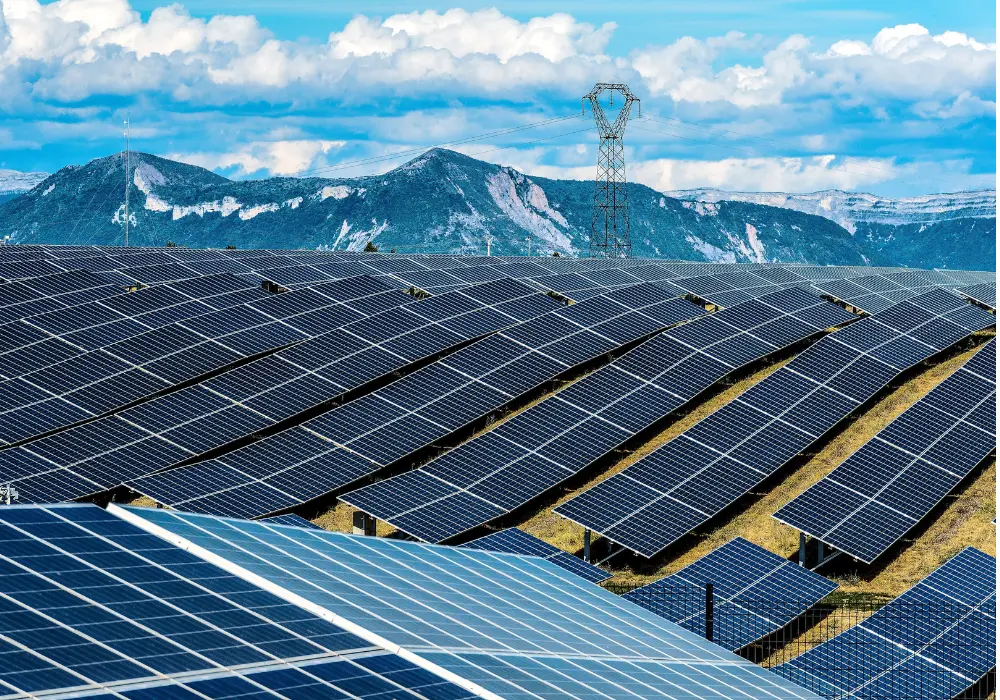
Yet, amid this energy squeeze, solar power emerged as a singular, shining success story. Proving to be the only major energy source that reliably outperformed historical baselines during the heat waves, solar generation—bolstered by rapidly scaling battery storage systems—stepped into the breach. It supplied critical electricity to power millions of air conditioning units under historic thermal conditions.
As climate change accelerates the frequency and severity of these events—making occurrences like the June heat dome roughly 200 times more likely today than in a pre-industrial baseline climate—Europe finds itself at a historical crossroads. With domestic cooling demand poised to surge from historically low baselines, policymakers, utilities, and energy analysts are viewing this summer not as an anomaly, but as a blueprint for the future transformation of the European grid.
Detailed Chronology: A Summer of Cascading Energy Crises
The breakdown of Europe’s summer energy stability began in earnest with the onset of unprecedented atmospheric conditions in late spring, cascading through June and July into a complex series of systemic failures and resilience triumphs.
The Late-June Heat Dome and Immediate Grid Shock
By the final week of June, an entrenched heat dome settled over Western Europe. The meteorological phenomenon trapped stagnant, superheated air across the continent, driving temperatures well past historical thresholds. According to data compiled by the energy think tank Ember, this sudden thermal spike triggered immediate surges in electricity demand.
In Italy, power demand spiked by a staggering 28 percent compared to the preceding week as homes and businesses grappled with the ambient heat. In France, power demand rose by 14 percent over the same timeframe. As millions of citizens powered on portable and central air conditioning units, electricity and natural gas spot prices climbed precipitously, particularly during the evening hours when demand remained stubbornly high even as solar generation waned. Energy markets experienced volatility not seen since the height of the 2022 and 2023 winter gas crises, which were precipitated by Russia’s invasion of Ukraine.
The Mid-Summer Pinch: Declining Thermal and Wind Output
While demand curves climbed, the physical capacity of Europe’s generation fleet began to contract. In the United Kingdom, five major natural gas-fired power plants were forced to collectively reduce their output by 2.5 gigawatts. The culprit was environmental: ambient air and cooling-water temperatures had risen to levels that severely degraded the thermal efficiency and cooling effectiveness of the plants’ steam condensers.
Compounding the problem, the stagnant weather patterns responsible for the heat dome also crippled wind generation. Low wind speeds halved the United Kingdom’s typical wind farm generation output during the month of June, highlighting the vulnerabilities of relying on unassisted intermittent renewables during prolonged blocking weather patterns.
The July Hydrological Crunch and Nuclear Curtailments
As July progressed, the compounding effects of the drought intensified. England and Wales recorded their driest July in history, while major continental waterways, most notably the Danube River in Central and Eastern Europe, plunged to record lows. The receding waters laid bare historical artifacts, including World War II shipwrecks and prehistoric remains, but more critically, they severely restricted industrial and energy operations.
Europe’s hydropower production plummeted to its lowest July level in a decade. Concurrently, nuclear power plants—which rely heavily on large volumes of river water for cooling—faced severe regulatory and environmental curbs. In France, which derives a massive share of its electricity from nuclear energy, mid-July generation dropped by 18 percent due to environmental factors.
French nuclear facilities pull water from natural rivers, use it to condense steam in secondary loops, and discharge it back into the waterways at elevated temperatures. French environmental law strictly caps the temperature of discharged water to protect local aquatic ecosystems. When river intake temperatures are already exceptionally high due to heat waves and low flows, plants must curtail their power output to remain compliant with thermal discharge limits. This dynamic has turned summertime nuclear outages into a recurring vulnerability for France’s grid.
Supporting Context & Metrics: The Anatomy of a Stressed Grid
To fully grasp the magnitude of the 2026 summer crisis, one must examine the underlying statistical metrics regarding climate probability, energy pricing, and demographic infrastructure baselines.
Climate Attribution and Probability
Scientific analyses conducted in the wake of the June heat wave underscored the fingerprints of anthropogenic climate change. Researchers utilizing rapid-attribution methodologies found that the intensity of the Western European heat dome was roughly 200 times more likely in today’s fossil-fuel-warmed climate than it would have been at the turn of the 21st century. As greenhouse gas concentrations continue to rise, the atmospheric conditions driving these events are becoming the new baseline.
The Cooling Gap and Demographic Shifts
A critical metric underlying Europe’s escalating power demand is its historical lack of widespread air conditioning. Unlike the United States, where approximately 90 percent of households enjoy access to residential air conditioning, European adoption rates have traditionally been low due to more temperate historical climates.
- Italy: ~50% of households have air conditioning.
- Spain: ~50% of households have air conditioning.
- France: ~25% of households have air conditioning.
- Continental Average: Only about 23 percent of European households currently have access to or regularly use air conditioning.
This low penetration rate means that Europe’s electricity grid has not historically been engineered to handle a continent-wide surge in residential cooling loads. However, cultural and political attitudes are shifting rapidly. Marine Tondelier, national secretary of the French Ecologist Party, acknowledged this reality, noting that air conditioning has transitioned from an unnecessary luxury or environmental hazard to an indispensable public health tool.
Solar and Battery Resilience Metrics
Amidst systemic failures in gas, wind, hydro, and nuclear sectors, solar power stood out as a reliable anchor. European solar panels produced 17 percent more power during the peak summer heat waves than their seasonal norms, buoyed by the cloudless, high-insolation skies that accompanied the heat domes.
To bridge the gap between peak daytime generation and evening demand, battery storage infrastructure played an indispensable stabilizing role. Driven by a fast-moving energy transition, Europe’s battery installations surged in 2025—marking the twelfth consecutive year of record growth—with 36 gigawatt-hours (GWh) of new capacity installed, representing a 48 percent increase over the previous year’s additions.
Official Statements and Industry Perspectives
Key figures from the energy sector, regulatory bodies, and environmental policy spheres have offered stark assessments of the crisis and its long-term implications for the European energy landscape.
"The next challenge is the evening period. Temperatures often remain high after sunset and AC demand can stay elevated, even as solar production declines. This is why battery storage is becoming such an important part of the energy transition."
— Walburga Hemetsberger, CEO of SolarPower Europe
Hemetsberger’s assessment points to the diurnal mismatch that characterizes modern heat waves: while solar output peaks in the early afternoon, thermal mass retains heat well into the evening and night, driving prolonged demand spikes long after photovoltaic panels cease generating power.
"Extreme price spikes during heatwaves are a blaring signal for regulatory changes that increase power system flexibility. Treating this summer as a turning point for energy storage would be an opportunity to remove existing barriers."
— Beatrice Petrovich, Senior Energy Analyst (Europe), Ember
Petrovich emphasizes that the market volatility observed this summer—characterized by severe evening price spikes—should serve as a clear regulatory catalyst. Streamlining the deployment of flexible resources, particularly utility-scale and distributed battery storage, is no longer optional; it is an economic and operational imperative.
"There are places where we just can’t do without it now."
— Marine Tondelier, National Secretary, French Ecologist Party
Tondelier’s pragmatic pivot reflects a broader socio-political recognition across Europe. Environmental groups that once resisted the proliferation of energy-intensive air conditioning systems are confronting the deadly realities of urban heat islands and vulnerable aging populations, accepting that adaptive cooling is a necessary adaptation strategy.
Future Outlook: Adapting Europe’s Grid for a Warming World
As Europe looks beyond the immediate aftermath of this historic summer, energy planners and policymakers are mobilizing capital and rewriting operational frameworks to harden the grid against future extremes.
Industrial Adaptation and Capital Expenditure
France’s state-owned utility has announced a multi-billion-dollar investment program—committing over $10 billion over the next 15 years—to climate-proof its nuclear and hydropower assets. This capital expenditure plan includes engineering interventions such as closed-circuit cooling towers and advanced water-chilling systems designed to cool discharged water before it re-enters river ecosystems, ensuring compliance with strict environmental standards even during prolonged droughts.
Simultaneously, grid operators are facing mounting pressure to accommodate simultaneous demand surges from emerging technological sectors, notably the rapid expansion of power-hungry data centers powering artificial intelligence infrastructure.
The Regulatory Imperative for Storage and Flexibility
Industry groups and analysts agree that technological solutions exist, but regulatory bottlenecks continue to slow their deployment. Removing archaic permitting barriers, incentivizing hybrid solar-plus-storage power purchase agreements (PPAs), and reforming wholesale electricity market designs to reward fast-responding capacity are top priorities for European regulators.
The summer of 2026 has served as an uncompromising rehearsal for the future. By laying bare the vulnerabilities of thermal and wind generation under extreme weather conditions, while simultaneously validating the scalability of solar and battery assets, the crisis has provided a definitive roadmap. If Europe is to successfully navigate an increasingly volatile climate, the lessons of this summer must be translated into aggressive, forward-thinking infrastructure investments before the next heat dome forms.