For millions of enthusiasts, gardening is more than a seasonal pastime; it is a therapeutic ritual, an outdoor sanctuary, and a rigorous form of physical exercise. However, beneath the tranquility of blooming flower beds, meticulously manicured lawns, and bountiful vegetable patches lies a demanding physical reality. The repetitive motions of digging, kneeling on hard soil, lifting heavy compost bags, hauling timber, and bending over garden borders for hours on end place an extraordinary amount of mechanical stress on human joints.
As peak growing seasons arrive and long weekends are dedicated to extensive landscaping and planting projects, many gardeners find themselves trading their morning energy for lingering stiffness, joint fatigue, and reduced mobility. Over time, the wear and tear inherent to active gardening can take a measurable toll on cartilage, tendons, and connective tissues. To counteract these effects, a growing segment of the gardening community is looking beyond traditional physical therapy and ergonomics, integrating specialized joint health supplements into their daily wellness routines.
Designed to support mobility, flexibility, and everyday physical comfort, modern formulations ranging from classic glucosamine and chondroitin to advanced collagen peptides and omega-3 fatty acids have become vital tools for maintaining an active lifestyle. To help gardeners navigate this burgeoning market, trusted global wellness platforms like iHerb provide centralized access to a vast array of trusted brands, allowing consumers to easily compare ingredients, potencies, and specialized formulas all in one place.
Detailed Chronology: From Seasonal Strain to Modern Supplementation
Understanding how gardening evolved from a simple domestic chore into a recognized athletic pursuit—and how joint supplementation became its natural counterpart—requires looking at the historical shift in how society approaches physical longevity and preventative health.
Phase One: The Rise of Domestic Horticulture (Late 20th Century)
In the latter decades of the 20th century, gardening transitioned from a purely subsistence-based agricultural necessity to a mainstream leisure activity. As suburban developments expanded and homeownership rates climbed, backyard landscaping became a primary source of moderate physical activity, particularly for aging populations seeking low-impact ways to stay active outdoors.
Phase Two: Recognizing the Biomechanical Impact (Early 2000s)
As sports science and kinesiology began examining everyday activities, researchers noted that gardening mimics many movements found in heavy labor and athletics. Bending the spine, pivoting on knees, and lifting asymmetrical loads (such as 25-kilogram bags of topsoil or damp mulch) subject the lumbar spine, knees, hips, and hands to high-frequency stress. Without adequate conditioning, the micro-trauma accumulated during long weekend gardening sessions leads to localized inflammation and synovial joint fatigue.
Phase Three: The Nutraceutical Revolution (2010s–Present)
Parallel to the fitness boom, the nutraceutical industry experienced exponential growth. Ingredients traditionally reserved for high-performance athletes—such as hydrolyzed marine collagen, MSM (methylsulfonylmethane), and specialized botanical extracts like Boswellia—crossed over into the mainstream. Gardeners seeking sustainable ways to protect their joints began looking toward targeted dietary supplements. Today, online marketplaces like iHerb curate comprehensive selections of these science-backed compounds, empowering individuals to proactively manage their joint health and extend their active gardening years.
Supporting Context & Metrics: The Science of Joint Stress and Nutritional Support
To fully appreciate the role of supplements in a gardener’s routine, one must examine the biomechanical forces at play and the specific biochemical functions of targeted ingredients.
The Biomechanics of Gardening
Every time a gardener kneels to weed a patch of pansies or heaves a watering can, their joints absorb multiple times their body weight in force.
The Knees: Kneeling places direct pressure on the patella and compresses the meniscal cartilage, especially when performed on hard ground without padding.
The Lumbar Spine: Bending at the waist rather than the knees while lifting soil creates a massive moment arm, translating into high shear stress on the lower vertebrae and surrounding ligaments.
The Hands and Wrists: Repetitive pruning, gripping shears, and pulling stubborn roots test the small joints of the fingers and wrists, frequently resulting in morning stiffness.
Key Ingredients for Joint Health and Mobility
When selecting supplements from trusted providers, understanding what each ingredient does is essential for tailoring a routine to specific physical demands:
Glucosamine and Chondroitin Sulphate: Natural components of cartilage, these compounds are widely used to support cartilage and joint structure. They help maintain the viscoelastic properties of joint fluid and cushion bones during movement.
MSM (Methylsulfonylmethane): An organic sulfur compound frequently paired with glucosamine and chondroitin to support mobility and flexibility, aiding in tissue recovery after strenuous physical exertion.
Collagen Peptides (Types I, II, and Marine): As the most abundant protein in the body, collagen is a foundational building block for connective tissues, skin, bones, muscles, and ligaments. Hydrolyzed collagen powders and specialized formulas (like NT2 Collagen) help support comfortable movement and cartilage integrity.
Omega-3 Fatty Acids (EPA and DHA): Sourced from high-grade fish oils, omega-3s contribute to normal heart function and are a staple in general wellness and mobility routines.
Botanical Extracts (Turmeric and Boswellia): Plant-based compounds increasingly incorporated into multi-ingredient sport joint formulas to support overall joint comfort and recovery.
Spotlight on Top Joint Health Supplements Available at iHerb
Navigating the vast selection of wellness products can be daunting. Below is an overview of top-tier formulations available through iHerb, tailored to various gardening needs and lifestyles:
1. Thorne Glucosamine and Chondroitin Sulphate
Best For: Everyday support for active gardeners.
Overview: Combining two of the most trusted structural ingredients into a streamlined daily capsule, this formula helps maintain cartilage health and joint flexibility during regular movement.
2. 21st Century Glucosamine Chondroitin Complex Plus MSM
Best For: Combating stiffness after long days outdoors.
Overview: A triple-strength blend featuring glucosamine, chondroitin, and MSM, designed to ease the transition from heavy garden tasks to relaxed evenings.
Best For: Supporting advanced flexibility and mobility.
Overview: Formulated with NT2 Collagen and ApresFlex, this advanced blend targets connective tissue resilience for those tackling repetitive landscaping tasks.
Overview: Incorporating MSM, glucosamine, chondroitin, turmeric, and boswellia, this broad-spectrum veggie capsule formula is ideal for multi-tasking gardeners.
Overview: Offered in a large-format bottle, this reliable supplement provides sustained nutritional backing for connective tissue throughout the peak growing season.
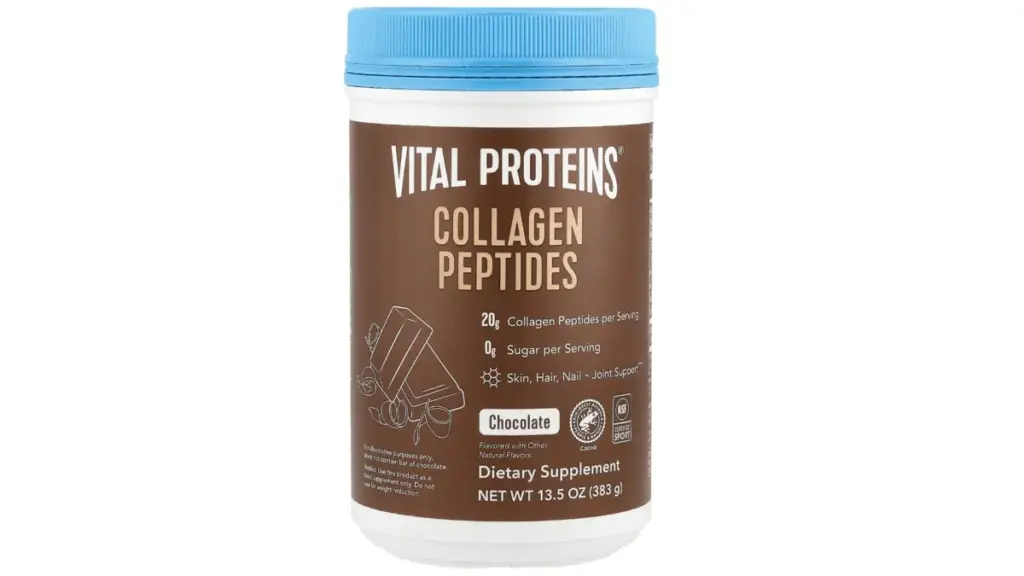
Overview: A chocolate-flavored powder easily mixed into smoothies or morning drinks, providing essential amino acids to support skin, hair, nails, bones, joints, and ligaments.
Best For: Supporting connective tissue and structural flexibility.
Overview: Features hydrolyzed marine peptides boosted with hyaluronic acid and vitamin C, which assists in normal collagen formation for healthy cartilage.
Long weekends in the garden can take a physical toll, leaving joints feeling stiff and fatigued. Equipping your body with the right nutritional support helps maintain mobility and everyday comfort so you can keep planting, pruning, and pottering all season long.
Exclusive Offer: Save up to 30% on selected joint health supplements at iHerb.
Promo Code: Use code IHERB30 at checkout.
Terms and conditions apply. Offer subject to availability and exclusions. Visit the iHerb website for full details.
Future Outlook: Sustainable Longevity in the Garden
As demographics shift and aging populations increasingly embrace active hobbies, the intersection of horticulture and preventive healthcare will only deepen. The future of gardening is not merely about ergonomic tools and knee pads; it involves a holistic, biochemical approach to physical resilience.
Nutritional science will continue to refine how we protect our joints, moving toward personalized supplement regimens tailored to individual activity levels and genetic markers. Platforms like iHerb are at the forefront of this movement, democratizing access to global wellness innovations and making it simpler than ever for green-thumbed enthusiasts to invest in their long-term mobility. By pairing smart gardening habits—such as taking frequent breaks, utilizing raised beds, and practicing proper lifting mechanics—with targeted nutritional supplementation, gardeners can ensure their passion remains a lifelong, pain-free joy.
Health Disclaimer: This article is for informational purposes only and should not be construed as professional medical advice, diagnosis, or treatment. Always consult a qualified healthcare professional before beginning any new supplement regimen.
Partnership Disclosure: This is a sponsored article produced in collaboration with iHerb. iHerb is fully ASA-regulated.