The modern paradigm of healthcare is undergoing a profound, overdue metamorphosis. For decades, conventional medicine has treated chronic illnesses downstream, relying heavily on pharmaceutical interventions to manage symptoms of conditions largely driven by lifestyle and diet. Today, however, a vanguard of forward-thinking physicians, researchers, and agricultural scientists are moving upstream. They are adopting a revolutionary framework: regenerative healthcare.
This emerging discipline connects the vitality of the earth directly to human biology, asserting that true wellness begins in the soil. Pioneered by institutions like the Rodale Institute, regenerative healthcare goes beyond simply advising patients to eat more vegetables. It treats a wide spectrum of chronic ailments and systemic diseases by prescribing chemical-free, nutrient-dense foods grown through regenerative organic agriculture.
The urgency of this shift cannot be overstated. Driven by a relentless industrial food system that prioritizes crop volume over nutritional integrity, the United States is facing intersecting crises of skyrocketing obesity, metabolic disease, and nutritional deficiency. By recognizing that ultra-processed foods are silently fueling a public health catastrophe, regenerative healthcare offers a vital blueprint for disease prevention and reversal. This movement is not merely a dietary trend; it is a fundamental redesign of how food, agriculture, and medicine intersect to secure human longevity.
Detailed Chronology: The Evolution of Modern Agriculture and the Rise of Food as Medicine
To understand how we arrived at an era where doctors must prescribe basic sustenance, we must examine the historical divergence between industrial agriculture and human health.
The Mid-20th Century Shift (1950s–1990s)
The roots of our current nutritional deficit trace back to the post-World War II agricultural boom. During this period, farming shifted from a localized, biological art to a chemical-heavy, industrial science. The deployment of synthetic fertilizers, pesticides, and mono-cropping vastly multiplied grain yields—specifically corn, soybeans, and wheat.
However, an exhaustive U.S. Department of Agriculture (USDA) nutrient content analysis tracking 43 crops between 1950 and 1999 revealed an unintended casualty of this industrial triumph: nutrient dilution. As grain yields more than doubled, the concentrations of essential minerals and vitamins—notably protein, calcium, iron, riboflavin, and vitamin C—declined significantly across the board. The industrial model traded the qualitative depth of food for sheer quantitative volume.
The Rise of the Ultra-Processed Era (Late 20th Century–Present)
As massive surpluses of cheap, industrially farmed corn, soybeans, and wheat flooded the market, food manufacturers transformed them into raw materials for the ultra-processed food system. These commodities were chemically cracked, refined, and reassembled into high-fructose corn syrup, hydrogenated oils, and refined flours.
Today, these items dominate supermarket shelves, making up more than 50 percent of the average American’s daily caloric intake. What began as a triumph of agricultural productivity has morphed into a public health crisis, displacing nutrient-dense whole foods and fueling unprecedented rates of systemic inflammation and metabolic dysfunction.
Institutional Pioneers and Modern Interventions (2014–2025)
Recognizing that abstract nutritional advice is insufficient, pioneering healthcare systems began partnering with agricultural leaders to bridge the gap between farms and pharmacies.
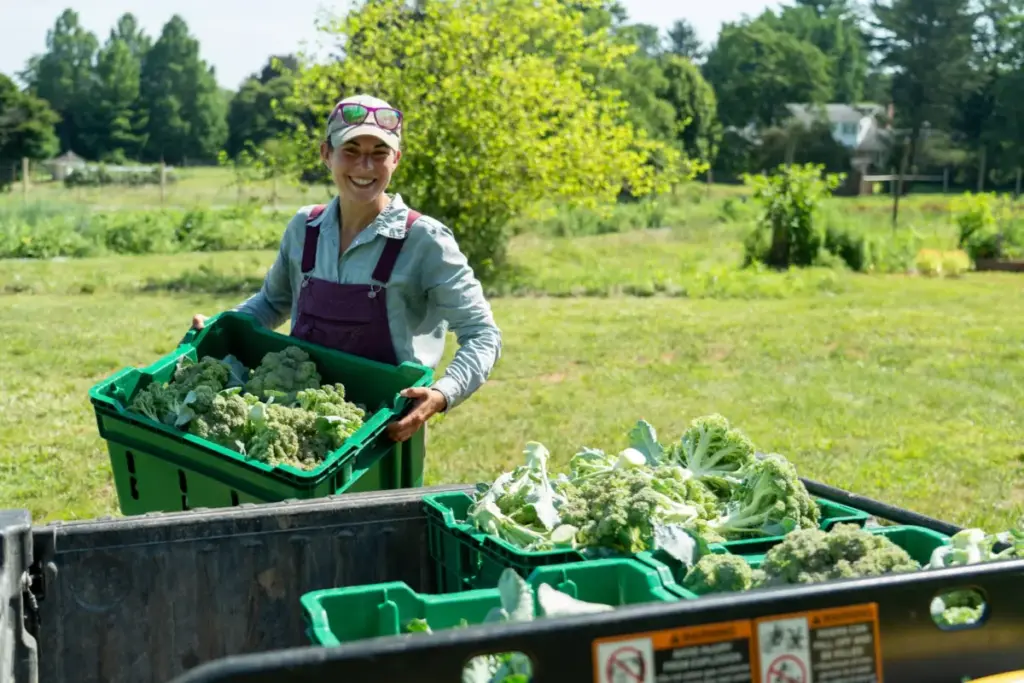
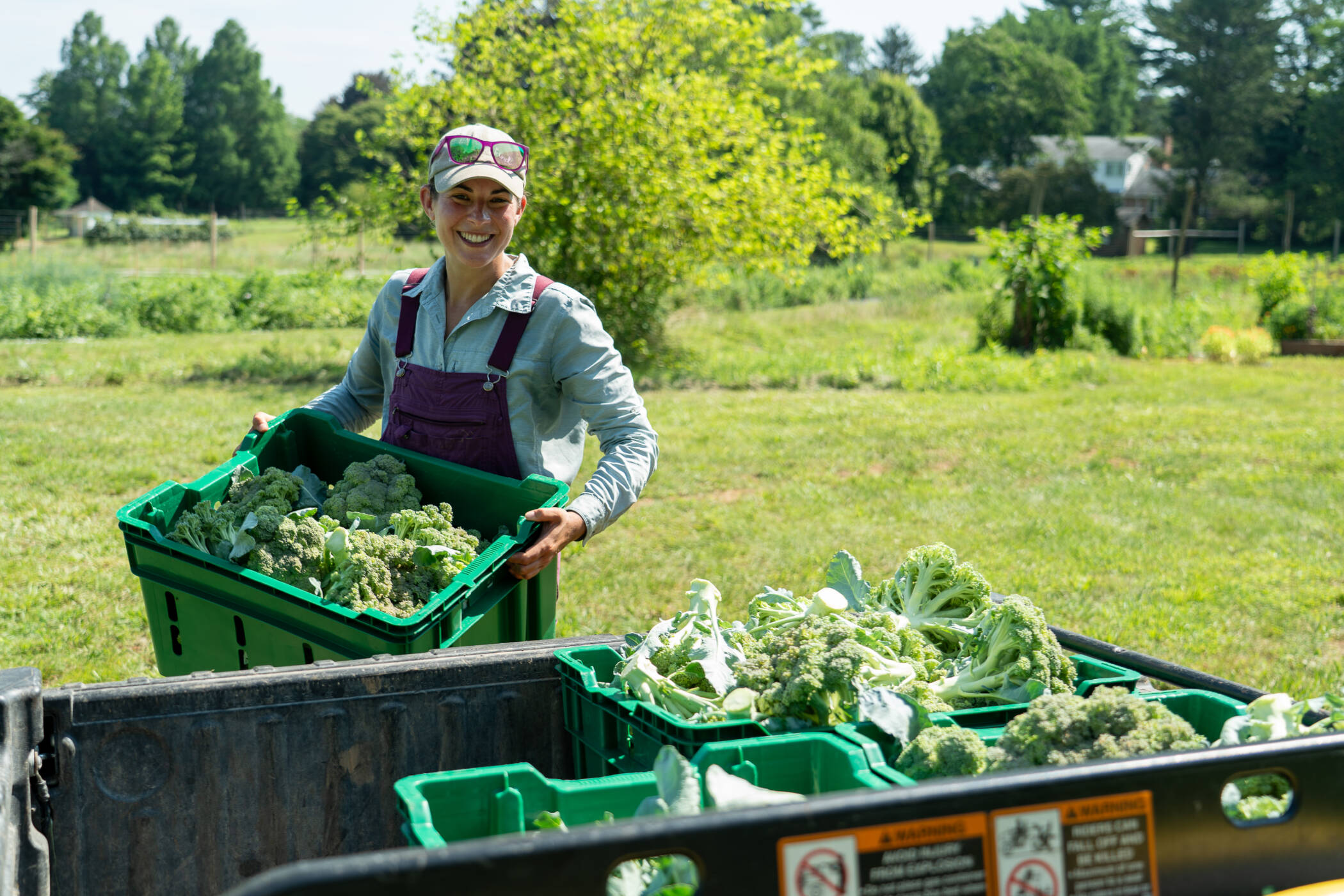
2014: The St. Luke’s–Rodale Institute Organic Farm was established in Easton, Pennsylvania, supplying fresh, certified organic produce directly to the patients, cafeterias, and staff of St. Luke’s University Health Network’s Anderson Campus.
2020: The Rodale Institute published The Power of the Plate, a landmark report formally articulating the principles of regenerative healthcare and laying the groundwork for a unified medical-agricultural coalition.
2023: The Cornwall Manor–Rodale Institute Trailside Organic Farm in Lebanon, Pennsylvania, completed its first full growing season, yielding 9,150 pounds of fresh, organic food tailored for the retirement community’s residents.
April 2025: A study published in the American Journal of Preventive Medicine quantified the lethal cost of ultra-processed foods, estimating that their consumption drives approximately 124,000 premature deaths annually in the United States.
2025: Expanding its footprint in elder care, the Rodale Institute launched a new partnership with Phoebe Ministries at Founders Farm in Allentown, Pennsylvania, specifically designed to cultivate organic food tailored to the nutritional needs of senior populations.
Supporting Context & Metrics: The Scale of the Crisis and the Proof of the Soil
The pivot toward regenerative healthcare is backed by stark epidemiological data and compelling scientific trials that illuminate both the dangers of our current trajectory and the promise of a better model.
The Clinical Diagnosis: Obesity and Ultra-Processing
According to data compiled by the Centers for Disease Control and Prevention (CDC), approximately 40 percent of American adults are classified as obese. Obesity serves as a primary gateway for type 2 diabetes, cardiovascular disease, and various forms of cancer. Crucially, this is not merely a consequence of overeating; it is deeply intertwined with socioeconomic disparities. Food-insecure households face disproportionate risks of obesity due to the pervasive availability and lower cost of cheap, ultra-processed calories compared to fresh produce.
The human toll of these dietary patterns was starkly illuminated in the April 2025 American Journal of Preventive Medicine study. Researchers underscored that ultra-processed foods accelerate morbidity and mortality through a dual mechanism: the direct physiological toxicity of chemical additives and processing byproducts, and the profound nutritional deficit caused by displacing wholesome, nutrient-dense foods.
Prevention and Longevity: The Power of an Optimal Diet
The alternative to the standard Western diet is well-documented. Dr. Meagan Grega, a Pennsylvania-based physician certified in lifestyle medicine, highlights insights derived from the 2019 Global Burden of Disease study. The data reveals that transitioning to an "optimal diet"—characterized by high consumption of whole grains, legumes, fish, fruits, vegetables, and nuts, paired with minimal red meat, processed meats, sugary drinks, and refined grains—yields staggering longevity dividends.
For a young adult, adopting and sustaining an optimal diet starting at age 20 can extend life expectancy by an estimated 10.7 years for women and 13 years for men. Even individuals who overhaul their diets later in life reap massive rewards: adopting an optimal diet at age 60 still extends life expectancy by an impressive 8 additional years, regardless of gender.
Interventions: Soil Vitality Equals Human Vitality
Why do organic crops offer superior health outcomes? The answer lies beneath the earth’s surface. Organically managed soils feature vastly higher levels of microbial diversity compared to conventionally tilled, chemically treated soils. This complex soil microbiome acts as an ecological engine, enabling plants to synthesize greater concentrations of bioactive phytochemicals—natural compounds that protect human cells from oxidative stress and disease.
To test these dynamics rigorously, the Rodale Institute’s ongoing Vegetable Systems Trial is measuring the direct correlations between specific farming methodologies and the micronutrient density of harvested crops. Similarly, long-term research, such as a 10-year comparative analysis conducted at the University of California, Davis, has demonstrated that organically grown produce—such as tomatoes—possesses significantly higher concentrations of anticancer flavonoids than conventionally grown counterparts.
Official Statements and Expert Perspectives
As the movement gains momentum, thought leaders across medicine and agriculture are speaking out on the imperative to treat food as medicine.
"Let food be thy medicine and medicine be thy food."
— Hippocrates (c. 400 BC)
This ancient philosophy has been updated for the 21st century by modern clinical practitioners who witness the failures of the pharmaceutical-only model every day.
"Ultra-processed foods increase our risk of morbidity and mortality through two mechanisms: the impact of the foods themselves and the loss of benefits from other more nutritious foods that they replace in our diet."
— Meagan Grega, MD, Lifestyle Medicine Physician and Regenerative Healthcare Speaker
Dr. Grega’s clinical experience underscores the reality that patients cannot simply be medicated out of lifestyle-driven diseases. They require structural interventions that restore nutritional access at the community level.
The foundational vision of the Rodale Institute expands this clinical perspective outward, linking human physiology directly to environmental stewardship:
"Regenerative healthcare aims to prevent disease and regenerate life through an organic, whole-foods, plant-forward diet that begins on farms that work in harmony with nature. Regenerative healthcare harnesses the power of nutritious food and lifestyle to suspend, reverse, and prevent disease."
— The Power of the Plate (Rodale Institute Report)
By establishing working farm partnerships directly connected to hospitals and senior living centers—such as St. Luke’s, Cornwall Manor, and Phoebe Ministries—the Institute is proving that healthcare facilities can become epicenters of community wellness by serving food grown in living, chemical-free soil.
Future Outlook: The Path Ahead for Regenerative Healthcare
The convergence of agriculture and medicine is no longer a fringe concept; it is rapidly solidifying as the future of preventative healthcare. As chronic lifestyle diseases strain economic and medical infrastructures worldwide, institutional models pioneered by organizations like the Rodale Institute offer a scalable, common-sense solution.
Scaling the Model
The success of farm-to-hospital initiatives in Pennsylvania signals a transformative template for national healthcare infrastructure. Future expansion will rely on replicating these partnerships across diverse geographical regions, proving to health networks that investing in local, regenerative organic agriculture directly reduces patient readmission rates and lowers long-term healthcare costs.
The Gathering Force of Collaboration
Central to this future is the annual Rodale Institute Regenerative Healthcare Conference. By convening medical doctors, clinical researchers, organic farmers, and consumer advocates, the conference breaks down historical silos between agriculture and medicine. These gatherings foster actionable solutions, driving policy changes, medical school curriculum updates, and insurance model reforms that recognize food prescriptions as legitimate, reimbursable medical care.
Reversing the Tide
Ultimately, the future of human health is inextricably bound to the health of the earth. We cannot cultivate resilient, healthy human bodies on depleted, chemically saturated soil. By embracing regenerative healthcare—valuing food not merely as fuel, but as a sophisticated biological prescription rooted in ecological harmony—society can begin to reverse the rising tide of chronic illness, ensuring a vibrant, disease-resistant future for generations to come.