In an era defined by intensifying climate disruption and geopolitical struggles over natural resources, grassroots mobilization remains the ultimate line of defense for the planet. Over the past week, Greenpeace and its global network of allies have staged a sweeping, multi-continent wave of resistance, community empowerment, and legal accountability. From the vulnerable waters of the Black Sea to the high-stakes political corridors of the Pacific Islands Forum in Palau, activists have put their bodies, voices, and legal expertise on the line to challenge corporate extraction and government inaction.
This week’s actions encapsulate the multifaceted nature of modern environmentalism. They highlight how local communities are directly confronting multinational energy conglomerates, petrochemical giants, and exploitative deep-sea mining proposals. Simultaneously, these events underscore a profound shift toward community-led renewable energy transitions, citizen science, and youth empowerment. By combining direct action on the water with rigorous legal enforcement requests and grassroots educational programming, Greenpeace continues to demonstrate that the defense of our global commons is a shared, borderless endeavor.
Detailed Chronology of Global Actions
1. Bulgaria: Exposing the "Gas Scam" in the Black Sea
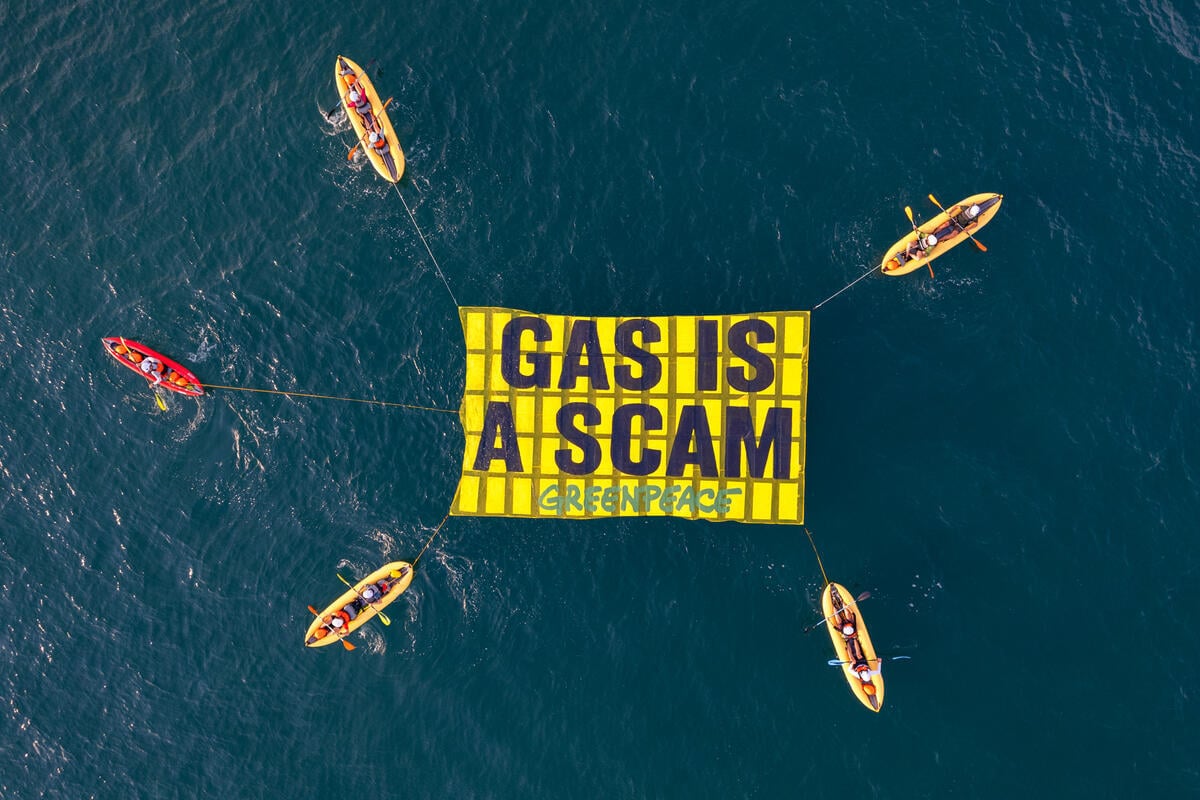
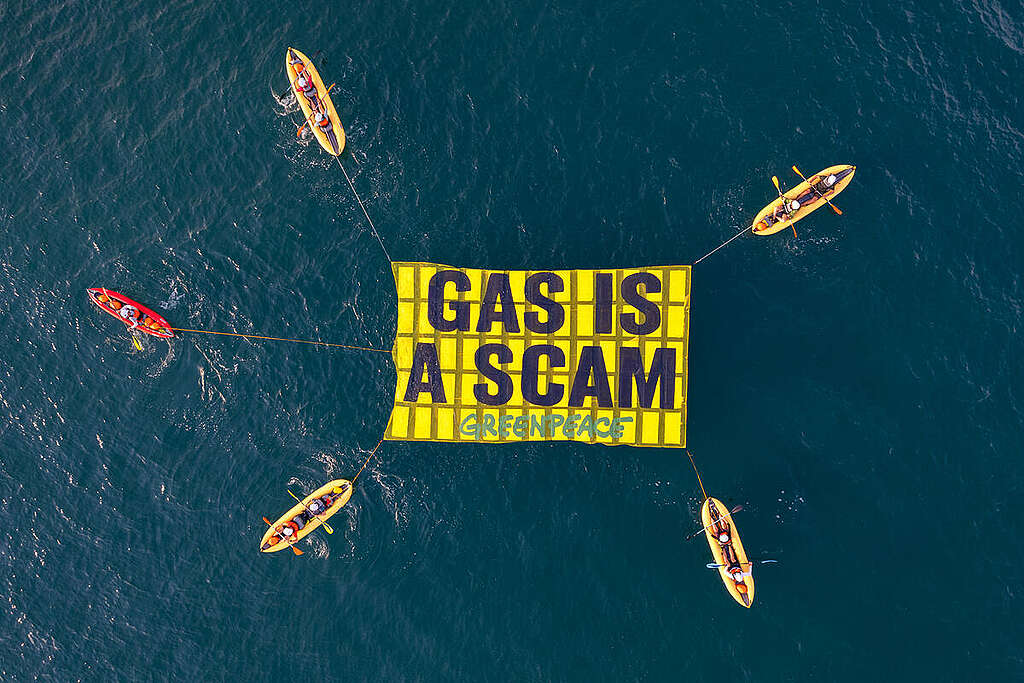
Operating against the backdrop of an impending oil and gas exploration project in the Khan Tervel block—situated within Bulgaria’s exclusive economic zone—activists deployed kayaks and unfurled a massive banner reading “GAS IS A SCAM” off the Bulgarian coastline. Accompanied by the iconic Greenpeace vessel Arctic Sunrise, the peaceful protest served as an indictment of major international corporations, notably Shell and OMV-Petrom.
The demonstration targeted the imminent threat of fossil fuel lock-in, which undermines international climate goals, and highlighted the direct dangers posed to vulnerable marine ecosystems, including local dolphin populations. By taking to the water, the coalition of activists and crew members sought to dismantle the greenwashed narratives propagated by fossil fuel extractors who stand to profit at the expense of regional biodiversity and atmospheric stability.
2. Kenya: Launching the Next Generation of Environmental Leaders in Nairobi
Shifting focus from direct confrontation to capacity building, the Kenyan capital played host to a vibrant celebration marking the launch of a new phase of the Ubunifu Hub Youth Program, backed by the Greenpeace Environmental Foundation.
Bringing together young leaders, community partners, and key stakeholders, the event served as a launchpad for grassroots empowerment. The program is designed to provide Kenyan youth with the tools, mentorship, and physical spaces necessary to learn, create, connect, and mobilize. By investing in youth-led initiatives, the foundation aims to cultivate a resilient pipeline of environmental advocates capable of tackling regional ecological challenges from the ground up.
3. American Samoa: Defending the "Moana" Against Deep-Sea Mining
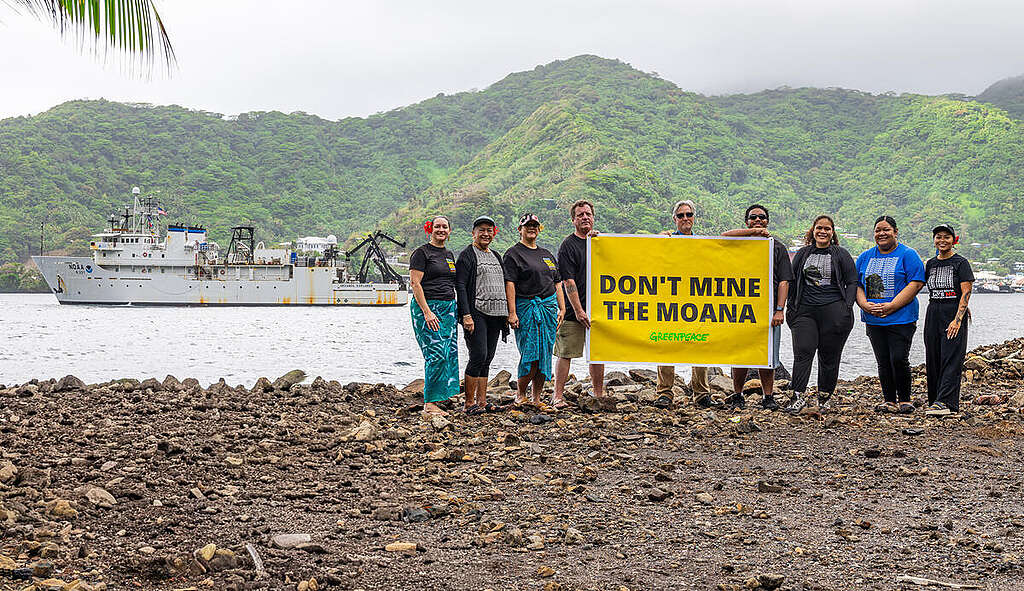
In the Pacific, the stakes reached oceanic proportions as activists from Finafinau, Greenpeace USA, and the wider American Samoan public intercepted the NOAA research vessel Okeanos Explorer in Pago Pago Harbor. As the ship conducted crew changes ahead of its mission to map and quantify deep-sea minerals, demonstrators raised banners bearing the rallying cries: “Don’t Mine the Moana,” “Stop Deep Sea Mining,” and “Protect the Pacific.”
The urgency of the demonstration was tied directly to a controversial U.S. Interior Department Marine Minerals Administration lease sale. Covering roughly 31.4 million acres (over 48,000 square miles) of waters offshore the U.S. territory, the proposed commercial deep-sea mining lease—scheduled for November 19, 2026—threatens to become the first of its kind in U.S. domestic waters. If finalized, it could establish a dangerous precedent, opening up fragile, unexplored marine ecosystems to the world’s first commercial deep-sea extraction operations.
4. Indonesia: Grassroots Solar Transition in North Jakarta
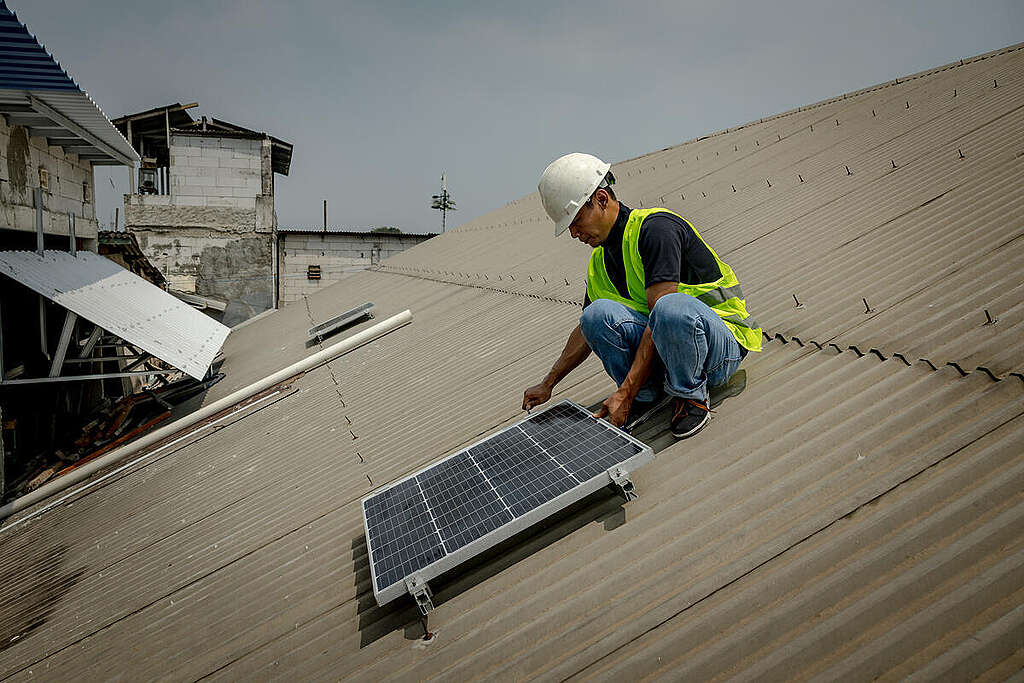
In a powerful display of community-scale climate action, rooftop solar panels were installed in the Kampung Muka area of North Jakarta. This initiative was realized through a strategic collaboration between Greenpeace Indonesia, Jaringan Rakyat Miskin Kota (JRMK), and the Urban Poor Consortium (UPC).
Far from being a top-down corporate project, this grassroots installation is designed to accelerate Indonesia’s energy transition from fossil fuels to renewables while democratizing clean power access in historically underserved urban neighborhoods. By integrating marginalized communities into the renewable energy landscape, the project challenges the notion that the green transition must exclude the urban poor.
5. Germany: Combating Water Pollution Through "Crowd Research" in Aachen
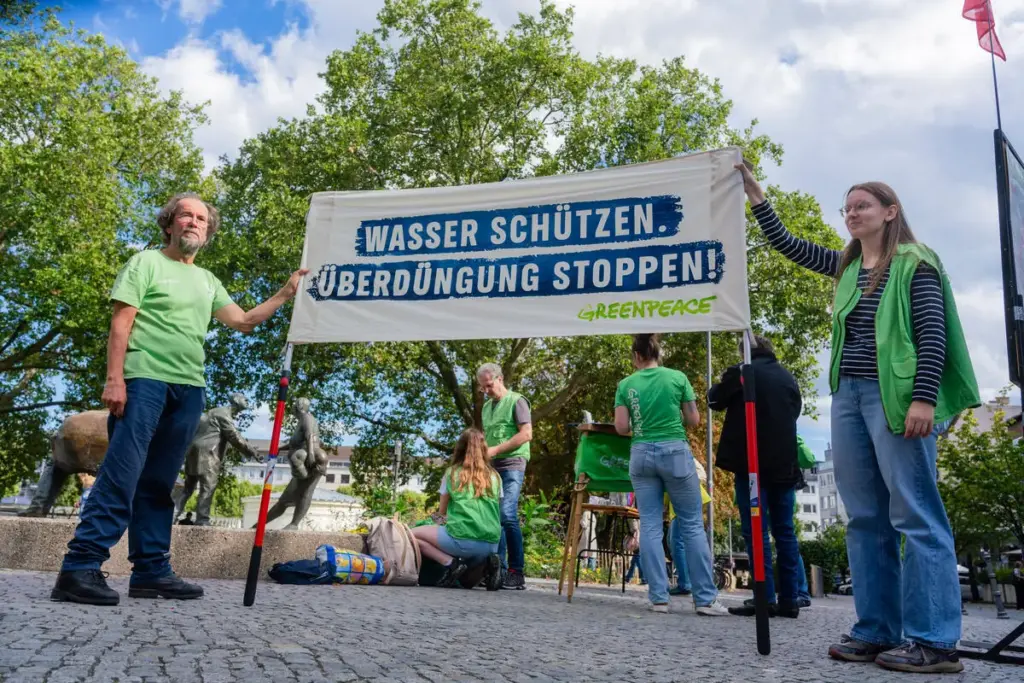
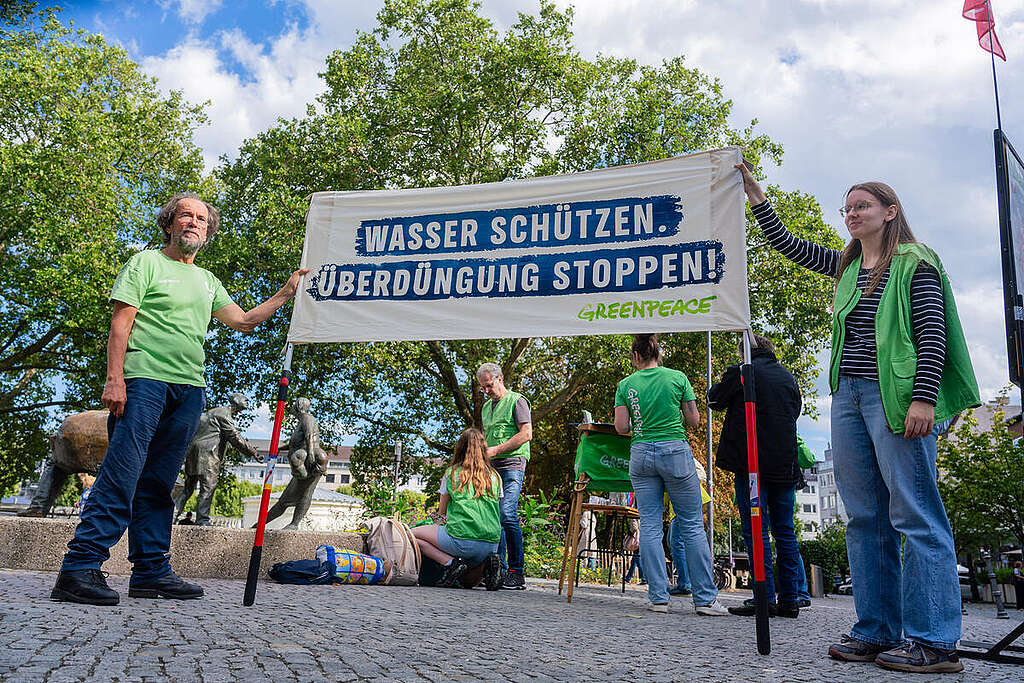
Across Germany, Greenpeace local groups launched a coordinated day of action to combat the rampant pollution of rivers, lakes, and drinking water caused by agricultural over-fertilization. Centered around a symbolic drink station featuring a wheel of fortune in Aachen, activists educated the public on the perils of nitrate contamination.
To move beyond awareness-raising, the organization kicked off a "crowd research" initiative. Activists distributed water test kits and demonstrated testing procedures, empowering citizens to monitor private wells, local streams, and rivers for nitrate levels over the coming months. This citizen-science model bridges the gap between institutional environmental monitoring and public engagement.
6. Cameroon: Eco-Jogging and Plastic Waste Action in Yaoundé
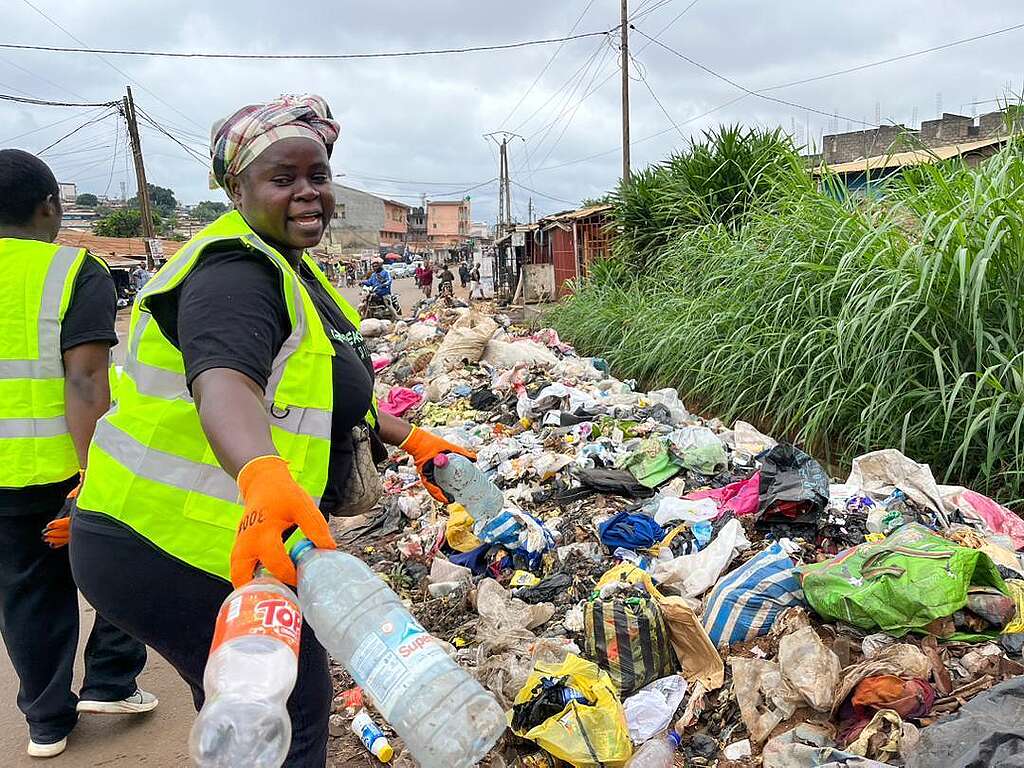
In Central Africa, environmental activism took an athletic and civic form. Fifteen dedicated volunteers in Yaoundé teamed up with the CNEDD association for an ecological march and clean-up drive. Participants jogged through the streets while collecting plastic waste, transforming public fitness into a visual statement against single-use plastics. Following the cleanup, the volunteers hosted an open community debate addressing the systemic socio-environmental impacts of plastic pollution in Cameroon.
7. Palau: Demanding Climate Justice at the Pacific Islands Forum
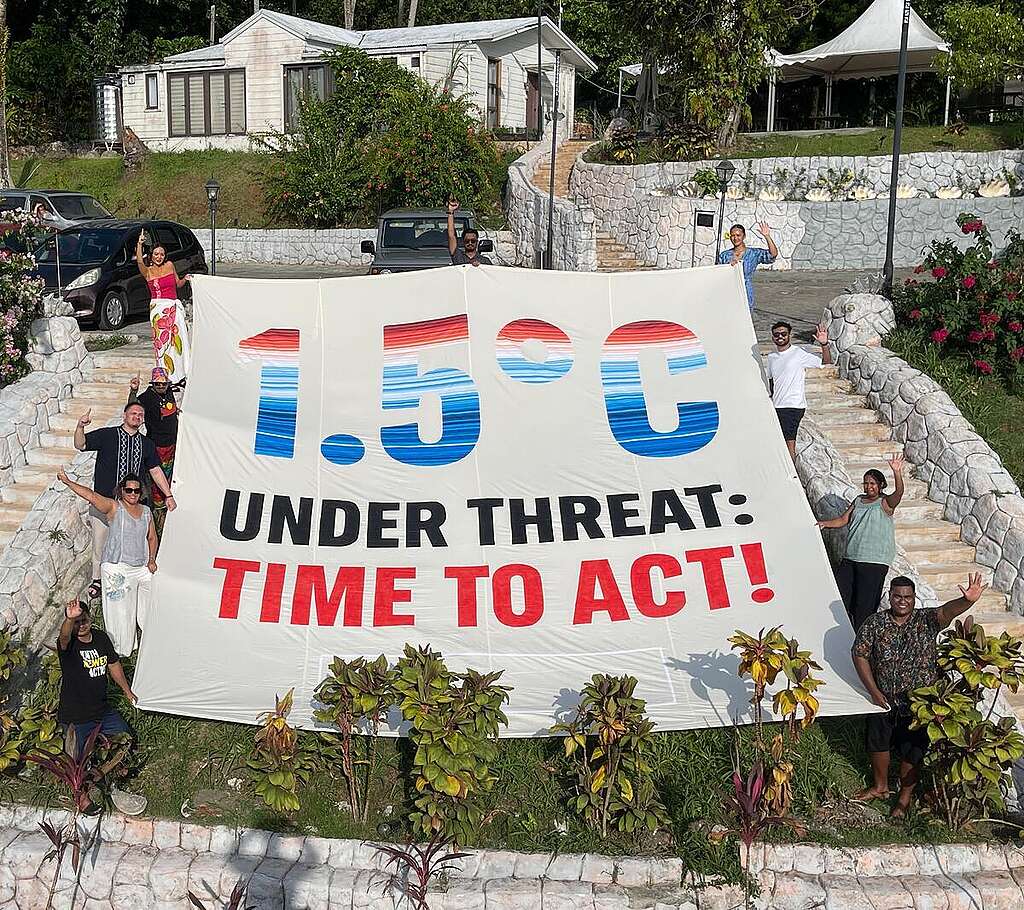
As international heads of state convened in Koror, Palau, for the Pacific Islands Forum (PIF), civil society organizations projected an unyielding message via aerial banners. Their demand was clear: the existential priorities of climate and ocean preservation must remain at the absolute center of regional and global negotiations. The coalition stressed that holding global temperature rises to 1.5°C is not merely a policy preference, but a binding legal and moral obligation—supported explicitly by the International Court of Justice.
8. Netherlands: Legal Assault on Chemours Over Illegal PFAS Discharges
In Europe, Greenpeace Netherlands escalated its battle against corporate polluters by filing an official enforcement request against chemical giant Chemours. The action targets illegal discharges of per- and polyfluoroalkyl substances (PFAS)—"forever chemicals" that bioaccumulate in the environment and human bodies, having been detected in food sources ranging from local eggs to breast milk.
With Chemours actively attempting to legalize the toxic byproduct TFA (trifluoroacetic acid) through new permit applications, and national authorities lagging in enforcement, Greenpeace has taken matters into its own hands. Partnering with local residents and prominent environmental lawyer Benedicte Ficq, the organization has initiated independent measurements of air, water, and soil to build an airtight legal case aimed at permanently halting the contamination.
Supporting Context & Metrics
The convergence of these distinct campaigns illustrates the systemic nature of the global ecological crisis. While the underlying issues span heavy industry, agriculture, and municipal infrastructure, common threads bind them together: corporate impunity, regulatory failure, and the disproportionate vulnerability of marginalized communities and ecosystems.
Fossil Fuel Expansion: Projects like the Khan Tervel block in the Black Sea threaten not only localized marine life—such as cetaceans and benthic organisms—but also lock nations into carbon-intensive infrastructure for decades, directly contradicting Paris Agreement trajectories.
Deep-Sea Threats: The proposed 31.4-million-acre lease sale in American Samoan waters represents an unprecedented frontier in resource extraction. Marine biologists warn that deep-sea mining could irreversibly destroy poorly understood pelagic and benthic habitats, disrupting carbon sequestration cycles in the deep ocean.
Chemical Contamination: The proliferation of PFAS and TFA in Dutch watersheds underscores a broader regulatory crisis in industrialized nations, where chemical manufacturers routinely externalize the true costs of waste management onto public health and municipal water systems.
Official Statements
Reflecting on the week’s developments, representatives from Greenpeace and allied organizations emphasized the urgency of citizen-led intervention:
"The fossil gas exploration in the Black Sea is nothing more than a dangerous shell game designed to line the pockets of multinational giants like Shell and OMV-Petrom while accelerating climate breakdown. We are here to say clearly: Gas is a scam, and our waters are not for sale." — Greenpeace Black Sea Campaign Team
On the legal front concerning chemical pollution in the Netherlands, the resolve remains steadfast:
"When governments fail to protect their citizens from toxic forever chemicals like PFAS and TFA, civil society and the courts must step in. We will use every legal instrument available to hold polluters like Chemours accountable for poisoning our environment and our bodies." — Greenpeace Netherlands Legal Spokesperson
Regarding the defense of Pacific waters, regional activists emphasized the cultural and ecological significance of the ocean:
"The Moana is our lifeblood, our history, and our future. Proposing massive commercial deep-sea mining leases in American Samoa is an insult to Pacific peoples who have safeguarded these waters for generations. We will not stand by and watch our ocean become an industrial sacrifice zone." — Finafinau & Greenpeace USA Joint Statement
Future Outlook
Looking ahead, the trajectory of these diverse campaigns points toward several critical milestones that will shape the global environmental movement over the coming months:
The Legal Battlegrounds: The enforcement requests filed against Chemours in the Netherlands will test the limits of European environmental permitting laws regarding persistent chemicals, potentially setting a landmark precedent for corporate liability across the EU.
The Deep-Sea Mining Threshold: With the U.S. Interior Department’s proposed lease sale looming, Indigenous communities, civil society groups, and international legal experts are preparing for a historic confrontation over the legalities of opening domestic seabed waters to commercial exploitation.
Decentralized Clean Energy: Community-led projects, such as the rooftop solar installations in Jakarta, will increasingly serve as scalable blueprints for urban climate resilience, demonstrating that energy transitions can successfully bypass centralized bureaucratic gridlock to empower the urban poor.
Citizen Science Mobilization: Initiatives like the German water nitrate testing campaign highlight a growing reliance on crowd-sourced data to hold agricultural lobbies and municipal regulators accountable, shifting the burden of proof back onto polluters.
For more than half a century, Greenpeace has utilized photo-activism and direct intervention to bear witness to environmental injustice. As these disparate campaigns demonstrate, the visual documentation of resistance is not merely symbolic—it is the catalyst for systemic transformation across the globe.