


Executive Overview
As the global imperative to accelerate the deployment of low-carbon power infrastructure grows more urgent, traditional financing models—often reliant on massive federal grants, institutional private equity, or slow-moving utility budgets—frequently face bureaucratic bottlenecks and high capital hurdles. However, an increasingly viable and transformative solution is emerging closer to home: community-driven financing. Across Canada, grassroots clean energy cooperatives, local bond campaigns, and citizen-led funding initiatives are proving that the capital required to build a sustainable future does not necessarily have to come from distant corporate boardrooms. Instead, it can be sourced directly from the pockets of local citizens, neighbors, and community stakeholders.
From solar arrays powering rural townships in Ontario to groundbreaking electric vehicle (EV) charging infrastructure spanning Quebec and New Brunswick, local green initiatives are rewriting the playbook on how clean energy and sustainable infrastructure are funded. By leveraging community bonds, cooperative ownership models, and revolving green funds, everyday Canadians are bypassing traditional financial barriers to take direct ownership of their energy landscapes.
While these initiatives democratize the green transition and foster deep local engagement, they also navigate complex economic landscapes, balancing community empowerment with market realities. This report examines eight pioneering Canadian projects that illustrate the power, diversity, and resilience of community-led low-carbon financing, offering a roadmap for how decentralized investments can drive the infrastructure of tomorrow.
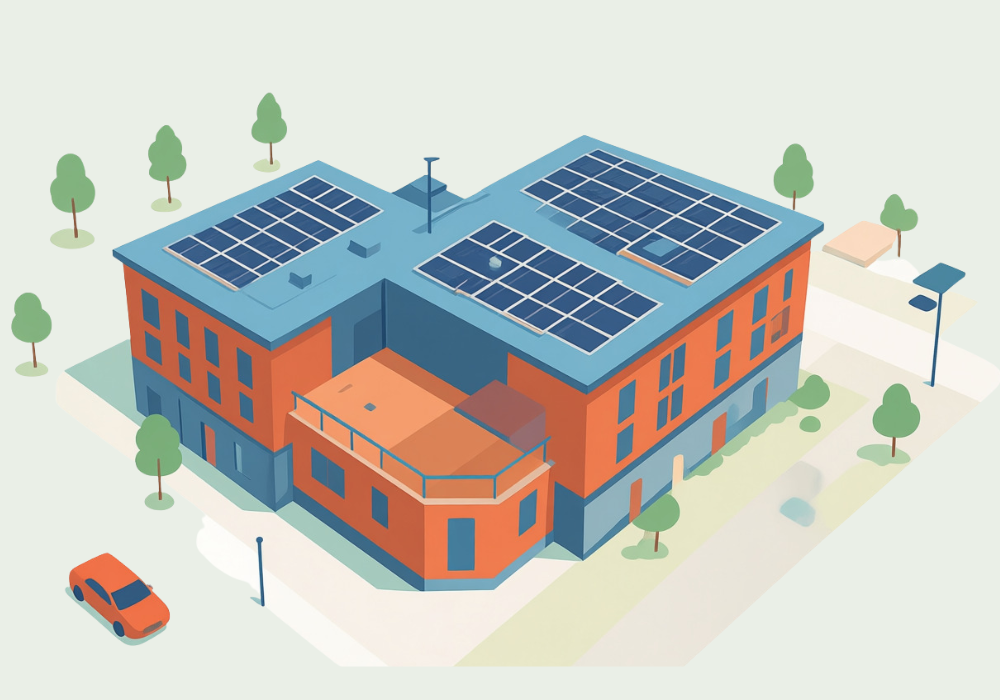
Detailed Chronology: The Evolution of Canadian Community Energy
The movement toward citizen-owned clean energy in Canada did not happen overnight; it is the result of decades of regulatory advocacy, cooperative organizing, and grassroots innovation. Understanding how community-led funding evolved provides essential context for the current landscape of green bonds and energy cooperatives.
Early Pioneers: Laying the Groundwork (Early 2000s)
The journey of local clean energy ownership in Canada began in earnest at the turn of the century. Before community bonds became a mainstream tool for green infrastructure, pioneering groups sought innovative ways to partner with municipal utilities and regulatory bodies.
The milestone moment arrived in Toronto with the establishment of WindShare, a groundbreaking initiative that brought together 825 local residents and Toronto Hydro to co-own a commercial wind turbine. Launched as the first Canadian example of local citizens directly owning a utility-scale clean energy project, WindShare established a precedent: everyday people could—and should—have a tangible stake in the generation of their electricity.

The Cooperative Expansion and Regulatory Shifts (2010s)
Buoyed by the early success of urban wind and solar pilots, the 2010s saw a rapid expansion of the renewable energy cooperative model, particularly in Ontario. This decade was characterized by structured feed-in tariffs and supportive provincial frameworks that encouraged community power generation.
- OREC (Ontario, 2010): Founded in 2010, the OREC cooperative demonstrated how regional communities could scale their ambitions by partnering on major wind energy assets. By securing partial ownership in two massive Lake Huron wind turbines, OREC proved that community cooperatives could manage multi-megawatt assets capable of powering hundreds of homes.
- SolarShare and Wintergreen: As Canada’s leading renewable energy cooperative, SolarShare began deploying solar arrays designed to integrate distributed generation directly into local grids. The Wintergreen solar array outside Kingston, Ontario, emerged as a prime example of this era, providing clean power for 100 homes while offering cooperative members a direct financial stake in solar energy production.
- Diversification into Biogas (ZooShare): The cooperative model soon expanded beyond wind and solar into complex bioenergy systems. ZooShare was established to convert organic animal and food waste into renewable electricity for the Ontario grid, backed by approximately 800 community bondholders. (This project also highlighted the inherent financial risks of pioneering green technologies, having navigated a strategic shift in 2023 to halt interest payments and restructure bond repayments based on cash flow).
Modern Diversification: Beyond Generation to Efficiency and Mobility (Late 2010s–Present)
In recent years, the scope of community financing has expanded dramatically. Recognizing that the low-carbon transition involves far more than wind and solar farms, grassroots innovators began applying the community bond model to electric vehicle infrastructure, affordable green housing, and religious building retrofits.
- EcoCharge: Venturing beyond stationary power generation, EcoCharge launched the first EV-charging community bond campaign of its kind, enabling members to collectively own roughly 100 charging stations across Quebec and New Brunswick.
- Propolis and Faithfully Green: In British Columbia, the Propolis housing initiative utilized $1 million in community bonds from roughly 100 investors to construct a 53-unit affordable, net-zero apartment building in Kamloops. Simultaneously, the Faithfully Green Fund engineered a revolving loan model to help churches, temples, and mosques finance energy-efficiency retrofits.
- Urban Inclusion (Wascana): Recognizing that renters and apartment-dwellers are routinely locked out of the solar transition, the Wascana cooperative in Regina, Saskatchewan, installed 400 solar panels collectively owned by roughly 100 members who otherwise lacked the physical infrastructure to go solar.
Supporting Context & Metrics: The Mechanics of Community Bonds
To fully appreciate the impact of these eight initiatives, it is vital to examine the financial mechanics and quantitative metrics that underpin them. Community bonds represent a unique hybrid of fixed-income investing and civic engagement.

How Community Bonds Work
Unlike municipal bonds, which are issued by city governments, or corporate bonds issued by publicly traded companies, community bonds are debt instruments issued by non-profit organizations, charities, or cooperatives. They allow everyday retail investors—often neighbors, local businesses, and project beneficiaries—to lend money directly to a specific local project.
- Democratic Governance: Many of these initiatives operate on a cooperative structure where investors are also members, granting them a vote in the organization’s strategic direction (the "one member, one vote" principle).
- Patient Capital: Community investors typically accept modest financial returns in exchange for profound social and environmental dividends, viewing their capital as a way to build local resilience, reduce carbon emissions, and retain wealth within the community.
Key Project Metrics at a Glance
| Project Name | Location | Asset Type | Scale / Impact | Financing Mechanism |
|---|---|---|---|---|
| Wintergreen | Kingston, ON | Solar Array | Powers ~100 homes | Renewable Energy Cooperative (SolarShare) |
| ZooShare | Ontario | Biogas Energy | Converts waste to grid electricity | 800 Community Bondholders |
| EcoCharge | QC & NB | EV Charging | ~100 charging stations | EV-Charging Community Bond Campaign |
| Propolis | Kamloops, BC | Affordable Housing | 53-unit net-zero apartment building | $1M raised via ~100 community bonds |
| Faithfully Green | Regional (Various) | Green Retrofits | Revolving fund for temples, churches, mosques | Community bonds & revolving loans |
| Wascana | Regina, SK | Urban Solar | 400 solar panels for apartment dwellers | Cooperative owned by ~100 members |
| WindShare | Toronto, ON | Wind Energy | Co-owned commercial wind turbine | 825 residents & Toronto Hydro partnership |
| OREC | Lake Huron, ON | Wind Energy | ~3.3 million kWh annually (400+ homes) | Regional renewable energy cooperative |
Official Perspectives and Expert Analysis
The shift toward localized, citizen-funded infrastructure has garnered significant attention from urban planners, financial analysts, and clean energy advocates. Experts emphasize that while community bonds cannot entirely replace massive multi-billion-dollar federal grid investments, they serve a vital catalytic function that traditional capital markets routinely overlook.
According to sustainable finance analysts, centralized energy projects often suffer from the "NIMBY" (Not In My Back Yard) phenomenon, where local residents resist nearby infrastructure development because they perceive it as an imposition by distant corporations. Conversely, community-owned models completely invert this dynamic. When citizens hold a financial stake—whether through a cooperative membership in Regina’s Wascana solar panels or bond holdings in EcoCharge’s EV network—opposition gives way to active stewardship and civic pride.

Furthermore, economic development specialists note that community bonds keep investment capital circulating within the regional economy. Rather than dividend payments flowing out of province to institutional shareholders, financial returns generated by local clean energy assets are returned directly to local households, strengthening community wealth resilience.
However, financial regulators and cooperative leaders also issue notes of caution. As demonstrated by ZooShare’s 2023 restructuring—where members voted to temporarily halt interest payments and pivot toward cash-flow-dependent bond repayments—grassroots infrastructure projects are still exposed to market volatility, supply chain disruptions, and regulatory shifts. Maintaining transparency, realistic revenue forecasting, and robust risk management are paramount to protecting retail investors who participate in these localized campaigns.
Future Outlook: The Next Frontier for Grassroots Green Finance
As Canada looks toward its mid-century net-zero carbon targets, the role of decentralized, community-led financing is poised to evolve significantly. Several key trends are expected to shape the future of this sector:

1. Scaling Urban and Multi-Residential Solutions
With a significant portion of Canada’s population residing in urban multi-residential rental buildings, traditional rooftop solar solutions have historically excluded renters. Initiatives like Regina’s Wascana cooperative point the way forward. Future policy frameworks and municipal bylaws that encourage shared solar gardens and collective neighborhood ownership models will likely unlock vast pools of urban capital currently sidelined from the clean energy transition.
2. Broadening Asset Classes Beyond Energy Generation
The success of EcoCharge in electric vehicle infrastructure and Propolis in net-zero affordable housing demonstrates that community bonds are exceptionally versatile. Moving forward, we can expect to see grassroots financing expand into complementary sustainability sectors, including community-scale battery storage, district geothermal heating networks, regenerative urban agriculture facilities, and climate-resilient water infrastructure.
3. Integrating Digital Finance and Regulatory Support
To scale beyond the current threshold of raising hundreds of thousands or a few million dollars, community bond campaigns will increasingly benefit from digital crowdfunding platforms, streamlined regulatory exemptions for prospectus-exempt securities, and blended finance models where government grants match or guarantee community-raised capital. By de-risking retail investments, provincial and federal regulators can catalyze billions of dollars in dormant household savings toward the urgent task of national decarbonization.

Ultimately, the transition to a low-carbon economy is not merely a technological challenge; it is a profound social and financial transformation. By putting the tools of energy generation and infrastructure ownership directly into the hands of citizens, community-led projects across Canada are proving that the most powerful engine for environmental sustainability is a mobilized, empowered local community.



