

Executive Overview
As global municipalities grapple with soaring municipal solid waste disposal costs, escalating landfill capacities, and the urgent imperative to reduce household carbon footprints, sustainable domestic resource management has transitioned from a niche environmental hobby to a mainstream ecological necessity. Autumn, traditionally viewed as a season of garden dormancy and cleanup, is increasingly recognized by environmental scientists and horticulturists as the critical pivot point for soil regeneration. It is within this strategic window of seasonal transition that innovative composting technologies are proving pivotal to closing the household organic loop.
Addressing this intersection of environmental stewardship and practical horticulture, the pioneering composting enterprise HOTBIN has announced a major nationwide initiative in partnership with BBC Gardeners’ World Magazine. This exclusive feature campaign aims to champion urban and suburban sustainability by equipping two lucky UK households with professional-grade, accelerated composting systems. By transforming the traditional perception of composting—often bogged down by slow decomposition rates, foul odors, and restrictive input rules—into a high-efficiency, year-round biochemical process, this initiative underscores a broader cultural shift toward localized circular economies.
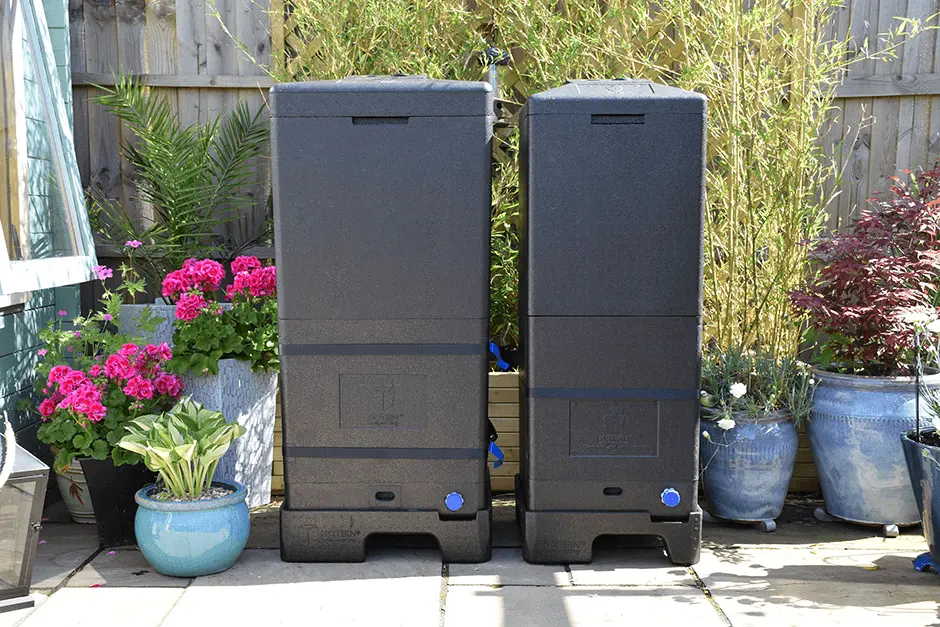
The featured giveaway centers on two of HOTBIN’s most celebrated infrastructure packages: the HOTBIN Mini 100-litre Essentials Bundle and the HOTBIN 200-litre Essentials Bundle. Valued at up to £313 per prize, these high-performance aerobic digestion units are engineered to bypass the limitations of traditional cold composting. Utilizing advanced thermal insulation, these systems actively sustain internal temperatures between 40°C and 60°C (104°F to 140°F). This thermal capacity allows users to process an unprecedented variety of organic inputs—ranging from traditional garden waste and autumn leaves to cooked food scraps, meat, dairy, and small bones—yielding nutrient-dense, peat-free compost in as little as 30 days.
This authoritative report provides an in-depth examination of the technological mechanics behind accelerated hot composting, analyzes the broader environmental implications of diverting organic waste from landfills, reviews the accolades bestowed upon the HOTBIN system by leading horticultural institutions, and outlines the precise mechanisms of the ongoing national competition. Through this comprehensive lens, we explore how domestic composting is evolving into a cornerstone of modern ecological living.
Detailed Chronology: The Evolution of Domestic Composting and the Rise of Accelerated Aerobic Systems
To understand the significance of modern composting technology, it is essential to trace the historical trajectory of organic waste management. For generations, domestic composting was synonymous with the traditional "cold" heap or bin. Placed in a forgotten corner of the garden, these passive piles relied on mesophilic microorganisms—bacteria and fungi that thrive in moderate temperatures—to slowly break down garden refuse and raw fruit and vegetable peelings.
While conceptually sound, cold composting suffers from severe operational inefficiencies:
- Time Constraints: Decomposition in a standard cold bin typically takes anywhere from nine months to two years.
- Input Limitations: Adding cooked foods, meat, or oils to a cold heap invariably attracts vermin such as rats, mice, and foxes, while introducing anaerobic pathogens that cause putrid odors and nutrient leaching.
- Seasonal Stagnation: During the autumn and winter months, ambient temperatures drop, causing microbial activity to plummet or cease entirely. Consequently, organic matter sits frozen or dormant precisely when autumn clean-up generates the highest volume of garden waste.
The paradigm shift toward "hot" or thermophilic composting began to gain commercial traction with the realization that mimicking industrial-scale aerobic digestion at a domestic scale could overcome these barriers. However, early hot composting designs were notoriously labor-intensive, requiring precise carbon-to-nitrogen ratio calculations, daily manual turning with pitchforks, and constant moisture monitoring.
The introduction of the HOTBIN system marked a watershed moment in this chronological evolution. Developed by biochemical engineers and horticultural experts, the system was designed to eliminate the manual labor of turning while maximizing thermal retention. By utilizing high-density expanded polypropylene (EPP) insulation—the same material used to insulate commercial transport containers for temperature-sensitive pharmaceuticals—the HOTBIN traps the metabolic heat naturally generated by rapidly multiplying bacteria.
Over the past decade, this technology has matured from an early adopter’s novelty into an award-winning standard. Its validation reached a milestone when BBC Gardeners’ World Magazine rigorously tested a cross-section of domestic composting apparatuses. In these comparative trials, the HOTBIN not only outperformed competitors in sheer speed of decomposition—achieving finished compost in a fraction of the historical timeline—but also earned the coveted "Best Buy" designation for compact spatial footprints and user-friendly operation.
The current 2026 campaign represents the culmination of this technological evolution. By partnering with premier horticultural media to place these units directly into domestic environments, HOTBIN is accelerating the adoption of closed-loop resource recovery at the grassroots level.
Supporting Context & Metrics: The Science of Thermal Composting and Waste Diversion
The urgency of adopting advanced composting systems like the HOTBIN is underscored by stark environmental metrics regarding household waste and soil health. According to waste reduction advisory bodies, organic waste accounts for a staggering proportion of the average household waste stream. When food and garden waste are dispatched to standard municipal landfills, they are buried beneath layers of compacted non-biodegradable refuse, depriving them of oxygen.
This oxygen-deprived environment forces the organic matter to undergo anaerobic digestion, a biochemical process that releases methane—a greenhouse gas with a global warming potential significantly more potent than carbon dioxide over a 20-year timescale. By diverting food and green waste from landfills to an aerobic composting system, households actively suppress methane generation, replacing it with a controlled oxidation process that sequesters carbon safely within the soil.
The Biochemical Mechanics of the HOTBIN
What sets the HOTBIN apart in the realm of soil science is its ability to maintain thermophilic temperatures year-round. The mechanics rely on three interdependent pillars:
- Superior Thermal Insulation: The 50mm-thick EPP walls minimize heat loss. Even when ambient outdoor temperatures drop below freezing in the depths of winter, the internal core of the HOTBIN remains at an optimal 40°C to 60°C.
- Accelerated Microbial Succession: At these elevated temperatures, thermophilic bacteria and actinomycetes thrive. These specialized microorganisms break down complex polymers—such as lignin, cellulose, and proteins—at a rate up to 32 times faster than mesophilic bacteria in cold bins.
- Comprehensive Input Versatility: Because the internal temperature consistently exceeds the threshold required to neutralize common plant pathogens, weed seeds, and animal fats, users are liberated from the restrictive rules of traditional composting. Cooked plate scrapings, meat, fish bones, citrus peels, and persistent weeds can all be safely digested without fear of pest infestation or disease persistence.
Economic and Ecological Value of Peat-Free Compost
Beyond landfill diversion, the output generated by the HOTBIN addresses another critical environmental crisis: the depletion of peat bogs. Peatlands are the world’s most efficient terrestrial carbon sinks, storing vast quantities of carbon dioxide. The horticultural industry’s historical reliance on extracted peat has devastated these fragile ecosystems.
The nutrient-rich, dark, crumbly humus produced by the HOTBIN is 100% peat-free. Rich in macro-nutrients (nitrogen, phosphorus, and potassium) and teeming with beneficial soil microflora, this homegrown compost improves soil structure, enhances moisture retention, and boosts plant resilience against pests and diseases. Furthermore, the inclusion of the HOTBIN Plinth in the prize bundles adds a practical hydraulic dimension: elevating the unit allows users to easily collect nutrient-rich liquid fertilizer (often called "liquid gold") through a dedicated drainage valve, providing an extra boost for container plants and vegetable patches.
Official Statements and Expert Endorsements
The recognition of the HOTBIN by premier horticultural authorities highlights its status as an industry benchmark. Industry experts, sustainability advocates, and gardening journalists have consistently praised the system’s ability to bridge the gap between municipal waste reduction and high-yield organic gardening.
In evaluation reports accompanying the BBC Gardeners’ World Magazine Best Buy designation, testing panels noted:
"The HOTBIN represents a monumental leap forward in domestic composting efficiency. Its capacity to rapidly process difficult waste streams—including cooked foods and meat—without emitting foul odors or requiring strenuous physical labor makes it the definitive choice for gardeners who demand professional results within a compact footprint."
Environmental consultants specializing in circular economy models have similarly endorsed decentralized composting infrastructure. Dr. Elena Vance, a municipal waste strategist, emphasizes the systemic benefits of such technology:
"While large-scale anaerobic digestion plants play a vital role in municipal waste management, decentralized processing units like the HOTBIN fundamentally transform consumer behavior. When a household witnesses their daily food scraps transformed into rich garden soil within 30 days, the psychological disconnect between consumption and waste vanishes. It fosters an immediate, tangible appreciation for resource conservation that centralized collection can never replicate."
Representatives from HOTBIN have echoed these sentiments, emphasizing that the autumn campaign is designed to empower individuals to take direct control of their environmental impact.
"Autumn is traditionally a time when gardens are put to bed, but biologically, it is one of the most active seasons for soil regeneration," a HOTBIN spokesperson noted. "By pairing our high-performance units with essential ergonomic tools like the Plinth and Garden Kneeler, we are ensuring that winners have an end-to-end solution to manage their seasonal clean-up while dramatically reducing their household carbon footprint."
Future Outlook: The Trajectory of Domestic Sustainability and Circular Living
As we look toward the latter half of the 2020s and beyond, the integration of advanced domestic composting systems into standard residential architecture and lifestyle design is poised for accelerated growth. Several macro-trends indicate that technologies like the HOTBIN will transition from specialized garden accessories to essential household infrastructure.
Regulatory Shifts and Extended Producer Responsibility
Local authorities across the United Kingdom and Europe are facing mounting financial pressures regarding waste collection and disposal. With landfill taxes increasing and strict carbon reduction targets mandated by national legislation, municipalities are increasingly exploring ways to incentivize or mandate on-site organic waste reduction. Subsidized home composting initiatives and community-level waste-to-resource programs are projected to become standard policy tools, positioning hot composting at the forefront of municipal sustainability strategies.
The Rise of the Hyper-Local Circular Economy
Urbanization and the proliferation of smaller residential plots with limited outdoor space have historically challenged traditional gardening and composting methods. However, the compact spatial footprint of units like the HOTBIN Mini (100 liters) demonstrates that high-efficiency aerobic digestion does not require sprawling rural acreage. As urban agriculture, balcony gardening, and allotment culture continue to surge in popularity, the demand for high-performance, odorless, and rapid composting solutions tailored for urbanites will only intensify.
Technological Integration and Smart Gardening
Looking further ahead, the intersection of organic waste management and smart home technology presents exciting frontiers. Future iterations of composting systems may incorporate IoT (Internet of Things) sensors to monitor internal moisture levels, carbon-to-nitrogen ratios, and core temperatures in real time, transmitting optimization alerts directly to smartphone applications. This technological convergence will make high-efficiency hot composting virtually foolproof, further lowering the barrier to entry for novice gardeners.
Ultimately, initiatives such as the current HOTBIN and BBC Gardeners’ World Magazine partnership serve as vital catalysts in this broader cultural and technological transition. By removing the traditional friction points of home composting—speed, odor, input restrictions, and physical strain—they empower everyday citizens to become active agents in ecological restoration.
Competition Details & Entry Parameters
For readers eager to integrate this cutting-edge technology into their own gardens, the ongoing competition offers a direct pathway to winning professional-grade composting infrastructure.
Prize Options
Two confirmed winners will each receive their choice of one of the following comprehensive bundles:
- Option A: HOTBIN Mini 100-litre Essentials Bundle (Valued at £243)
- Designed specifically for smaller gardens, courtyards, or urban spaces.
- Includes the 100-litre HOTBIN Mini composter, the custom-engineered HOTBIN Plinth for elevated liquid collection, and the ergonomic HOTBIN Garden Kneeler.
- Option B: HOTBIN 200-litre Essentials Bundle (Valued at £313)
- Engineered for larger family households and extensive gardens generating higher volumes of organic refuse.
- Includes the high-capacity 200-litre HOTBIN composter, the matching Plinth, and the Garden Kneeler.
Eligibility and Deadlines
- Closing Date: All entries must be submitted by 23:59 on 9 November 2026.
- Geographic & Age Restrictions: The competition is open exclusively to residents of the United Kingdom aged 18 years or older.
- Entry Mechanism: Participants must correctly answer the designated horticultural question hosted on the official competition portal before the expiration of the deadline. Winners will be formally notified, and prize shipments arranged, immediately following the conclusion of the entry window.
As autumn deepens and gardens prepare for the dormant months ahead, seizing the opportunity to upgrade your domestic waste management infrastructure has never been more ecologically or practically rewarding. Enter today to transform your kitchen scraps into the foundation of tomorrow’s thriving garden.



