

Executive Overview
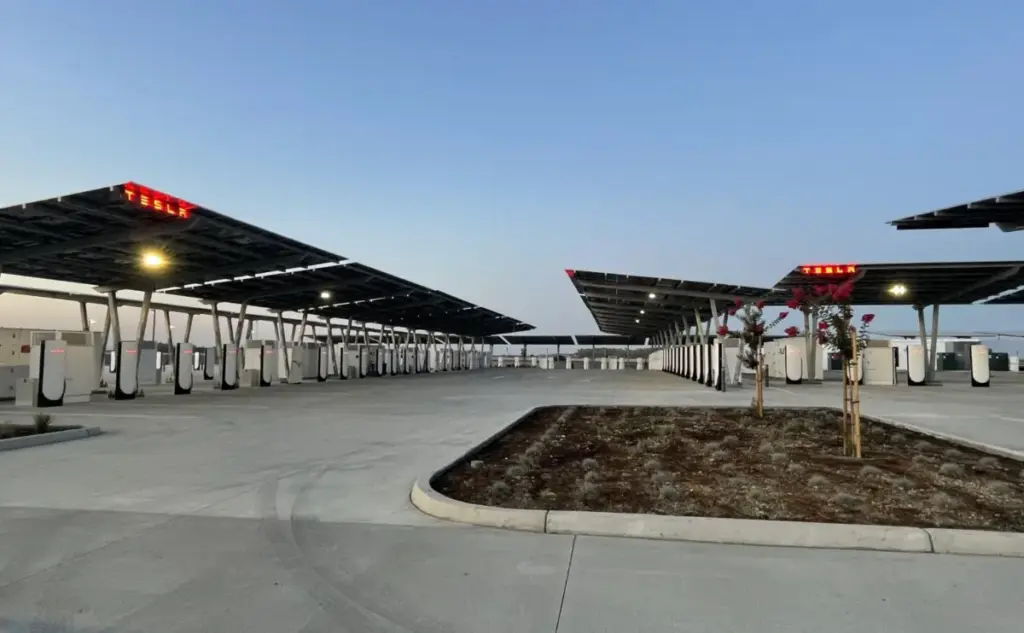
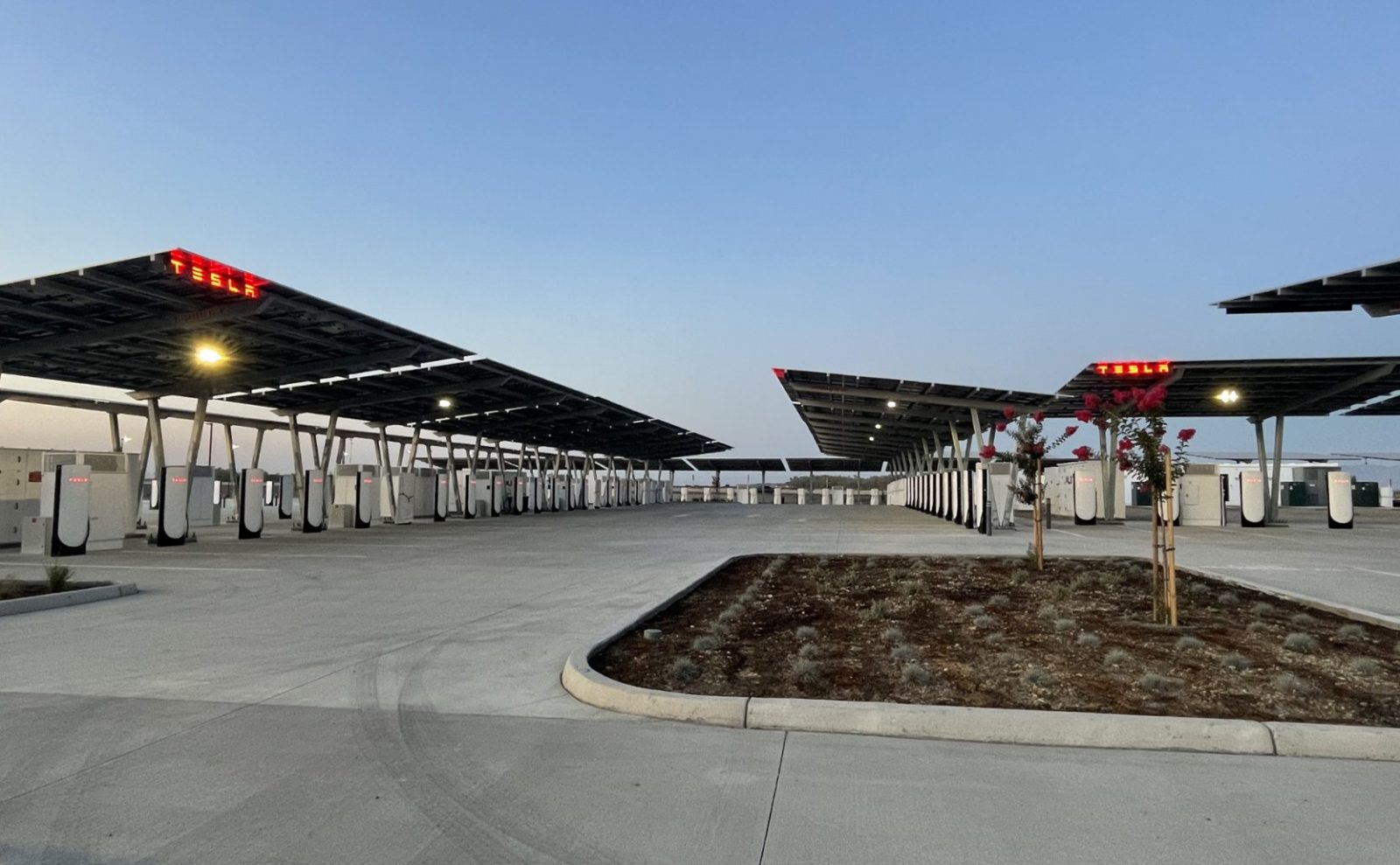
California is doubling down on its aggressive electric vehicle (EV) adoption targets with a fresh infusion of at least $28 million dedicated to the expansion of public direct-current (DC) fast-charging infrastructure. Spearheaded by the California Energy Commission (CEC) and administered by the Center for Sustainable Energy (CSE), the latest funding round under the Fast Charge California Project offers an unprecedented lifeline to property owners, businesses, nonprofits, public agencies, and eligible tribal nations.
By covering up to 100% of eligible installation, planning, and engineering costs—capped at $100,000 per charging port—the state aims to drastically lower the financial barriers associated with deploying ultra-fast charging hardware. Applications for this lucrative incentive window opened on October 7, signaling another major milestone in California’s journey toward total transportation decarbonization.
However, this initiative is not a blank check for speculative real estate concepts. State regulators have engineered the program to prioritize "shovel-ready" projects, demanding that applicants secure their utility service designs, necessary permits, and interconnection clearances prior to application submission. By focusing exclusively on sites primed for immediate construction, California hopes to bypass the notorious administrative bottlenecks that have historically plagued infrastructure deployment.
As the state edges closer to its zero-emission vehicle mandates, this multi-million dollar injection bridges a critical gap between vehicle sales and physical grid capacity, ensuring that urban centers, rural expanses, and historically underserved communities alike share in the electric mobility revolution.
Detailed Chronology and Application Milestones
The rollout of the Fast Charge California Project is governed by a tightly managed timeline designed to maximize efficiency and accelerate deployment velocity. Understanding the chronological framework of the program is essential for stakeholders looking to secure funding before capital exhaustion.
The Launch and Immediate Application Window
The portal for the latest funding round officially opened on October 7, inviting a wide array of entities—including commercial businesses, tribal governments, public institutions, and non-profit organizations—to submit their proposals. Crucially, any infrastructure funded through this program must be explicitly designated for public use, maximizing community accessibility.
Unlike previous incentive structures that permitted speculative planning phases, the current framework demands a high degree of operational readiness. Applicants must navigate a strict submission window that runs until January 14, 2027. Once this deadline arrives, eligible applications will be processed on a rolling, first-come, first-served basis, though strict prioritization guidelines will be applied to disadvantaged, low-income, and tribal communities.
Secondary Phases and Future Horizons
For stakeholders who require additional time to finalize their engineering and permitting milestones, the state has already mapped out subsequent opportunities. A secondary application window has been officially scheduled to run from February 24 through May 27, 2027. While this later window will introduce adjusted incentive structures—offering up to $55,000 per port—it ensures a continuous pipeline of infrastructure development well into the late 2020s.
Supporting Context, Funding Metrics, and Eligibility Criteria
To comprehend the sheer scale of California’s EV infrastructure push, one must examine the intricate financial architecture and technical prerequisites governing the CALeVIP (California Electric Vehicle Infrastructure Project) ecosystem.
Financial Tiers and Power Output Specifications
The allocation of state funds is directly tied to the technical performance of the installed hardware. Recognizing that ultra-fast charging is essential for long-distance transit and high-turnover urban environments, the incentive scales with power delivery:
- High-Power Ports (150 kW to <275 kW): Individual ports capable of guaranteeing a continuous output within this range qualify for financial incentives of up to $55,000.
- Ultra-Fast Power Ports (275 kW and Above): Ports designed to deliver maximum throughput of 275 kW or higher qualify for the maximum incentive tier of up to $100,000 per port.
These subsidies are structured to absorb up to 100% of approved project costs. This encompasses hardware acquisition, trenching, electrical wiring, engineering reviews, and active installation labor. However, because the per-port caps remain strictly enforced, exceptionally complex or costly civil engineering undertakings will require supplementary private or municipal financing to cover the balance.
Technical and Site-Type Constraints
To maintain alignment with state equity and interoperability standards, CALeVIP has enforced rigorous guardrails regarding where and how these chargers can be deployed:

- The Readiness Mandate: Applicants must possess a finalized utility service design or an official letter from their local electric utility confirming that no electrical grid service upgrades are required. Furthermore, all localized building and environmental permits must already be secured.
- Connector Interoperability: To prevent proprietary lock-in and ensure universal access for all non-Tesla EV models (as well as Tesla vehicles equipped with adapters), at least 50% of all connectors installed at each funded site must feature the Combined Charging System (CCS) standard.
- Site Eligibility Reductions: In a strategic shift from earlier iterations of the program, specific locations—including general charging hubs, standalone hotels, and traditional commercial business districts—have been deemed ineligible for this specific funding round. Property owners must consult the CALeVIP EV Charging Opportunity Finder to verify geographic and land-use compatibility.
Historical Context and Cumulative Impact
The current $28 million injection does not exist in a vacuum. It builds directly upon the momentum generated in spring 2026, when California distributed an impressive $56.9 million to fund more than 1,266 ready-to-build DC fast-charging ports spanning all 58 counties of the state. Notably, more than 67% of those previously funded chargers were earmarked for disadvantaged, low-income, and tribal communities, underscoring a steadfast commitment to environmental justice.
Backed by the California Energy Commission’s Clean Transportation Program and the state’s Greenhouse Gas Reduction Fund, CALeVIP has catalyzed the installation of over 10,200 chargers since its inception in 2017.
Official Statements and Industry Perspective
The deliberate shift toward funding only "shovel-ready" infrastructure reflects years of institutional learning and hard-won experience by state administrators and energy regulators.
Scott Shepard, Senior Director of Transportation Programs at the Center for Sustainable Energy (CSE), articulated the strategic philosophy driving the initiative:
"We’ve learned through CALeVIP that the fastest way to get chargers in the ground is to fund projects that are truly ready to build. When permitting and utility coordination are already underway, incentive dollars can turn into working chargers much faster."
By eliminating administrative lag times, CSE and the California Energy Commission are directly addressing historical frustrations where allocated grant money sat dormant for months—or even years—while recipients struggled to clear bureaucratic and utility interconnection hurdles.

Industry analysts have widely praised this pragmatic pivot. As electric vehicle adoption continues to penetrate mainstream consumer markets, the psychological barrier of "range anxiety" has transformed into a logistical demand for ultra-reliable, high-speed corridor charging. By placing the onus on developers to secure their permits and utility sign-offs before requesting state funds, California ensures that public taxpayer dollars translate into operational kilowatts with unprecedented velocity.
Future Outlook: The Road to 2027 and Beyond
As California marches toward its landmark clean transportation deadlines—including the mandate that all new passenger vehicle sales be zero-emission by 2035—the demand for robust, resilient public charging infrastructure will only intensify.
The convergence of massive state grants, rigorous project vetting, and emerging heavy-duty charging technologies creates a fertile ecosystem for private-public partnerships. Looking ahead to technological horizons, the rollout of these CALeVIP-funded ports coincides with next-generation infrastructure developments, such as EVgo’s upcoming 750 kW charging systems slated for deployment in 2027. These bleeding-edge systems will demand grid architecture capable of sustaining massive instantaneous loads, making early investments in robust utility coordination invaluable.
Ultimately, the Fast Charge California Project serves as a national blueprint for how state governments can effectively catalyze private enterprise without falling into the trap of bureaucratic paralysis. By aligning financial incentives with strict operational readiness and equity priorities, California is cementing its status as the undisputed capital of the global electric vehicle movement—transforming visionary climate goals into tangible, high-voltage reality.



