Executive Overview
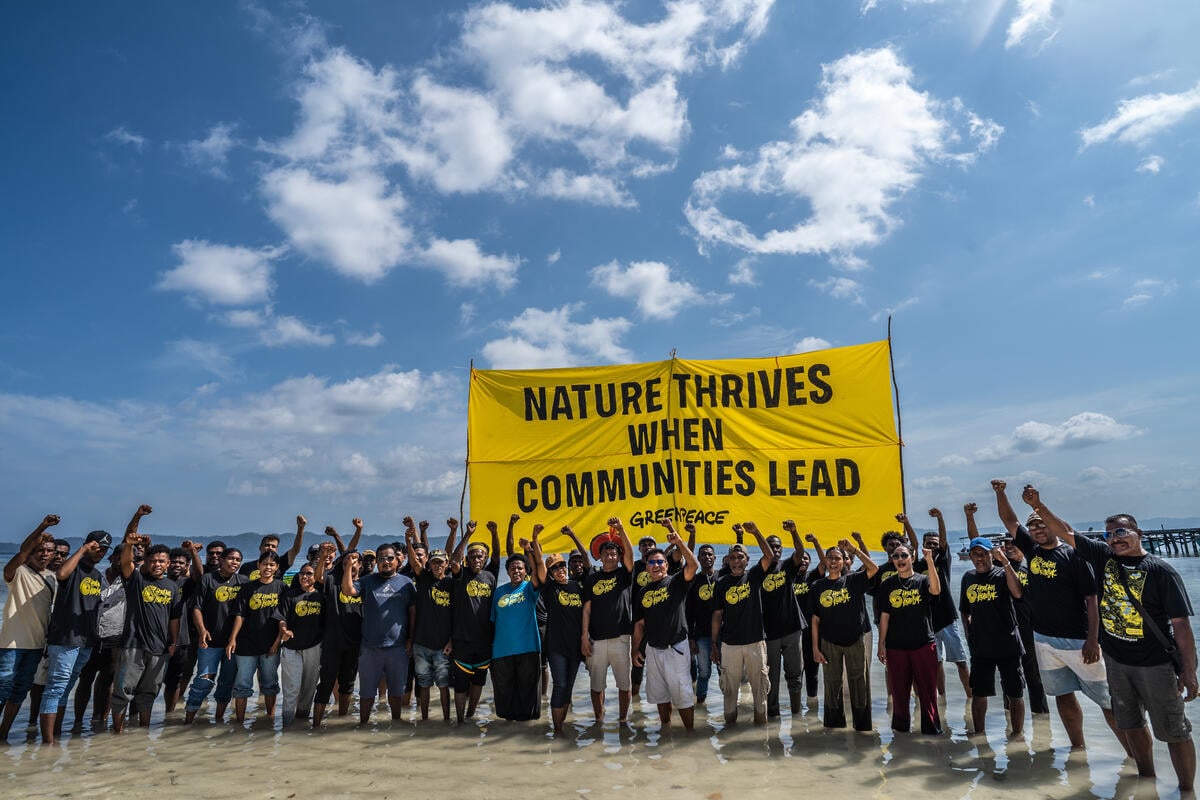
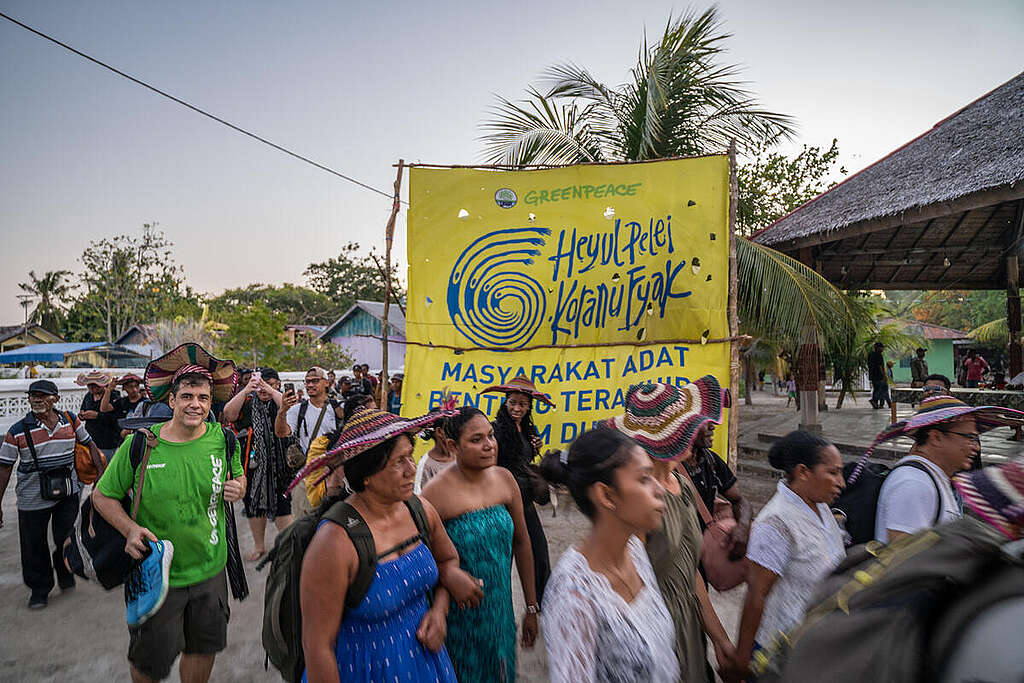
Amid the rhythmic crash of turquoise waves, gentle tropical breezes, and the vibrant calls of endemic birds, a profound cross-continental alliance took root in the remote waters of West Papua. From August 20 to 22, 2026, dozens of Indigenous leaders gathered upon senats—traditional woven mats distinct to the culturally rich Raja Ampat archipelago—to participate in Heyul Pelei Koranu Fyak (The Grand Assembly of Raja Ampat Indigenous Communities).
This historic three-day summit transcended local boundaries, drawing together Indigenous custodians from across the Papuan mainland, the wider Indonesian archipelago, and global frontlines including the Amazon rainforest, Central Africa, and Malaysia. Supported by Greenpeace Indonesia and the local civil society organization Institut USBA, the assembly served as a crucible for international solidarity, strategizing resistance against the relentless encroachment of extractive industries, and drafting a unified blueprint for planetary conservation.
The timing and location of the assembly were far from accidental. Convened to honor the spirit of the International Day of the World’s Indigenous Peoples, the summit acted as a vital stepping stone toward the upcoming United Nations Convention on Biological Diversity (CBD) COP17 in Armenia. The central message resonating from the shores of Arborek Island was clear, urgent, and authoritative: the key to halting catastrophic biodiversity loss and mitigating the climate crisis lies not in top-down, corporate-led conservation models, but in the ancestral wisdom, territorial sovereignty, and time-tested governance systems of Indigenous Peoples.
As global leaders grapple with failing environmental targets, this historic gathering produced the Arborek Declaration—a fiery and resolute demand for systemic change, direct biodiversity funding, and the unconditional recognition of Indigenous rights on a global scale.
Detailed Chronology: Inside the Three-Day Grand Assembly
Day One: Welcoming Rhythms and the Unification of Global Struggles
The opening of Heyul Pelei Koranu Fyak on Arborek Island began before dawn, grounded in traditional protocols that honor both the land and the ancestral spirits that inhabit it. Delegations arriving from the Amazon basin, the dense forests of Cameroon, and the landscapes of Malaysia were welcomed with traditional Papuan dances and percussion, establishing an immediate cross-cultural resonance.
As participants settled onto their senats, the day’s discourse quickly pivoted from ceremonial unity to the grim realities facing their respective homelands. Speakers detailed how extractive capitalism—manifested as nickel mining in the biodiverse shallows of Indonesia and illegal gold dredging in the lungs of South America—threatens the physical survival and cultural continuity of their communities. The first day established a shared grievance: despite regional and international public outcry, including last year’s high-profile #SaveRajaAmpat campaign, industrial extraction continues to cast a long, toxic shadow over irreplaceable ecosystems.
Day Two: Intergenerational Knowledge and Ecological Governance
The second day of the summit focused inward on the mechanics of Indigenous land management and cultural preservation. Anthropologists, elders, and youth leaders took the floor to deconstruct the false dichotomy between human habitation and nature preservation.
Papuan anthropologist George Mentasan captivated the assembly with a detailed presentation on traditional ecological calendars, local linguistic taboos governing natural resource extraction, and ancestral taboos prohibiting the harvesting of certain marine species. These cultural practices, Mentasan argued, are sophisticated conservation mechanisms designed to prevent overexploitation.
Simultaneously, women leaders assumed a prominent role in the day’s dialogues. Panh O Kayapo, an Indigenous Kayapo woman from the Brazilian Amazon, delivered a stirring address emphasizing the frontline role of Indigenous women.
"We are the Indigenous women who protect not only our children, but also our biome," Kayapo declared. "I speak up about women’s role not only for our generation, but also for generations to come, for them to have a better future."
Her words bridged the physical distance between the Coral Triangle and the Amazon, proving that regardless of geography, the assault on nature is matched blow-for-blow by the unyielding resilience of matriarchal stewardship.
Day Three: The Arborek Declaration and Global Demographics of Defiance
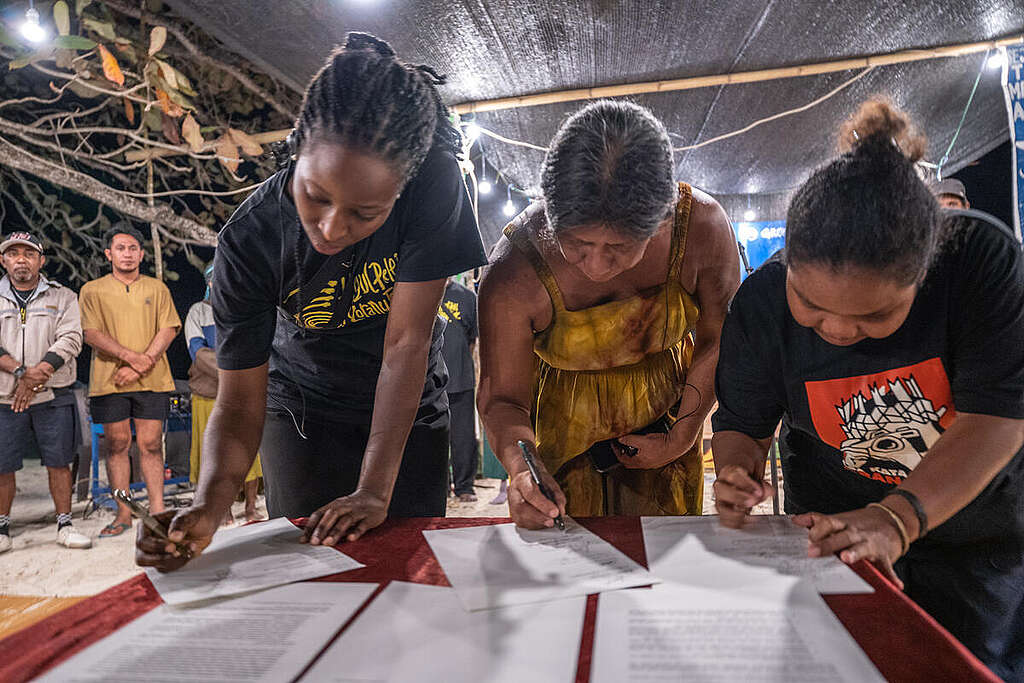
The climax of the three-day assembly occurred on the final day, when delegates finalized, signed, and publicly released the Arborek Declaration. This landmark document served as the culmination of intense deliberations, cross-border strategizing, and shared emotional solidarity.
The signing ceremony—featuring leaders from Cameroon, Amazonian Brazil, Malaysia, and West Papua—was a symbolic rejection of colonial extractivism. The declaration formally calls upon international governments to acknowledge that Indigenous knowledge systems are not relics of the past, but the indispensable scientific and logistical framework required to halt the twin crises of climate change and species extinction.
With pens lifted and traditional instruments sounding in the background, the assembly transitioned from a local gathering into an international political force, setting its sights squarely on the negotiation tables of CBD COP17.
Supporting Context & Metrics: The Battle for "The Last Paradise on Earth"
To understand the gravity of the Heyul Pelei Koranu Fyak, one must examine the ecological stakes of the regions under siege. Raja Ampat, frequently lauded as "the last paradise on Earth," sits in the heart of the Coral Triangle—a marine geographic expanse encompassing portions of Indonesia, Malaysia, Papua New Guinea, the Philippines, Solomon Islands, and Timor-Leste.
The Ecological Significance of Raja Ampat
- Coral Biodiversity: The Coral Triangle is home to a staggering 75% of all known coral species on Earth. Raja Ampat specifically harbors over 600 species of hard corals and more than 1,700 species of reef fish, representing an epicenter of marine evolution.
- The Threat of Nickel Mining: Despite international protections and ecotourism designations, the region faces acute pressures from the electric vehicle supply chain. The insatiable global demand for nickel has driven mining conglomerates to push aggressive extraction projects into fragile island ecosystems and coastal waters, threatening sediment runoff that can smother delicate reef systems.
Indigenous Conservation vs. Industrial Extraction
While industrial extraction degrades environments at an unprecedented rate, Indigenous territories consistently demonstrate superior ecological resilience. A cornerstone of this resilience in Raja Ampat is the practice of sasi.
- Sasi is an ancestral system of temporal and spatial prohibitions placed on the harvesting of specific natural resources—such as sea cucumbers, trochus shells, or specific fish stocks—within a designated marine or terrestrial area.
- By imposing these temporary bans, communities allow local populations of flora and fauna to rest, recover, and regenerate naturally.
- Scientific studies continually validate these indigenous resource-management systems, proving that biodiversity thrives best when the human populations living directly within ecosystems are empowered to govern them.
Parallel crises unfold thousands of miles away in the Amazon basin. There, industrial logging and illegal gold mining release toxic mercury into river systems and decimate thousands of hectares of primary rainforest annually. The simultaneous defense of marine biodiversity in Indonesia and terrestrial carbon sinks in South America unifies these diverse communities under a single banner: nature cannot be saved through corporate offsets or fortress conservation; it must be defended by its ancestral guardians.
Official Statements and Expert Analysis
The rhetoric emerging from the Arborek summit was matched by sharp, policy-oriented analyses from environmental experts and organizational leaders who attended the event.
Syahrul Fitra on Systemic Recognition and Finance
Syahrul Fitra, Co-lead of Greenpeace’s Global Forest Solutions project, underscored the systemic flaws inherent in current international conservation frameworks. Speaking on the necessity of structural reform ahead of CBD COP17, Fitra stated:
"Indigenous and Traditional Territories must be recognised on their own terms, rather than communities being forced into conservation models that do not reflect their rights, governance systems, or choices. Governments must also ensure direct access to biodiversity finance, so Indigenous Peoples and local communities have the resources to strengthen their own systems of protection and governance."
Fitra’s critique targets a persistent structural injustice in global environmental funding: billions of dollars pledged for conservation frequently bypass grassroots communities, instead flowing through bloated international bureaucracies, non-governmental organizations, or corrupt state apparatuses that often trample Indigenous rights in the name of "green" initiatives.
The Mandate of CBD COP17
As international delegates prepare for the upcoming Convention on Biological Diversity COP17 in Armenia, the global conservation community is evaluating progress toward the Kunming-Montreal Global Biodiversity Framework. A central pillar of this framework is the goal to effectively conserve at least 30% of the world’s land and coastal waters by 2030 (often referred to as "30×30").
Greenpeace and the signatories of the Arborek Declaration are issuing a stark warning regarding the implementation of the 30×30 target: protecting nature must not come at the expense of the people who have cared for these territories for generations.
Governments are being called upon to operationalize the principle of Free, Prior and Informed Consent (FPIC). This legal and ethical standard dictates that Indigenous communities maintain the absolute right to grant or withhold consent for any project, policy, or conservation designation affecting their ancestral lands. Without FPIC, conservation transforms into green colonialism, displacing traditional stewards under the guise of ecological protection.
Future Outlook: The Road from Arborek to Armenia
The conclusion of the Grand Assembly of Raja Ampat Indigenous Communities marks not an endpoint, but the acceleration of a coordinated global movement. The Arborek Declaration serves as both a manifesto of resistance and a strategic roadmap for policymakers, conservationists, and international bodies.
In the months leading up to CBD COP17, the alliances forged on Arborek Island will face severe tests. Extractive industries, backed by powerful economic lobbies and compliant state regulators, will continue their push into the mineral-rich soils of West Papua and the timber-rich basins of the Amazon. Simultaneously, international conservation bodies will face mounting pressure to prove that their commitment to the 30×30 target respects human rights rather than replicating historical injustices.
Yet, the imagery of the gathering remains a potent counter-narrative. Sitting on their traditional senats, surrounded by crashing waves and birdsong, Indigenous leaders from the Coral Triangle, the Amazon, Africa, and Malaysia demonstrated that the future of the planet does not belong to the boardrooms of multinational mining corporations. It belongs to those who view themselves not as owners of the earth, but as its servants.
As the world looks toward Armenia for CBD COP17, the mandate issued from Raja Ampat is absolute: listen to the guardians of the land, respect their sovereignty, fund their governance systems directly, and recognize that the defense of Indigenous rights is the ultimate defense of life on Earth.