

Executive Overview
In the nutrient-rich, glaciated waters of the Pacific Northwest, a quiet conservation battle is being waged for the future of the region’s marine apex predators and keystone species. The Salish Sea—a complex network of coastal waterways encompassing the Puget Sound, the Strait of Georgia, and the Strait of Juan de Fuca—serves as a vital biological crossroads. Designated as an official Mission Blue "Hope Spot" and supported globally by the Rolex Perpetual Planet Initiative, this ecosystem is both remarkably biodiverse and profoundly vulnerable.
At the center of this conservation landscape is the SeaLife Response, Rehabilitation and Research (SR3) facility. Operating as a frontline Hope Spot Champion, SR3 has become a sanctuary for vulnerable marine mammals, with a specialized focus on rehabilitating orphaned, abandoned, and injured harbor seal pups (Phoca vitulina richardsi). These young pinnipeds often arrive at the facility in critical condition—malnourished, hypothermic, and prematurely separated from their mothers due to human disturbance, tidal disruptions, or environmental stress.
This investigative report examines the intricate, science-driven protocols employed by SR3 to nurse vulnerable seal pups back to health, instill essential survival behaviors, and ultimately return them to the wild. Through meticulous care, behavioral enrichment, and a strict hands-off approach designed to prevent human habituation, SR3’s marine biologists and veterinary teams are working to stabilize local seal populations. By tracing the journey of these pups from rescue to release, this article sheds light on the broader ecological health of the Salish Sea and the collaborative efforts required to preserve one of North America’s most extraordinary marine ecosystems.
Detailed Chronology: From Rescue to Release
The lifecycle of a rehabilitated harbor seal pup at SR3 follows a strict, highly regulated chronological path. Every stage of the rehabilitation process is designed to mimic the natural developmental milestones the pup would have experienced in the wild under maternal care.
Phase One: Intake, Triage, and Stabilization
The journey typically begins with a public report or a marine mammal stranding network alert. In the early summer months—which coincide with the Pacific Northwest harbor seal pupping season—newborn pups are frequently discovered resting alone on public beaches. While mother seals often leave their pups onshore while foraging, human interference, domestic pets, and shoreline development frequently separate them permanently.
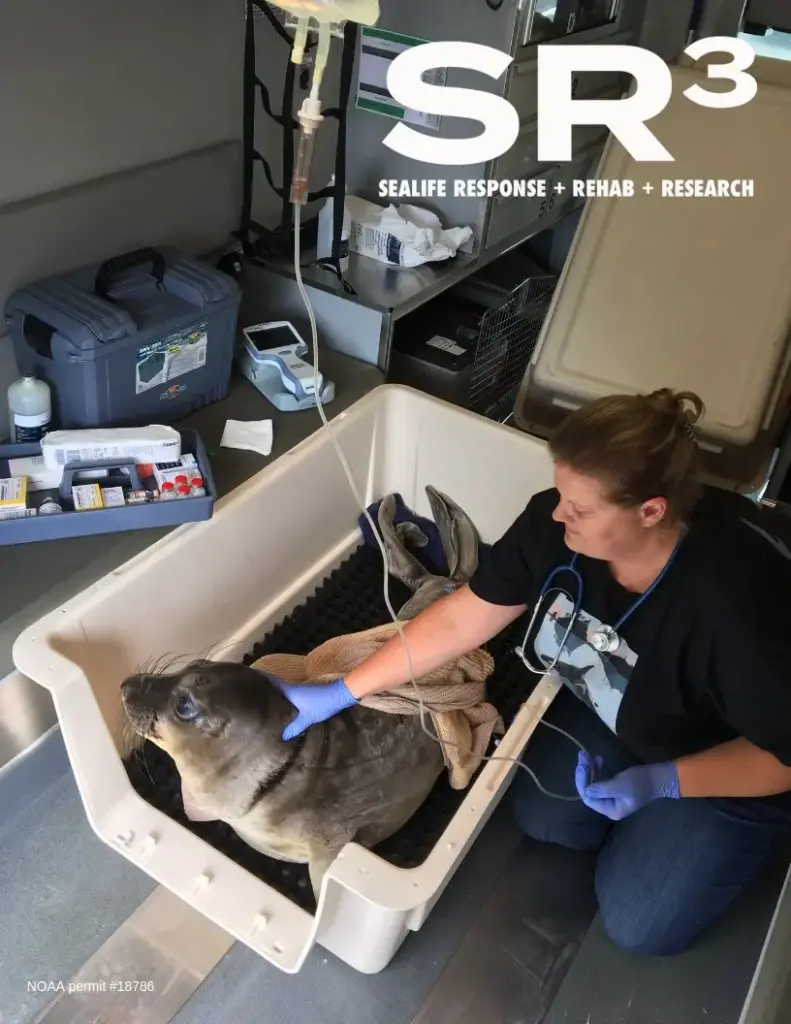
When a pup is deemed genuinely abandoned, sick, or injured, authorized responders safely transport the animal to SR3’s specialized marine mammal hospital. Upon arrival, the veterinary team executes an immediate triage protocol:
- Physical Assessment: Veterinarians check for lacerations, dehydration levels, respiratory infections, and parasitic burdens.
- Weight and Age Estimation: Using dental eruption patterns, pelage (coat) characteristics, and body weight, clinicians estimate the pup’s age—often ranging from just a few hours to a few weeks old.
- Thermal Stabilization: Pups suffering from hypothermia are placed in temperature-regulated holding units to slowly bring their core body temperatures back to normal without inducing thermal shock.
Phase Two: Intensive Care and Formula Rearing
For neonatal pups that arrive without their mothers, the primary challenge is nutritional. Harbor seal milk is exceptionally rich in fat, allowing pups to double their birth weight in a matter of weeks. To replicate this, SR3 specialists formulate a specialized, high-calorie liquid diet consisting of blended fish, heavy cream, and essential vitamins.
During the first few weeks of life at the facility, feeding requires intensive, round-the-clock human intervention:
- Tube Feeding: In the earliest stages, pups too weak to nurse independently are fed via gastric intubation to ensure safe delivery of nutrients.
- Transition to Bottle and Pan Feeding: As the pups grow stronger, staff members transition them to bottle feeding and, eventually, to eating whole fish from shallow water pans. This transition period is critical, as it teaches the pups to recognize fish as food rather than relying on human-provided liquids.
Phase Three: Aquatic Conditioning and Socialization
Once a seal pup has successfully transitioned to a solid fish diet and gained sufficient blubber mass, it graduates to the rehabilitation pools. This phase marks a pivotal shift from medical treatment to behavioral preparation.
In these specialized outdoor saltwater enclosures, pups learn essential aquatic skills:
- Buoyancy and Diving: Pups strengthen their musculature, practice breath-holding, and learn to navigate underwater currents.
- Live Fish Introduction: To stimulate natural predatory instincts, rehabilitation staff introduce live fish (such as small local species) into the pools. This encourages the pups to stalk, chase, and capture live prey independently.
- Socialization: Pups are housed with peers of similar age and size. This peer-to-peer interaction allows them to develop normal social behaviors, establish dominance hierarchies, and avoid the risks of human imprinting.
Phase Four: Pre-Release Assessment and Return to the Wild
Before any seal is cleared for release, it must pass a rigorous set of exit criteria established by federal guidelines and veterinary standards. Clinicians verify that the animal is completely free of infectious diseases, displays a healthy fear of humans, demonstrates independent foraging success on live prey, and possesses an appropriate weight-to-length ratio for survival in the open ocean.
Once cleared, the seals are transported to carefully selected, protected release sites within the Salish Sea Hope Spot. Upon opening the transport crates, the rehabilitated pups typically surge toward the shoreline, plunging into the cold Pacific waters to begin their independent lives in the wild.
Supporting Context & Metrics: The Salish Sea Ecosystem
To understand the significance of SR3’s rehabilitation work, one must examine the broader ecological landscape of the Salish Sea. Spanning thousands of square miles of marine waters shared by Washington State (United States) and British Columbia (Canada), this inland sea is a biological powerhouse driven by complex tidal mixing, nutrient upwelling, and extensive estuarine systems.
Ecological Significance and Hope Spot Designation
Recognized globally as a Mission Blue Hope Spot, the Salish Sea is home to an astonishing array of marine life, including iconic species such as the endangered Southern Resident killer whales, Chinook salmon, harbor porpoises, and massive populations of harbor seals.
However, this ecological richness faces unprecedented anthropogenic pressures:
- Habitat Fragmentation: Rapid coastal urbanization along the Puget Sound and the Georgia Strait has led to extensive shoreline modification, reducing natural haul-out sites for pinnipeds.
- Water Quality Degradation: Agricultural runoff, industrial pollutants, and stormwater discharge introduce chemical contaminants—such as polychlorinated biphenyls (PCBs) and heavy metals—into the marine food web.
- Prey Availability: Declines in wild salmon stocks directly impact the entire marine trophic web, making survival increasingly difficult for recovering seal pups.
Quantitative Impact Metrics of SR3
As a Hope Spot Champion, SR3 plays a critical quantitative and qualitative role in mitigating these pressures. While exact annual figures fluctuate based on environmental conditions and stranding seasons, institutional data highlights the scale of their operations:
- Annual Intake Volume: SR3 regularly assesses and treats dozens of distressed marine mammals each year, with harbor seals representing the vast majority of the caseload.
- Survival and Release Rates: Through advanced veterinary protocols and specialized nutritional management, SR3 maintains a high successful rehabilitation and release rate, returning a significant percentage of admitted pups back to the Salish Sea ecosystem.
- Geographic Reach: The organization’s response network covers hundreds of miles of shoreline across the Pacific Northwest, mobilizing trained volunteers and marine biologists within hours of a reported stranding.
Official Statements and Expert Perspectives
The success of SR3’s mission relies on a collaborative framework uniting marine scientists, conservationists, regulatory agencies, and the public. Key stakeholders emphasize the dual purpose of marine mammal rehabilitation: individual animal welfare and broader ecological health indicator monitoring.
Dr. Sarah Jennison, a lead marine veterinarian working within the Pacific Northwest rescue network, underscores the physiological resilience of harbor seal pups when given timely medical intervention:
"When these pups arrive at our facility, they are often on the brink of physiological collapse. Their bodies are utilizing every ounce of energy just to maintain core temperature and basic metabolic functions. Yet, the resilience inherent in Phoca vitulina is remarkable. With targeted nutritional support, minimal human handling, and access to clean saltwater environments, we routinely witness animals transform from fragile, unresponsive patients into robust, highly capable predators ready to reclaim their place in the ecosystem."
Conservation advocates also stress the importance of public education and adherence to marine mammal protection laws, particularly the U.S. Marine Mammal Protection Act (MMPA). Marina Vance, a coastal conservation strategist for the Salish Sea Hope Spot initiative, notes that human disturbance remains a primary driver of premature maternal separation:
"People often see a solitary seal pup resting on a sandy beach or rocky outcrop and assume it has been abandoned. Out of a misguided desire to help, well-meaning beachgoers approach, touch, or even move the animal. This intrusion frequently frightens the mother away, permanently severing that vital maternal bond. Our message to the public is clear: Give marine wildlife space, keep domestic dogs on leashes, and always contact professional stranding networks rather than intervening directly."
Furthermore, institutional partnerships—such as SR3’s alignment with the Rolex Perpetual Planet Initiative—provide the necessary financial and logistical backing to scale up complex rescue operations, invest in advanced diagnostic equipment, and expand community outreach programs across the region.
Future Outlook: Challenges and Conservation Horizons
Looking ahead, the long-term viability of marine mammal populations in the Salish Sea depends on addressing the systemic environmental challenges facing the Pacific Northwest. While rehabilitation facilities like SR3 provide a critical safety net for individual animals, experts agree that treating the symptoms of ecosystem distress is not a substitute for comprehensive environmental conservation.
Climate Change and Ocean Warming
Rising ocean temperatures and shifting meteorological patterns pose significant challenges to marine life in the Salish Sea. Warmer waters can alter the distribution and abundance of forage fish species, disrupt traditional pupping timelines, and increase the prevalence of harmful algal blooms that produce neurotoxins detrimental to marine mammals.
Mitigation Strategies and Future Goals
To safeguard the ecological integrity of the Salish Sea Hope Spot for future generations, conservation organizations and researchers are focusing on several key forward-looking initiatives:
- Enhanced Stranding Networks: Expanding volunteer training programs and deploying rapid-response units to remote shorelines to ensure faster rescue times for distressed animals.
- Habitat Protection and Restoration: Collaborating with municipal planners and indigenous nations to protect and restore critical haul-out sites and nearshore foraging habitats.
- Contaminant Research: Utilizing biological samples collected during routine veterinary examinations to monitor pollutant accumulation in marine predators, providing critical data for environmental policymakers.
- Public Stewardship Campaigns: Strengthening educational outreach to promote responsible coastal recreation, reduce marine debris, and foster a culture of coexistence between coastal communities and local marine wildlife.
As young harbor seals continue to graduate from SR3’s rehabilitation pools and dive into the cold, dynamic waters of the Salish Sea, they represent more than just individual success stories. They serve as resilient ambassadors for an interconnected ecosystem—reminding us of the shared responsibility we bear in protecting the fragile marine frontiers of our planet.



