

Executive Overview
As the global scientific community grapples with the converging catastrophes of rapid climate change and precipitous biodiversity loss, researchers are looking backward to move forward. Historical ecological data—long trapped in fragile paper archives, handwritten field notebooks, and faded library collections—offer an irreplaceable baseline against which modern environmental shifts can be measured. For two decades, the Biodiversity Heritage Library (BHL) has stood at the vanguard of this archival resurrection. Growing into the world’s largest open-access digital library for biodiversity literature, BHL now houses a staggering corpus of over 64 million pages.
Yet, simply digitizing pages as image files is not enough. The wealth of information locked within handwritten journals—such as precise species occurrences, population counts, seasonal migration timings, and localized environmental observations—remains functionally inaccessible until it is transcribed into searchable, machine-readable text.
A landmark pilot project spearheaded by Harvard University’s Ernst Mayr Library (EML) and integrated into the BHL ecosystem demonstrates how modern artificial intelligence can bridge this divide. By deploying advanced large language models (LLMs) to transcribe the 19th- and early 20th-century ornithological field journals of zoologist Walter Faxon, researchers have taken a giant leap toward feeding historical baseline data directly into global biodiversity frameworks like the Global Biodiversity Information Facility (GBIF). This initiative not only illuminates the meticulous habits of a historic naturalist but also pioneers a scalable methodology for harvesting ecological metrics from the handwritten past to inform conservation strategies of the future.
Detailed Chronology: The Faxon Project Timeline
The integration of Walter Faxon’s personal ornithological archives into the global digital ecosystem represents the culmination of years of institutional dedication, technological evolution, and targeted fellowship work.
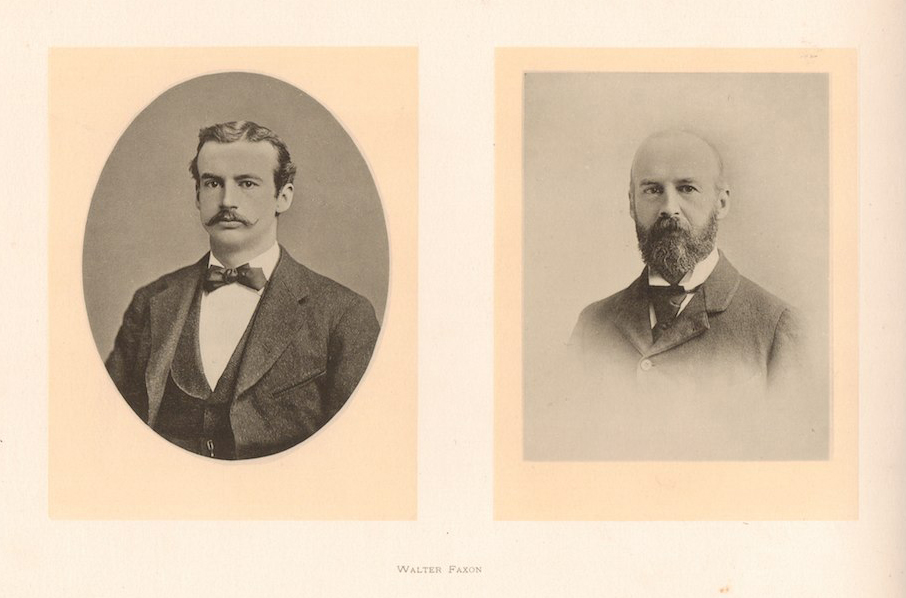
The Subject: Walter Faxon (1848–1920)
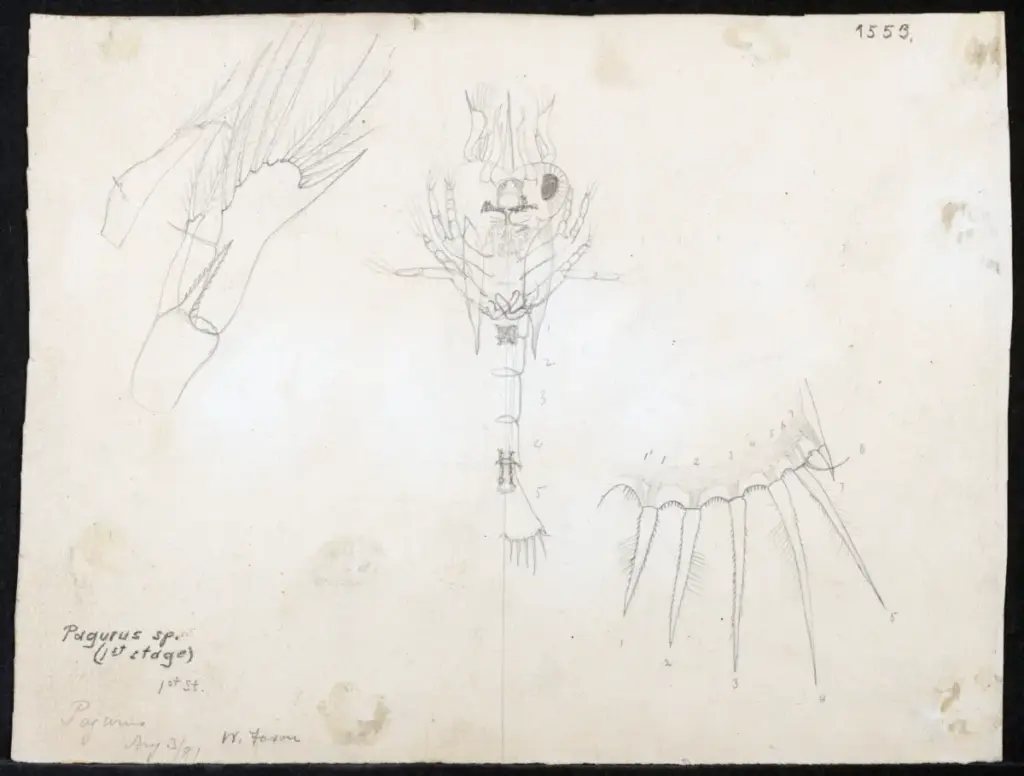
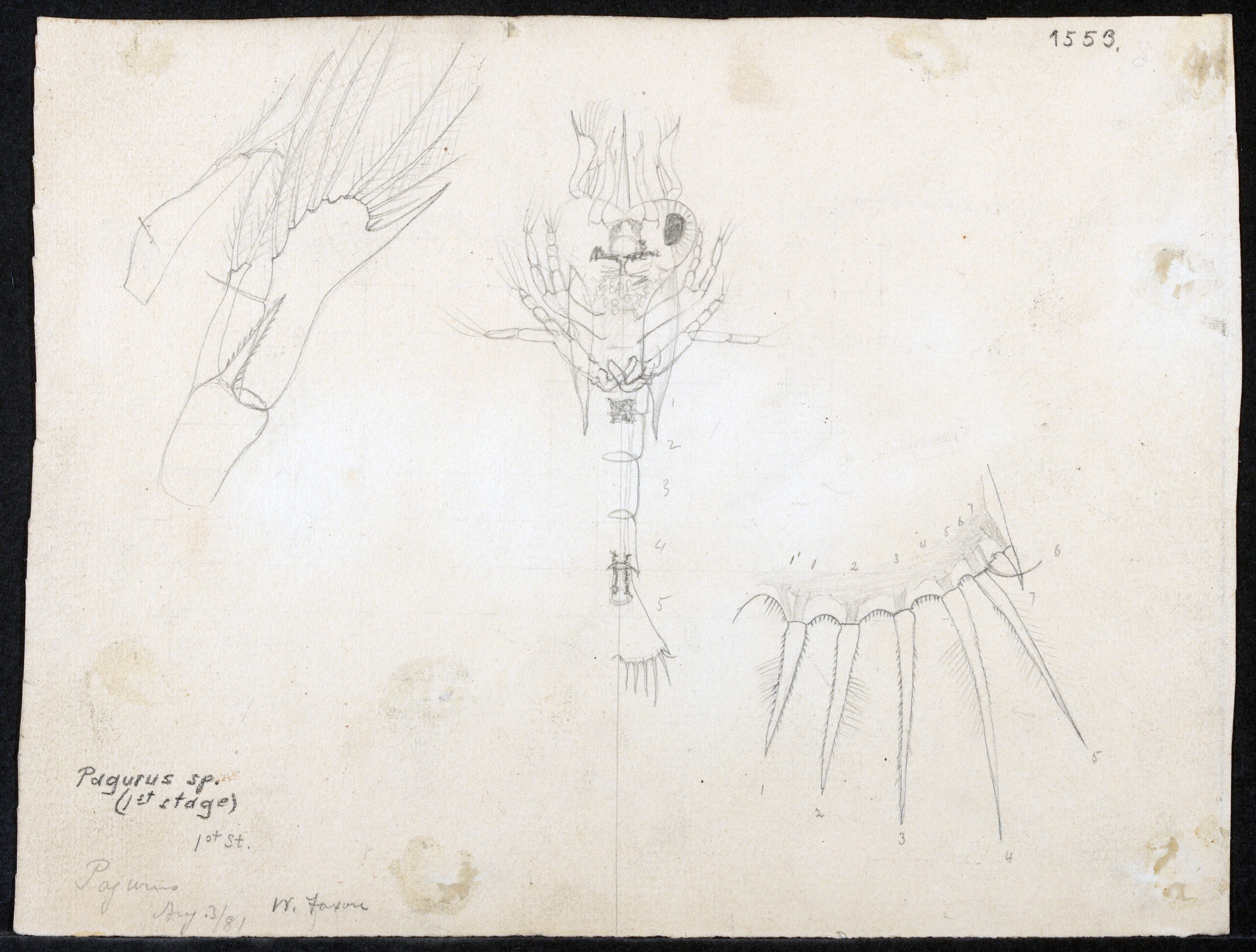
Born in Massachusetts, Walter Faxon dedicated his professional life to zoology, serving as an Assistant Professor of Zoology at Harvard University from 1872 to 1886 and as the Curator of the Invertebrate Department at Harvard’s Museum of Comparative Zoology (MCZ) for an astonishing 46 years (1874–1920). While his official scientific focus centered on crustaceans and mollusks—evidenced by his precise, delicate pencil sketches of hermit crabs and arthropods—Faxon pursued ornithology as an avocation with matching, unyielding rigor.
Over a nearly 60-year field career, Faxon cultivated a reputation for absolute precision. Recognized as a Fellow of the American Ornithologists’ Union, his acute powers of observation and scrupulous avoidance of error meant his field identifications were never questioned. The data he recorded between 1886 and 1919 across more than 2,200 pages of manuscripts represent an exceptionally trustworthy record of New England’s historical avian populations.
Digitization and Fellowship (2025–2026)
- 2025: Recognizing the urgent need to surface climate-relevant baseline data, the Harvard Library Collections Digitization Program selected the Faxon collection for comprehensive imaging under its climate change initiative.
- June 1, 2026: Harvard PhD candidate in Anthropology Mohit Mandal assumed the prestigious 2026 Pforzheimer Fellowship at the Ernst Mayr Library, tasked with spearheading the technological pipeline for transcribing Faxon’s complex field journals, notebooks, and bird lists.
- June–July 2026: Mandal conducted rigorous comparative testing of leading artificial intelligence models, ultimately designing a hybrid workflow utilizing ChatGPT for primary text extraction and Claude for cross-verification.
- August 31, 2026: The intensive fellowship period concluded, having successfully achieved the primary operational goal of processing nearly 2,000 manuscript pages into searchable transcript files ready for BHL deployment.
Supporting Context & Metrics: Unlocking the Archives
The scale and complexity of the Faxon collection underscore both the magnitude of the archival challenge and the immense value of the resulting dataset.
Collection Composition and Scope
The Ernst Mayr Library’s Faxon holding is a tightly focused yet information-dense repository:
- Total Manuscript Pages: Just over 2,200 pages, including correspondence, eight original scientific illustrations of arthropods and crustaceans, and miscellaneous items.
- Core Ecological Records: 1,640 pages dedicated specifically to field journals, bird lists, and field notebooks spanning 33 active years (1886–1919).
- Granular Data Points: Thousands of individual bird observations detailing species scientific names, exact calendar dates, specific geographic localities, and quantitative headcounts. Many entries further enrich these metrics with contextual indicators such as biological sex, developmental life stage, and behavioral notes (e.g., vocalization patterns and flocking behavior).
The Technological Pipeline: AI Model Evaluation
To tackle the daunting task of converting cursive 19th-century handwriting into structured digital text, Fellow Mohit Mandal systematically benchmarked current AI architectures:
- Google Gemini: Evaluated first, Gemini demonstrated high baseline accuracy in text recognition. However, operational bottlenecks—including strict file upload constraints and rigid ecosystem limitations (such as a lack of compatibility with standard word processors like Microsoft Word)—rendered it less practical for high-volume archival workflows.
- ChatGPT: Selected as the primary transcription engine due to its superior user flexibility, iterative prompting capabilities, and the ability to train and maintain consistent formatting rules according to specialized project parameters.
- Claude: Integrated as a secondary verification tool. By running initial ChatGPT transcripts through Claude, the project leveraged complementary AI capabilities, creating a cross-validation loop that significantly enhanced overall accuracy.
Hurdles in Historical AI Transcription
Despite the triumphs of modern LLMs, the project exposed distinct technical limitations inherent in processing historical manuscripts:
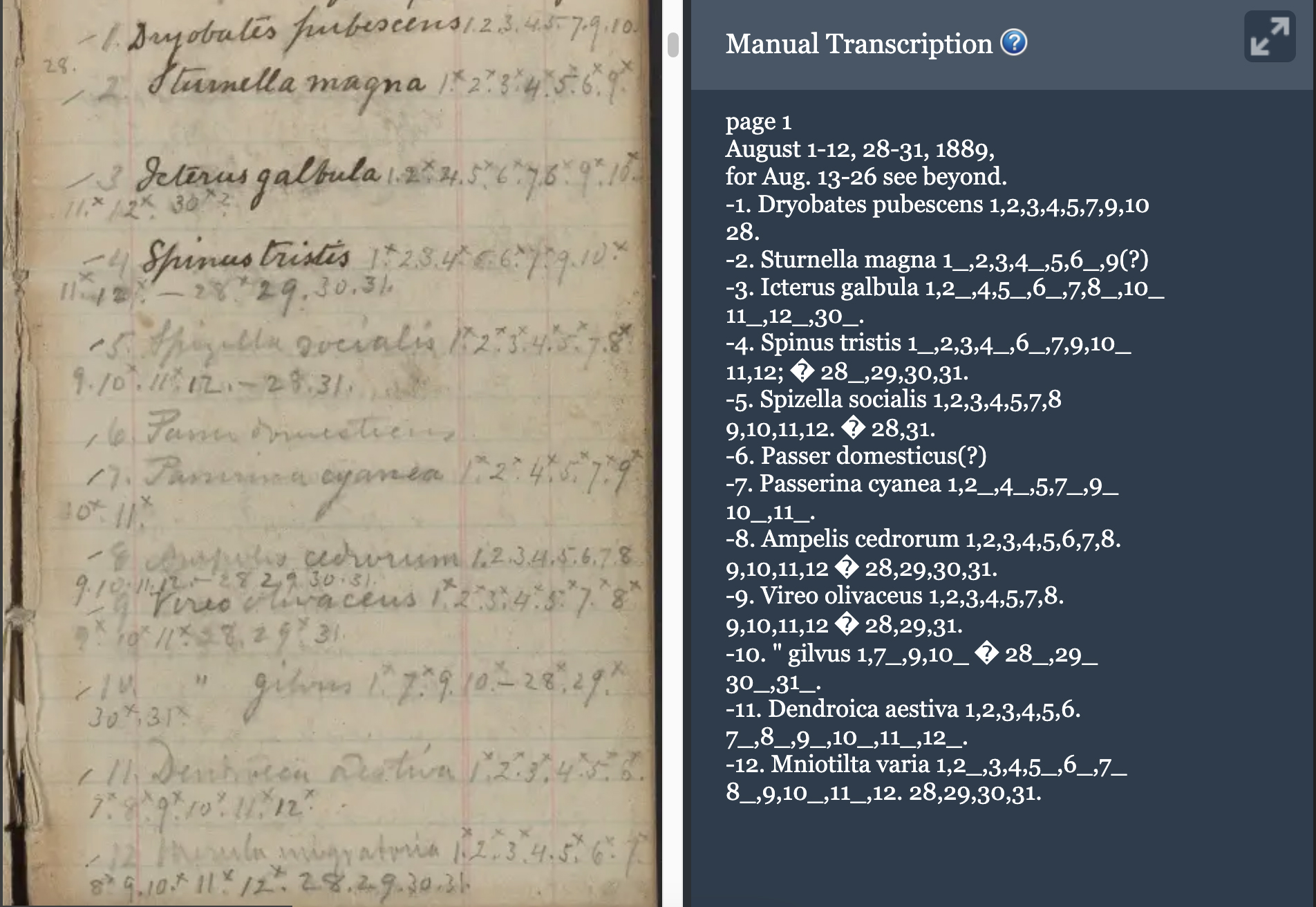
- Physical Degradation: Faded pencil markings, graphite smudges, and marginal annotations written at erratic angles frequently confounded AI spatial awareness, leading to omitted text blocks.
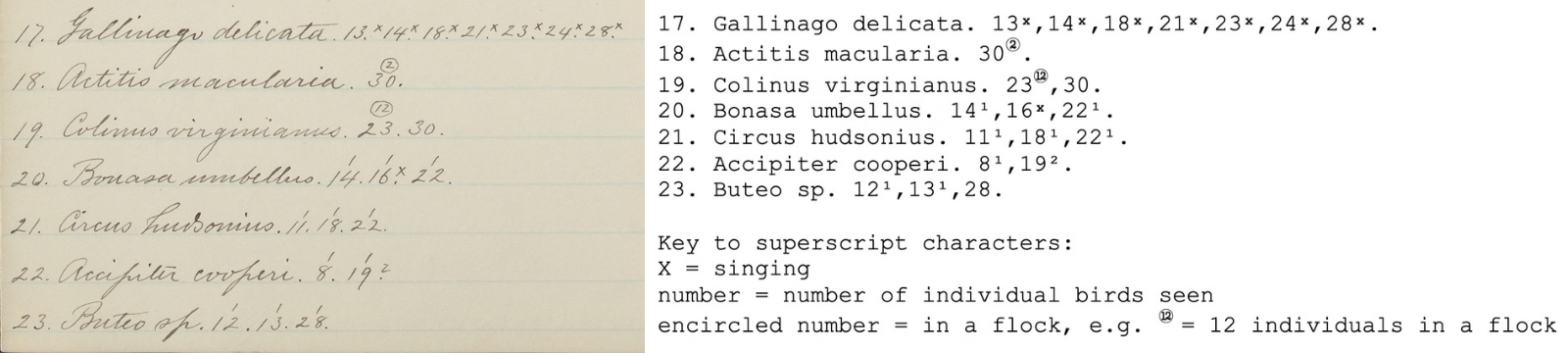
- Interlinear Annotations: Faxon frequently inserted tiny numbers and symbols between primary lines of text to denote flock sizes, singing behaviors, or specific counts. Standard word processors and AI line-spacing constraints routinely flattened or ignored these vital data points, requiring custom superscript formatting protocols to preserve their structural context.
- AI Hallucinations: In isolated instances, advanced models substituted rare binomial nomenclature with biologically implausible errors (such as mis-transcribing the Eastern Bluebird, Sialia sialis, as the Swainson’s Thrush, Hylocichla ustulata, or confusing the American Robin, Merula migratoria, with the Black-and-white Warbler, Mniotilta varia).
These anomalies reinforce a vital operational conclusion: while AI accelerates the mechanical aspects of mass transcription, human oversight remains irreplaceable for scientific accuracy.
Official Statements and Perspectives
Reflecting on the milestone 20-year trajectory of the Biodiversity Heritage Library and the cutting-edge integration of AI at Harvard, institutional leaders have emphasized the profound synergy between heritage preservation and modern ecological science.
Joe deVeer, Co-Secretary of the BHL Executive Committee and Digital Projects Manager at the Ernst Mayr Library—where he has stewarded digital initiatives since 2006—reflected on the journey:
"Over the past two decades, BHL has grown into the world’s largest open access digital library for biodiversity literature, preserving invaluable treasures like Walter Faxon’s field journals. Projects like this prove that our historical archives are not static museum pieces, but active data repositories waiting to inform our understanding of life on Earth."
Highlighting the methodological takeaways of the fellowship, research fellow Mohit Mandal emphasized the balance between machine efficiency and human curation:
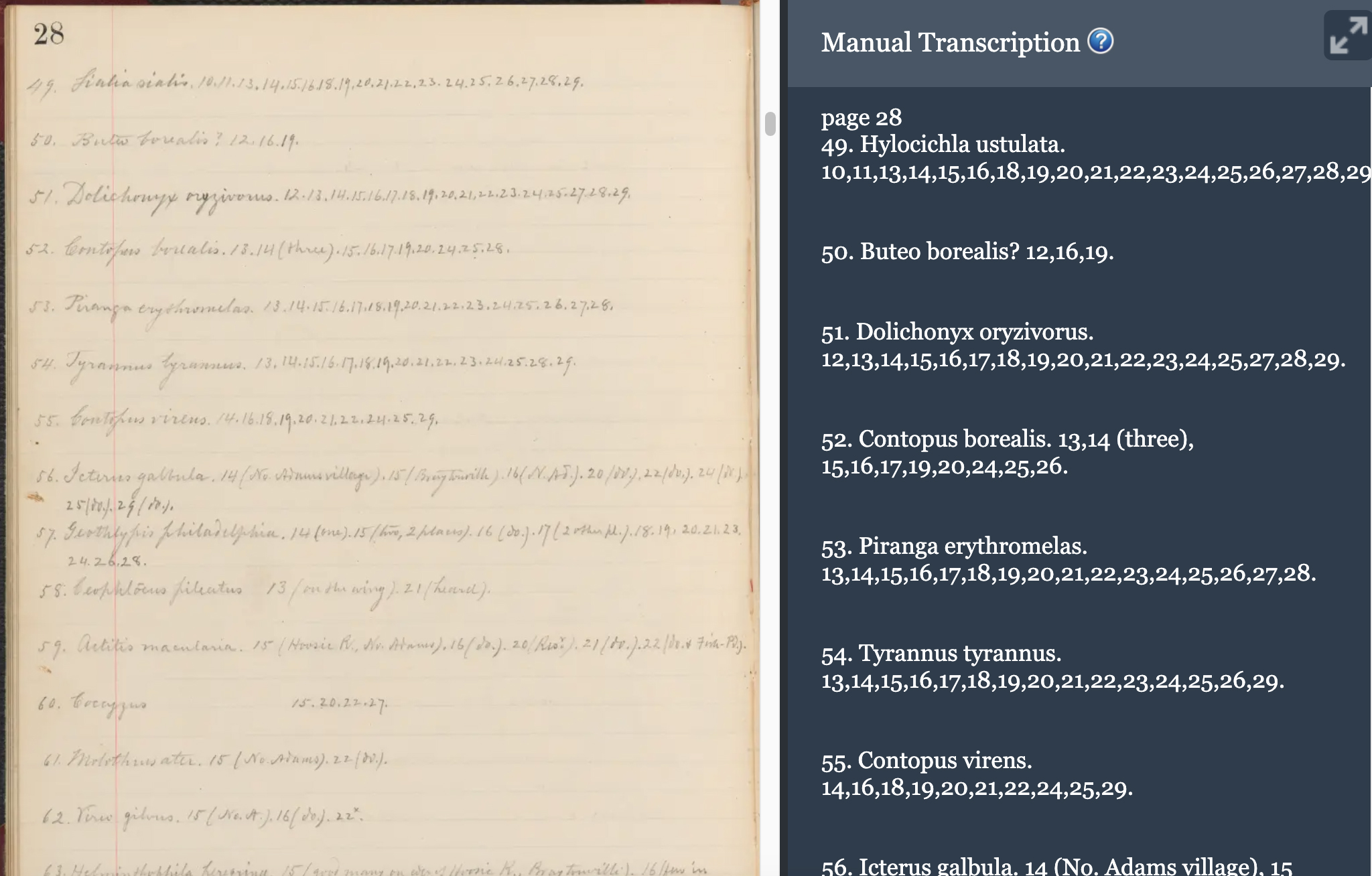
"The human element remains central to guide the goals and direction of the project, without which AI tools—at least at this stage of their development—often falter in accuracy, especially when handling complex page layouts and difficult handwriting."
Future Outlook: Bridging Archives and Global Biodiversity Frameworks
As the Biodiversity Heritage Library approaches its third decade, the successful transcription of the Walter Faxon collection serves as a powerful proof-of-concept for the broader digital humanities and ecological communities.
The immediate next phase involves exporting these newly verified transcripts from BHL directly into the Global Biodiversity Information Facility (GBIF). By transforming narrative field journals into standardized, machine-queryable occurrence records, historical sightings from the late 19th century are rendered interoperable with modern telemetry, satellite tracking, and contemporary ecological datasets.
This seamless pipeline—moving from physical paper in the Ernst Mayr Library to AI-assisted transcription, hosting within BHL’s searchable infrastructure, and ultimate syndication to GBIF—establishes a blueprint for unlocking thousands of similar archival collections worldwide. As AI models continue to evolve and institutional platforms undergo modernization, the conservation community moves ever closer to a fully sustainable, automated mechanism for extracting deep-time environmental data. In doing so, the meticulous observations of naturalists from centuries past are given a renewed lease on life, offering vital historical clarity to guide humanity through present and future environmental crises.



