

Executive Overview
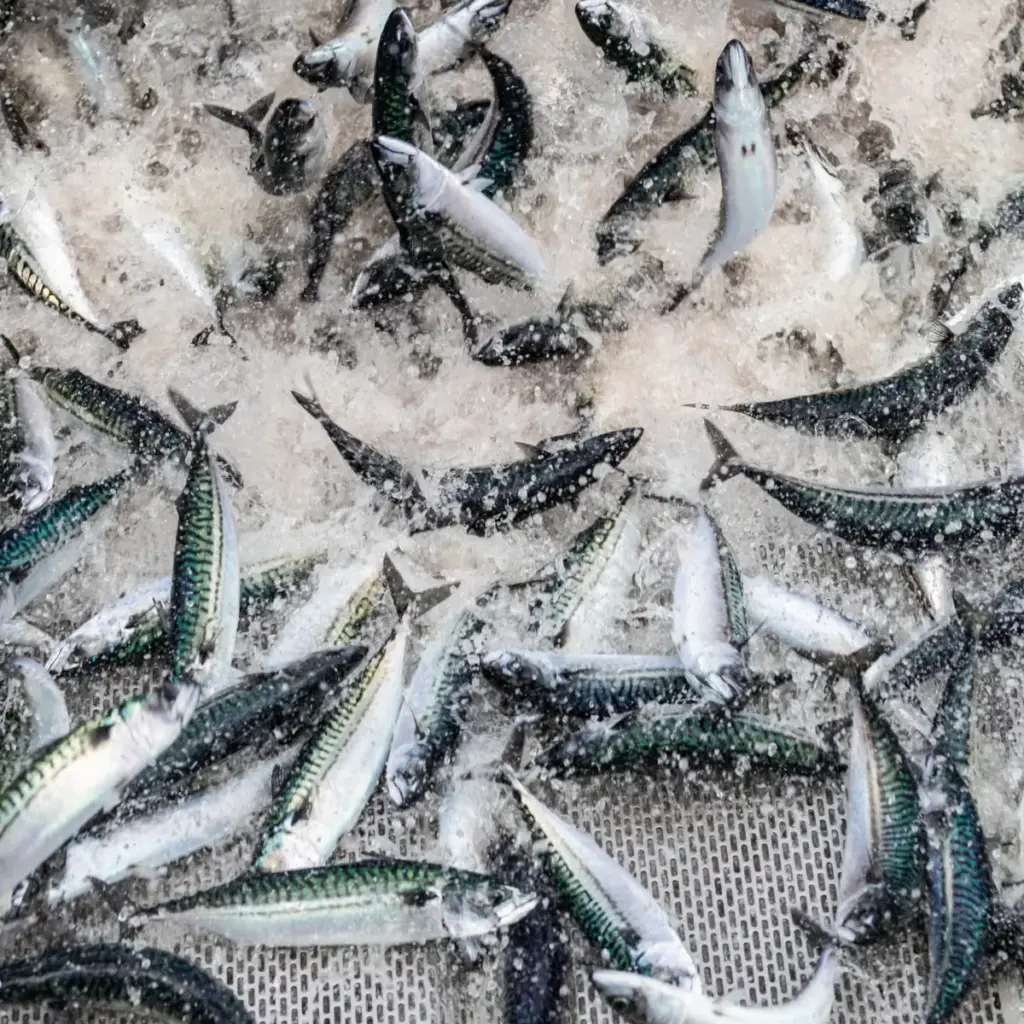
For years, scientists, conservationists, and commercial fisheries experts have watched the Northeast Atlantic mackerel stock with mounting dread. As the region’s largest and most economically lucrative fishery, its health is vital not only to the marine ecosystems of Northern Europe but also to the multi-million-dollar seafood supply chains that span the continent.
Yet, despite repeated warnings from marine biologists and advisory bodies, coastal states and fishing nations engaged in years of chronic overfishing, routinely bypassing scientific consensus in favor of short-term economic gains.
New scientific advice published by the International Council for the Exploration of the Sea (ICES) offers a brief, fragile reprieve. Northeast Atlantic mackerel has narrowly avoided a catastrophic "zero-catch" recommendation—a designation that would have effectively shuttered the fishery overnight to prevent total population collapse. Thanks to unexpected biological resilience—specifically improved recruitment from the 2024 year class and higher mean weights-at-age entering the stock—the spawning-stock biomass (SSB) is estimated to remain above critical biological reference points ($B_lim$).
However, this narrow escape should not be mistaken for a success story. The underlying metrics of the fishery remain deeply concerning. Despite the slight demographic stabilization, the overall stock has plummeted by a staggering 72% since 2016. Current population levels still fall well below the legal and environmental thresholds mandated by international treaties and domestic UK legislation. ICES continues to advise an 11% reduction in total catches, and marine conservation organizations warn that governments were dangerously close to repeating the catastrophic regulatory failures that have driven countless other global fisheries to commercial extinction.
This report examines the precarious state of the Northeast Atlantic mackerel fishery, analyzing the complex intersection of marine biology, political mismanagement, commercial pressure, and the urgent reforms required to prevent future ecological disaster.
Detailed Chronology: A Decade of Decline and Near-Misses
To understand the gravity of the latest ICES advice, it is necessary to trace the trajectory of the Northeast Atlantic mackerel fishery over the past decade. The crisis is not the result of a sudden, unforeseen environmental shock, but rather the cumulative outcome of prolonged political deadlock and systemic overfishing.
2016–2019: The Divergence of Science and Policy
Following years of relative stability, the mid-2010s marked a turning point for mackerel populations. As migratory patterns shifted due to warming ocean temperatures, the fish began ranging more widely across international waters. This triggered a bitter geopolitical dispute among coastal states—including the United Kingdom, the European Union, Norway, Iceland, and the Faroe Islands—over catch quotas.
Rather than adhering to the scientifically recommended Total Allowable Catch (TAC) limits, individual nations repeatedly set unilateral, inflated quotas. By 2016, the cumulative extraction rates far exceeded what the population could naturally regenerate. This divergence between scientific warnings and political reality initiated a steep, uninterrupted downward spiral in stock biomass.
2020–2023: Escalating Warnings and Industry Alarm
As the stock continued its precipitous decline, scientific bodies grew increasingly vocal. ICES issued progressively starker warnings, noting that the spawning-stock biomass was rapidly approaching dangerous tipping points. Conservation organizations, including the Blue Marine Foundation, lobbied governments to establish a binding, multi-lateral management framework that would curb excessive fishing.
Despite these warnings, fishing nations failed to reach a comprehensive sharing agreement. The tragedy of the commons played out in real-time: each nation sought to maximize its immediate share of a diminishing resource, betting that neighboring countries would be the ones to scale back their operations.
Early 2025: Major Retailers Take Matters into Their Own Hands
The crisis escalated from a bureaucratic debate into a mainstream commercial issue in early 2025. Facing mounting pressure from environmental groups and conscious consumers, major British supermarket chain Waitrose took the unprecedented step of suspending the sourcing and sale of Northeast Atlantic mackerel entirely.
Waitrose cited chronic overfishing and the utter failure of coastal state governments to align their policies with scientific evidence. In public statements, the retailer warned that continued inaction not only threatened the long-term biological viability of the fishery but also critically undermined consumer confidence in seafood sustainability certifications. The move sent shockwaves through the supply chain, signaling to commercial fleets that the market was increasingly unwilling to tolerate ecological negligence.
Late 2026: The New ICES Advice and the Illusion of Recovery
The release of the latest ICES advice in September 2026 brought a mix of cautious relief and stark condemnation. ICES announced that due to an unexpectedly strong recruitment phase in 2026 (stemming from the 2024 year class) and higher mean weights-at-age, the projected spawning-stock biomass for 2026 is estimated to sit safely above $B_lim$—the threshold below which recruitment is impaired.
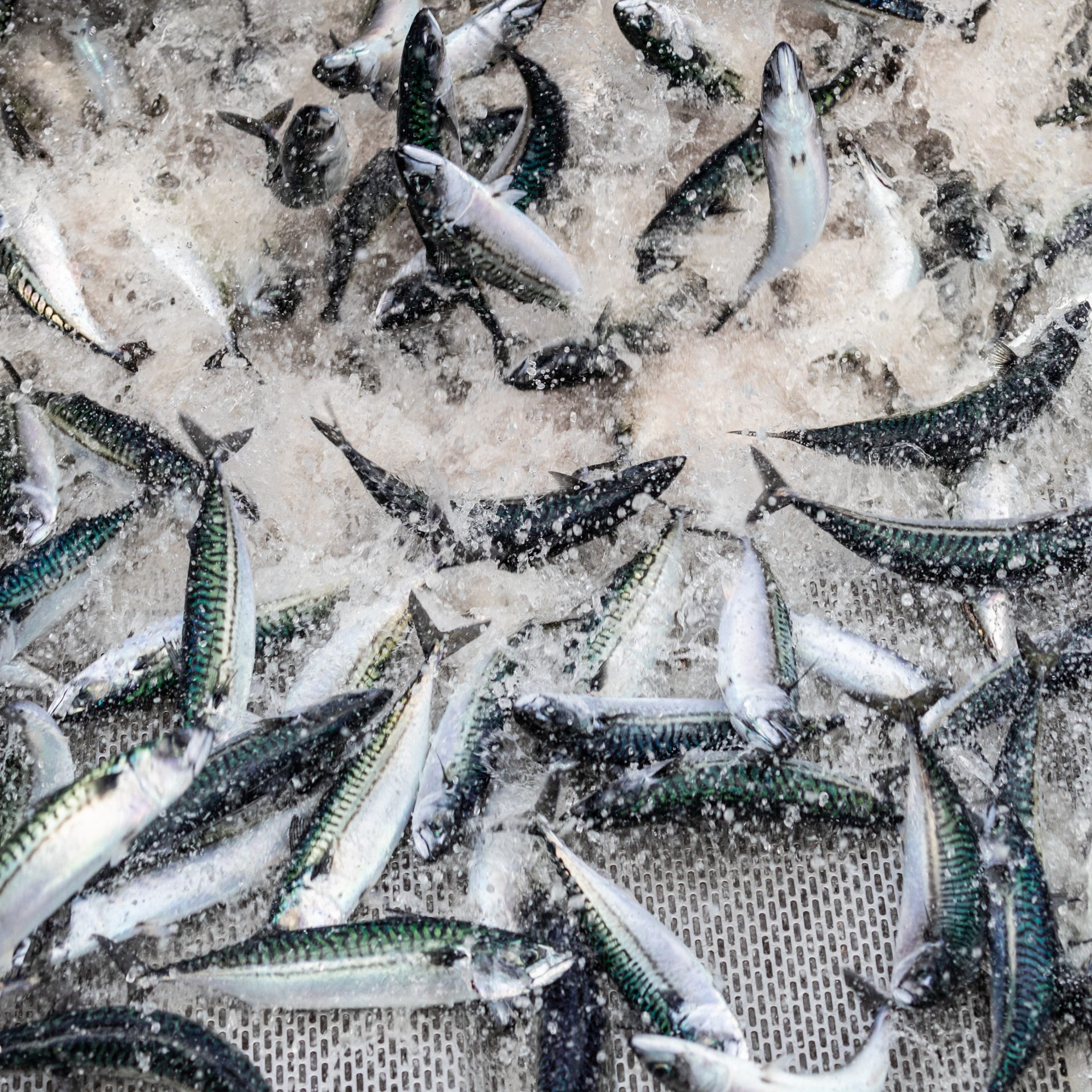
This biological uptick allowed ICES to advise a higher fishing pressure multiplier (0.15 for the 2026 advice, compared to just 0.07 in the 2025 guidance), resulting in a technical increase in the overall advice value by 102% compared to the previous year’s pessimistic baseline. However, when translated into practical management terms, the guidance still dictates an 11% reduction in actual catches relative to recent removal levels.
Far from signaling a robust recovery, scientists emphasized that the fishery was rescued by nature, not by human stewardship.
Supporting Context & Metrics: The Hard Data Behind the Crisis
A closer examination of the data reveals a fishery operating on the razor’s edge. While headlines may focus on the avoidance of a zero-catch recommendation, the underlying metrics paint a sobering picture of ecological depletion.
- 72% Decline: The total mackerel stock has experienced a catastrophic reduction of 72% since its peak in 2016. This represents billions of individual fish lost from the marine ecosystem.
- The $B_lim$ Threshold: The spawning-stock biomass (SSB) is currently hovering just above the limit reference point ($Blim$). In fisheries science, falling below $Blim$ means the stock has a high probability of suffering impaired reproduction, leading to an exponential population crash.
- 11% Catch Reduction Mandate: Despite the demographic cushion provided by the 2024 year class, ICES maintains that catches must be cut by 11% to prevent the stock from slipping backward into dangerous territory.
- The 2024 Year Class Effect: The primary driver behind the avoided zero-catch scenario is a localized biological anomaly—a successful spawning season in 2024 that produced a strong cohort of young fish entering the population. Fisheries experts warn that relying on sporadic, strong year classes to bail out systemic overfishing is a dangerous gamble, akin to playing Russian roulette with the marine food web.
- Legal Non-Compliance: Even with the slight stabilization, current stock sizes remain persistently below the legal thresholds mandated by international treaties and domestic UK fisheries legislation, placing governments in potential violation of their own statutory environmental commitments.
Official Statements & Expert Perspectives
The disconnect between scientific necessity and political complacency has drawn fierce criticism from environmental advocates and policy experts.
Jonny Hughes, Fisheries Policy Lead at the Blue Marine Foundation, did not mince words in his assessment of the current situation:
“The stock has declined by 72% since 2016 and is still below the level required by international treaties and UK domestic law. Scientists are advising that catches be reduced by 11% and all the mackerel fishing countries should commit to doing this. The fact the stock has avoided a further decline is good, but it highlights the uncomfortable reality that governments came dangerously close to repeating the mistakes that have driven other fish stocks into collapse.
The question now is whether governments will finally listen to the science or continue gambling with one of the most important fisheries in the Northeast Atlantic.”
Marine biologists echo these sentiments, pointing out that political bodies routinely engage in "quota laundering"—negotiating catch limits that nominally follow scientific advice on paper while utilizing loopholes, exemptions, and unallocated quotas that ensure actual mortalities far exceed sustainable limits.
Retail analysts note that consumer pressure will likely mount in the wake of the ICES report. Following Waitrose’s precedent-setting boycott in 2025, other supermarket chains across the UK and the European Union are facing intense scrutiny regarding their seafood sourcing transparency. Without a binding, multi-lateral agreement among fishing nations, retailers risk finding themselves caught in a reputational crossfire between consumer demand for sustainable seafood and an industry plagued by overexploitation.
Future Outlook: Will Governments Heed the Warning?
As the international community digests the latest ICES advice, the future of the Northeast Atlantic mackerel fishery hangs in the balance. The coming months will test whether coastal state governments are capable of transcending short-term national self-interest in favor of long-term ecological management.
To secure the viability of the fishery and prevent future near-collapse scenarios, several critical steps must be taken:
- Adoption of Scientific Quotas: All fishing nations—including the UK, EU, Norway, Iceland, and the Faroe Islands—must immediately commit to setting their Total Allowable Catch (TAC) limits in strict alignment with ICES recommendations, accepting the mandated 11% reduction without dilution or backdoor exemptions.
- Comprehensive Coastal State Agreement: A binding, long-term sharing arrangement must be negotiated. The historic failure to agree on fair quota allocations has been the primary engine of overfishing over the past decade. Without a cooperative governance framework, any biological recovery will remain temporary.
- Alignment with Domestic and International Law: Governments must bring management practices into compliance with statutory obligations, ensuring that fish stocks are rebuilt and maintained well above precautionary reference points.
- Market Accountability: Retailers and seafood processors must maintain rigorous auditing standards, following the lead of brands that refuse to source from mismanaged fisheries. Market pressure remains one of the most effective deterrents against political inaction.
The mackerel stock has been granted a second chance by the resilience of nature itself. Whether policymakers possess the wisdom and political will to honor that reprieve—or whether they will continue to gamble away one of Europe’s greatest natural assets—remains the defining question for the future of Northeast Atlantic fisheries.



