

Executive Overview
Every garden holds a silent cast of characters—plants that reliably perform, feed local ecosystems, and weather the elements without ever demanding the front-page fanfare of dramatic climbing roses or prized dahlias. In July 2026, a community-driven shout-out hosted by Gardeners’ World on social media sparked a massive international conversation about these overlooked botanical treasures. Contributors submitted a diverse roster of under-celebrated flora, ranging from delicate ferns and architectural heucheras to resilient hellebores and voracious carnivorous plants.
Yet, as the digital tallies rolled in, five specific plants emerged as the undisputed favorites of the gardening community. Far from being mere garden fillers or accidental escapees, these selections challenge conventional landscaping hierarchies. They offer a masterclass in resilience, ecological value, low-maintenance longevity, and nostalgic charm. This report explores the data behind the community’s selections, details the specific cultural and ecological attributes of each plant, and assesses how our shifting attitudes toward "weeds" and native flora are reshaping modern garden design.
Detailed Chronology: How the 2026 Underrated Plant Phenomenon Unfolded
The recognition of these five exceptional plants was not born out of a sterile corporate committee room, but through an organic, grassroots digital conversation that unfolded across the midsummer peak of July 2026.

- Early July 2026: Gardeners’ World launches an open call on its official social media channels, inviting cultivators, allotment holders, and weekend hobbyists to nominate their favorite plants that do not receive the widespread industry praise or commercial spotlight they deserve.
- Mid-July 2026: Engagement surges well past initial projections. Thousands of gardeners contribute images, personal anecdotes, and regional insights. While classic ornamentals and exotic oddities receive passing nods, a distinct pattern begins to form around resilient perennials, self-seeders, and traditional wildflowers.
- Late July 2026: Editorial horticulturists aggregate the submissions, filtering out high-maintenance greenhouse specimens and focusing on plants categorized by their adaptability, ecological utility, and community consensus.
- The Final Five: Analysts isolate the top five plants that dominated the commentary: the resilient Mexican fleabane (Erigeron karvinskianus), the nostalgic common daisy (Bellis perennis), the historic London pride (Saxifraga x urbium), the versatile hardy geranium (Geranium), and the polarizing yet vital dandelion (Taraxacum officinale agg.).
Supporting Context & Metrics: The Ecology of Overlooked Flora
To understand why these five plants resonated so deeply with modern gardeners, one must examine the broader ecological and cultural context of 21st-century horticulture. Contemporary garden design is undergoing a paradigm shift. Driven by climate volatility, water scarcity, and a growing urgency to support collapsing pollinator populations, traditional manicured perfection—typified by high-input chemical lawns and intensive watering regimens—is steadily losing ground to ecological resilience.
Metrics of Resilience and Wildlife Support
- Pollinator Provisioning: Species like the dandelion and Mexican fleabane provide crucial early-season and extended-season nectar windows. Dandelions are frequently among the very first food sources available to waking bumblebees in early spring, while Erigeron karvinskianus bridges the gap by blooming continuously for months on end well into autumn.
- Input Efficiency: All five featured selections require minimal to zero artificial fertilizers, display high drought tolerance once established, and possess natural pest-resistant qualities (such as London pride’s notable immunity to slugs).
- Propagation Economics: Hardy geraniums and saxifrages offer exceptional value through simple, home-based division and propagation, making sustainable gardening accessible across all income brackets.
The Top 5 Underrated Plants: An In-Depth Botanical Breakdown
5. Mexican Fleabane (Erigeron karvinskianus)
Coming in at number five on the community’s list is the easy-going Mexican daisy, Erigeron karvinskianus. Hailing from Central America, this semi-evergreen herbaceous perennial has quietly conquered walls, gravel drives, and informal border edges across temperate gardens.
- Visual Profile: It features delicate, trailing stems smothered in profuse cascades of flowers that open white before fading gracefully to pink and lavender. This creates a multi-toned, soft aesthetic that effortlessly blurs the hard lines of patios and brickwork.
- Cultural Requirements: Thrives best in full sun within any well-drained soil. It is exceptionally drought-tolerant.
- Community Consensus: Gardeners praise its relentless blooming schedule. As one contributor noted, "Erigeron grows practically anywhere and flowers all summer long." While it is an enthusiastic self-seeder, it rarely becomes a nuisance; unwanted seedlings are shallow-rooted and easily dispatched with a gentle tug.
4. Common Daisy (Bellis perennis)
The wild counterpart to Mexican fleabane, the humble lawn daisy (Bellis perennis), claims the fourth spot. Often dismissed as a persistent weed by proponents of pristine, monoculture turfgrass, the daisy carries immense emotional and ecological weight.

- Visual Profile: Known historically as the "day’s eye" because its flower heads close at night and open with the morning sun, Bellis perennis features cheerful button-like white petals often blushed with crimson tips.
- Cultural Requirements: An evergreen herbaceous perennial that prospers in full sun or partial shade across any well-drained soil. It requires virtually no intervention beyond adjusting mowing heights.
- Community Consensus: The plant evokes powerful nostalgia. Gardeners frequently cite childhood memories spent weaving daisy chains on sun-drenched lawns. Beyond sentimentality, letting up on the mower during the summer months allows the flowers to flourish, providing vital grazing for low-flying pollinators. As a community member remarked: "We have lots in our lawn and they look so lovely, but many people just ignore them, or tread on them."
3. London Pride (Saxifraga x urbium)
Securing the third position is London pride (Saxifraga x urbium), a historic garden favorite that has graced European landscapes for generations.
- Visual Profile: This low-growing evergreen saxifrage forms dense, bright green rosettes that spread into lush carpets of foliage, making it an ideal ground cover for challenging shady corners. In late spring and early summer, it sends up airy, delicate sprays of tiny white-and-pink speckled flowers.
- Cultural Requirements: Prefers partial to full shade and moist, well-drained soil. It is notably slug-resistant, drought-proof, and exceptionally hardy.
- Community Consensus: Gardeners laud its reliability and ease of propagation. Interestingly, its common names vary widely by geography; while English speakers remember it fondly from cottage gardens, its Dutch moniker—Schildersverdriet (painter’s sorrow)—reflects the meticulous patience once required by botanical artists attempting to capture its intricate, delicate flower sprays.
2. Hardy Geranium (Geranium)
Often confused with tender bedding pelargoniums, true hardy geraniums (cranesbills) are perennial powerhouses that secured the second spot on the list.
- Visual Profile: Offering an enormous spectrum of forms, hardy geraniums range from vivid magenta showstoppers like Geranium ‘Anne Folkard’ to the delicate lilac-veined white blooms of Geranium clarkei ‘Kashmir White’ and the sky-blue clouds of ‘Rozanne’.
- Cultural Requirements: Highly adaptable. Most prefer full sun or partial shade with well-drained soil, though certain species tolerate deep shade with ease.
- Community Consensus: The gardening community overwhelmingly praised their weed-suppressing foliage, wildlife value, and incredible propagation economy. A recurring sentiment from contributors highlighted their longevity: "You only have to buy one and in three years you can split it and have loads of free plants to share with your neighbours and friends."
1. Dandelion (Taraxacum officinale agg.)
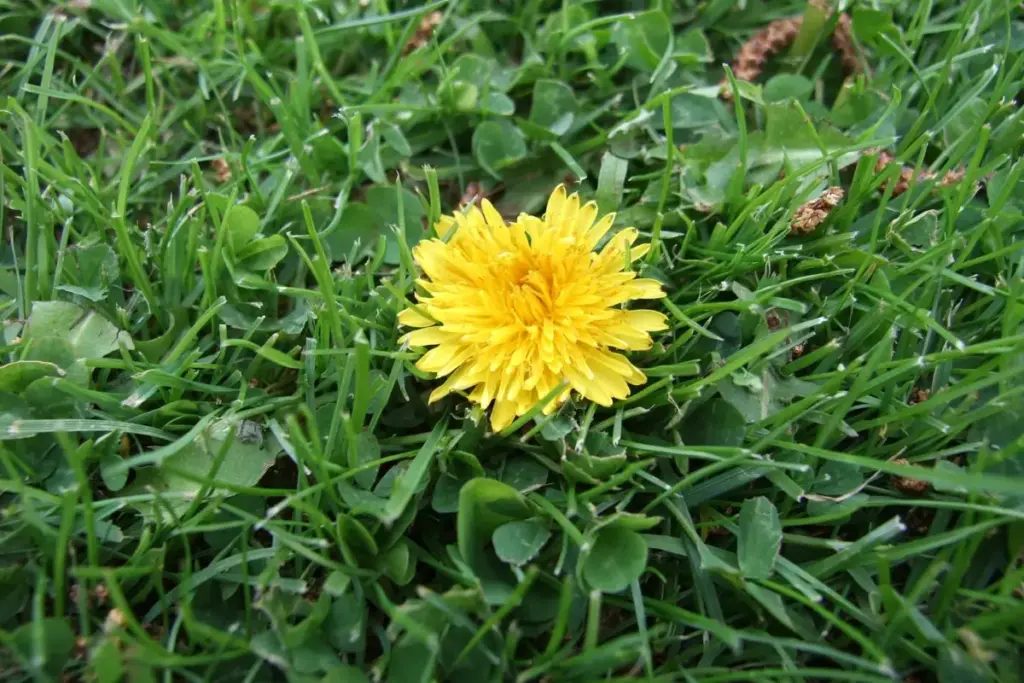
Taking the crown as the ultimate underrated plant is the dandelion (Taraxacum officinale aggregate). While traditional lawn care manuals have spent decades demonizing this bright yellow perennial, the 2026 community consensus marks a dramatic rehabilitation of its reputation.

- Visual Profile: Featuring deeply lobed leaves, vibrant golden-yellow composite flower heads that brighten landscapes en masse from spring through early summer, and iconic spherical seedhead "clocks."
- Cultural Requirements: Thrives universally in full sun or partial shade across virtually any soil type without human assistance.
- Community Consensus: The dandelion earned its number-one ranking through sheer ecological indispensability. As one of the earliest reliable nectar sources for emerging spring pollinators, its value cannot be overstated. When asked why it deserved the top spot, one gardener encapsulated the shifting mood of modern horticulture with simple, unvarnished enthusiasm: "Dandelions. I love them!"
Official Statements & Horticultural Perspectives
Horticultural authorities and landscape designers have increasingly embraced the philosophy reflected in the Gardeners’ World July 2026 showcase. Speaking on the integration of wild and cultivated spaces, leading landscape ecologists note that the traditional boundaries separating "desirable ornamentals" and "nuisance weeds" are rapidly dissolving.
"When we look at plants like Erigeron, London pride, and even the dandelion through a purely aesthetic lens, we miss their structural and ecological contributions," notes senior botanical researcher Dr. Elena Vance. "Modern sustainable gardening requires us to value plants that perform ecosystem services—feeding pollinators, surviving drought, and stabilizing soil—without requiring intensive chemical inputs. The public is intuitively recognizing this shift."
Furthermore, urban conservationists point out that allowing spaces for plants like Bellis perennis and Taraxacum officinale within domestic settings creates essential ecological stepping stones for declining insect populations in increasingly urbanized environments.

Future Outlook: The Evolution of the Low-Input Garden
As climate projections point toward warmer, drier summers punctuated by erratic rainfall events across temperate regions, the horticultural trends highlighted by the July 2026 social media showcase are expected to accelerate.
The plants highlighted in this report point the way toward a resilient future for domestic horticulture:
- The Death of the Pristine Monoculture: The rigid obsession with flawless, weed-free green lawns is giving way to "bee lawns" and micro-clover/daisy integrations that reduce carbon emissions from mowing while maximizing biodiversity.
- Low-Maintenance Perennial Dominance: Gardeners are moving away from short-lived annual bedding plants that require constant replanting, favoring hardy perennials like Geranium and Saxifraga that establish permanent, self-sustaining frameworks.
- Redefining Beauty: The rehabilitation of the dandelion and common daisy signals a profound cultural maturation—one where the beauty of a plant is measured not by its exclusivity or cost, but by its vitality, its generosity to local wildlife, and its ability to connect us to the natural world.
Ultimately, these five underrated plants prove that the best gardens are often those that require the least fuss while giving back the most. As gardeners look ahead to the next growing seasons, the message from the ground level is clear: embrace the resilient, celebrate the overlooked, and let nature do what it does best.



