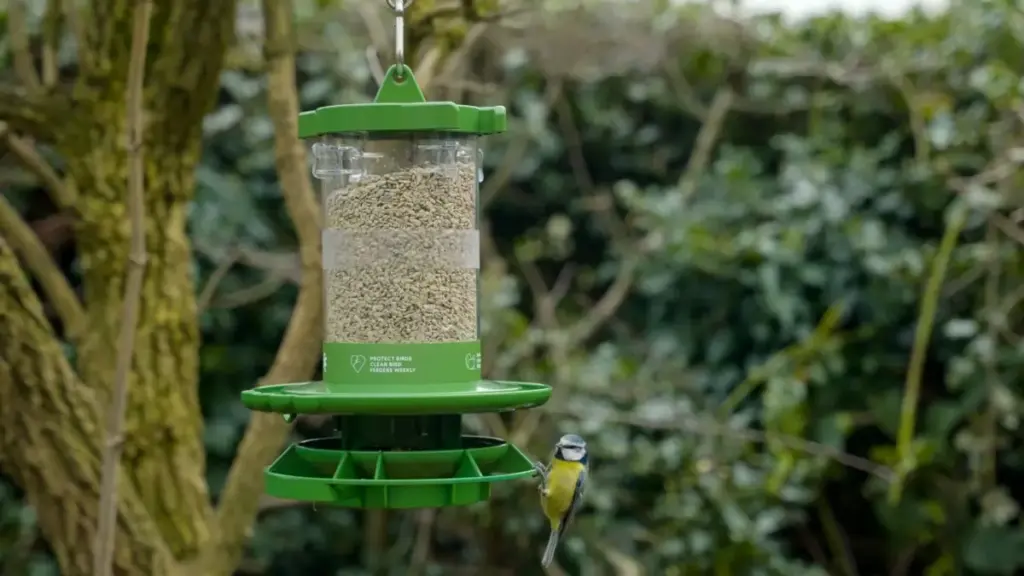
Providing well-stocked bird feeders is one of the most rewarding and effective ways to support local wildlife, helping to supplement birds’ natural diets when high-energy food sources are in short supply. Regular feeding establishes a reliable routine, encouraging familiar garden birds to return as they quickly learn your outdoor space is a dependable refuge. However, recent scientific findings and updated conservation guidance from the Royal Society for the Protection of Birds (RSPB), the British Trust for Ornithology (BTO), and the Institute of Zoology have shifted our understanding of garden bird care.
Disease transmission—particularly regarding avian trichomonosis—presents heightened risks during specific times of the year, transforming busy feeding stations into accidental disease hotspots if rigorous hygiene is ignored. This comprehensive guide explores the evolution of modern bird feeding practices, examines critical seasonal adjustments, and reviews the top wildlife-friendly, eco-conscious, and pest-resistant bird feeders available on the market today. By combining thoughtful garden design with the right equipment, you can foster a thriving, safe avian habitat right outside your window.
Detailed Chronology: The Evolution of Modern Bird Feeding and Disease Awareness
The relationship between human gardeners and wild birds has undergone a profound transformation over the past several decades. What once began as simple scraps thrown onto lawns has evolved into a sophisticated, science-led practice designed to support declining species while mitigating environmental hazards.
Phase One: The Rise of General Backyard Feeding (Late 20th Century)
During the late 1900s, commercial bird feed became widely accessible, encouraging homeowners to set up basic wooden bird tables, ground trays, and simple plastic tube feeders. The primary focus during this era was sheer volume: keeping food available year-round to help garden birds survive harsh winters and demanding breeding seasons. While this undoubtedly helped numerous species flourish, flat surfaces and unstructured feeding areas inadvertently created hubs where food, droppings, and moisture mixed unchecked.
Phase Two: Scientific Scrutiny and Disease Identification (2010s)
As populations of certain iconic garden species—most notably greenfinches and chaffinches—began experiencing steep, unexplained declines across the United Kingdom, conservationists launched targeted investigations. Researchers from the RSPB, the BTO, and the Institute of Zoology pooled resources to study the mortality rates of garden birds. Their findings pointed a finger at Trichomonas gallinae, a parasitic protozoan responsible for avian trichomonosis. The study confirmed that the parasite spreads aggressively during the warmer summer and autumn months, thriving particularly on flat surfaces such as traditional bird tables and open bird baths where infected saliva or food particles accumulate.
Phase Three: The Shift to "Feed Safely, Feed Seasonally" (Present Day)
Armed with empirical data, conservation bodies restructured public advisory campaigns. The blanket approach of constant, unmonitored feeding gave way to a nuanced, safety-first paradigm: Feed safely. Feed seasonally. This modern era prioritizes high-standard hygiene protocols, the strategic removal or modification of flat feeding tables during high-risk windows, and the widespread adoption of modern, easy-to-clean feeding hardware constructed from antimicrobial or fully recyclable materials.
Supporting Context & Metrics: Understanding Avian Health and Product Innovation
To fully appreciate why modern bird feeders are designed the way they are, it is essential to examine the underlying metrics of disease transmission, material science, and consumer trends in wildlife gardening.
The Threat Matrix: Trichomonosis in Focus
Avian trichomonosis affects the upper digestive tract of birds, making it difficult for infected individuals to swallow. Because the parasite survives in damp environments and is easily transmitted through shared food and water, flat surfaces represent the highest risk factor.
Seasonal Peak: Transmission rates soar in summer and autumn due to higher ambient temperatures and increased juvenile bird activity around garden stations.
Species Impact: Finches—particularly greenfinches and chaffinches—have suffered population contractions exceeding 50% in certain monitored regions over the past fifteen years due to recurring trichomonosis outbreaks.
The Hygiene Factor: Studies show that routine, thorough cleaning with specialized wildlife-safe disinfectants drastically reduces pathogen loads, transforming a potential disease vector into a safe feeding station.
Material Evolution in Bird Feeding Accessories
The manufacturing landscape for bird care products has shifted dramatically toward sustainability and longevity. Modern consumers are increasingly rejecting cheap, brittle plastics that degrade under UV radiation. Instead, manufacturers are turning to innovative materials:
Recycled Ocean Plastics: Addressing both marine pollution and garden durability, these materials resist bacterial colonization and microbial degradation.
Upcycled Cartons and Composite Woods: Utilizing compressed drink cartons for structural roofs and slate effects diverts waste from landfills while providing weather-resistant housing for seeds and suet.
UV-Stabilized Polycarbonate: Used widely in transparent hoppers, this material prevents yellowing, cracking, and structural weakening caused by relentless sun exposure.
Official Conservation Statements
The transition in modern bird feeding advice is underpinned by explicit guidance from leading wildlife authorities. The RSPB’s updated directive emphasizes two core pillars for every wildlife gardener:
"Feed seasonally—it’s important to adjust what we feed our garden birds during the summer and autumn months when there’s a higher risk of disease spreading.
Feed safely—just one infected bird can turn your busy feeder into a disease hotspot. To help keep birds healthy, we need to prioritise hygiene."
Furthermore, conservationists advise that if you notice visibly sick birds in your garden—characterized by lethagically fluffed feathers, difficulty swallowing, or wet plumage around the beak—you should temporarily suspend feeding for at least two weeks to allow visiting birds to disperse and prevent the localized amplification of pathogens.
Comprehensive Product Guide: Top Bird Feeders for 2026
Choosing the right bird feeder depends heavily on your garden layout, the specific species you wish to attract, and your commitment to effortless cleaning and pest control. Below is a curated selection of the finest bird feeders currently available.
1. Peckish 100% Recycled Woodland Feast Multi Feeder
Available from: Amazon
Price: £29.99
Overview: Part of an innovative collection crafted from sustainably sourced wood and 100% recycled materials, this multi-feeder holds approximately 500g of seed alongside two suet cakes. Its attractive slate-effect roof and sturdy suet mesh are constructed using roughly 125 recycled food and drink cartons. It is remarkably easy to clean and arrives in entirely plastic-free packaging.
2. Eco-Blu Bird Feeder
Available from: Wildlife Community
Price: £17.99
Overview: Crafted from recycled ocean plastic engineered to naturally repel harmful bacteria, fungi, and microbes, this lantern-style feeder is both hygienic and eco-friendly. It features a transparent hopper for effortless monitoring of food levels and a simple locking mechanism that allows the unit to be taken apart in seconds for deep cleaning. Ideal for sunflower hearts, seeds, and kibbled nuts.
3. Finches Friend Cleaner Feeder 1
Available from: Finches Friend
Price: £44.99
Overview: Specifically engineered to combat the spread of avian diseases like Trichomonosis, this robust, fully recyclable feeder holds an impressive 1.79 liters of feed—significantly more than standard models. Its clever internal design ensures that food stays completely clean and dry, while its dismantling mechanism makes routine sanitation straightforward.
4. Roamwild Pest Off Squirrel Proof Bird Feeder
Available from: Roamwild
Price: £32.99
Overview: Designed to outsmart grey squirrels and larger, bullying birds, this 1.5-liter feeder features spring-loaded perches that automatically drop down to block access ports the moment a heavy animal lands. Once the pest departs, the mechanism springs back. It also incorporates an integrated rain guard to stop seeds from clogging.
5. Ch-Eco Recycled Bird Feeder
Available from: Welland Valley Feeds
Price: £6.95
Overview: Manufactured in the UK in a selection of six vibrant colors, these budget-friendly, eco-conscious feeders are made from recycled plastics and upcycled chewing gum. The entire unit is fully recyclable at the end of its lifecycle, and each purchase conveniently includes a complimentary bag of bird food.
6. RSPB Suet Feeder and Guardian
Available from: RSPB
Price: £28.00
Overview: Measuring 30cm tall by 24cm wide, this compact suet ball feeder is surrounded by a protective metal guardian cage. This design ensures that larger predators and squirrels are kept at bay, giving smaller garden birds safe, unhindered access to up to 10 suet balls at any given time.
7. Cleaner Peanut Feeder
Available from: Finches Friend
Price: £34.95
Overview: Another masterclass in hygiene from Finches Friend, this covered, sealed container keeps peanuts entirely dry. Unlike traditional mesh feeders where nuts can jam in the center, this unit actively directs peanuts toward the feeding zone. Constructed from UV-stabilized polycarbonate and featuring a removable hopper, it is built to withstand years of sun and scrubbing. (Note: Always use Aflatoxin-tested peanuts.)
8. RSPB Ultimate Easy-Clean Seed Feeder
Available from: RSPB
Price: £13.00
Overview: Combining a durable zinc alloy cap and base with a robust polycarbonate tube, the RSPB guarantees this feeder will neither crack nor discolor under harsh UV rays. Available in three sizes, the largest variant accommodates up to 1.5 liters of seed, offering exceptional value and longevity.
How to Choose the Right Bird Feeder
Selecting the ideal bird feeder for your outdoor space comes down to evaluating two primary factors: target species and garden layout.
Tube Feeders: Best for small perching birds like tits, finches, and sparrows. They dispense seeds efficiently and protect food from wind and light rain.
Suet & Fat Block Feeders: Essential for high-energy insectivorous birds such as robins, starlings, and woodpeckers, particularly during autumn and winter.
Guardian & Cage Feeders: Crucial if your garden suffers from high populations of grey squirrels, wood pigeons, or magpies, as they restrict feeding access strictly to smaller, agile songbirds.
Strategic Placement: Where to Put Your Bird Feeder
Even the most advanced, disease-resistant feeder will fail if placed in a vulnerable or hazardous location. Protecting visiting wildlife from ground and aerial predators is paramount.
Clear Sightlines and Safe Distances: Position your feeder in a quiet, sheltered spot at eye level (or slightly above). Ensure it is kept well away from dense shrubs, low fences, or tree branches that could serve as launching pads for stalking cats or jumping squirrels.
Combating Pests: Grey squirrels are notorious not only for consuming expensive feed but also for chewing through plastic components. Investing in dedicated squirrel-proof cages or weight-activated closing mechanisms is often the only permanent solution.
Hygiene Integration: Place your feeders over easily cleanable ground—such as a patio stone or gravel path rather than directly over soft lawn grass—making it easier to sweep up fallen husks and droppings regularly.
Future Outlook
As urban expansion continues to fragment natural wildlife corridors, residential gardens are playing an increasingly vital role in sustaining local bird populations. The future of backyard bird feeding lies at the intersection of technological innovation and ecological awareness. We can expect to see further advancements in antimicrobial manufacturing materials, smarter pest-deterrent designs, and community-driven monitoring programs where gardeners actively report avian health metrics to conservation charities.
By embracing seasonal feeding habits, prioritizing rigorous cleaning routines, and investing in high-quality, durable equipment, gardeners can ensure their outdoor spaces remain sanctuaries of biodiversity for generations to come.
This Product Guide was last updated in August 2026. Prices and product availability are subject to change.