

Executive Overview
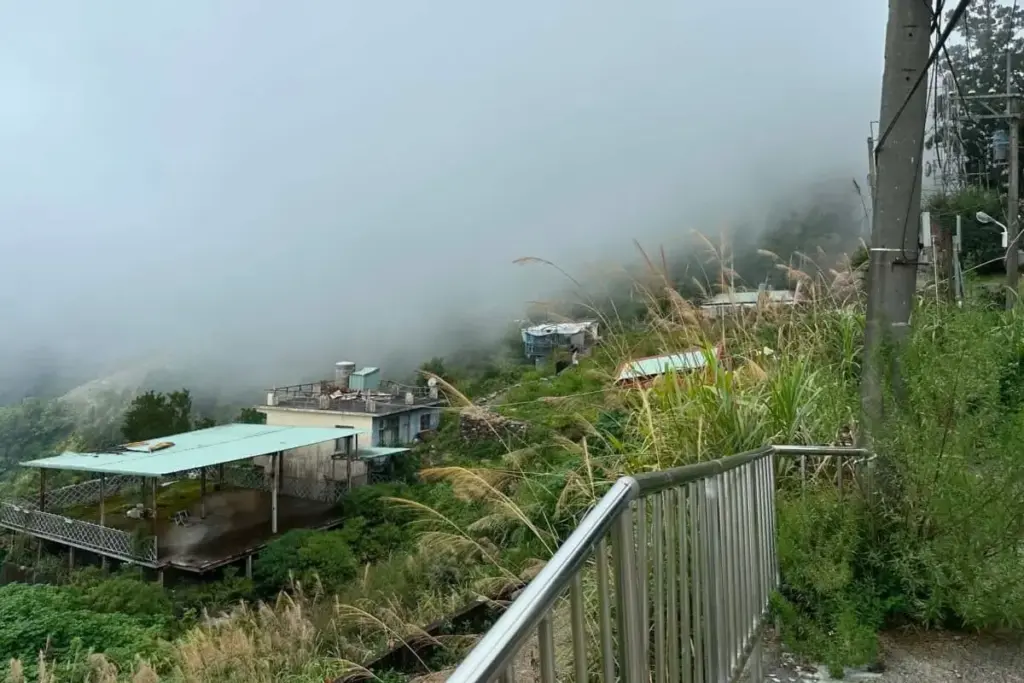
High in the rugged mountains of southern Taiwan, wild grass now reclaims the weathered wooden structures of Tengjhih, a once-vibrant hamlet belonging to the Bunun Indigenous people. Today, little remains of the settlement save for the echoes of a displaced community and the profound memories held by those who were forced to leave.
Tengjhih’s fate is emblematic of a broader, compounding crisis facing Indigenous populations worldwide: the intersection of extreme weather driven by climate change, systemic displacement, and the slow unraveling of ancient cultural heritage. When catastrophic Typhoon Morakot struck Taiwan in 2009, it triggered a wave of landslides and floods that reshaped the geography of the island and forever altered the lives of approximately 150 Bunun residents.
Stripped of their sole access road and deemed unsafe by disaster management authorities, the villagers were permanently relocated to the lowlands. Yet, this relocation was far from a simple act of humanitarian rescue. It marked the beginning of a complex legal, economic, and cultural struggle. Deprived of their ancestral lands, facing systemic alienation in the lowlands, and watching their traditional ecological knowledge fade among the younger generations, the Bunun people of Tengjhih find themselves caught between state-mandated safety measures and the preservation of their identity.
This in-depth report explores the fallout from Typhoon Morakot, the structural flaws of Taiwan’s post-disaster resettlement policies, the devastating impacts of escalating climate extremes on mountain agriculture, and the resilient campaign by tribal leaders to reclaim a fragile foothold in their ancestral homeland.
Detailed Chronology: From Prosperity to Ruin and Resistance
To understand the current crisis in Tengjhih, one must trace the timeline of catastrophe, displacement, and arduous recovery that has defined the hamlet over the past two decades.
August 2009: The Devastation of Typhoon Morakot
In the summer of 2009, Typhoon Morakot slammed into Taiwan, delivering unprecedented rainfall that unleashed catastrophic floods and massive mountain landslides. The storm killed 755 people nationwide, leaving entire villages buried under mud and rock. In the southern mountains, the storm severed infrastructure, isolating remote Indigenous communities. For Tengjhih, the impact was fatal to its connectivity: the sole access road winding through the steep terrain was completely obliterated, cutting off the high-mountain hamlet from the rest of the island and rendering daily life untenable.
2010–2012: The Forced Lowland Resettlement
In the immediate aftermath of the disaster, government authorities deemed Tengjhih and numerous other mountain settlements unsafe for human habitation. Approximately 150 Bunun residents were permanently resettled into government-constructed lowland housing developments. While presented as a life-saving measure, the transition was executed rapidly and without meaningful consultation with the tribal community. Displaced families were given ownership of apartment units, but crucially, not the land beneath them—a critical legal distinction that stripped them of generational property security.
2012, 2021, and 2023: Repeated Rebuilding Setbacks
As climate change accelerated, bringing intensified typhoons and higher volumes of seasonal rainfall, attempts by local authorities and engineers to restore the vital access road to Tengjhih were repeatedly thwarted. Road reconstruction projects launched in 2012, 2021, and 2023 suffered catastrophic setbacks as freshly paved routes and bridges were repeatedly washed away by recurring landslides. Each failed attempt pushed the re-opening of the area further into the future, cementing the isolation of the abandoned village and delaying any hopes of a large-scale return.
2025–2026: The Ongoing Climate Assault and Final Stands
The vulnerability of the southern mountain ranges was underscored once more during the typhoon season of 2025, when a powerful storm devastated yet another critical section of the mountain infrastructure. By 2026, the ongoing abandonment had completely crippled the local economy. The indefinite closure of the Tengjhih National Forest Recreation Area—the primary driver of eco-tourism and local trade—wiped out remaining livelihoods. Despite these grim realities, a small group of defiant residents, including cultural guide Saminat Maliklan and tea and coffee farmer Bi’ Ismahasan, continued to bear witness to the devastation, while tribal leadership under Dahu Ismahasan mobilized for a renewed push toward infrastructure rehabilitation.
January 2027: A Glimmer of Hope
Following years of relentless advocacy and political pressure spearheaded by Dahu Ismahasan, president of the Bunun tribal council, local authorities scheduled the opening of an alternative access road for January 2027. While local district offices maintain that permanent re-habitation remains restricted due to lingering landslide risks, the new road represents a symbolic and practical bridge back to the ancestral lands, offering a fragile lifeline to a community desperate to heal its severed roots.
Supporting Context & Metrics: Structural Inequities Exposed
The plight of Tengjhih cannot be viewed as an isolated local tragedy; it is part of a systemic pattern of environmental injustice that disproportionately affects Taiwan’s Indigenous communities.
The Disproportionate Toll on Indigenous Lands
When Typhoon Morakot struck, statistics revealed a staggering disparity in disaster risk exposure. While Indigenous peoples accounted for a mere 2.1% of Taiwan’s total population at the time, approximately 70% of the land officially declared "unsafe" and restricted by government authorities was located squarely within traditional Indigenous territories. Decades of historical marginalization had pushed Indigenous populations into ecologically fragile, steep mountain regions prone to geological instability, while lowland areas remained heavily developed and industrialized.
The Legal and Economic Trap of Lowland Resettlement
The post-Morakot resettlement program has faced fierce criticism from human rights advocates and legal scholars for its paternalistic framework. Displaced Bunun families were relocated to lowland apartments, but the administrative terms of these properties left residents legally and economically disempowered:

- Loss of Land Tenure: Residents received title to the physical structures but not the underlying land. Consequently, families could not sell, expand, or structurally modify their homes to accommodate growing households.
- Economic Dislocation: Having spent generations mastering mountain agriculture, forestry, and eco-tourism, displaced residents found themselves thrust into an unfamiliar urbanized lowland economy characterized by high unemployment, underemployment, and total reliance on state welfare assistance.
- Ecosystem Collapse: The closure of the Tengjhih National Forest Recreation Area erased the secondary economy that supported elders who attempted to split their time between the lowlands and the mountains.
Official Statements and Academic Perspectives
The human cost and legal shortcomings of the Tengjhih resettlement have drawn sharp rebukes from academics and community leaders alike, highlighting a fundamental clash between bureaucratic disaster management and Indigenous worldviews.
Tunkan Tansikian, a Bunun Indigenous rights and policy scholar at National Dong Hwa University, offered a critical assessment of the government’s approach. Pointing out that the relocation occurred without prior, informed consultation, Tansikian argued that the process violated Taiwan’s landmark 2005 Indigenous Peoples Basic Law.
"The purpose of the resettlement program was to persuade residents to abandon their mountain villages, which were considered dangerous, to reduce safety risks," Tunkan explained. "For Indigenous peoples, however, land is a core part of their culture, rather than being treated as a tradable and easily relinquished commodity."
This sentiment is echoed daily by those who lived through the transition. Bi’ Ismahasan, a 70-year-old tea and coffee farmer whose livelihood has been shattered by successive climate disasters, spoke candidly about the financial and emotional toll of displacement.
"When a major typhoon hits us, I have no income for the entire year," said Bi’ Ismahasan, who now survives primarily on government assistance. Recounting the total loss of his 2026 harvest, he added, "Every year is worse than the previous one."
The cultural dissolution resulting from this separation is perhaps the most painful wound for the community. Saminat Maliklan, a 55-year-old Bunun cultural guide and one of the last five stubborn residents maintaining a presence in Tengjhih, described the generational disconnect:
"Today, when [young people] come back, there is no village and no work," Maliklan noted. "They have to adapt to an unfamiliar environment, and their ties with elders gradually fade. Our rituals and ceremonies are disappearing."
Despite these profound challenges, grassroots leadership continues to fight for a future where the younger generation can reconnect with their heritage. Dahu Ismahasan, president of the Bunun tribal council, whose persistent lobbying successfully secured the upcoming alternative access road slated for January 2027, remains cautiously optimistic:
"We still have hope… One day, the road will be better, and the lives of the people here will be better too."
Future Outlook: Navigating Uncertainty in a Changing Climate
As Taiwan and the global community grapple with the escalating impacts of climate change, the story of Tengjhih serves as both a cautionary tale and an urgent call to action. The traditional knowledge held by Indigenous peoples—honed over centuries of sustainable living in delicate mountain ecosystems—represents an invaluable asset in climate adaptation strategies. Yet, state policies that default to forced displacement and cultural erasure risk destroying this knowledge base entirely.
Looking forward, several critical pathways must be pursued to address the grievances of the Tengjhih community and protect vulnerable Indigenous settlements across Taiwan:
- Reforms to Land Tenure and Resettlement Policy: The government must address the legal limbo of displaced families by granting genuine land rights and empowering communities to participate in co-management frameworks for their ancestral domains.
- Strict Enforcement of Indigenous Consultation Laws: Future disaster mitigation and climate adaptation projects must strictly adhere to the Indigenous Peoples Basic Law, ensuring that free, prior, and informed consent (FPIC) is standard protocol.
- Sustainable Infrastructure and Economic Revitalisation: With the opening of the alternative access road in January 2027, authorities and tribal councils must collaborate on climate-resilient infrastructure that allows for safe, regulated return visits, cultural education programs, and sustainable eco-tourism initiatives.
- Integration of Indigenous Ecological Knowledge: Policymakers must integrate traditional Bunun land-management practices into national disaster risk reduction frameworks, recognizing that Indigenous stewardship is often more effective at preventing ecological degradation than top-down bureaucratic control.
The wild grass growing over the abandoned wooden houses of Tengjhih is a poignant reminder of what was lost to the fury of Typhoon Morakot. Yet, beneath that overgrowth lies the resilient spirit of the Bunun people—a community refusing to let their history, language, and culture be washed away by the tides of climate change and bureaucratic indifference.



