

Executive Overview
The American solid waste management landscape is navigating a period of profound operational tension, characterized by a delicate balancing act between expanding municipal and construction-and-demolition (C&D) disposal capacities, managing complex environmental compliance frameworks, and addressing mounting public health concerns. Across the country, landfill operators find themselves under intensifying regulatory microscopes while simultaneously racing to secure long-term capacity in the face of widespread regional closures.
Recent developments highlight this dual imperative. In upstate New York, major waste management firms are successfully securing multi-decade expansion permits to offset impending municipal and C&D facility retirements. Simultaneously, on the West Coast, regulatory bodies and facility operators face fierce public backlash, legal challenges, and scathing state audits over persistent environmental and odor infractions. In the Midwest, operators are simultaneously balancing meticulous, long-term post-closure monitoring regimens and pivoting toward renewable energy generation through on-site solar installations.
This comprehensive report examines the multifaceted realities shaping the North American landfill sector today. It details Casella Waste Systems’ strategic maneuvers in New York State, dissects the stinging California state audit regarding the oversight of the embattled Chiquita Canyon Landfill, and explores broader national trends in post-closure management, renewable energy integration, and community relations.
Detailed Chronology: Key Developments in the Waste Sector
The trajectory of the waste management industry is shaped by regulatory milestones, permitting approvals, and sudden operational disruptions. The following chronology outlines the critical events defining the current landscape:
- May 2026: During Casella Waste Systems’ Q1 2026 earnings call, corporate executives outline the company’s aggressive capacity strategy, noting that they anticipate securing a crucial expansion permit for the Hyland Landfill in New York by early 2027.
- September 2025 (Projected/Reported): Regulatory deadlines and capacity constraints tighten across the Northeast, driven heavily by the planned closure of the Ontario County Landfill in New York, scheduled for shuttering by the end of 2028.
- September 22, 2025: The New York State Department of Environmental Conservation (NYSDEC) formally issues an expansion permit to Casella Waste Systems for the Hakes C&D Landfill in Campbell, New York, adding roughly 43.3 acres of disposal area and 5.8 million cubic yards of airspace.
- October 2025: A California state audit report is officially published, revealing severe institutional shortcomings by the Los Angeles County Department of Public Health (LADPH) in its handling of toxic odors, air quality monitoring, and resident relocation assistance near the troubled Chiquita Canyon Landfill.
- Late 2025 / Early 2026: Waste Connections’ Chiquita Canyon Landfill in California reaches a structural and operational turning point, leading to its closure following years of intense regulatory pressure, escalating legal battles, and community outrage over an elevated-temperature landfill event that supercharged hazardous gas emissions.
- Ongoing (2026–Present): Across states like Ohio, long-term post-closure monitoring enters critical phases at older municipal sites, while forward-thinking operators accelerate the deployment of utility-scale solar arrays on capped landfill acreage.
Casella Secures Key Permit for New York C&D Landfill Expansion
Amid tightening regional airspace, Casella Waste Systems has achieved a vital regulatory victory. The company officially received an expansion permit from the New York State Department of Environmental Conservation (NYSDEC) for its Hakes C&D Landfill located in Campbell, New York. The approval represents a major milestone in Casella’s multi-year capital expenditure and capacity preservation strategy.
Scope of the Hakes Expansion Project
Under the newly minted permit, Casella will add approximately 43.3 acres of new disposal area to the facility. This footprint expansion unlocks roughly 5.8 million cubic yards of additional disposal capacity. Currently, the Hakes facility is legally permitted to accept up to 466,000 tons per year of construction and demolition material. According to Casella Chief Executive Officer Ned Coletta, this newly unlocked airspace will extend the operational lifespan of the Hakes facility by approximately 20 years based on current intake run rates.
The strategic timing of this expansion is far from accidental. Casella has been aggressively pursuing facility expansions to counteract severe regional landfill capacity constraints. These constraints are being catalyzed, in large part, by the scheduled closure of the massive Ontario County Landfill in New York, which is mandated to close its doors permanently by the end of 2028. Because Casella operates the Ontario County facility under a municipal contract, its impending retirement left a gaping void in the region’s solid waste infrastructure.
Infrastructure Upgrades and Environmental Controls
Beyond simply expanding the physical trench footprint, the NYSDEC permit authorizes Casella to relocate and construct essential modern infrastructure on-site. These upgrades are designed to enhance environmental protection and operational efficiency:
- Leachate Management: Construction of a state-of-the-art leachate transfer and storage area to safely capture and process contaminated water runoff.
- Gas Mitigation: Expansion and modernization of the site’s gas collection and treatment systems to capture fugitive emissions and mitigate greenhouse gas leakage.
- Soil Borrow Area: An addition of 21.7 acres to the site’s existing soil borrow area, providing operators with immediate on-site access to excavated earth necessary for daily cover, capping, and construction operations.
Speaking on the broader economic and infrastructural importance of the project, CEO Ned Coletta emphasized the company’s regional responsibility. "Reliable C&D disposal capacity is a critical component of New York State’s solid waste infrastructure, and we take pride in providing service that we believe supports the opportunity for broader regional economic growth," Coletta stated. "This expansion positions us to serve that demand while preserving valuable capacity across our municipal solid waste landfill network."
Looking ahead, Casella’s New York expansion pipeline remains active. Company executives noted during their May earnings call that they are actively pursuing an additional expansion permit for their Hyland Landfill, with expectations of securing regulatory approval by early 2027.
Regulatory Failure and Community Crisis: The Chiquita Canyon Audit
While private operators in the Northeast secure long-term operating runways, the situation on the West Coast highlights the catastrophic human and regulatory costs of landfill management failures. A scathing state audit report published by the California State Auditor revealed profound institutional shortcomings by Los Angeles County health regulators in responding to the public health crisis surrounding the embattled Chiquita Canyon Landfill.
Anatomy of an Environmental Disaster
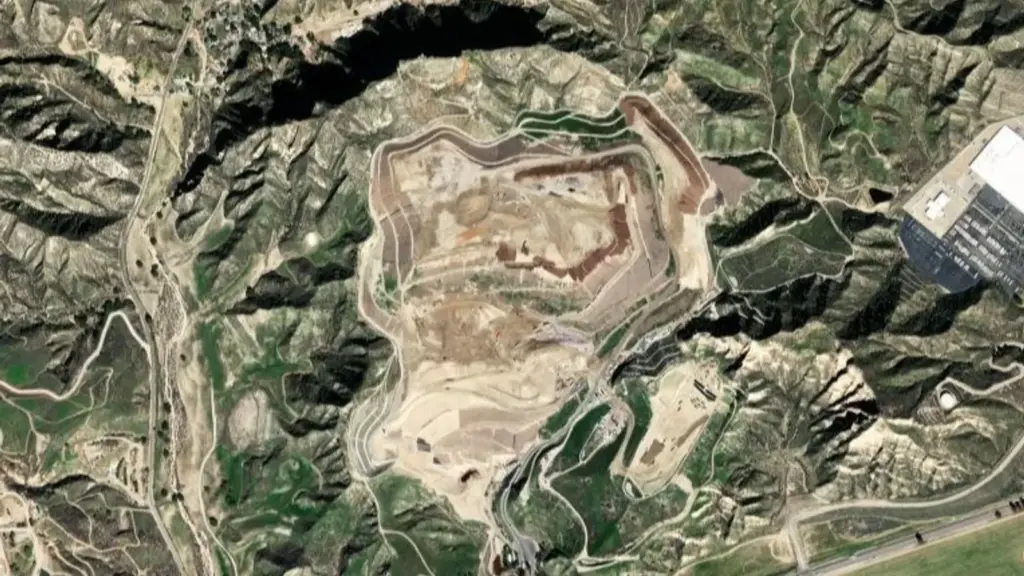
The Chiquita Canyon Landfill, operated by Waste Connections, has been the subject of relentless public scrutiny, regulatory enforcement actions, and multi-plaintiff civil litigation. The facility was forced to close in 2025 following years of escalating pressure from local residents and regional air quality boards.
The core of the crisis centered on catastrophic odor issues driven by an "elevated temperature landfill" (ETL) event deep within the waste mass. Chemical reactions inside the landfill accelerated the generation and emission of noxious, sulfur-rich gases, casting a suffocating odor blanket over surrounding residential communities. Residents reported debilitating chronic symptoms, including severe, recurring headaches, persistent nausea, and acute respiratory distress.
Findings of the California State Audit
The independent state audit laid bare a systemic failure of government oversight, casting heavy blame on the Los Angeles County Department of Public Health (LADPH). Key findings from the audit report include:
- Delayed Public Health Response: Investigators found that LADPH failed to promptly collect, analyze, or review critical air quality data submitted by environmental agencies and concerned citizens.
- Opaque Risk Communication: The public health agency routinely failed to communicate effectively with the public regarding specific concentrations of hazardous chemicals detected in the ambient air.
- Incomplete Health Surveillance: LADPH neglected to maintain up-to-date tracking of resident health complaints and symptoms. As a direct result, auditors concluded that the agency never possessed a complete or accurate understanding of the true health toll inflicted on the community.
- Tardy Relocation Advocacy: Perhaps most damningly, the audit revealed that LADPH waited until May 2025—two full years into the unfolding public health emergency—to formally direct Chiquita’s operators to provide relocation assistance to suffering residents.
Official Responses and Future Corrective Actions
Unsurprisingly, the leadership of the Los Angeles County Department of Public Health initially pushed back, formally disagreeing with many of the explicit claims and characterizations leveled in the audit report. However, facing undeniable evidence of administrative paralysis, LADPH officials ultimately capitulated, agreeing to adopt and implement all corrective recommendations outlined by the state auditors.
The audit mandates that LADPH overhaul its emergency response infrastructure by adopting formalized, binding policies and procedures for handling acute environmental health hazard events. Furthermore, the agency is now legally and operationally required to establish routine, transparent public reporting channels regarding local air quality metrics and associated health risks.
Meanwhile, legal battles persist across California. In addition to the Chiquita Canyon fallout, residents living near a separate Waste Connections landfill in the state have filed class-action lawsuits targeting ongoing, unresolved odor violations.
Supporting Context, Metrics, and National Trends
The juxtaposition between Casella’s orderly expansion in New York and the regulatory chaos surrounding Chiquita Canyon underscores the fragile equilibrium of the North American waste management sector. Landfills are increasingly treated not merely as passive holes in the ground, but as highly complex, volatile chemical reactors requiring decades of active stewardship.
The Capacity Crunch
According to industry data compiled by waste sector analysts, available landfill airspace in the United States has steadily compressed over the past decade. Stringent siting regulations, local NIMBYism ("Not In My Backyard"), and lengthy environmental review processes have made the permitting of entirely new greenfield landfills nearly impossible. Consequently, waste management conglomerates must rely heavily on vertical and horizontal expansions of existing brownfield sites—such as Casella’s Hakes facility—to maintain regional supply chains.
| Facility Name | Operator | Location | Action / Status | Impact / Capacity |
|---|---|---|---|---|
| Hakes C&D Landfill | Casella Waste Systems | Campbell, NY | Expansion Permit Issued (Sept 2025) | +43.3 acres, +5.8M cubic yards (~20 years capacity) |
| Ontario County Landfill | Casella Waste Systems (Contract) | Ontario County, NY | Planned Closure (Scheduled 2028) | Drives regional capacity squeeze |
| Hyland Landfill | Casella Waste Systems | New York | Pending Expansion Permit | Expected decision by early 2027 |
| Chiquita Canyon Landfill | Waste Connections | Los Angeles County, CA | Closed (2025) following ETL crisis | Subject to state audit and massive public litigation |
Post-Closure Monitoring and Renewable Energy Pivots
Beyond active disposal and crisis management, the broader national landscape features notable shifts in how closed or aging facilities are managed. In Ohio, municipal solid waste facilities represent two contrasting ends of the operational spectrum. Older sites are currently navigating rigorous, multi-decade post-closure monitoring programs, mandated to test groundwater, monitor leachate collection integrity, and measure subsurface gas migration for a minimum of 30 years following final capping.
Simultaneously, progressive operators across the Midwest and Rust Belt are transforming these dormant environmental liabilities into clean energy assets. By partnering with solar developers, landfill operators are installing vast arrays of photovoltaic panels directly onto the impermeable plastic caps of closed landfills. Because capped landfill acreage cannot be utilized for residential or commercial real estate development due to settlement risks and sub-surface gas infrastructure, deploying solar arrays represents a lucrative, highly productive secondary land-use model. These installations generate millions of kilowatt-hours of clean electricity, feeding local grid infrastructure while providing operators with a steady stream of lease revenue.
Future Outlook: Challenges and Adaptations for the Waste Sector
As the solid waste industry looks toward the remainder of the decade, several overarching themes will dictate operational success and regulatory compliance:
- The Acceleration of Permitting Hurdles: As existing municipal solid waste (MSW) and C&D capacities dwindle, securing expansions will become increasingly litigious and politically fraught. Operators will need to invest heavily in community outreach, state-of-the-art odor control technologies, and transparent environmental monitoring to win over skeptical local populations and regulatory boards.
- Heightened Regulatory Accountability: The fallout from the Chiquita Canyon state audit serves as a sobering warning to state and local health agencies nationwide. Regulators can no longer afford passive oversight. Moving forward, public health departments are expected to adopt aggressive monitoring protocols, faster response times, and stricter enforcement of air quality standards to prevent localized environmental crises from escalating into humanitarian debacles.
- Technological Innovation in Gas and Odor Control: Elevated temperature landfill events, while statistically rare, pose catastrophic risks to operational continuity and public health. The industry will likely see accelerated research, stricter continuous emissions monitoring mandates, and advanced chemical neutralization technologies designed to detect and arrest exothermic reactions deep within waste masses before they manifest as community-wide odor crises.
- The Green Transition of Brownfield Assets: The integration of renewable energy—particularly solar installations and landfill gas-to-energy (LFGTE) recovery systems—will transition from an innovative niche to an industry-standard best practice. Regulatory bodies are increasingly incentivizing the productive reuse of capped acreage, helping operators offset compliance and post-closure maintenance costs while supporting broader state and federal decarbonization targets.
Ultimately, the American landfill sector is undergoing a high-stakes evolution. Whether through the strategic engineering of new disposal airspace in upstate New York or the painful, heavily audited reckoning of environmental justice issues in Southern California, the message to the industry is clear: long-term viability requires unyielding commitments to transparency, technological resilience, and proactive community engagement.



