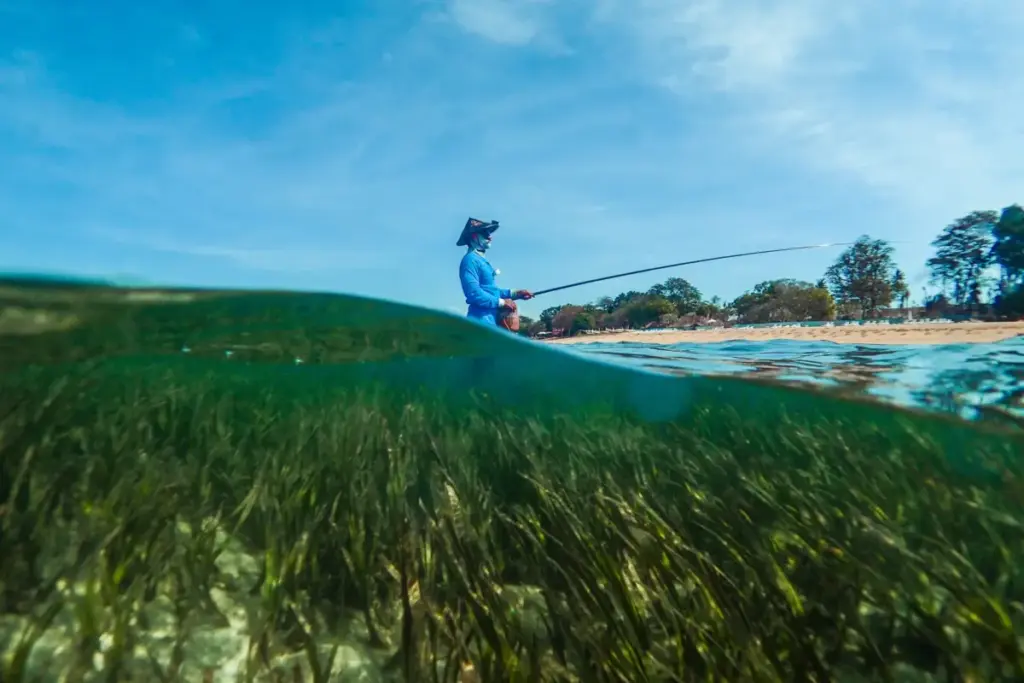
Sanur, the birthplace of modern tourism in Bali, is a coastal paradise where the Pacific Ocean meets the Indian Ocean through the Lombok Strait. For nearly a century, this historic coastal town has drawn artists, explorers, and sun-seekers with its shimmering golden sands and tranquil waters teeming with tropical marine life. Today, however, beneath the picturesque surface lies a troubling ecological reality. Despite decades of local initiatives—ranging from community-led coral fragment plantings to the installation of artificial reefs—Sanur’s precious marine ecosystems are locked in a persistent state of degradation.
A landmark study published in the journal Ocean & Coastal Management sheds light on this crisis, revealing that standard coral restoration efforts are frequently failing because they bypass the fundamental drivers of reef decline. Led by Min Chung, a master’s student at the University of Tokyo, the research demonstrates that visible, feel-good fixes like planting corals do little to stem the tide of destruction when chronic environmental stressors—principally sediment runoff and untreated wastewater discharge—go unaddressed. Furthermore, the study uncovers a tangled web of fragmented governance, competing stakeholder interests, and slow bureaucratic decision-making that transforms potential collective action into debilitating "decision paralysis."
As tourist numbers rebound across Southeast Asia post-pandemic, Sanur’s predicament serves as a cautionary tale for coastal hotspots globally. The research underscores an urgent paradigm shift: reef conservation must transition away from isolated, surface-level interventions and toward integrated, system-level management. Only by addressing root causes, streamlining governance, and properly aligning the paradoxical role of the tourism industry can conservationists hope to secure a sustainable future for Bali’s beleaguered marine ecosystems.
Detailed Chronology: From Artistic Haven to Urbanized Seascape
The Rise of Bali’s First Tourism Hub
Sanur’s relationship with global travelers began in the 1920s, transforming it from a quiet stretch of traditional fishing villages into Bali’s pioneer tourism destination. Painters, poets, and anthropologists were drawn to its serene coastal vistas, establishing a symbiotic relationship between local communities and visitors. Over the decades, this informal tourism footprint expanded into a major economic engine. Today, the local economy remains inextricably tied to the influx of visitors seeking out Sanur’s coastal beauty, diving, and snorkeling.
However, this rapid, largely unchecked urbanization and intensive tourism development have taken a severe environmental toll. Over the past several decades, the pressures of coastal construction, maritime traffic, and population growth have fundamentally altered the nearshore seascape. Interconnected marine environments—comprising coral reefs, seagrass beds, and mangrove forests—have been fractured by human activity.
The Divergence of Restoration and Reality
As the ecological health of Sanur’s reefs deteriorated visibly toward the end of the 20th and into the 21st century, various local organizations, resort operators, and government bodies stepped in with conservation interventions. These efforts predominantly took the form of active coral restoration: transplanting coral fragments onto metal frames, sinking ceramic structures, and deploying artificial reefs.
While these projects offered tangible, photogenic proof of conservation work, ecological monitoring reveals a starkly different trajectory. Recent ecological analyses show that Sanur’s reefs have degraded from once-extensive branching coral gardens into "rubble fields" heavily overgrown with macroalgae. Nearshore snorkeling sites, subjected to the highest volumes of human traffic and land-based pollution, are faring significantly worse than deeper, less-visited offshore sites.
Recognizing the disconnect between active restoration and ongoing decline, researchers initiated a comprehensive socio-ecological assessment to uncover why well-intentioned interventions were falling short.
Supporting Context & Metrics: Unpacking the Research and Ecological Data
The Science of the Study
The research team, spearheaded by Min Chung and co-authored by researchers including Bayar Banzragch and Alexandros Gasparatos, combined rigorous ecological field data with deep socioeconomic analysis. By conducting structured interviews with 18 key stakeholders—spanning government agencies, municipal authorities, community organizations, academics, fishers, and tourism operators—the study mapped out the complex network of human influence over Sanur’s marine resources.
The findings paint a picture of competing priorities. Stakeholders hold fundamentally divergent views on the primary purpose and value of the reefs:
Tourism Operators: View reefs primarily as scenic attractions essential for diving and snorkeling excursions.
Local Fishers: Rely on the reefs as critical fishing grounds for sustenance and livelihood.
Conservationists & Academics: Emphasize the ecological functions of reefs, including coastal protection against storm surges and their capacity to sequester blue carbon.
Government Authorities: Balance economic growth, infrastructure development, and municipal waste management against environmental mandates.
The Governance Trap: "Decision Paralysis"
One of the study’s most critical revelations is the impact of overcrowded and overlapping governance structures. Responsibility for coastal management in Bali is often divided among multiple municipal, regional, and national agencies, alongside non-governmental organizations and community groups.
According to the research, this fragmented oversight leads to severe administrative bottlenecks:
Duplication of Efforts: Different groups frequently implement overlapping projects without communicating.
Wasted Resources: Financial capital and volunteer labor are squandered on redundant activities.
Bureaucratic Stalling: Decision-making processes crawl at a glacial pace.
Instead of fostering a unified, powerful defense for the marine environment, this administrative web generates "decision paralysis," allowing degradation to outpace conservation policy.
The Paradox of Tourism
The study dives deeply into the double-edged sword of tourism. On one hand, tourism is a primary driver of ecosystem destruction. Empirical data cited in the research links tourism directly to:
Physical Damage: Swimmers and snorkelers stepping on fragile corals, and tour operators dropping anchors directly onto reef structures.
Pollution: Wastewater and sewage discharge from coastal hotels, restaurants, and tourism facilities flowing directly into nearshore waters.
Broader Regional Trends: Aligns with earlier studies in southern Bali documenting a staggering 38% decline in live coral cover across major tourism hubs between 2010 and 2023.
Conversely, tourism is the lifeblood of Sanur’s economy and its most viable financial lifeline for conservation. Without the capital generated by the tourism sector, funding for reef protection would plummet entirely.
Official Statements and Expert Perspectives
The publication of the study has sparked widespread discussion among marine scientists and conservation practitioners working across Indonesia, drawing praise for its unvarnished look at the realities of reef management.
Min Chung emphasized the necessity of shifting immediate priorities away from superficial fixes and toward foundational environmental health:
"People see the visible impact on the coral reef, so they feel it’s urgent to do something about it there. But in reality, and efficiency wise, it’s obviously more effective to address the more fundamental drivers [of coral loss]."
Chung noted that while coral restoration and beach cleanups are culturally and educationally valuable, they cannot succeed in isolation:
"An integrated approach would help shift decision-making from evaluating individual projects toward assessing their contribution to system-level change."
Zach Boakes, co-founder and reef scientist at North Bali Reef Conservation—who was not involved in the study—praised the research for capturing the complex paradox of tourism in marine conservation. In an email interview, Boakes stated:
"Tourism represents both one of the greatest pressures on Bali’s reefs and one of its greatest opportunities. In fact, tourism has been a major reason why Bali has become one of the global hubs for coral reef restoration, as it attracts substantial financial support from dive operators, resorts, NGOs, and international visitors. The challenge is ensuring that tourism contributes more to long-term conservation than to degradation."
Boakes urged policymakers and local leaders to view tourism operators not as adversaries, but as vital conservation partners:
"Many [operators] already have a vested interest in maintaining healthy reefs because their livelihoods depend upon them."
However, Boakes echoed warnings regarding the allocation of conservation funds, pointing out a systemic bias toward high-visibility projects:
"Planting corals provides an immediate and tangible conservation action, which makes it attractive for tourism operators, donors, and the general public. However, restoration should not be viewed as a substitute for addressing the underlying causes of reef decline… If problems such as poor water quality, untreated wastewater, coastal development, and climate change continue, restoration risks becoming a short-term band-aid rather than a long-term solution."
Future Outlook: A New Framework for Survival
As global scientific consensus hardens—underscored by deliberations at events like the 16th International Coral Reefs Symposium—experts agree that modern conservation must pivot toward managing reefs for resilience rather than simply chasing raw percentages of coral cover.
To secure a future for Sanur’s reefs and similar tourism-intensive seascapes worldwide, researchers and practitioners recommend a multi-pronged roadmap:
Prioritize Water Quality Management: Governments and municipal authorities must invest heavily in modern wastewater treatment infrastructure. Stopping sewage and sediment runoff at the source is non-negotiable for enabling natural coral recruitment and survival.
Streamline Governance and Spatial Planning: Regional authorities must establish clear, centralized marine spatial planning frameworks that eliminate overlapping agency jurisdictions, reduce bureaucratic red tape, and enforce stringent zoning regulations for boating and anchoring.
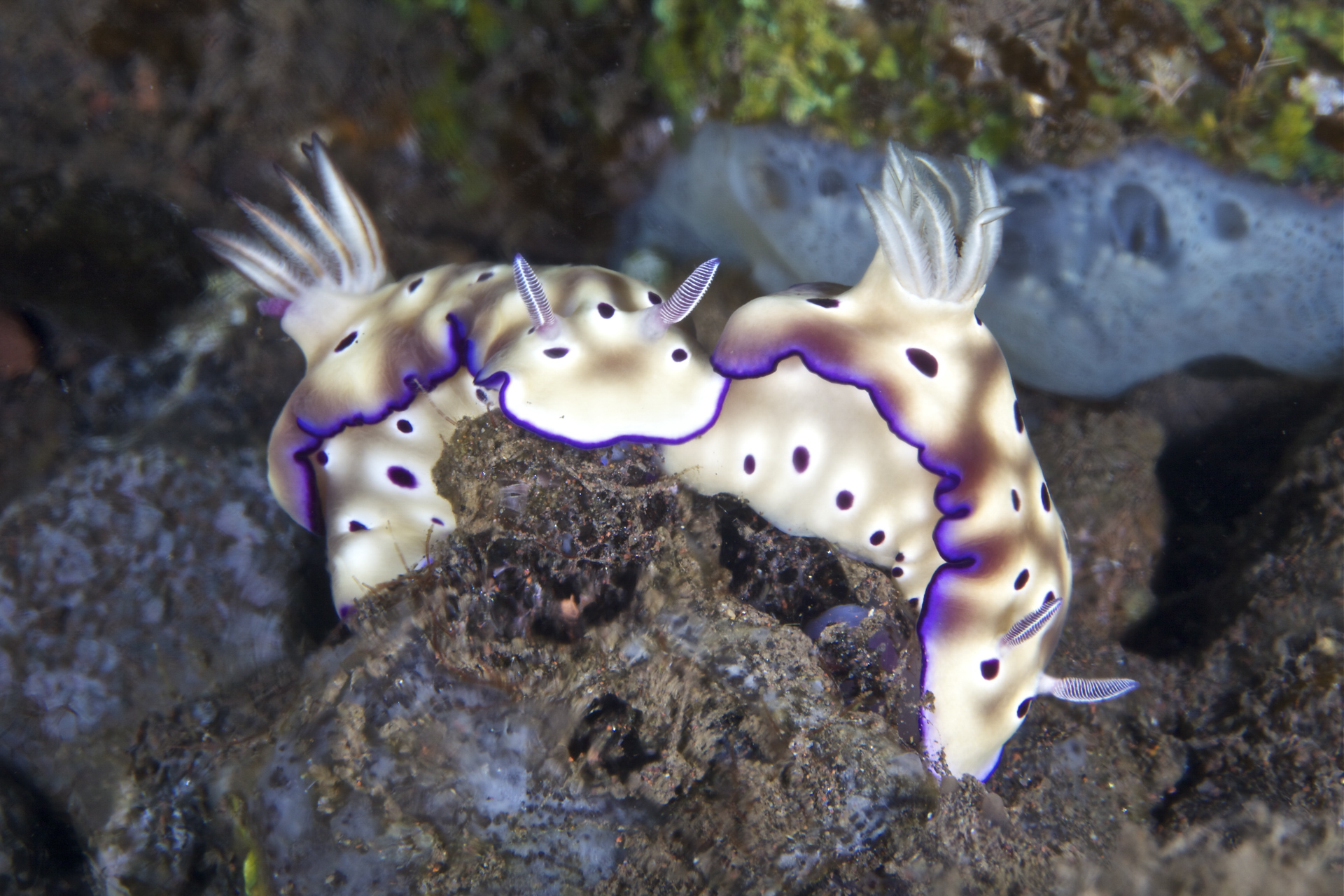
Redefine Success Metrics: Monitoring programs must expand beyond simple coral cover counts. True ecosystem health must incorporate holistic resilience indicators, including herbivory rates, carbonate production, bioerosion, nutrient cycling, and the protection of micro-fauna like nudibranchs that maintain ecological balance.
Leverage Sustainable Tourism Finance: Rather than alienating the tourism sector, conservation programs must establish transparent partnerships where tourism revenues are systematically funneled into long-term ecological monitoring, pollution control, and community-based enforcement.
Without these systemic reforms, high-profile restoration projects in Sanur and across the globe risk remaining little more than symbolic gestures—futuristic band-aids applied to an ecosystem slowly suffocating beneath the weight of unmanaged human pressures and a warming planet.