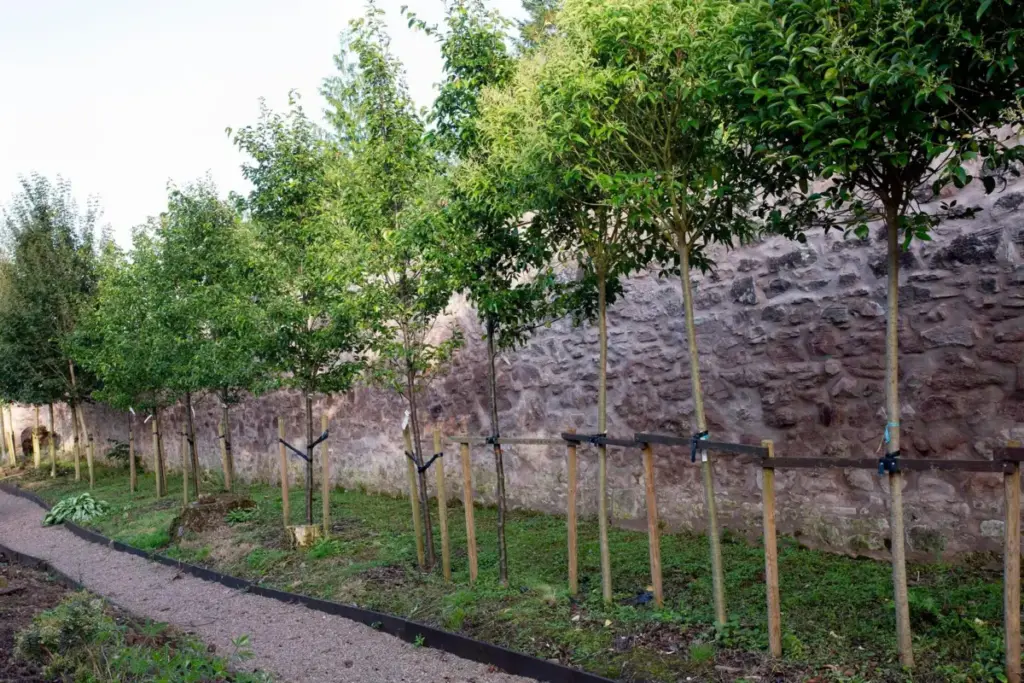
In an era defined by urban densification, shrinking plot sizes, and an ever-increasing architectural proximity to our neighbors, the traditional backyard sanctuary is facing unprecedented compromise. Nosy onlookers, towering new constructions, unsightly utility poles, and bleak boundary walls have turned the once-private British or suburban garden into an overlooked fishbowl. While heavy masonry walls and artificial privacy fencing offer an immediate, utilitarian fix, they frequently sterilize outdoor spaces, radiating heat, blocking vital wildlife corridors, and clashing with the organic aesthetics of nature.
The ultimate, sustainable solution lies in the living architecture of the natural world: carefully selected trees, evergreen shrubs, and vigorous climbers. Far from being mere decorative elements, botanic screens act as dynamic environmental buffers. They filter urban pollution, dampen ambient noise, provide critical habitats for beleaguered pollinators and native bird species, and deliver shifting tapestries of color, fragrance, and texture across all four seasons.
This comprehensive investigative guide analyzes thirty-seven of the finest botanical specimens available to gardeners seeking absolute seclusion. From slender vertical accents that slip into narrow urban gaps to impenetrable thorny thickets and sprawling evergreen climbers, we evaluate each candidate based on rigorous criteria: privacy efficiency, ornamental beauty, spatial requirements, and environmental resilience.
Detailed Chronology & Typological Evolution of Garden Screening
The historical deployment of plants for boundary definition and privacy is as old as horticulture itself. From the medieval pleached hornbeam alleyways of European estates to the clipped yew mazes of the Victorian era, human beings have continually manipulated living wood to assert territorial boundaries and cultivate private retreats.
Over the past century, however, garden design philosophy has shifted dramatically. The mid-20th-century obsession with low-maintenance, hard-landscaped boundaries—typified by concrete panel fencing—is rapidly giving way to a modern renaissance in ecological landscaping. Homeowners and urban planners alike are recognizing that hard boundaries create dead zones within local ecosystems, whereas living screens actively participate in urban microclimate regulation.
To navigate this modern botanical arsenal, plants can be categorized into three primary architectural typologies:
Vertical Trees: Ideal for blocking second-story sightlines, framing distant views, and injecting structural height into the garden without sacrificing ground-level footprint.
Dense Shrubs & Hedges: The workhorses of boundary management, offering thick, impenetrable year-round coverage, security deterrents, and abundant wildlife resources.
Climbers: Vertical space-savers capable of transforming dead walls, boring timber fences, and industrial pergolas into lush, living tapestries.
Supporting Context & Metrics: The Top 37 Privacy Plants Analyzed
[ URBAN DENSITY ] ---> [ LOSS OF PRIVACY ] ---> [ ECOLOGICAL HARD-LANDSCAPING ] ---> [ LIVING BOTANIC SCREENS ]
1. Italian Cypress (Cupressus sempervirens)
Type: Tree | Privacy Rating: 4/5 | Beauty Rating: 4/5 | Height x Spread: 15m x 2.5m (in 20 years)
Analysis: The quintessential choice for dramatic verticality. Its exceptionally slender, columnar habit allows it to squeeze into tight side-passages while reaching impressive ultimate heights. Offering dense evergreen foliage, it serves as a year-round green sentry against upper-story overlooking. It demands well-drained soil and regular establishment watering, but rewards the grower with a low-maintenance, architectural screen even in wind-swept locations.
2. Holly (Ilex aquifolium)
Type: Tree/Shrub | Privacy Rating: 4/5 | Beauty Rating: 3/5 | Height x Spread: 15m x 4–8m (varies by cultivar)
Analysis: A cornerstone of traditional native hedging, holly provides an impenetrable physical and visual barrier thanks to its prickly, glossy dark-green leaves and bright red winter berries. Highly adaptable to both deep shade and full sun, it is a fortress of security and a critical winter sanctuary for birds. Cultivars like Ilex aquifolium ‘Rubricaulis Aurea’ add variegated splendor to the mix.
3. Photinia × fraseri ‘Red Robin’
Type: Tree/Small Shrub | Privacy Rating: 3/5 | Beauty Rating: 4/5 | Height x Spread: 6m x 4m
Analysis: Prized for its electric red young foliage that unfurls aggressively in spring, ‘Red Robin’ brings unmatched vibrancy to urban boundaries. It tolerates urban pollution effortlessly and responds brilliantly to hard pruning, making it a dense, colorful visual shield that softens harsh fence lines.
4. Holm Oak (Quercus ilex)
Type: Tree | Privacy Rating: 5/5 | Beauty Rating: 3/5 | Height x Spread: 8m x 6m (in 20 years)
Analysis: Exceptionally tough and leathery-leaved, the holm oak is the undisputed heavyweight champion for exposed coastal gardens and polluted inner-city plots. Its dense, dark crown blocks out unwanted vistas with absolute authority and acts as an elite windbreak. (Note: Toxic to pets if ingested; avoid planting near ancient woodlands where it may naturalize aggressively).
5. Cherry Laurel (Prunus laurocerasus)
Type: Shrub | Privacy Rating: 4/5 | Beauty Rating: 2/5 | Height x Spread: 6m x 5m (in 20 years)
Analysis: The go-to option for rapid, foolproof privacy. Its expansive, glossy leaves generate an immediate, dense thicket. While it thrives in sun or shade and produces charming spikes of white spring flowers, it demands diligent management to prevent unbridled spread via bird-dropped seeds. (Toxic to humans and pets; wear protective gear when pruning).
6. Japanese Privet (Ligustrum japonicum)
Type: Shrub/Tree | Privacy Rating: 3/5 | Beauty Rating: 4/5 | Height x Spread: 4m x 4m
Analysis: Boasting narrow, pointed evergreen leaves and an upright posture, this is an elite choice for compact spaces. In autumn, it erupts into clusters of creamy-white blooms. It is unfussy about soil conditions, though all parts are toxic if ingested.
7. Strawberry Tree (Arbutus unedo)
Type: Shrub/Tree | Privacy Rating: 3/5 | Beauty Rating: 4/5 | Height x Spread: 5m x 4m
Analysis: A masterpiece of multi-seasonal interest, this handsome evergreen exhibits rough reddish bark, dark leathery canopies, and the rare botanical spectacle of bearing white bell-shaped flowers concurrently with ripening red, strawberry-like fruits each autumn. Highly wind-resistant and coastal-tolerant.
8. Tree Fern (Dicksonia antarctica)
Type: Tree Fern | Privacy Rating: 3/5 | Beauty Rating: 5/5 | Height x Spread: 4m x 4m
Analysis: For damp, shaded corners where standard trees flounder, the tree fern offers prehistoric elegance. Its towering, fibrous trunks and sweeping, umbrella-like fronds create magical, secluded garden rooms and intimate patio canopies. Requires winter crown protection in freezing regions.
9. Cotoneaster frigidus ‘Cornubia’
Type: Shrub/Small Tree | Privacy Rating: 3/5 | Beauty Rating: 4/5 | Height x Spread: 6m x 4m (in 20 years)
Analysis: A semi-evergreen champion of informal wildlife hedging. Its arching branches drop a cascade of green leaves late in the season, preceded by an autumn explosion of heavy red berries that act as an avian banquet. Bronze-tinted dying foliage adds rich autumnal depth.
10. Hornbeam (Carpinus betulus)
Type: Tree | Privacy Rating: 4/5 | Beauty Rating: 4/5 | Height x Spread: 10m x 6m (in 20 years)
Analysis: A native British stalwart, hornbeam is unmatched for formal pleached screens and crisp hedges. Its apple-green summer leaves turn glorious shades of gold before drying and clinging persistently to the branches through winter (marcescence), ensuring year-round privacy.
Type: Tree | Privacy Rating: 3/5 | Beauty Rating: 4/5 | Height x Spread: 5m x 3m (in 20 years)
Analysis: Possessing a neat, teardrop-shaped columnar crown, ‘Chanticleer’ leaf-out occurs remarkably early in spring and drops late in autumn, maximizing its screening season. Frosted with white blossoms early on and turning fiery purple-red before winter, it is pollution-tolerant and perfectly sized for petite plots.
12. Silver Birch (Betula pendula)
Type: Tree | Privacy Rating: 3/5 | Beauty Rating: 4/5 | Height x Spread: 25m x 10m
Analysis: For those who desire privacy without descending into oppressive shade, the silver birch is peerless. Its shimmering, delicate foliage allows dappled sunlight to filter through while its luminous white winter bark provides year-round structural beauty. Planted in groves, they evoke tranquil woodland sanctuaries.
13. Rowan (Sorbus aucuparia)
Type: Tree | Privacy Rating: 2/5 | Beauty Rating: 3/5 | Height x Spread: 15m x 7m
Analysis: Commonly known as mountain ash, rowans feature slender trunks, feathery compound leaves, spring cream blossoms, and bright red or yellow autumn berries. Their light canopy prevents gardens from feeling claustrophobic while offering exceptional tolerance to thin soils and high winds.
14. Field Maple (Acer campestre)
Type: Tree | Privacy Rating: 3/5 | Beauty Rating: 4/5 | Height x Spread: 15m x 8m
Analysis: This native British maple forms a dense, lobed canopy that glows golden-yellow every autumn. Highly tolerant of urban pollutants and variable soil types, it is a magnificent, manageable choice for medium-to-large boundaries.
15. Snowy Mespilus (Amelanchier lamarckii)
Type: Tree | Privacy Rating: 3/5 | Beauty Rating: 4/5 | Height x Spread: 12m x 4m
Analysis: A masterclass in seasonal transformation. Spring breaks with a frothy cloud of star-shaped white blossoms sitting atop emerging coppery-pink leaves. Summer brings dark berries, and autumn signs off with blazing crimson foliage. Perfect for compact borders.
16. Hawthorn (Crataegus monogyna)
Type: Shrub/Tree | Privacy Rating: 4/5 | Beauty Rating: 3/5 | Height x Spread: 8m x 6m
Analysis: The quintessential rural hedging plant. Its thorny interlaced branches serve as an active security deterrent against intruders while providing immense ecological bounty through spring blossom and autumn haws. Unfazed by poor ground and gales.
17. Crab Apple (Malus spp.)
Type: Tree | Privacy Rating: 4/5 | Beauty Rating: 3/5 | Height x Spread: 10m x 5m
Analysis: Showy spring canopies smothered in pink or white blossom give way to leafy summer privacy screens and decorative autumn fruits. Exceptionally flexible, they can be trained as multi-stemmed specimens or upright standards.
18. Golden Rain Tree (Koelreuteria paniculata)
Type: Tree | Privacy Rating: 3/5 | Beauty Rating: 4/5 | Height x Spread: 10m x 10m
Analysis: A striking deciduous feature tree displaying pink-bronze spring foliage, brilliant yellow summer paniculate flowers, papery lantern seed pods, and golden autumn leaves. Highly urban-tolerant and well-suited for framing sunny patios.
19. Yew (Taxus baccata)
Type: Tree | Privacy Rating: 5/5 | Beauty Rating: 3/5 | Height x Spread: 20m x 10m
Analysis: The aristocrat of formal hedges. Yew offers deep green, velvety, impenetrable foliage that responds eagerly to severe clipping and possesses legendary longevity. It regenerates readily from old wood, making it a multi-generational investment in privacy. (Toxic to humans and pets).
Type: Tree | Privacy Rating: 4/5 | Beauty Rating: 3/5 | Height x Spread: 25m x 15m
Analysis: Dramatic, deep purple, glossy foliage creates an imposing, light-absorbing screen suitable for grand estates. Like green beech, it retains dead leaves through winter when pruned as a hedge, maintaining visual seclusion year-round.
21. Garden Privet (Ligustrum ovalifolium)
Type: Tree/Shrub | Privacy Rating: 4/5 | Beauty Rating: 2/5 | Height x Spread: 4m x 3m
Analysis: A fast-growing, semi-evergreen classic that forms dense urban boundaries. It withstands severe coastal gales, pollution, and neglected soil, clipping easily into formal blocks or rolling informal hedges.
22. Berberis (Berberis spp.)
Type: Shrub | Privacy Rating: 4/5 | Beauty Rating: 3/5 | Height x Spread: Variable by species
Analysis: Armed with formidable thorns and vibrant foliage, Berberis makes an aggressive anti-trespass screen. Its spring flowers and fiery autumn berries provide continuous ecosystem services while standing completely impervious to dry soils and urban grime.
23. Firethorn (Pyracantha spp.)
Type: Shrub | Privacy Rating: 4/5 | Beauty Rating: 4/5 | Height x Spread: ~4m x 4m (varies)
Analysis: Similar in defense to Berberis, firethorn easily flattens against walls and trellises as a espaliered screen or free-standing hedge. Its summer white flowers melt into cascading curtains of brilliant orange-red berries that feed over-wintering thrushes.
24. Camellia japonica
Type: Shrub | Privacy Rating: 3/5 | Beauty Rating: 4/5 | Height x Spread: 2m x 3.5m (varies)
Analysis: For acidic soils and shaded courtyards, camellias offer glossy evergreen leaves and stunning, large rose-form blooms in early spring. They make exquisite informal privacy screens or living courtyard walls.
25. Laurustinus (Viburnum tinus)
Type: Shrub | Privacy Rating: 3/5 | Beauty Rating: 4/5 | Height x Spread: 4m x 4m
Analysis: An exceptionally dependable evergreen shrub featuring dense, rounded growth, flat-topped clusters of pink-budded white winter flowers, and metallic blue-black berries. Thrives in dry shade beneath taller canopies.
26. Hydrangeas (Hydrangea macrophylla, H. paniculata, H. seemannii)
Analysis: While deciduous shrub hydrangeas offer robust seasonal screening, evergreen climbing species like Hydrangea seemannii deliver permanent, broad-leaved privacy paired with massive, long-lasting floral displays.
27. Skimmia (Skimmia japonica)
Type: Shrub | Privacy Rating: 2/5 | Beauty Rating: 4/5 | Height x Spread: 1.5m x 1.5m
Analysis: A compact, shade-loving evergreen producing glossy leaves, heavily scented spring panicles, and vivid red berries on female plants. Ideal for low-level front garden screening or patio edging.
28. Pieris japonica
Type: Shrub | Privacy Rating: 2/5 | Beauty Rating: 4/5 | Height x Spread: 4m x 4m
Analysis: Celebrated for its neon-red or bronze spring new growth ("Lily-of-the-valley shrub") and cascading white bell flowers. Requires acidic, sheltered soil to form a striking, low-level decorative screen.
29. Sweet Box (Sarcococca confusa)
Type: Shrub | Privacy Rating: 2/5 | Beauty Rating: 4/5 | Height x Spread: 1.5m x 1.5m
Analysis: The ultimate problem-solver for deep, dry shade under trees. Its glossy evergreen foliage remains steadfastly opaque while releasing an overwhelmingly sweet fragrance from tiny winter flowers.
30. Star Jasmine (Trachelospermum jasminoides)
Type: Climber | Privacy Rating: 4/5 | Beauty Rating: 5/5 | Height x Spread: 9m x 3m
Analysis: An elite evergreen climber that blankets dull fences and brickwork in dense, dark green leaves. Throughout summer, it releases an intoxicating perfume from star-shaped white blossoms. Fully hardy and remarkably manageable.
31. Ivy (Hedera helix)
Type: Climber | Privacy Rating: 5/5 | Beauty Rating: 3/5 | Height x Spread: 8m x 4m
Analysis: The fastest route to absolute visual seclusion. Ivy clings aggressively to any surface, tolerating absolute shade and poor soil to build an impenetrable green wall. (Skin irritant; toxic if ingested; requires structural management).
Analysis: From spring-blooming C. alpina to late-summer species, clematis injects an explosion of color across pergolas and trellises. While mostly deciduous, their vigorous summer tangles provide excellent seasonal screening.
33. Honeysuckle (Lonicera periclymenum)
Type: Climber | Privacy Rating: 3/5 | Beauty Rating: 4/5 | Height x Spread: 8m x 4m
Analysis: Compact cultivars like ‘Rhubarb and Custard’ bring tubular, heavily scented summer blooms and dense twining stems to arches and fences, feeding nocturnal pollinators and masking boundaries gracefully.
34. Passion Flower (Passiflora caerulea)
Type: Climber | Privacy Rating: 3/5 | Beauty Rating: 4/5 | Height x Spread: 10m x 2m
Analysis: Exotic, intricate clock-face flowers and deeply lobed leaves create rapid, tropical-looking screens on sunny fences and trellises. Semi-evergreen in milder microclimates.
35. Wisteria (Wisteria spp.)
Type: Climber | Privacy Rating: 4/5 | Beauty Rating: 5/5 | Height x Spread: 8m x 4m
Analysis: Breathtaking cascades of fragrant spring flowers give way to dense summer canopies and striking woody winter architecture. Requires robust timber supports and strict biannual pruning.
36. Chinese Virginia Creeper (Parthenocissus henryana)
Type: Climber | Privacy Rating: 3/5 | Beauty Rating: 2/5 | Height x Spread: 12m x 4m
Analysis: Velvety dark green leaves featuring silvery veins transform into blazing crimson in autumn. Self-clinging and shade-tolerant, it easily softens north-facing boundary walls. (Skin allergen).
Analysis: The romantic ideal for garden privacy. Thorny, arching stems weave seamlessly through fences and pergolas, showering the garden in summer blooms and autumn rose hips for wildlife.
Official Statements & Horticultural Guidance
Leading bodies in environmental horticulture, including the Royal Horticultural Society (RHS), emphasize that selecting a privacy plant must involve careful site analysis rather than purely aesthetic impulse.
"When establishing living screens in modern residential settings, landowners must look beyond the immediate desire for seclusion," notes a senior RHS botanist. "Root competition, light deprivation for adjacent plantings, and eventual mature crown spread are critical factors. A poorly chosen conifer hedge planted too close to a property line can initiate neighbor disputes that outlast the garden itself. Conversely, native multi-stemmed trees and mixed hedging provide biodiversity networks while achieving total privacy organically."
Furthermore, local municipal codes often enforce strict height limitations on boundary structures, though natural vegetation frequently enjoys more lenient regulatory frameworks. Gardeners are consistently advised, however, to consult neighbors prior to planting large arboreal species near shared property lines to mitigate potential light disputes.
Future Outlook: The Resilient, Biodiverse Boundary
As climate volatility increases erratic weather patterns—swinging between prolonged summer droughts and intense winter storms—the future of garden screening lies firmly in adaptive, resilient planting. Monocultures of water-hungry conifers are giving way to diverse, multi-tiered living boundaries that combine structural evergreen trees, flowering deciduous shrubs, and intertwining climbers.
Investing in a botanical screen is a long-term commitment that pays compounding dividends. By replacing dead timber panels with living, breathing ecosystems, property owners reclaim their personal sanctuaries while actively contributing to urban greening, carbon sequestration, and local wildlife conservation. Whether opting for the narrow elegance of an Italian Cypress, the impenetrable security of a Pyracantha hedge, or the romantic seasonal cascade of Star Jasmine, nature offers a tailored solution for every boundary dilemma.